Can Modular Construction Further Improve Housing Delivery? New U.S. Project Offers Fresh Insights
Published on:
2026-01-15
|
Enterprise Community Partner
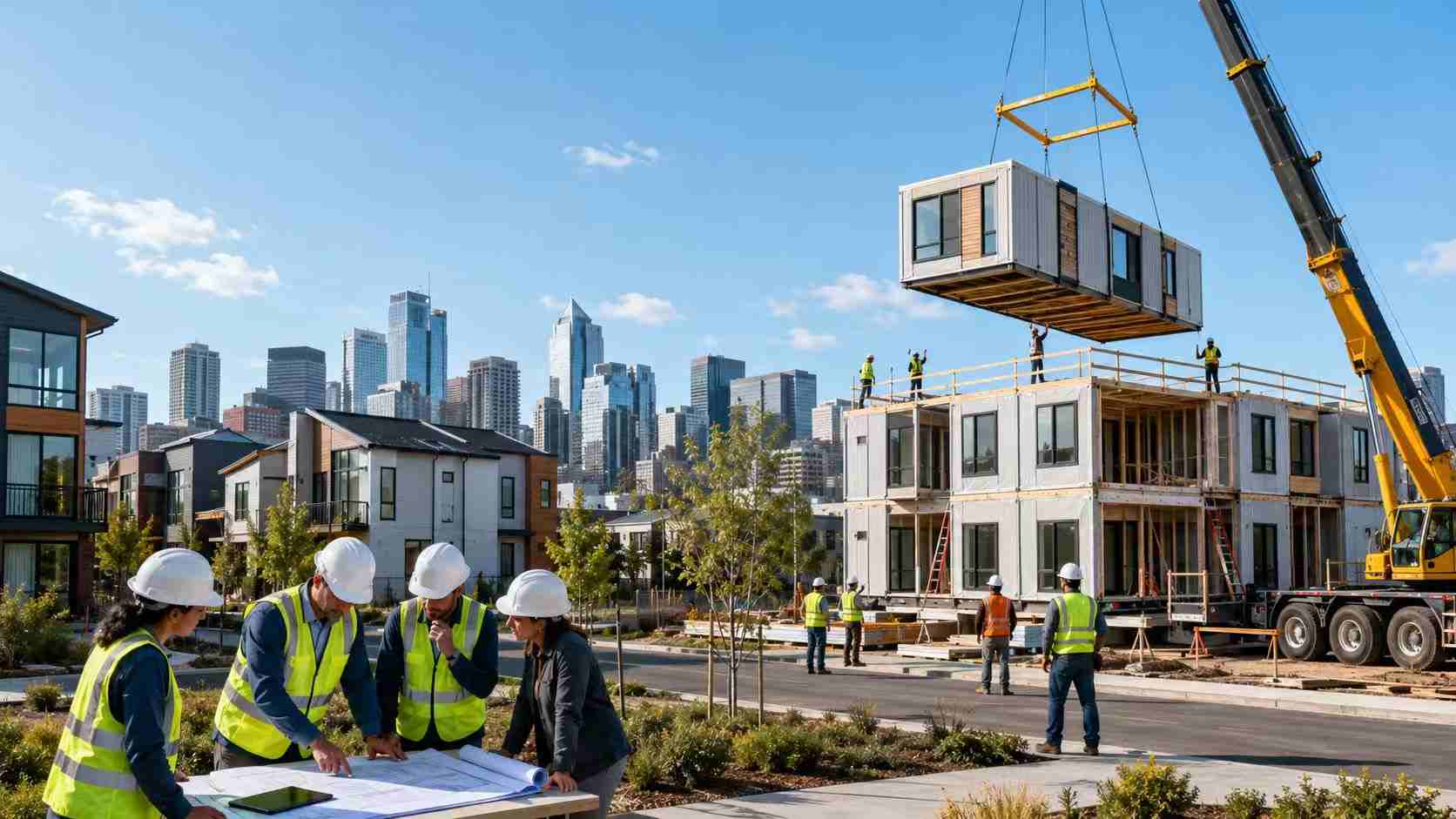
Q1: Why are more housing projects choosing modular construction?
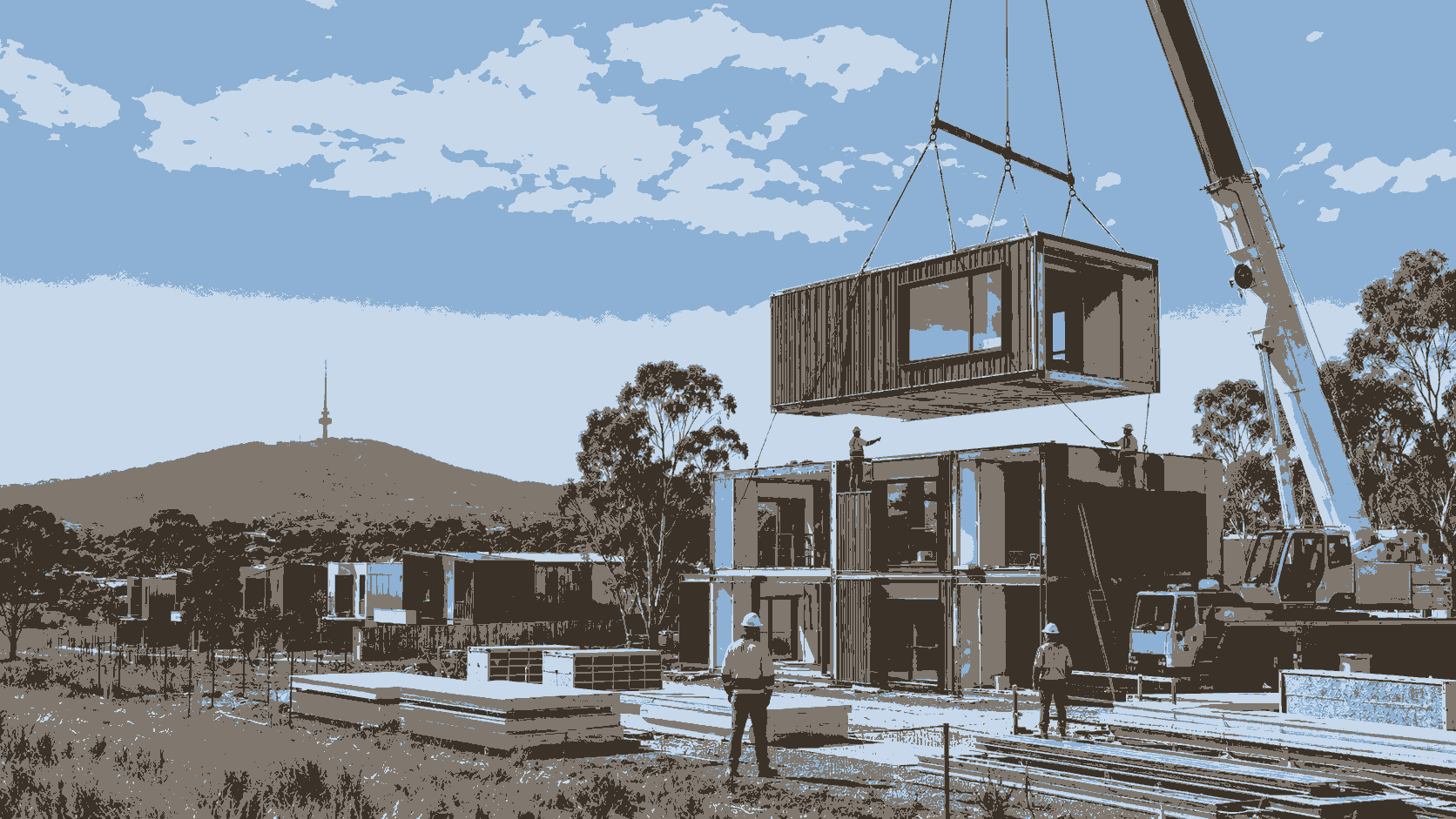
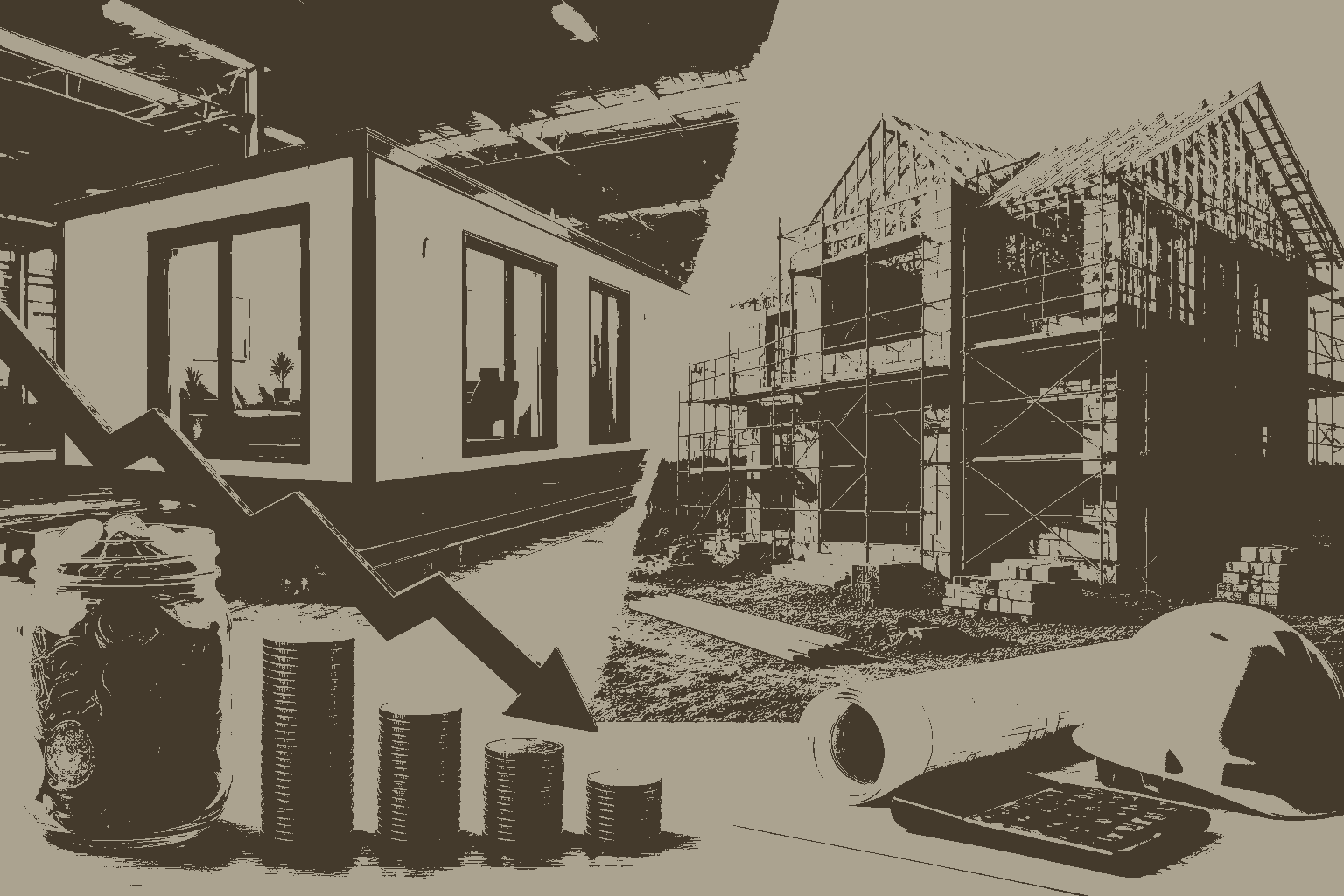
Traditional construction often faces long schedules, labor shortages, and weather-related delays. Modular construction shifts much of the building process into controlled factory environments before final on-site installation, helping improve efficiency and project management.
Q2: What are the main advantages?
Typical benefits include:
- Faster construction;
- Consistent manufacturing quality;
- Reduced on-site work;
- Lower material waste;
- Improved quality control;
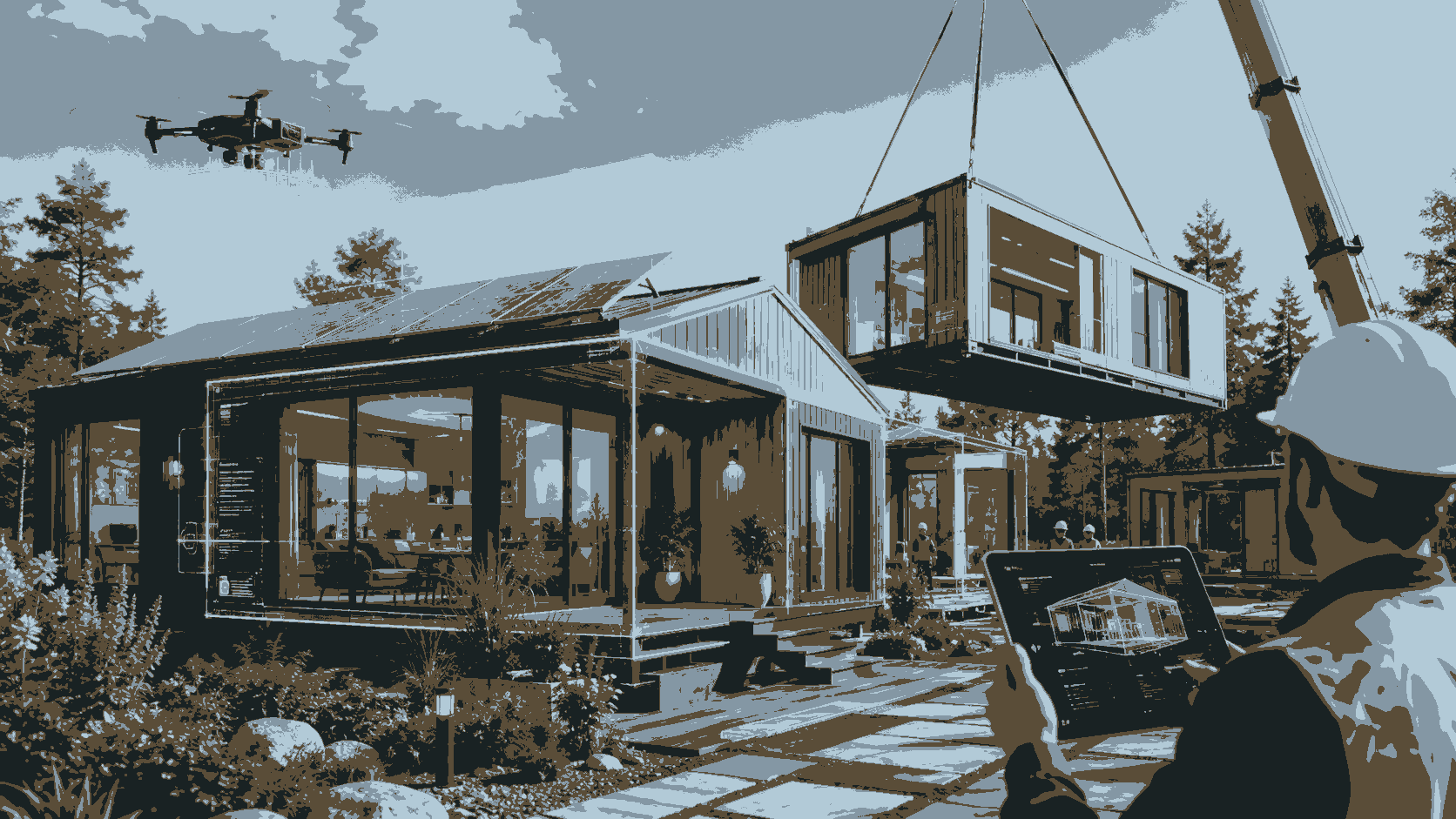
- Better support for sustainable building practices.
Actual project outcomes depend on local regulations, project scale, and design.
Q3: Which projects are suitable for modular construction?
Modular systems are increasingly used for:
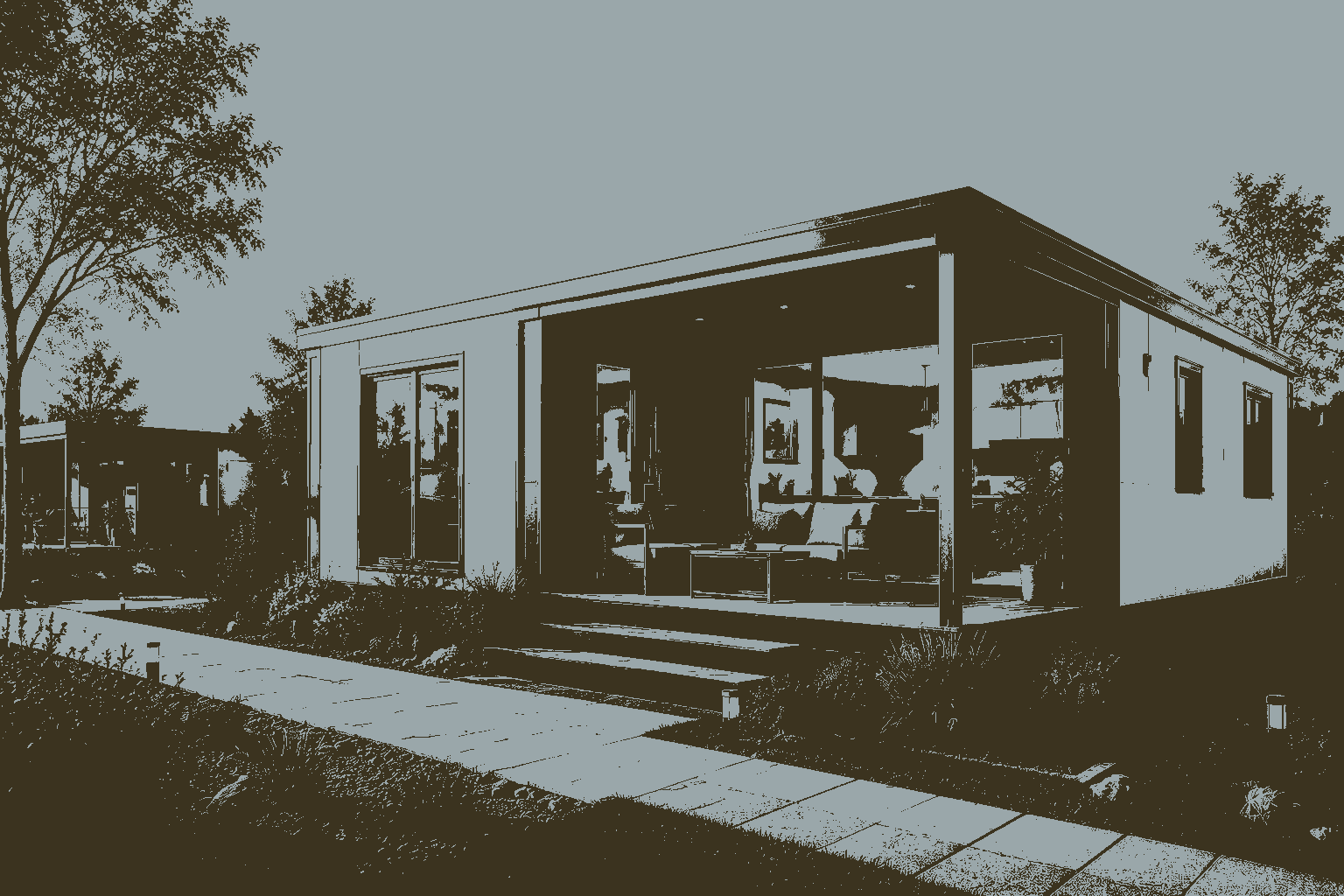
- Residential housing;
- Student accommodation;
- Workforce housing;
- Hotels;
- Schools;
- Healthcare facilities;
- Office buildings;
- Emergency housing.
As manufacturing technology advances, application scenarios continue to expand.
Q4: What should international exporters pay attention to?
Global buyers increasingly focus on:
- Compliance with local building codes;
- Consistent product quality;
- Energy efficiency;
- Manufacturing capability;
- International certifications;
- Fast delivery.
These factors are becoming key differentiators in the international modular housing market.