Modular School Buildings Expand as Fast Construction Supports Growing Education Needs
Modular Building Institute (MBI)
Growing student populations, campus expansion requirements, and the need to modernize educational facilities are encouraging schools and governments to explore faster construction solutions.
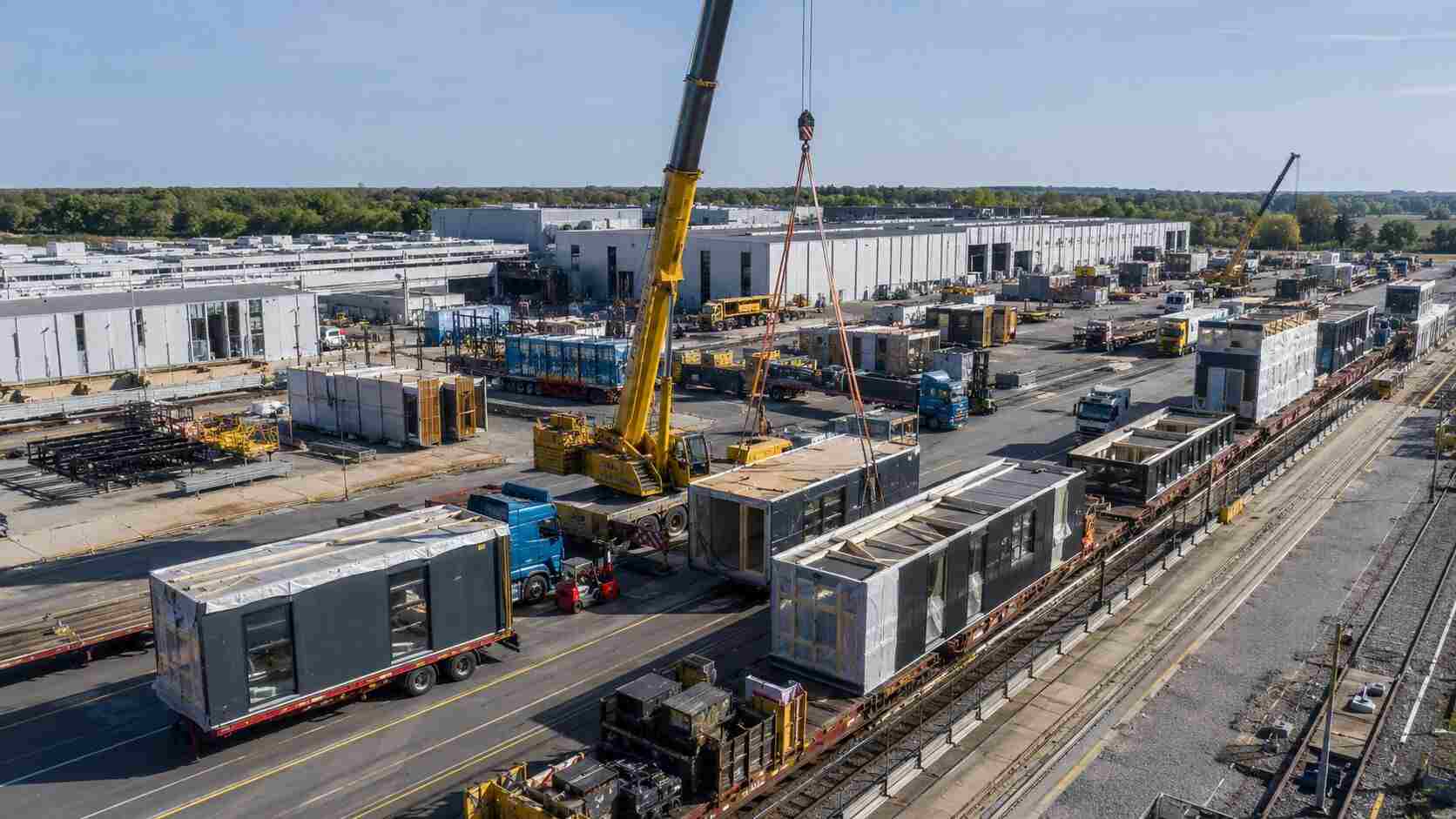
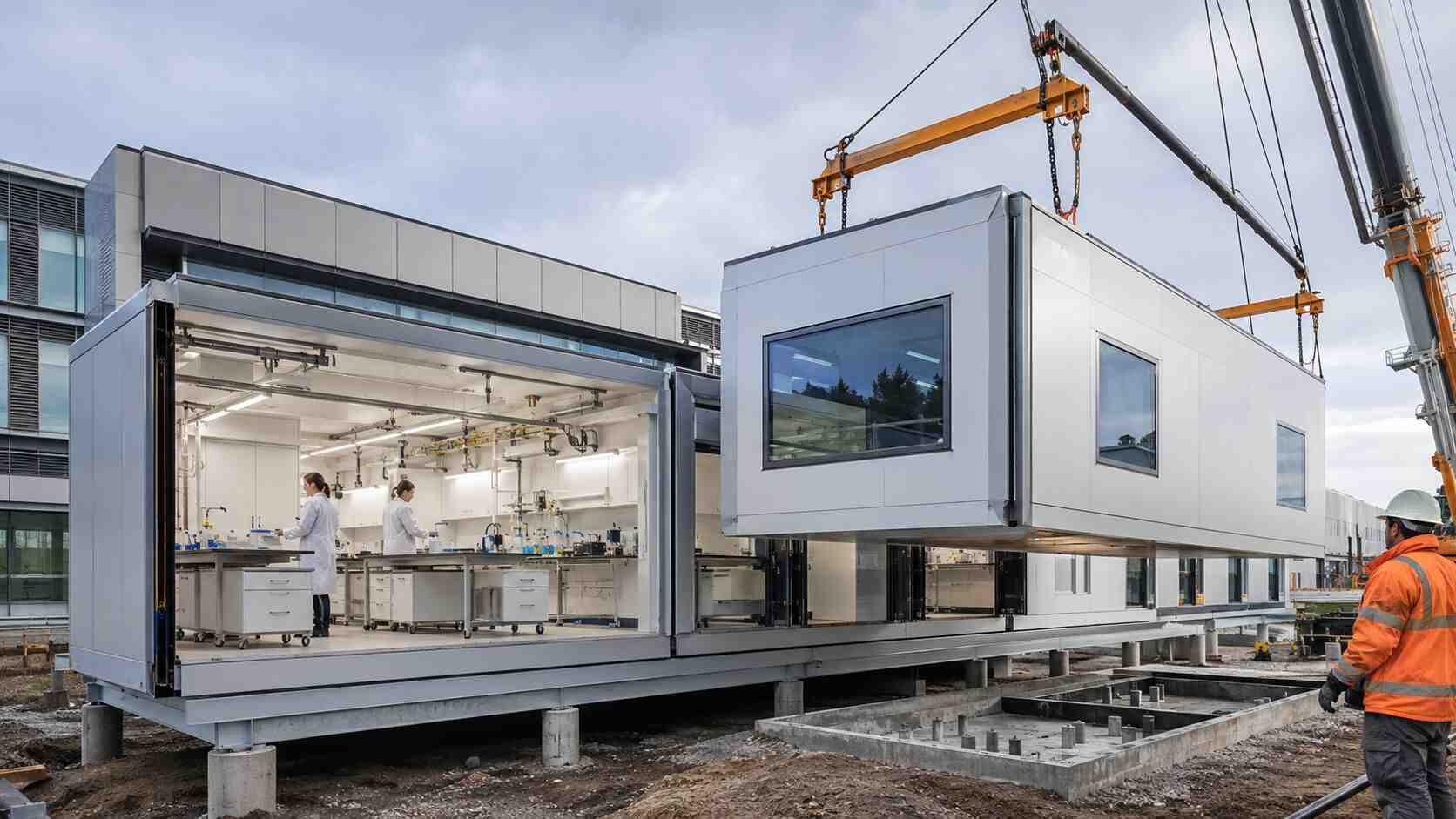
Modular schools provide an efficient alternative by allowing classrooms, laboratories, offices, and other educational spaces to be manufactured in controlled factory environments before transportation and installation on site. This approach helps reduce construction schedules while minimizing disruption to school activities.
Modular educational buildings are now used for classrooms, kindergartens, training centers, student accommodation, and temporary learning spaces. As sustainability and flexible campus design become increasingly important, modular school solutions are expected to gain wider adoption in global education infrastructure projects.
Frequently Asked Questions (FAQ)
Q1: Why are schools increasingly adopting modular construction?
Schools are adopting modular construction because they often need additional learning spaces quickly while minimizing disruption to students and teachers. Modular buildings allow construction activities to take place largely off-site, reducing noise, safety concerns, and construction time on campus.
Q2: What types of educational facilities can be built with modular construction?
Modular solutions can be used for classrooms, laboratories, libraries, administrative offices, student housing, training centers, and temporary education facilities. Designs can be customized according to different educational requirements and local regulations.
Q3: What factors should buyers consider when purchasing modular school buildings?
International buyers should evaluate building code compliance, fire safety standards, energy efficiency, indoor environmental quality, manufacturing capability, transportation planning, and installation support. A supplier with experience in educational projects can better manage technical requirements.
Q4: What is the future outlook for modular education buildings?
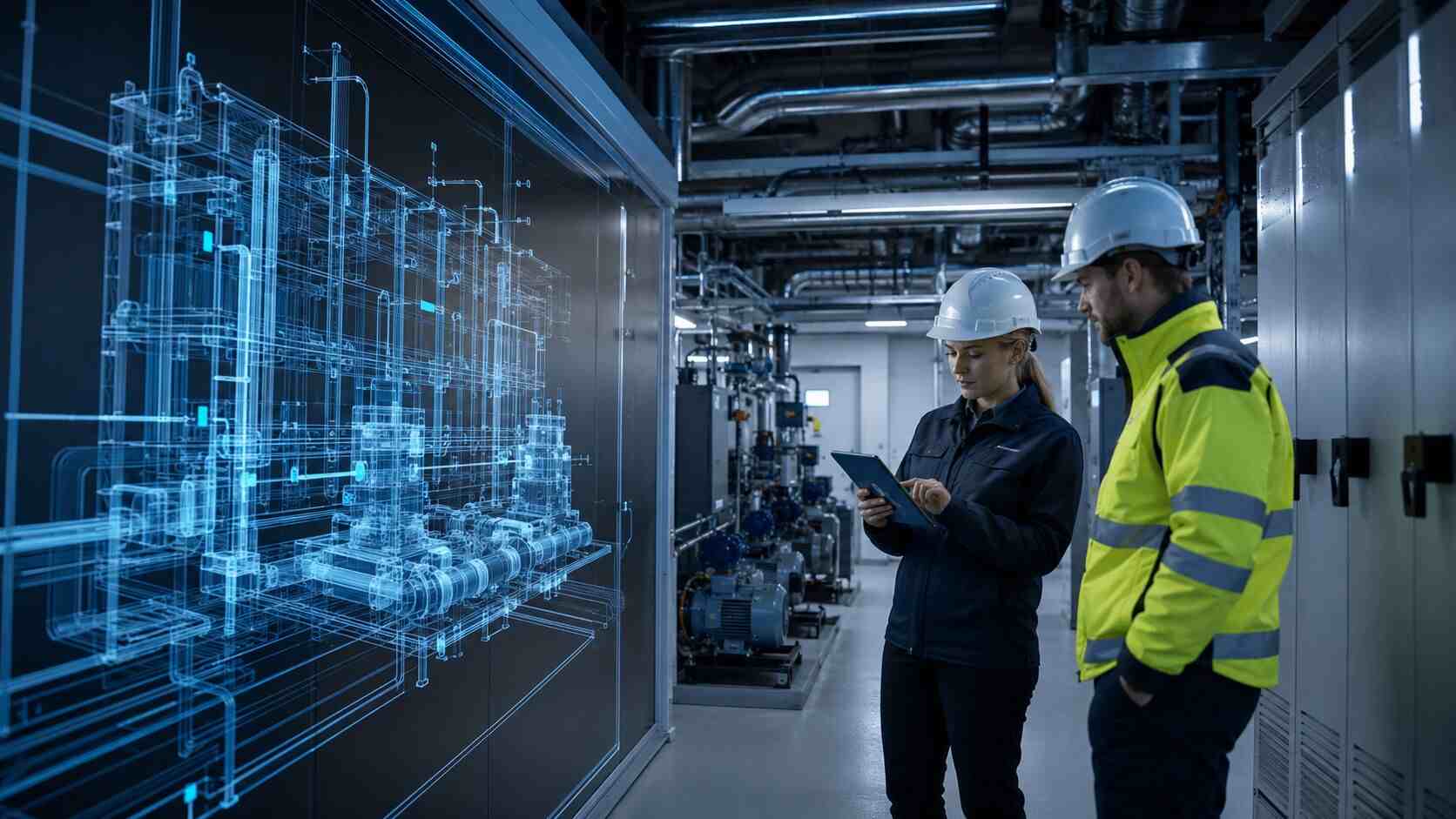
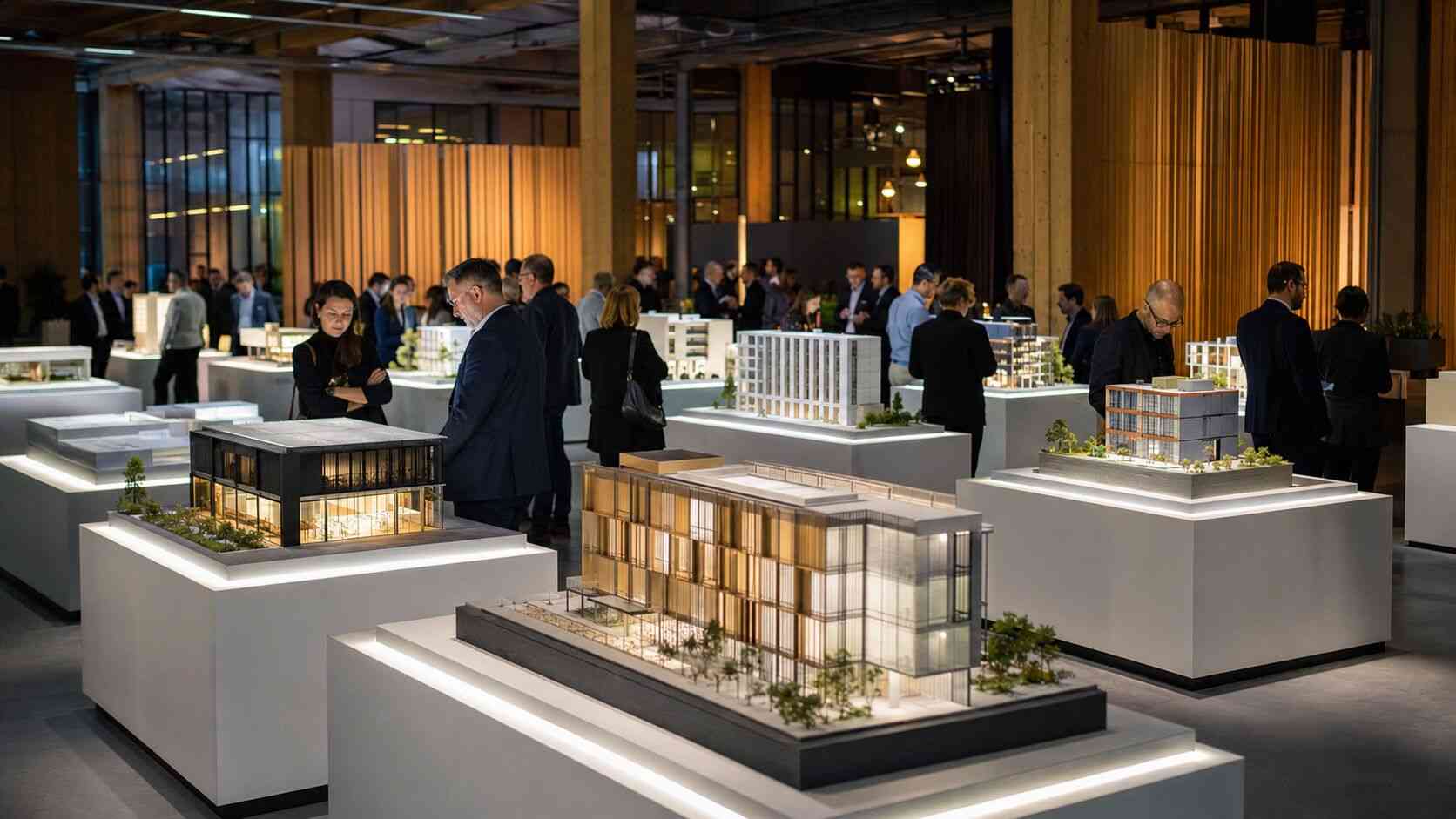
The future development of modular education buildings will focus on sustainable materials, energy-efficient designs, digital engineering, smart classroom integration, and flexible expansion solutions. As education infrastructure investment continues globally, modular construction will become an increasingly important building method.