Modular Construction Supports Offshore Wind Operation and Maintenance Facilities
International Energy Agency (IEA)
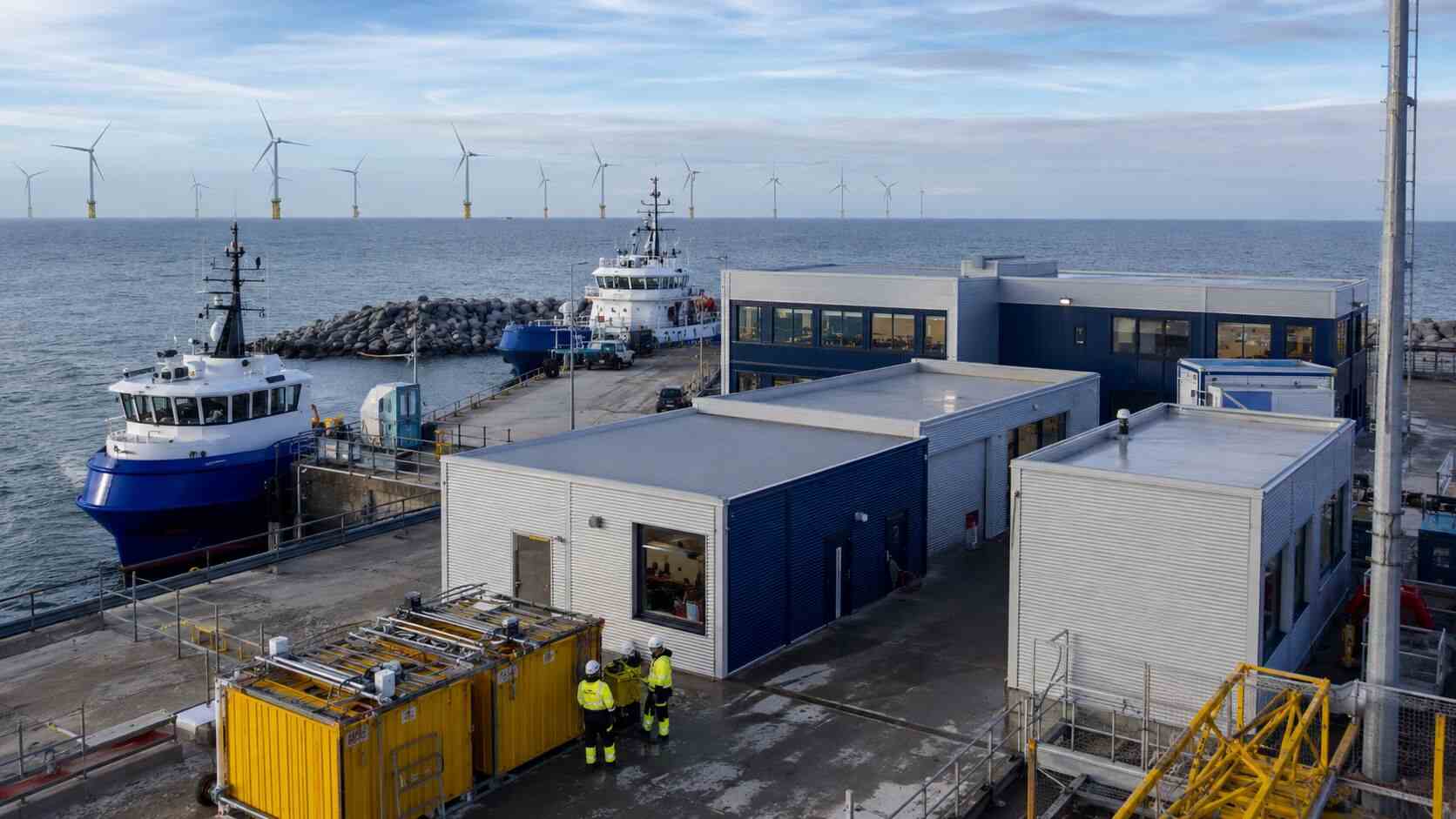
Offshore wind farms are typically located far from shore, requiring reliable operation and maintenance infrastructure to ensure long-term equipment performance. Supporting facilities often include O&M centers, control rooms, maintenance workshops, spare parts warehouses, offices, and accommodation facilities.
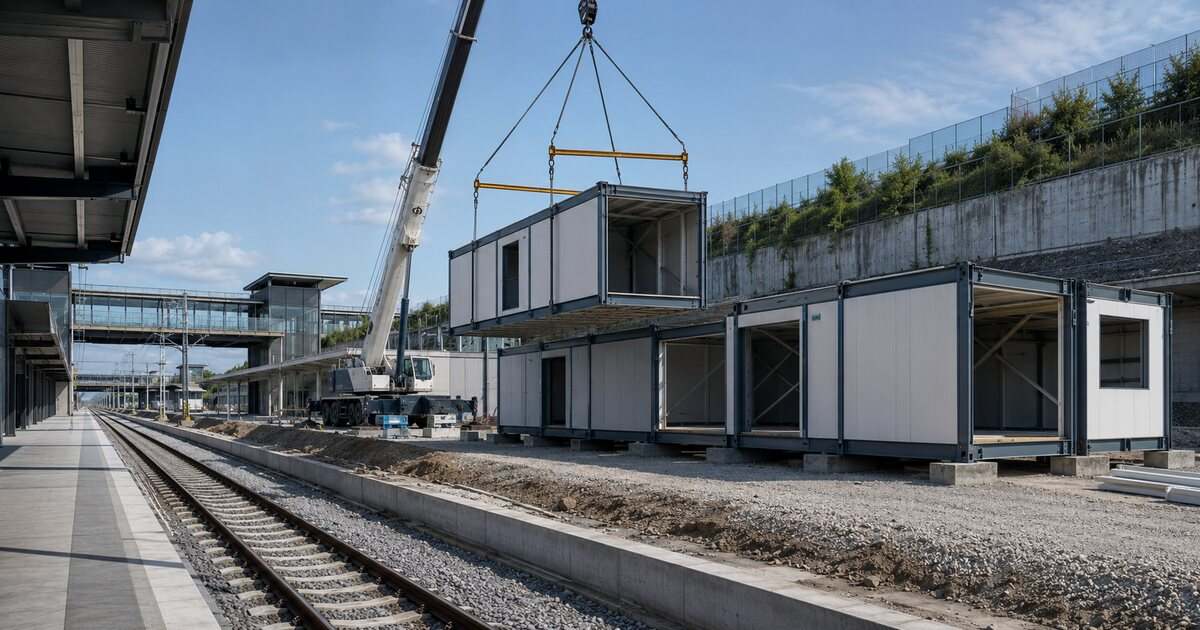
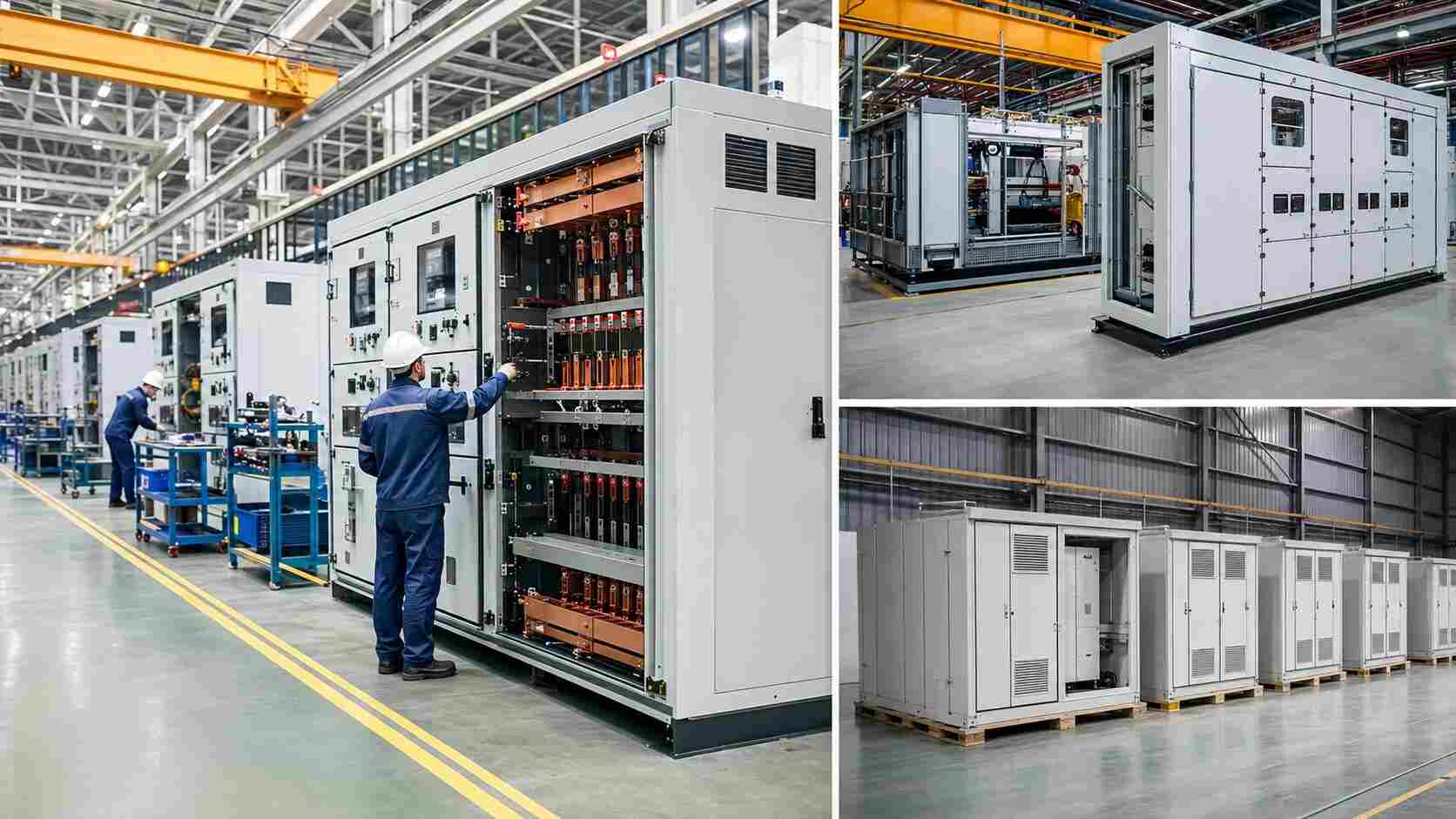
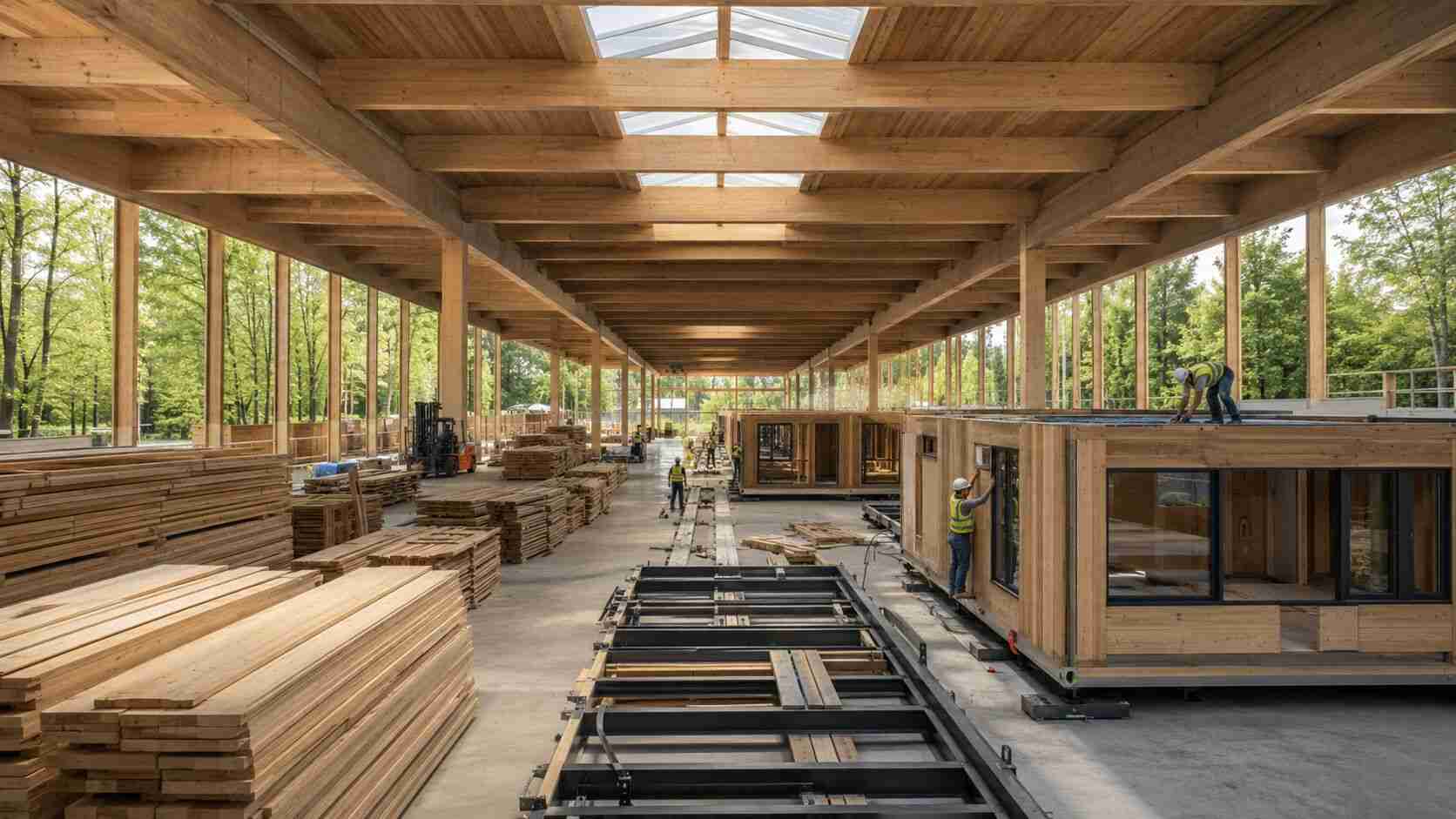
Modular construction allows these facilities to be manufactured in controlled factory environments, including structural assembly, interior finishing, MEP installation, and quality inspection before transportation to the project site. This approach reduces construction challenges in coastal and offshore environments while improving delivery efficiency.
For large offshore wind clusters, modular facilities provide flexibility for future expansion and operational upgrades. With advances in remote monitoring, autonomous inspection, digital energy management, and smart maintenance systems, modular construction will continue supporting the growth of renewable energy infrastructure.
Frequently Asked Questions (FAQ)
Q1: Why is modular construction suitable for offshore wind projects?
Offshore wind projects often require reliable facilities in coastal or remote locations. Modular construction provides faster delivery, controlled quality, and flexible deployment.
Q2: What facilities can be modularized for offshore wind?
Applications include operation centers, control buildings, maintenance workshops, warehouses, offices, accommodation facilities, and technical support buildings.
Q3: What do international buyers usually evaluate?
Buyers typically assess corrosion resistance, structural durability, transportation capability, weather protection, energy efficiency, quality management, and compliance with marine engineering requirements.
Q4: What are the future trends?
Future developments are expected to include smart wind farm management, remote operations, AI-based maintenance, renewable energy integration, energy-efficient buildings, and modular offshore support solutions.