Modular Construction Supports Modern Railway Infrastructure Projects
International Union of Railways (UIC)
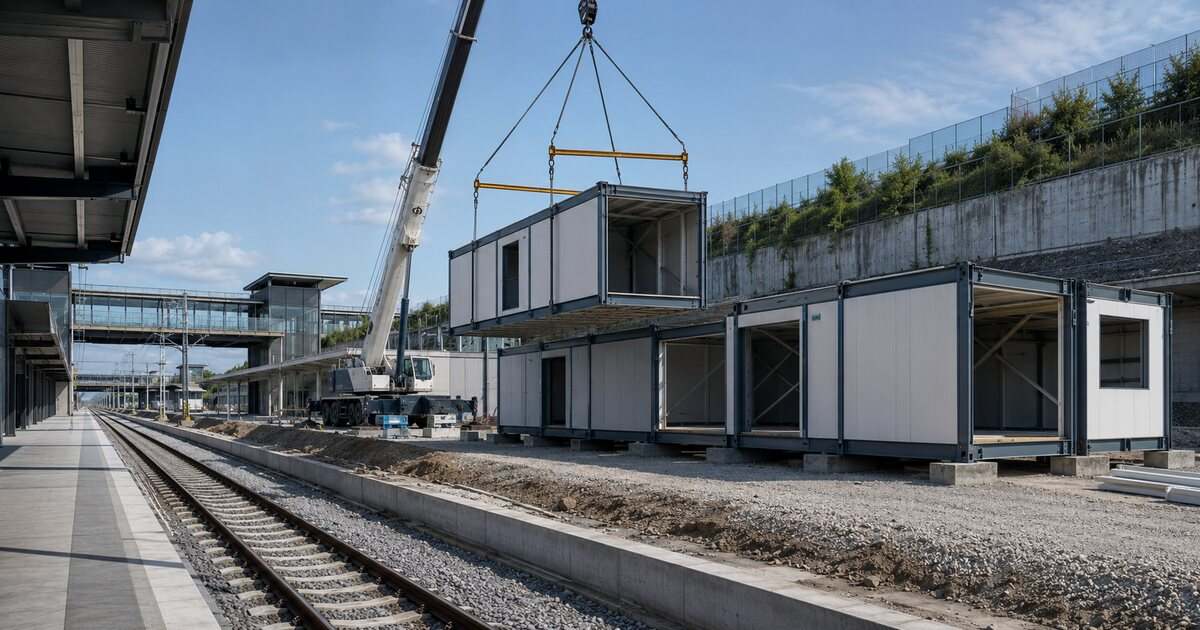
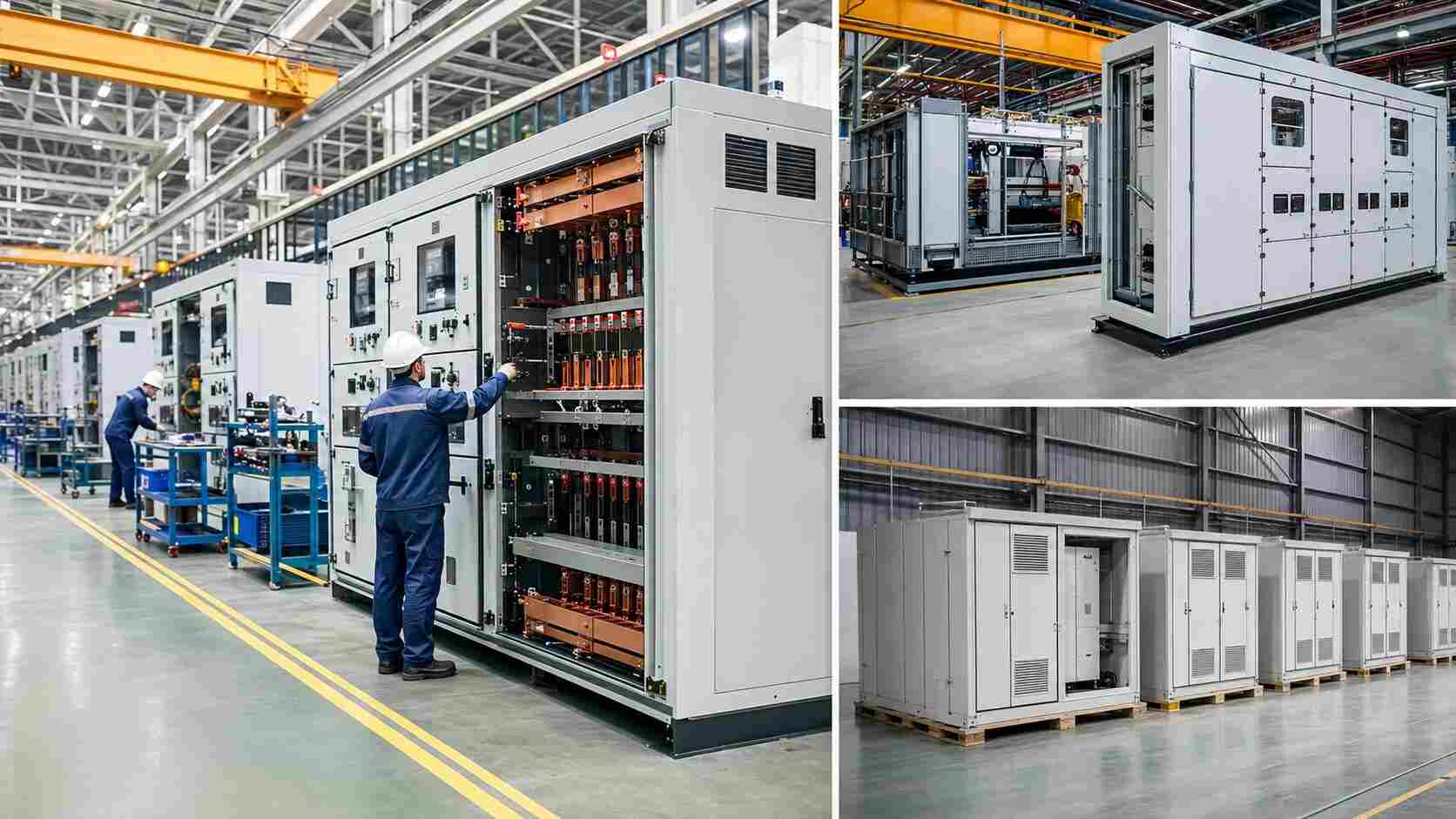
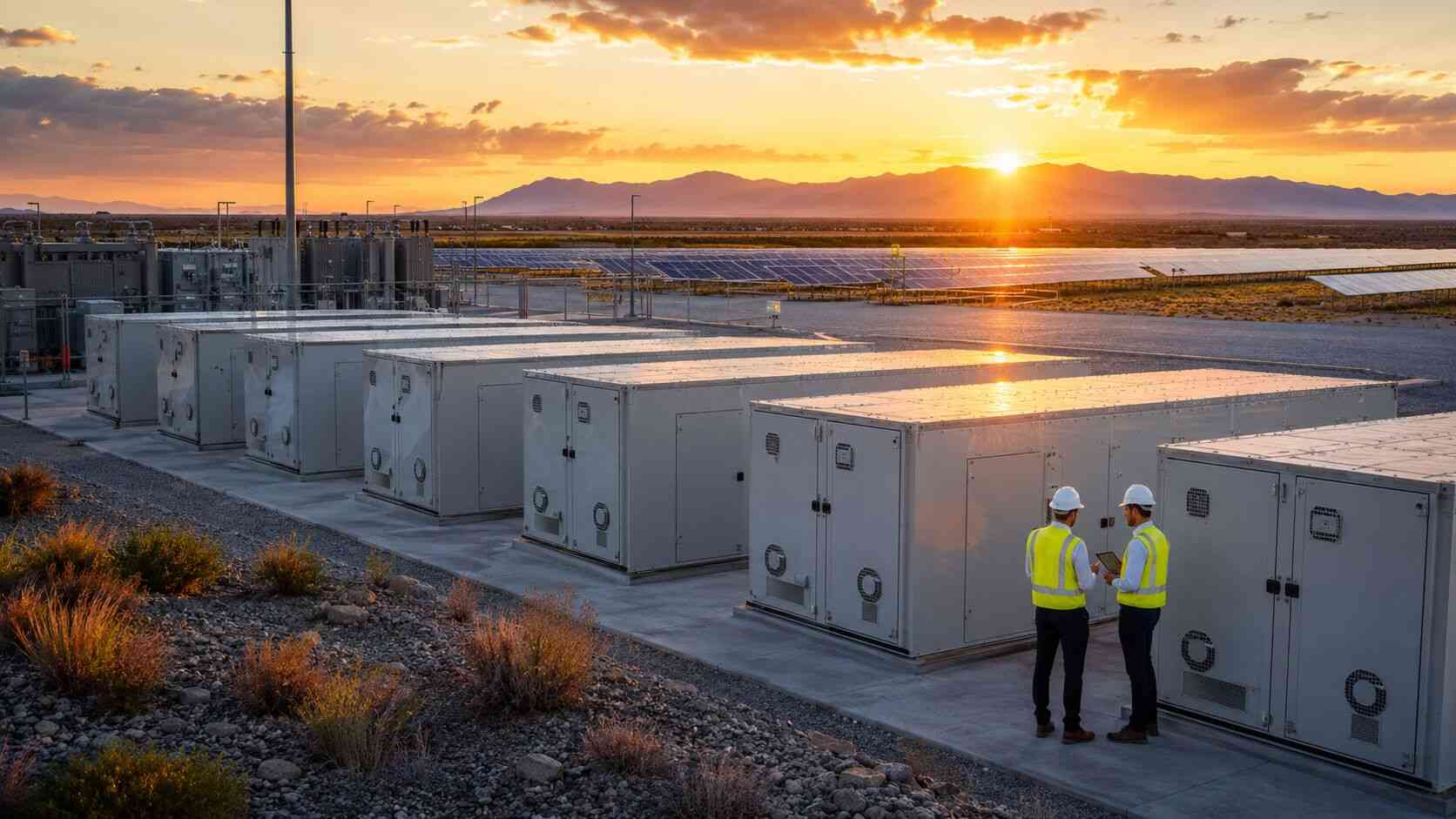
Modern railway projects require more than tracks and stations. Supporting infrastructure includes signal equipment buildings, communication rooms, traction power control facilities, electrical equipment enclosures, maintenance workshops, inspection offices, and operational support buildings. These facilities are essential for ensuring safe, reliable, and efficient railway operations.
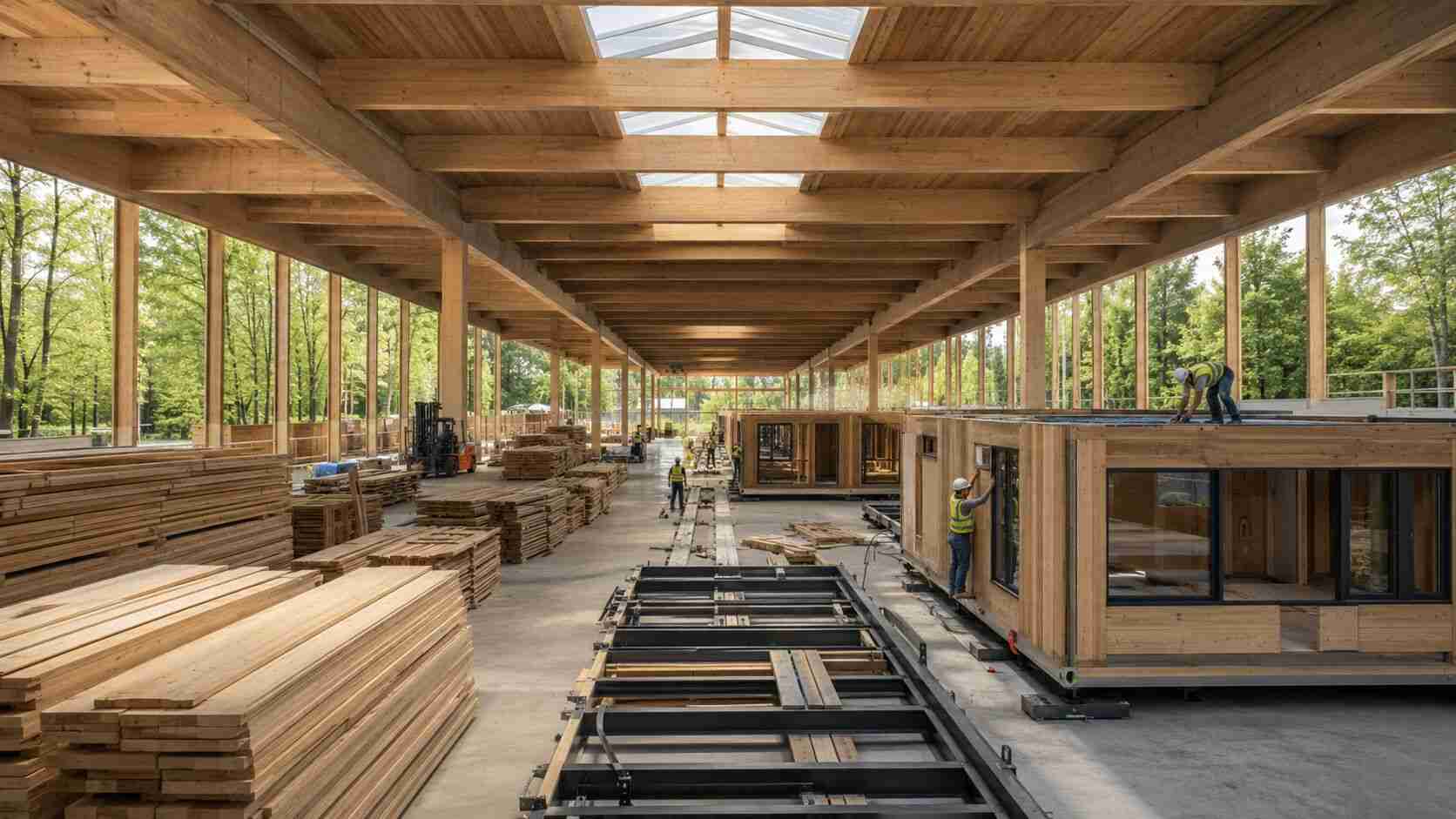
Modular construction allows these support buildings to be manufactured off-site while railway civil works are underway. This approach shortens project schedules, reduces on-site labor, improves quality consistency, and simplifies construction in remote or geographically challenging locations.
As railway systems adopt digital signaling, intelligent monitoring, predictive maintenance, and automated operations, modular buildings are becoming an increasingly practical solution for delivering flexible and scalable railway infrastructure.
Frequently Asked Questions (FAQ)
Q1: Why is modular construction suitable for railway infrastructure?
Railway projects often involve multiple locations and strict construction schedules. Modular construction enables faster installation, standardized quality, and reduced disruption to project operations.
Q2: Which railway facilities can be modularized?
Applications include signal equipment buildings, communication rooms, traction power control buildings, maintenance workshops, administration offices, inspection stations, and staff accommodation.
Q3: What do international buyers usually evaluate?
International buyers typically assess structural durability, weather resistance, equipment integration, transportation logistics, quality management, installation efficiency, and compliance with railway engineering and local building standards.
Q4: What are the future trends?
Future developments are expected to include digital signaling infrastructure, AI-assisted maintenance, smart monitoring systems, energy-efficient support buildings, modular expansion strategies, and greater integration with intelligent rail networks.