Fire Safety Continues to Drive Higher Standards in Modular Construction
Modular Building Institute (MBI)
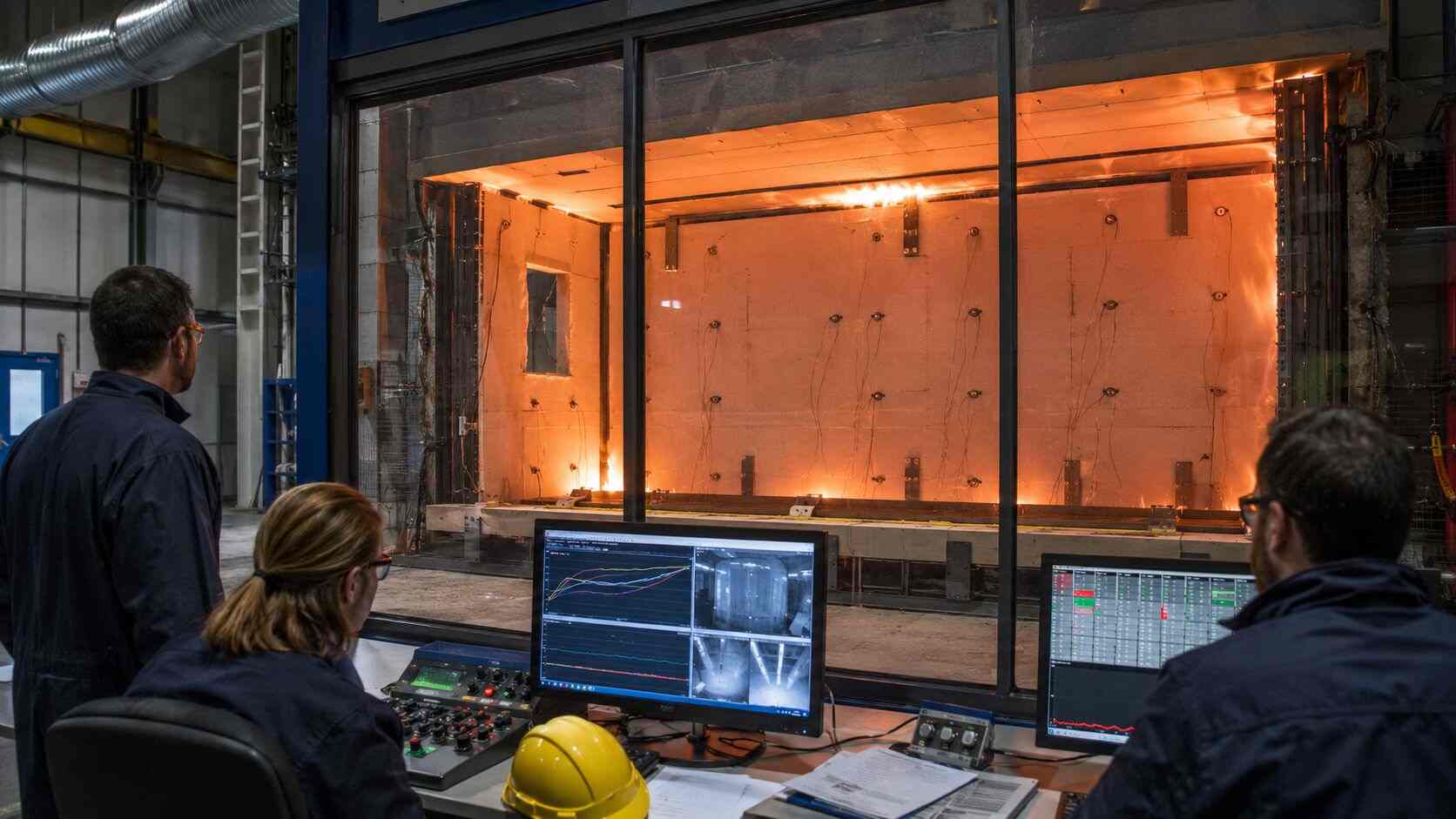
Like conventional buildings, modular projects must comply with local fire codes and building regulations. Because much of the construction process takes place in a factory, fire protection measures—including fire-rated walls, floor systems, insulation, and fire-stopping details—are incorporated during manufacturing.
As modular buildings become more common in residential, healthcare, education, hospitality, and commercial sectors, international buyers are paying closer attention to suppliers' capabilities in fire engineering, product testing, and quality management. Strong fire safety performance not only supports regulatory compliance but also improves long-term building reliability.
Frequently Asked Questions (FAQ)
Q1: Why is fire safety important in modular construction?
Fire safety is essential because modular buildings must meet the same regulatory requirements as conventional buildings. Proper fire-resistant design helps protect occupants, supports regulatory approval, and improves the long-term durability of the structure.
Q2: Which fire protection measures are commonly used in modular buildings?
Typical measures include fire-rated walls and floors, fire-resistant insulation, fire-stopping around service penetrations, protected structural components, and compliance testing based on applicable building codes.
Q3: What should international buyers evaluate regarding fire safety?
Buyers should verify compliance with local fire regulations, review fire testing documentation, evaluate the manufacturer's quality assurance system, and confirm that materials and assemblies meet the required performance standards.
Q4: How is fire safety expected to evolve in the modular construction industry?
Future developments are likely to include improved fire-resistant materials, enhanced digital design verification, stricter quality control during factory production, and closer integration between engineering design and regulatory compliance.