New York City's “Block by Block” Housing Initiative Highlights the Growing Role of Modular Construction
Modular Building Institute (MBI)
Housing affordability continues to be a major challenge across many U.S. cities. Rising construction costs, labor shortages, and lengthy project schedules have encouraged governments to explore faster and more efficient building methods.
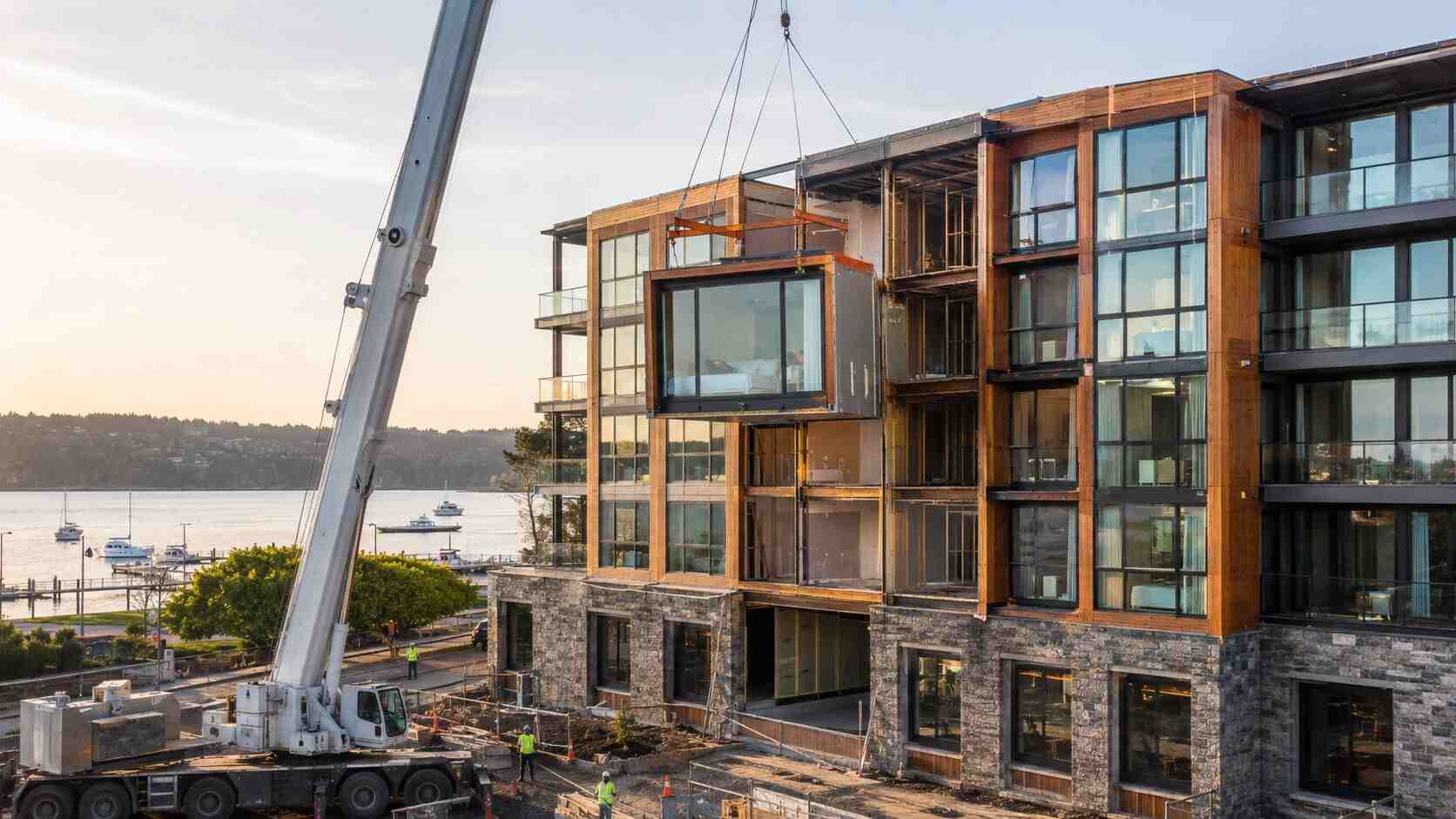
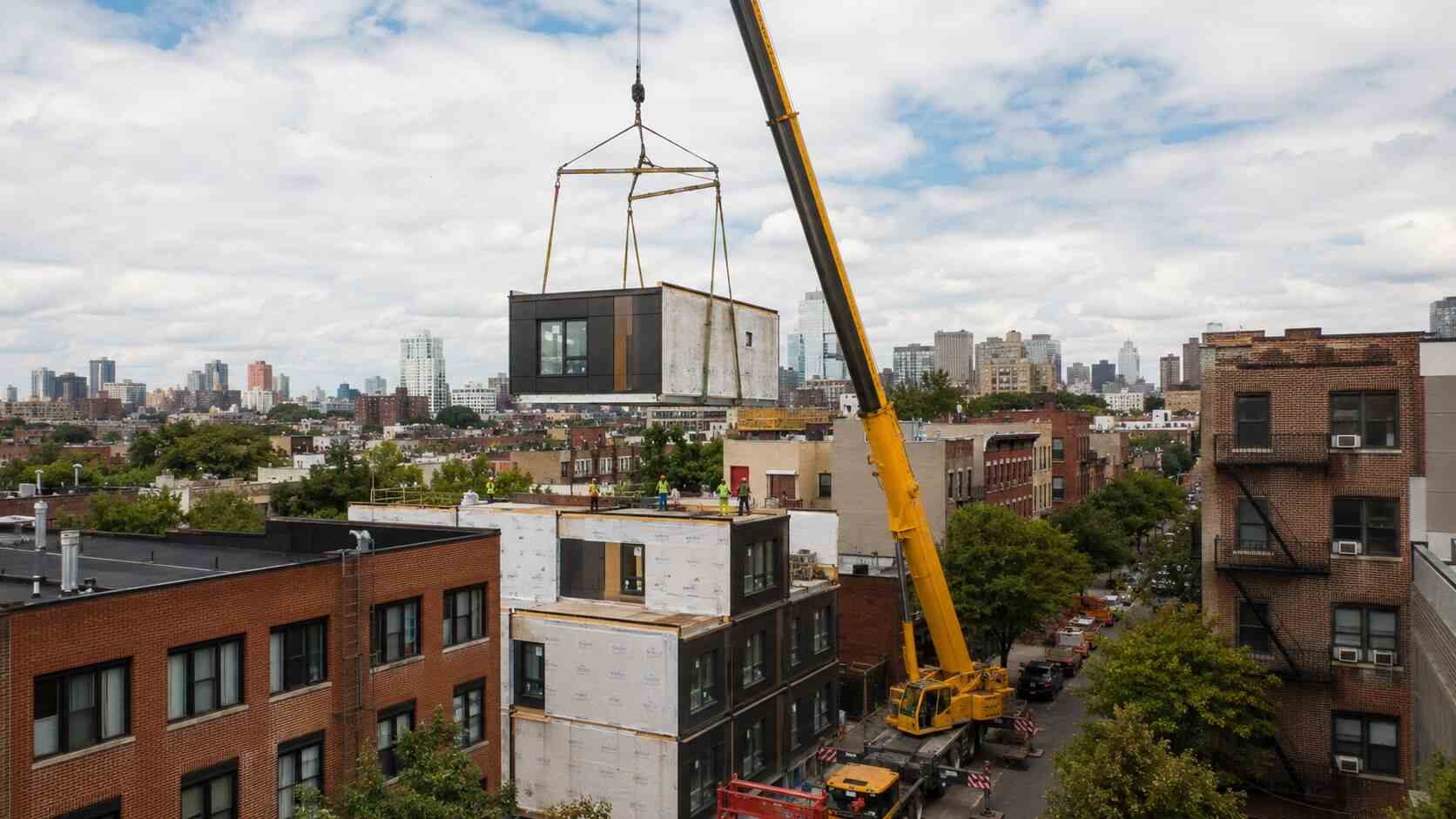
New York City's Block by Block initiative recognizes modular construction as an important solution for increasing housing supply. By manufacturing building modules in controlled factory environments before transporting them for rapid on-site installation, developers can shorten construction schedules, improve quality consistency, reduce weather-related delays, and enhance workplace safety.
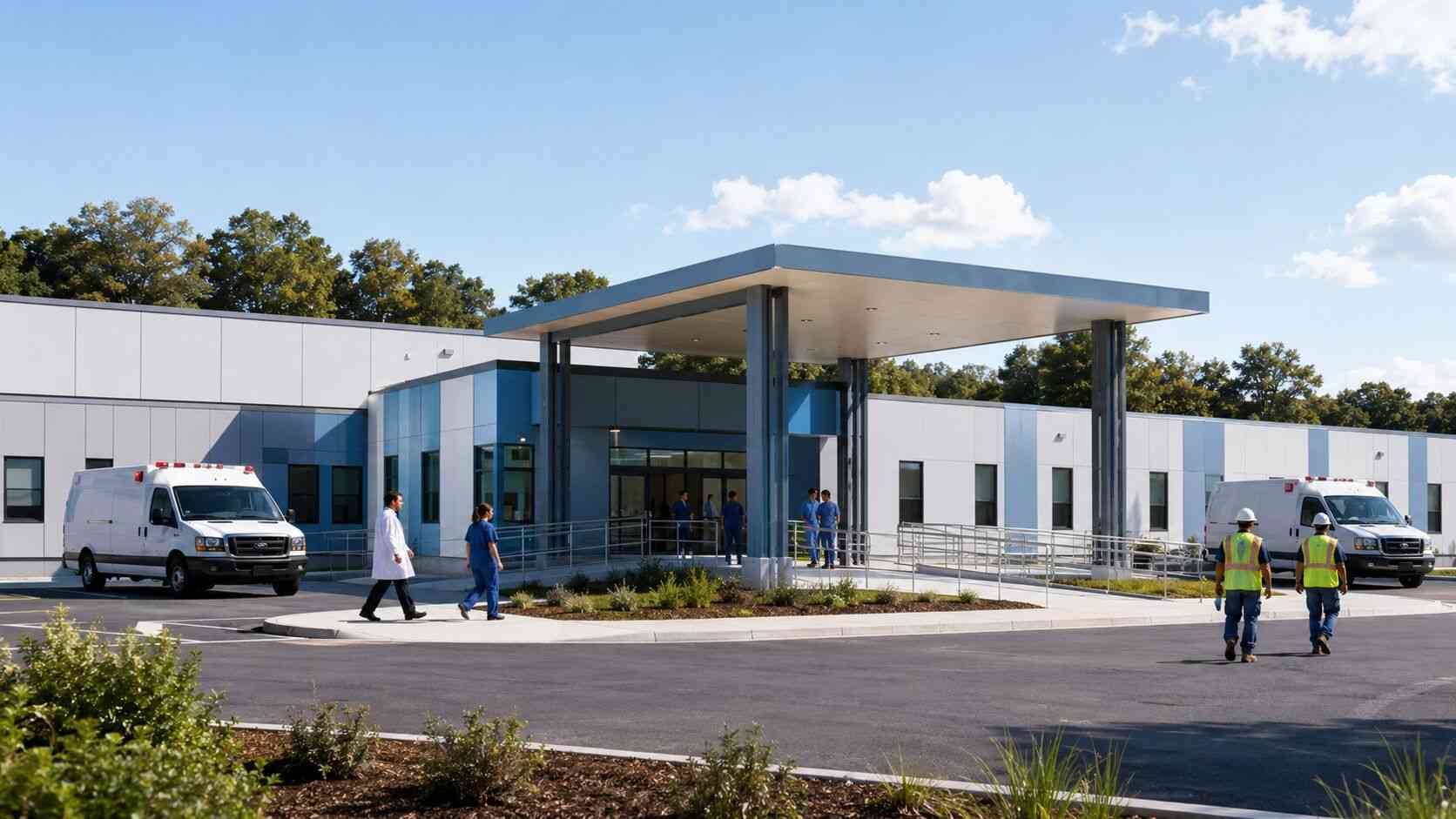
Globally, modular construction is now widely used for residential developments, schools, hospitals, hotels, workforce accommodation, and public infrastructure. Continued advances in BIM, digital engineering, and automated manufacturing are expected to further expand the adoption of offsite construction in both public and private sectors.
Q1: Why are governments increasingly supporting modular construction?
Governments are facing growing housing shortages, rising construction costs, and labor constraints. Modular construction allows factory production and site preparation to occur simultaneously, helping deliver housing faster while maintaining consistent quality.
Q2: What are the major advantages of offsite construction?
Factory-built construction can reduce project timelines, improve quality control, minimize weather-related delays, reduce material waste, and create safer working environments.
Q3: Which projects are best suited for modular construction?
Common applications include affordable housing, multifamily apartments, schools, hospitals, hotels, workforce accommodation, student housing, and commercial buildings.
Q4: What should international buyers evaluate before selecting a modular building supplier?
Buyers should review manufacturing capacity, engineering capability, international certifications, compliance with local building regulations, quality management systems, logistics planning, and after-sales technical support.
Q5: Which global markets are experiencing the fastest growth?
North America, Australia, the United Kingdom, and parts of Europe continue to invest heavily in modular housing and public infrastructure as governments seek faster construction solutions.
Q6: What is the future outlook for modular construction?
Future growth is expected to be driven by digital engineering, BIM, smart manufacturing, AI-assisted production, sustainable materials, and increasing government support for industrialized construction.
Related News
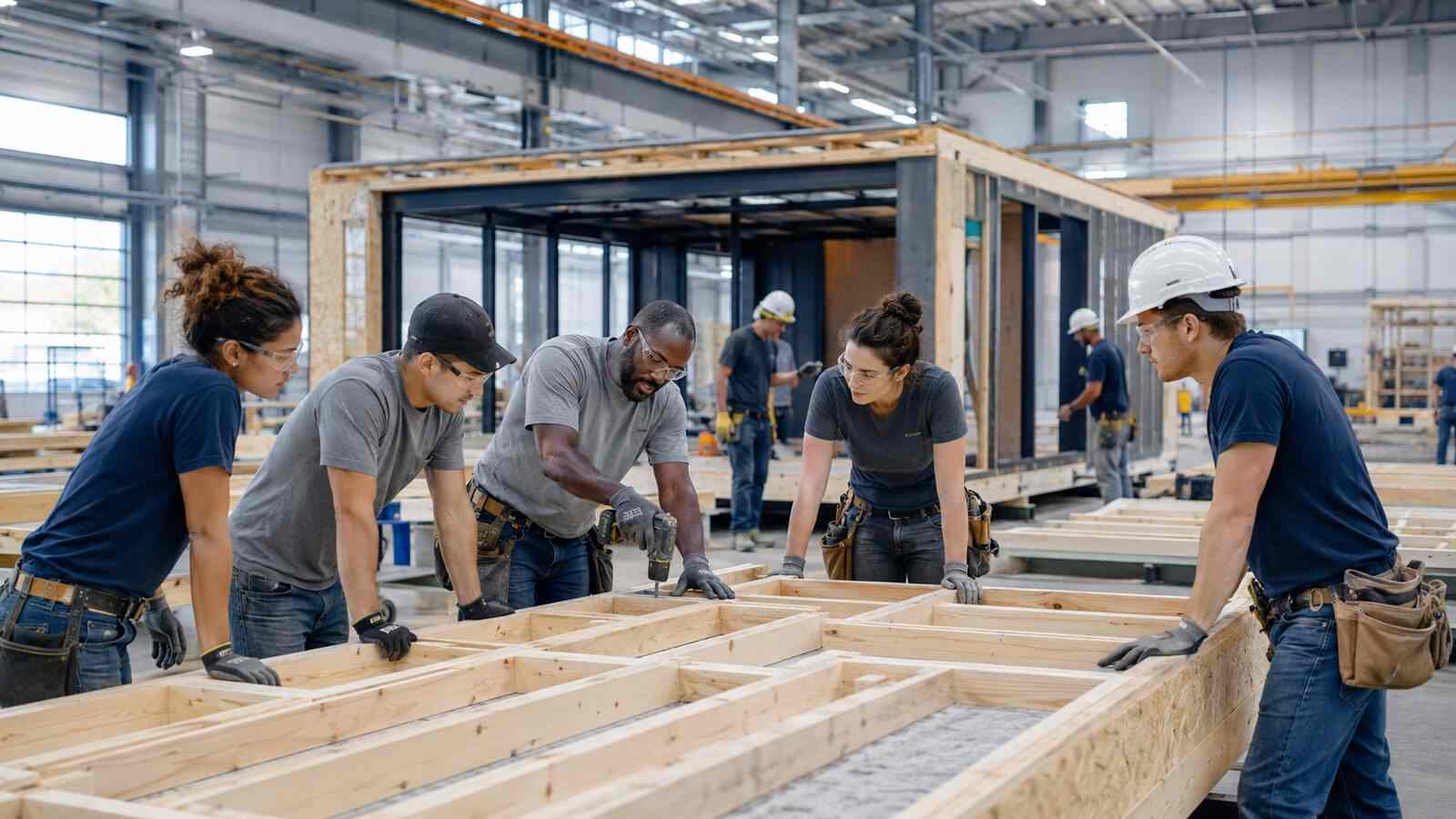
Panel Built Expands Workforce Development to Support the Future of U.S. Modular Manufacturing
2026-07-21
Read More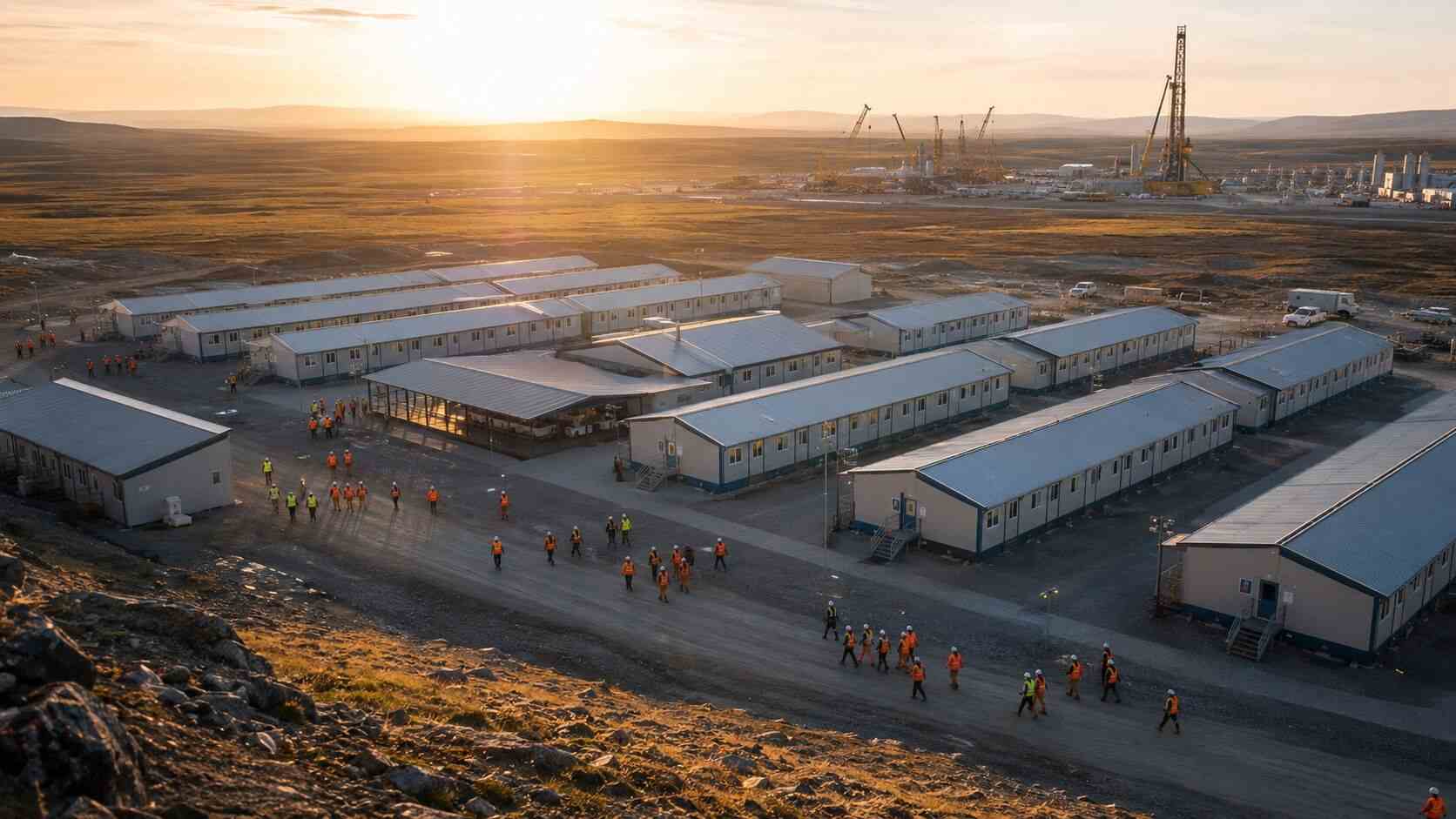
Modular Workforce Accommodation Gains Momentum as Fast Delivery Meets Large Project Demands
2026-07-20
Read More