Growing Demand for Modular Healthcare Buildings Supports Faster Medical Infrastructure Development
Modular Building Institute (MBI)
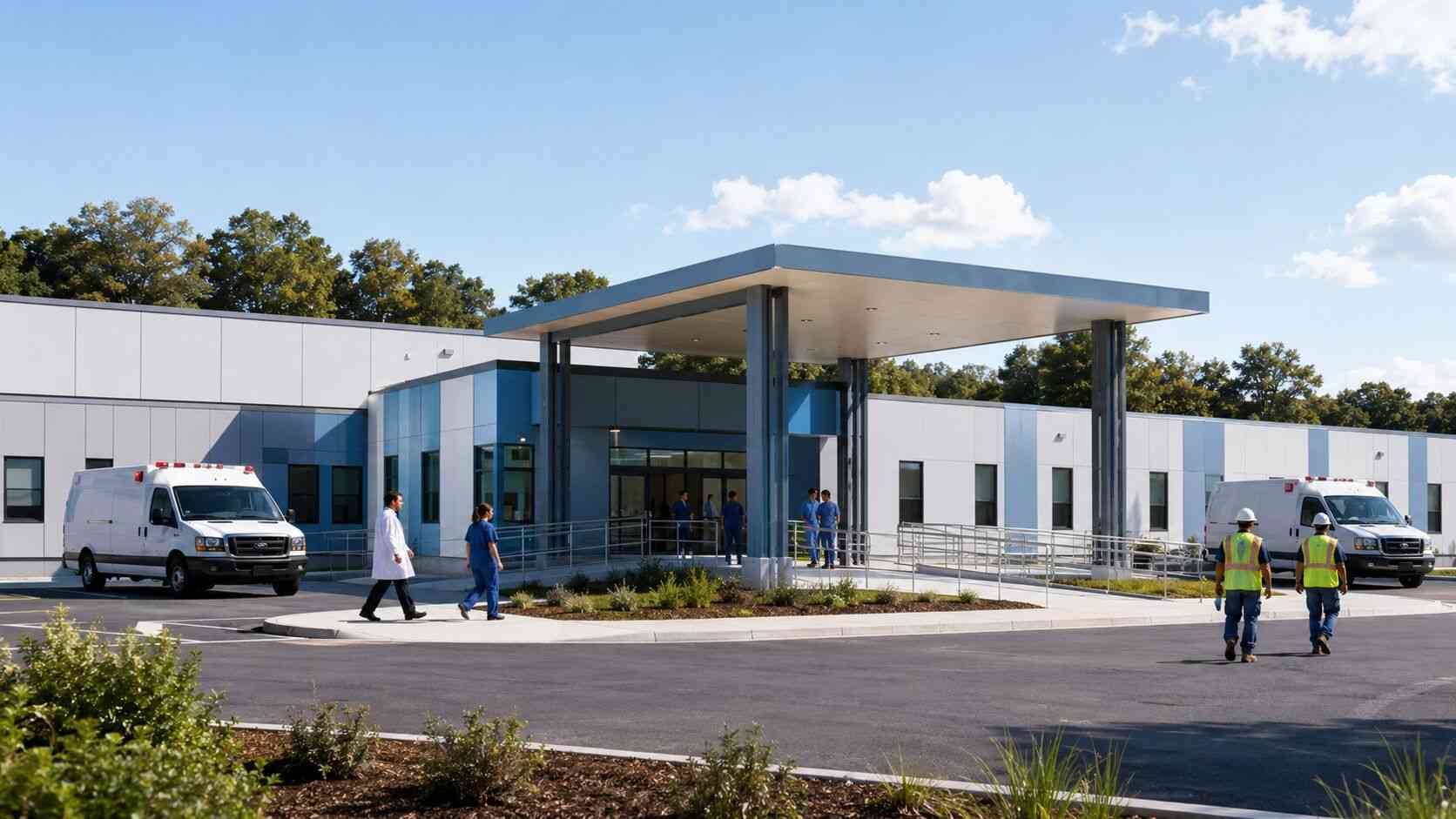
Healthcare construction projects require high standards for speed, quality, safety, and operational continuity. Traditional hospital expansion projects often involve long construction periods and can create disruptions to ongoing medical services.
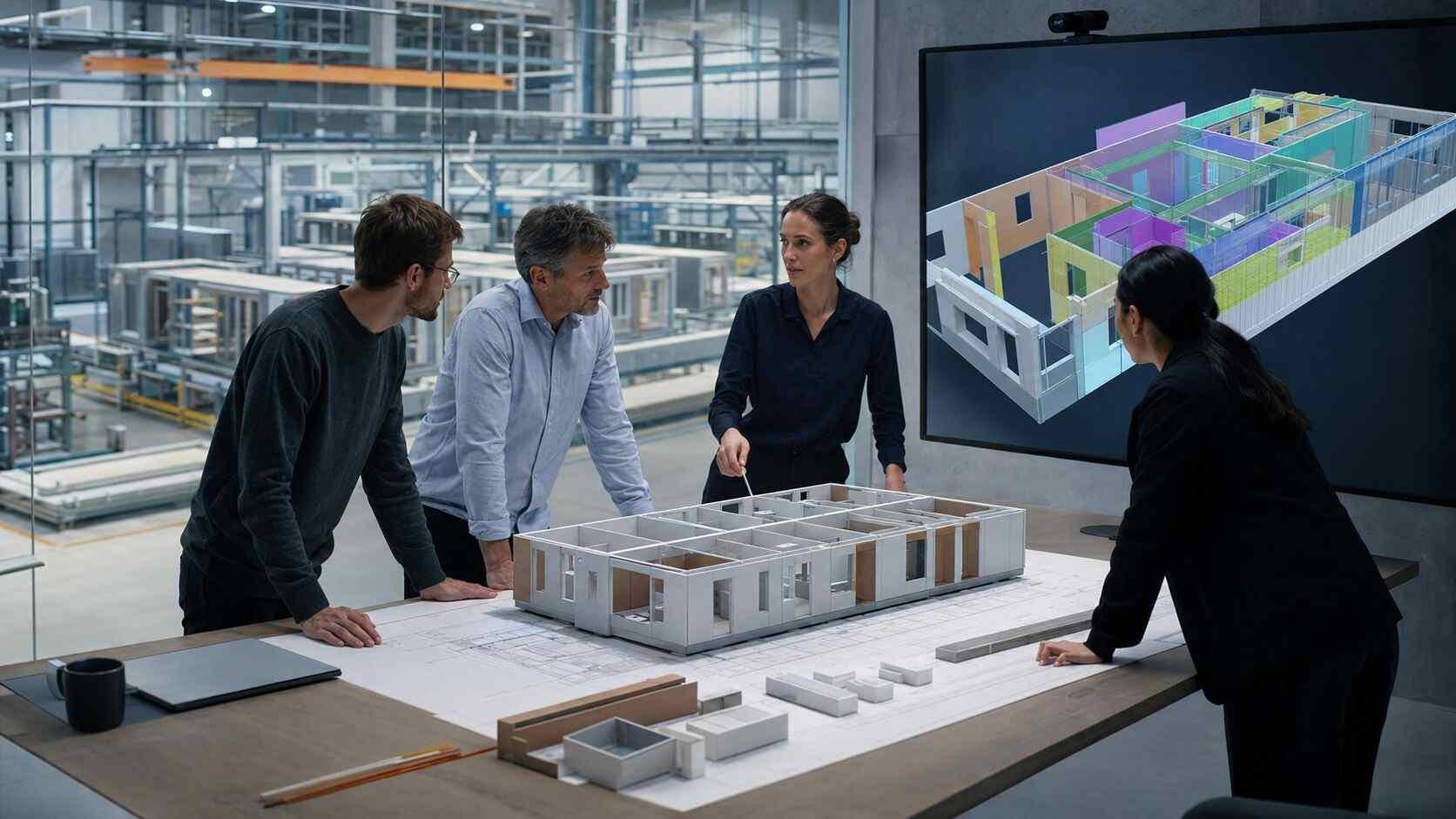
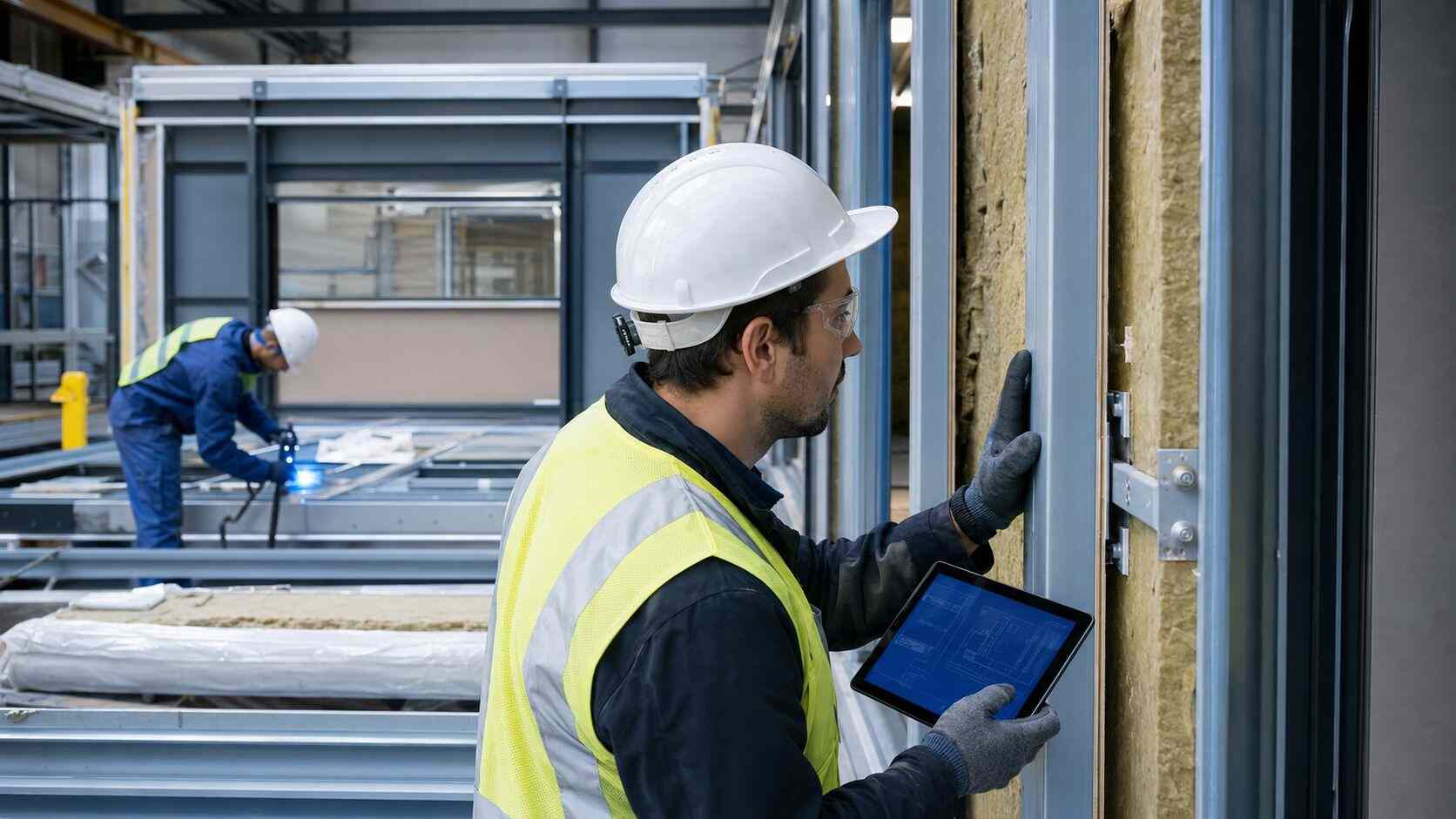
Modular healthcare buildings provide an alternative approach by completing much of the construction process in controlled factory environments. Structural components, interior finishes, and building systems can be prepared before transportation and final installation on site.
Modular solutions are now used for hospital expansions, clinics, laboratories, medical offices, isolation units, and temporary healthcare facilities. As healthcare demand continues to increase worldwide, modular construction offers a flexible solution for organizations seeking faster and more predictable project delivery.
Frequently Asked Questions (FAQ)
Q1: Why are healthcare organizations adopting modular construction?
Healthcare organizations are adopting modular construction because it allows faster project delivery while reducing disruption to existing medical operations. Hospitals and clinics often need additional space quickly, and modular buildings provide a practical solution compared with lengthy traditional construction processes.
Q2: What types of healthcare facilities can use modular buildings?
Modular healthcare solutions can be used for clinics, hospital extensions, laboratories, medical offices, diagnostic centers, isolation facilities, and emergency healthcare units. These buildings can be designed according to specific medical requirements.
Q3: What requirements are important for modular healthcare projects?
Important considerations include compliance with healthcare building regulations, fire safety, indoor environmental quality, ventilation systems, energy efficiency, and infection control requirements. Experienced suppliers must understand both construction standards and healthcare-specific needs.
Q4: What is the future outlook for modular healthcare construction?
The future of modular healthcare construction is expected to focus on flexible design, digital engineering, sustainable materials, and faster deployment. As healthcare systems worldwide continue expanding capacity, modular buildings will become an increasingly valuable construction method.