Modular Workforce Accommodation Gains Momentum as Fast Delivery Meets Large Project Demands
Modular Building Institute
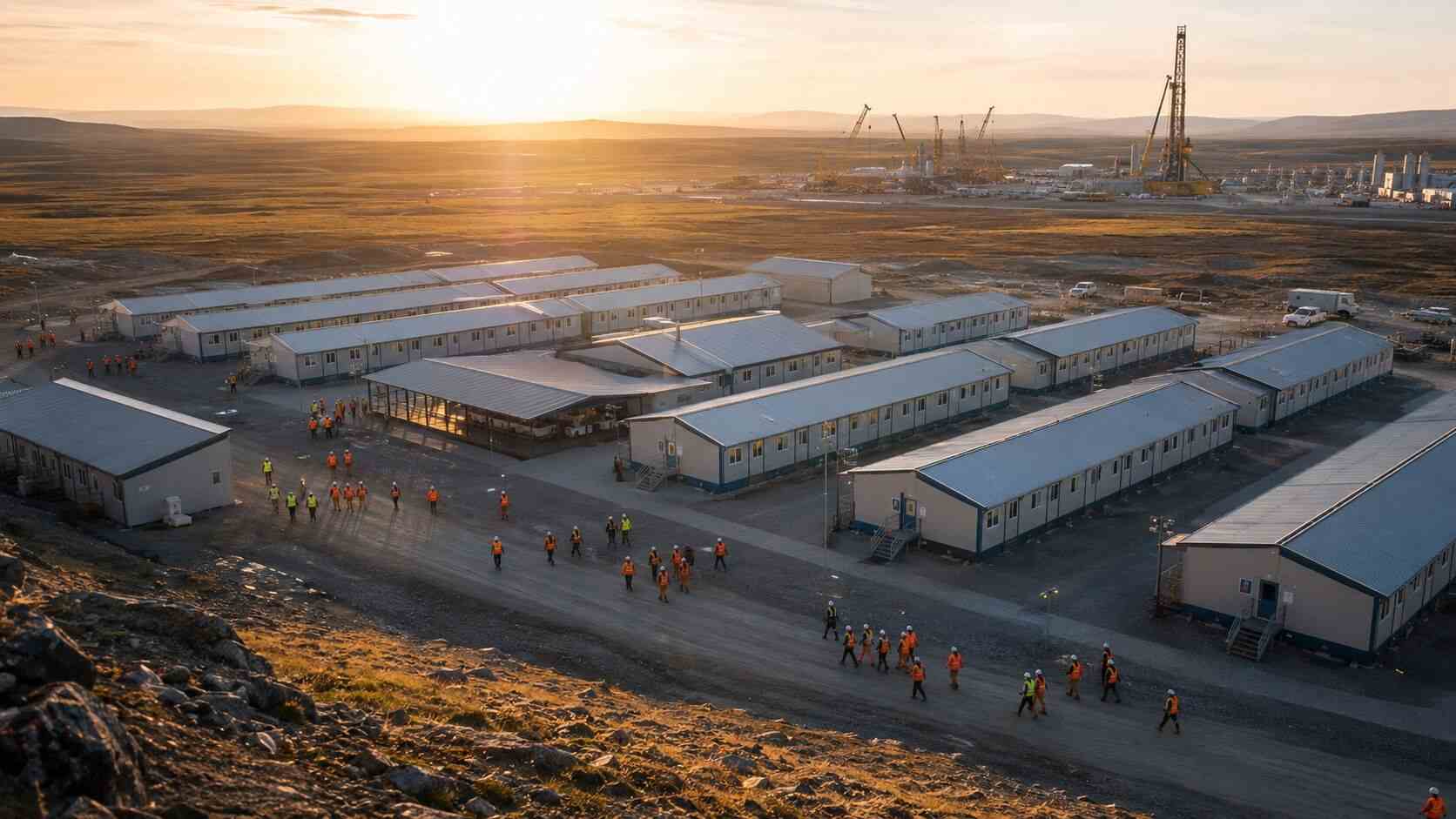
Large industrial projects are often located in remote areas where accommodation must be delivered quickly and efficiently. Modular workforce housing allows building modules to be manufactured in factories before transportation and installation on site, reducing construction time and minimizing site disruption.
These solutions are widely used for mining camps, oil and gas developments, renewable energy projects, transportation infrastructure, and other large construction programs. As project owners seek faster deployment and better living conditions for workers, modular accommodation continues to gain wider acceptance across global markets.
Frequently Asked Questions (FAQ)
Q1: Why is modular workforce accommodation becoming more popular?
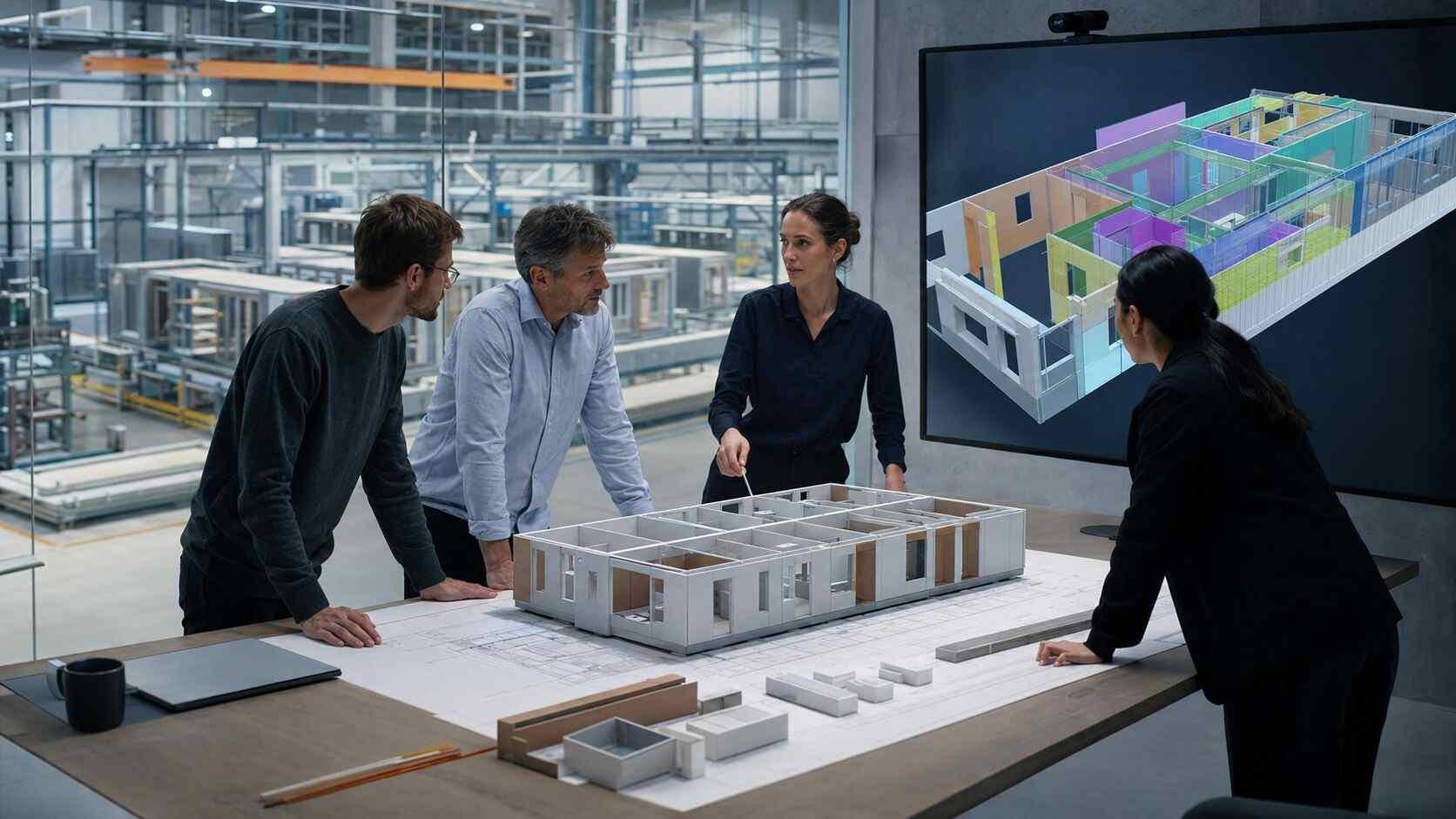
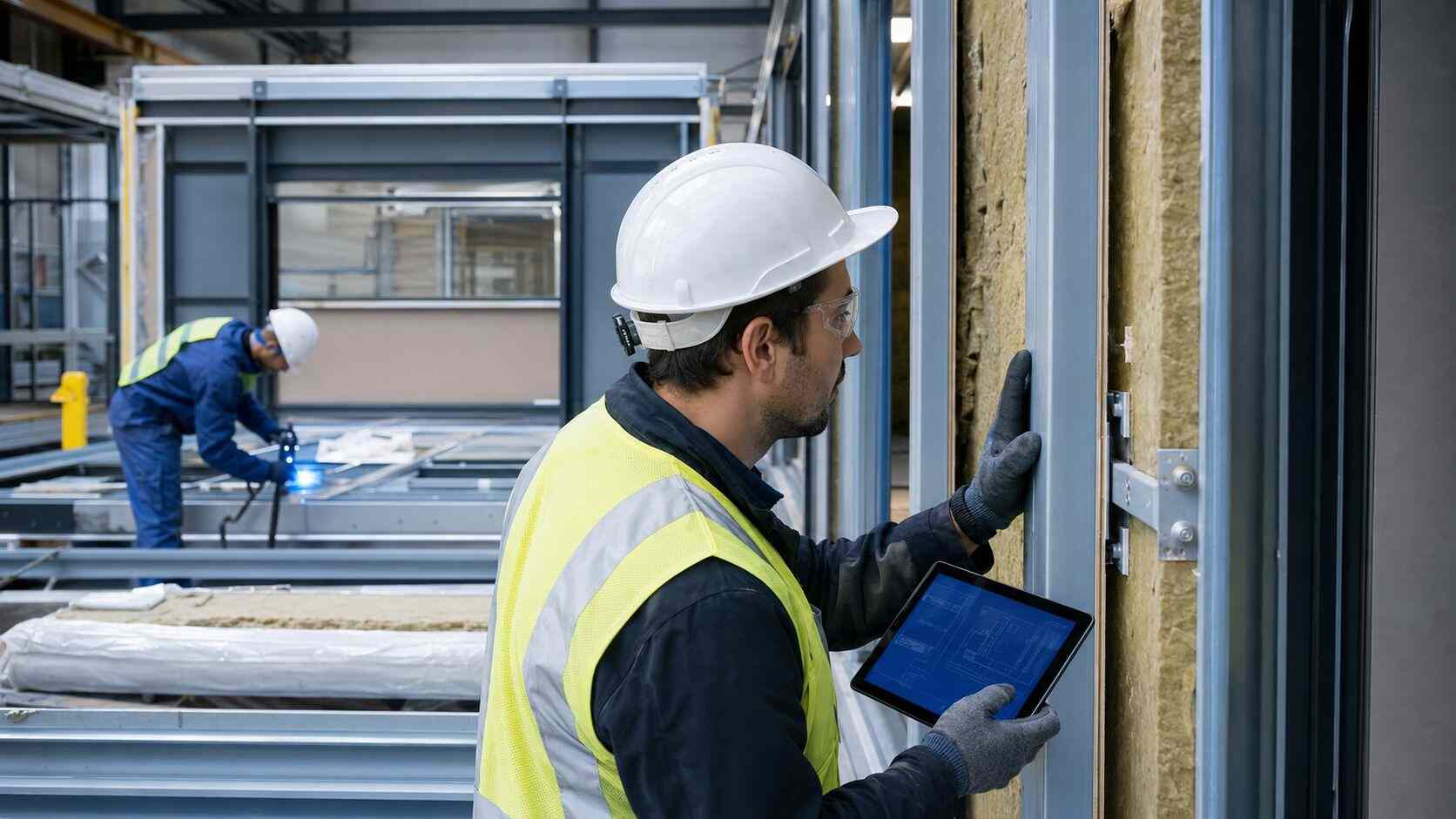
Modular workforce accommodation allows project owners to provide housing in a much shorter time than traditional construction. Factory production improves efficiency, while on-site installation is faster and less dependent on weather conditions. This approach also helps maintain consistent quality across multiple accommodation units.
Q2: Which industries commonly use modular workforce accommodation?
Mining, oil and gas, renewable energy, infrastructure construction, transportation, and large industrial projects frequently use modular accommodation. These sectors often require temporary or semi-permanent housing in remote locations where rapid deployment is essential.
Q3: What should buyers consider when selecting a modular accommodation supplier?
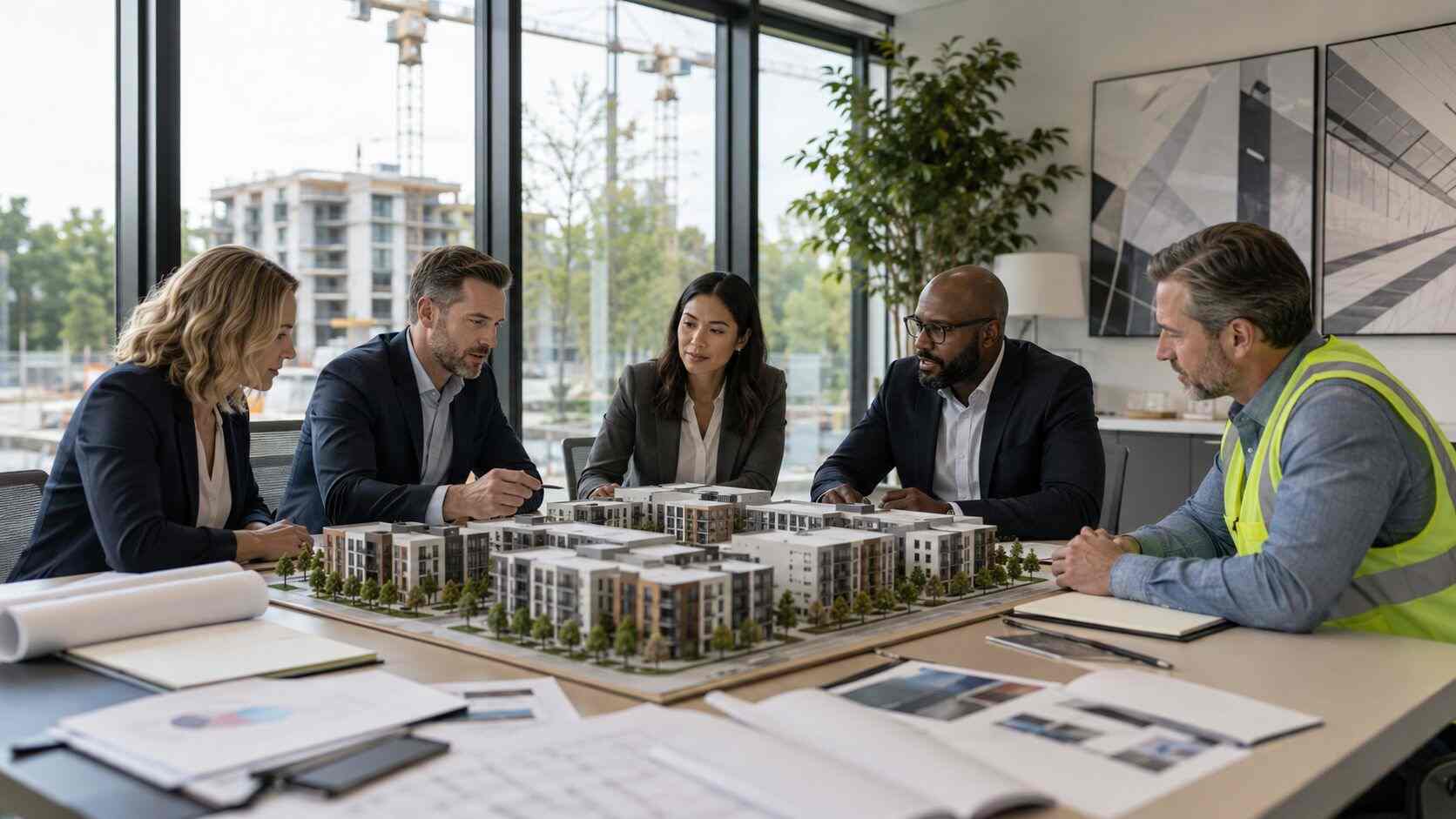
Buyers should review manufacturing capacity, engineering support, compliance with local building regulations, insulation performance, fire safety, transportation planning, installation capability, and after-sales service. Experience with international projects is also an important advantage.
Q4: What are the future trends for modular workforce housing?
Future development is expected to focus on energy-efficient designs, smart building management, sustainable materials, digital engineering, and flexible layouts that can be expanded, relocated, or reconfigured as project requirements change.