Modular Hotel Construction Expands as Fast Delivery Supports Global Hospitality Development
Modular Building Institute (MBI)
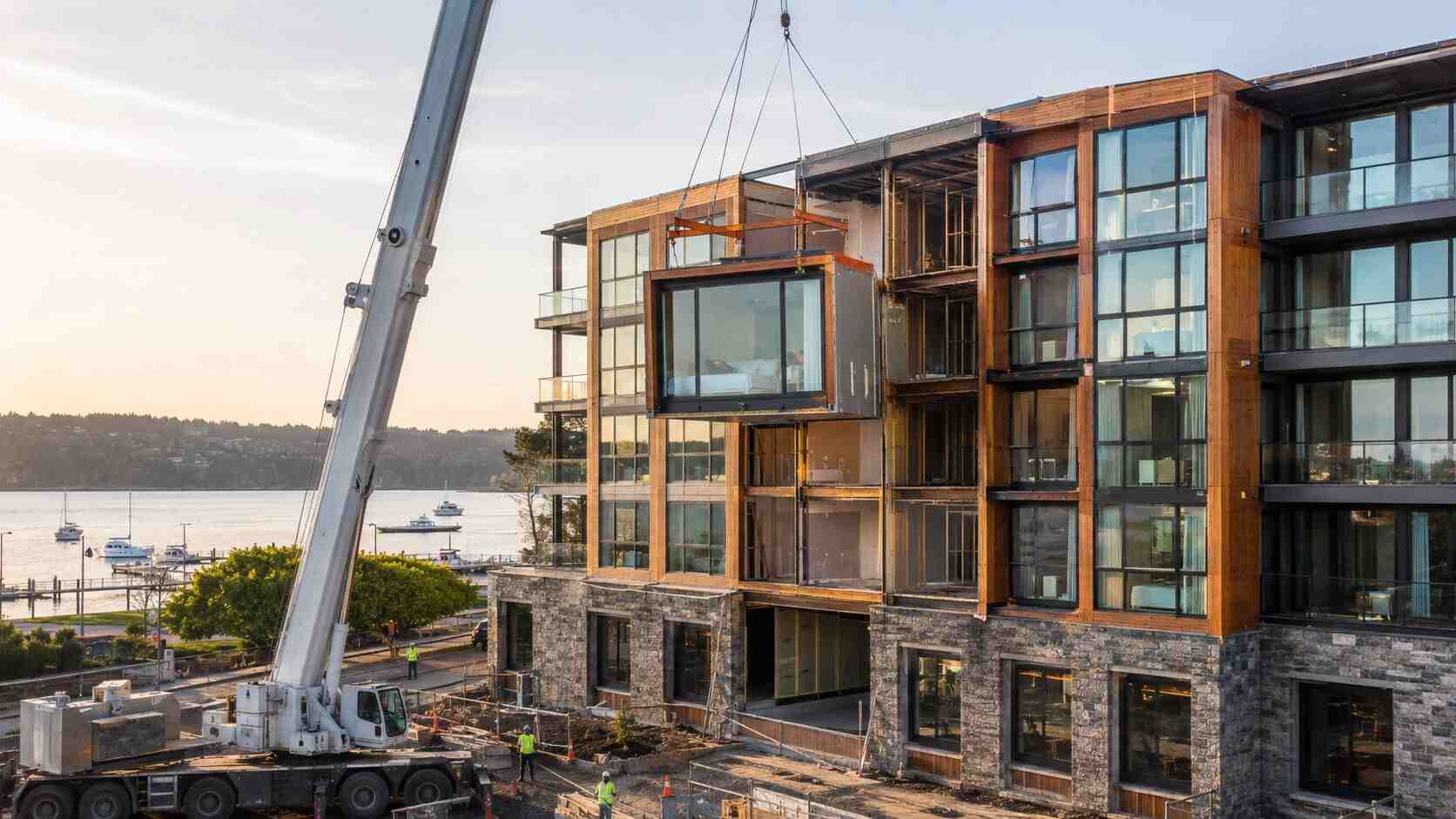
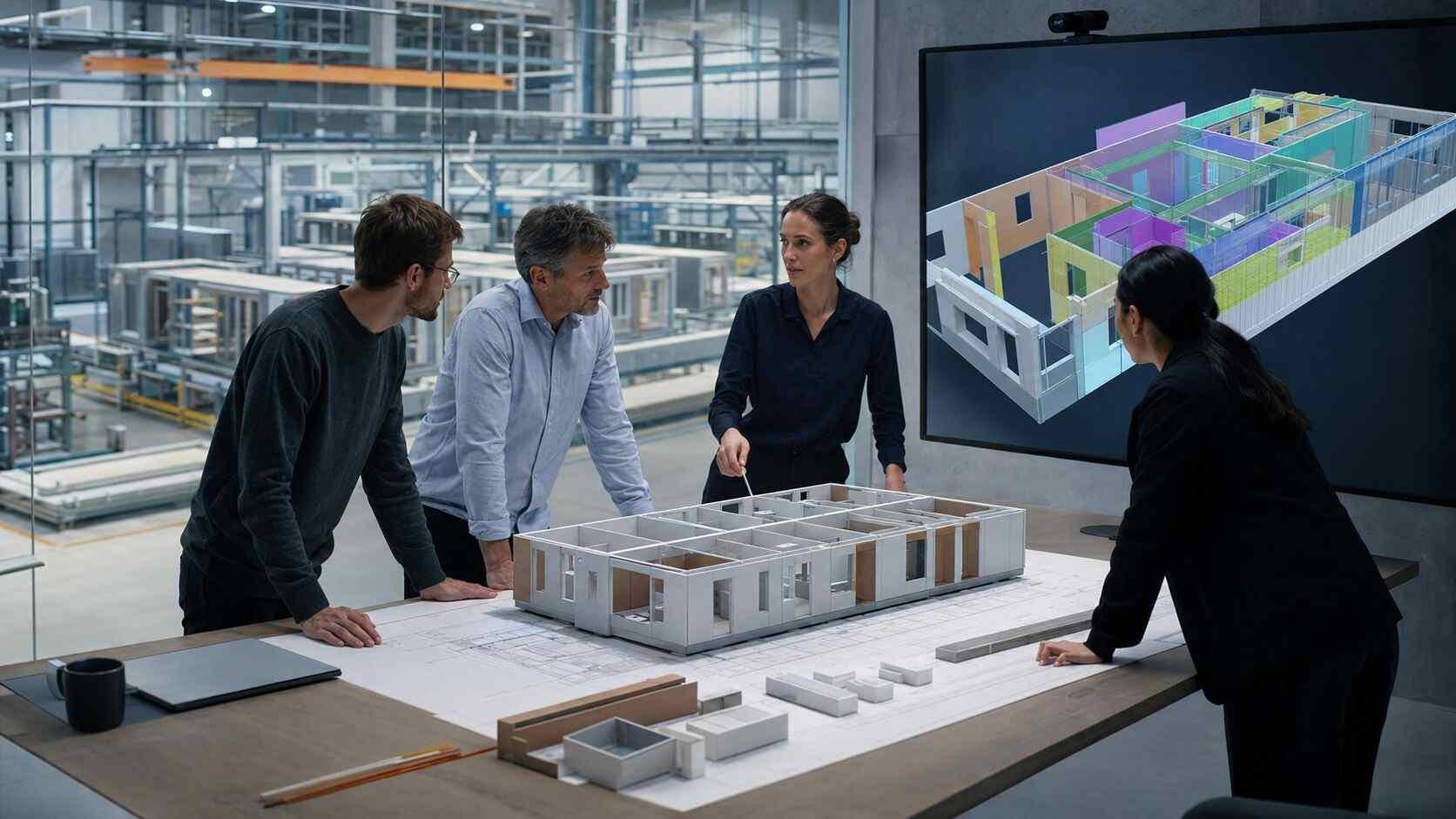
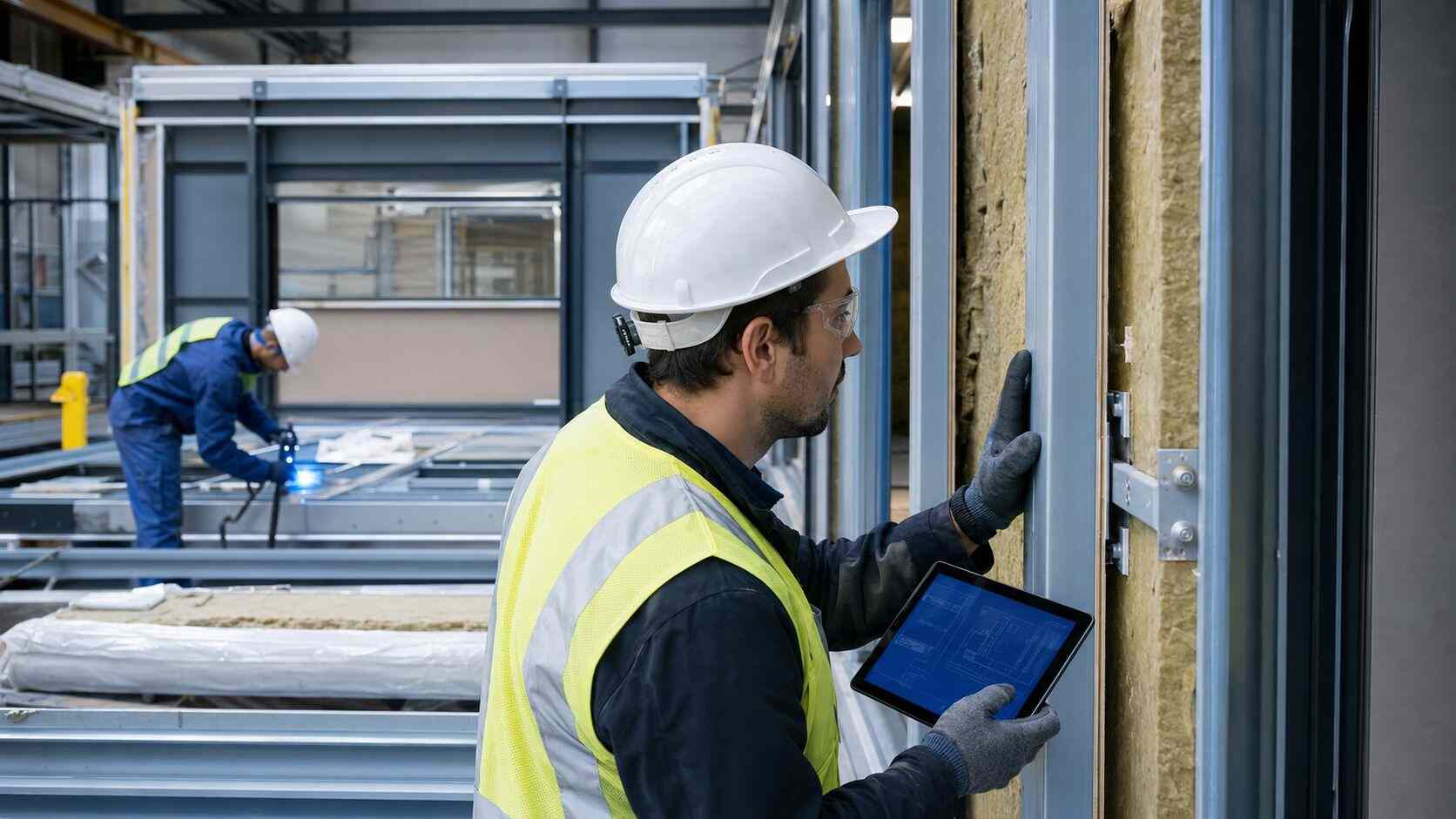
Hospitality projects often require fast delivery, predictable quality, and efficient investment returns. Traditional hotel construction can take significant time, while modular construction allows guest rooms, structural systems, and interior components to be manufactured in factories before being transported and installed on site.
Modular hotels are especially suitable for projects with standardized room layouts, including chain hotels, business hotels, resorts, and extended-stay accommodation. Factory production helps improve quality consistency while reducing on-site construction activities, environmental impact, and project management challenges.
As tourism markets evolve and development costs increase, more developers are exploring flexible and efficient construction methods. Modular solutions can support faster opening schedules while also allowing future expansion and adaptation of hospitality facilities.
Frequently Asked Questions (FAQ)
Q1: Why are hotel developers increasingly choosing modular construction?
Hotel developers are increasingly choosing modular construction because faster project completion can directly improve investment returns. Modular methods allow many construction activities to happen simultaneously in factories and on-site, reducing overall schedules and providing greater control over project delivery.
Q2: What types of hospitality projects are suitable for modular construction?
Modular construction is suitable for chain hotels, resorts, boutique hotels, serviced apartments, student accommodation, workforce housing, and other projects with repeated room layouts. Standardized designs allow manufacturers to improve efficiency while maintaining quality.
Q3: What should international buyers consider when purchasing modular hotel buildings?
Buyers should evaluate manufacturing experience, engineering capability, building code compliance, room module design, transportation planning, installation support, and long-term maintenance requirements. Reliable suppliers should understand both construction standards and hospitality project needs.
Q4: What is the future outlook for modular hotel construction?
The future of modular hotel construction is expected to focus on sustainable materials, smart manufacturing, digital design, energy efficiency, and flexible building systems. As global tourism infrastructure continues expanding, modular hotels are likely to become a more common development solution.