Modular Construction Expands into Data Center Projects with Faster and More Efficient Delivery
Modular Building Institute (MBI)
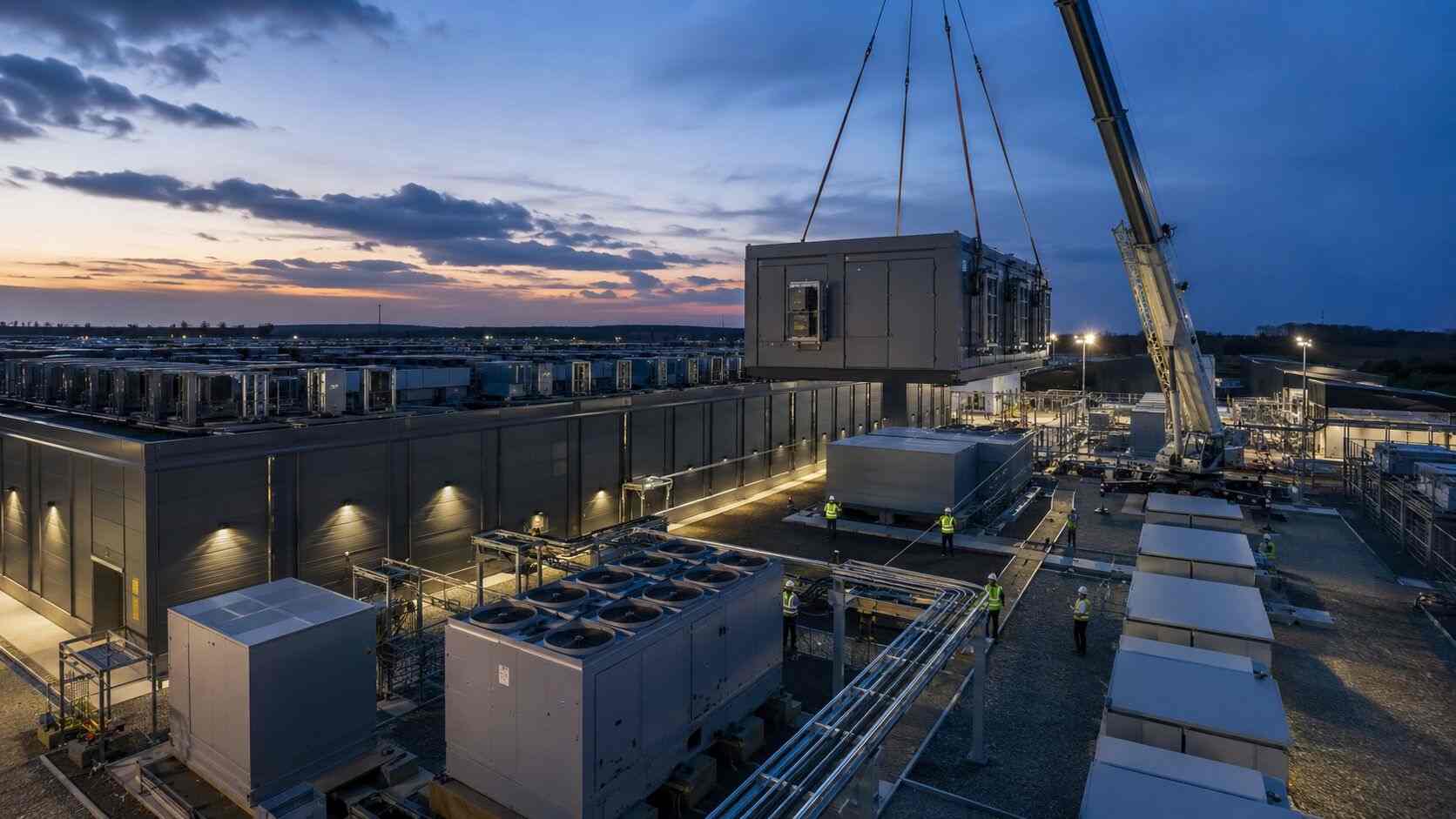
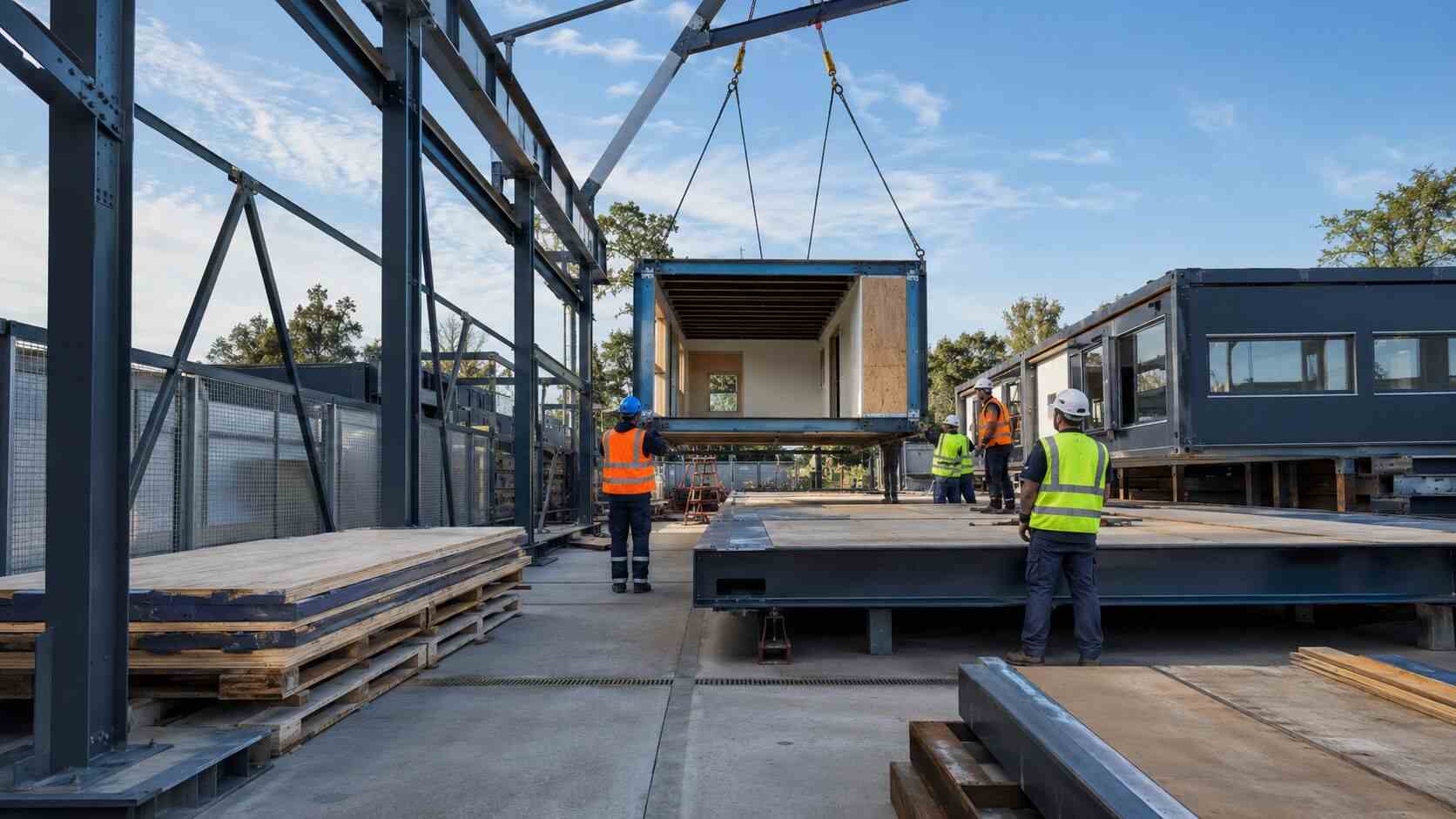
Data center developments require reliable construction methods that support precise installation and predictable project schedules. Modular construction enables structural units and selected building systems to be manufactured off-site before final assembly, reducing on-site work and improving delivery efficiency.
In addition to server buildings, modular solutions can also be used for technical rooms, administration offices, power support facilities, and other operational spaces. As investment in digital infrastructure continues to grow, modular construction is becoming an increasingly attractive option for scalable projects.
Frequently Asked Questions (FAQ)
Q1: Why is modular construction suitable for data center projects?
Modular construction allows many building components to be completed before arriving on site, helping reduce construction time while maintaining consistent manufacturing quality. This approach is particularly valuable for projects that require rapid deployment and high levels of coordination.
Q2: Which parts of a data center can be modular?
Modular methods can be applied to equipment rooms, technical buildings, administration offices, utility spaces, maintenance facilities, and other supporting structures. The exact application depends on project design and local engineering requirements.
Q3: What should international buyers evaluate when selecting a modular supplier for digital infrastructure projects?
Buyers should consider manufacturing capability, engineering experience, quality management systems, logistics planning, compliance with local regulations, and the supplier's ability to coordinate complex technical projects.
Q4: What does this trend mean for the future of modular construction?
The continued expansion of AI, cloud services, and digital infrastructure is expected to create new opportunities for modular construction. Manufacturers that invest in digital engineering, efficient production, and international project delivery are likely to be well positioned for future growth.