European Modular Construction Market Advances Through International Collaboration and Innovation
Modular Building Institute (MBI)
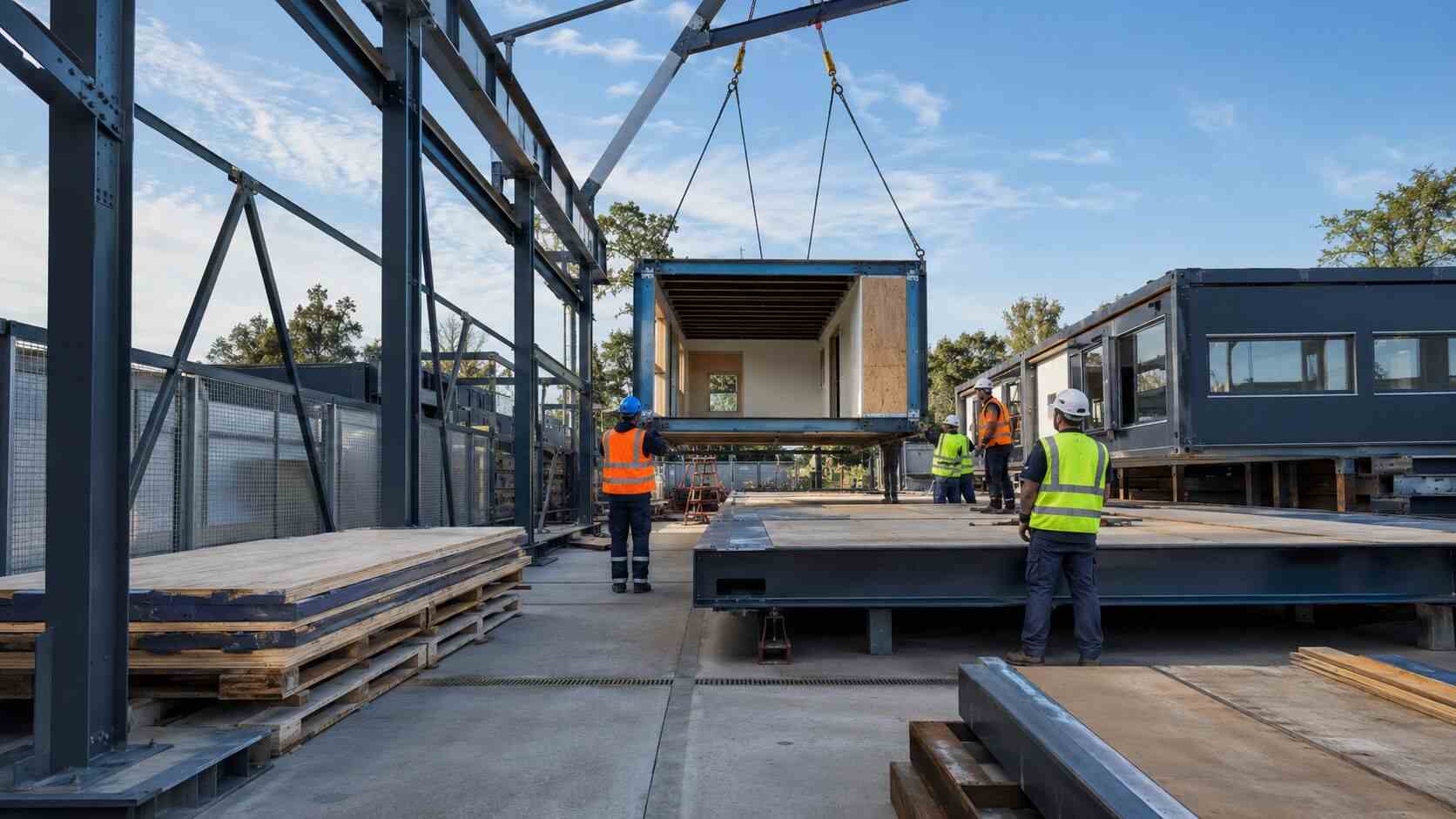
Across Europe, governments and construction companies continue investing in industrialized building methods to improve productivity, reduce environmental impact, and address skilled labor shortages. Modular construction has become an important solution for residential, healthcare, education, hospitality, and public infrastructure projects due to its speed, quality consistency, and efficient use of resources.
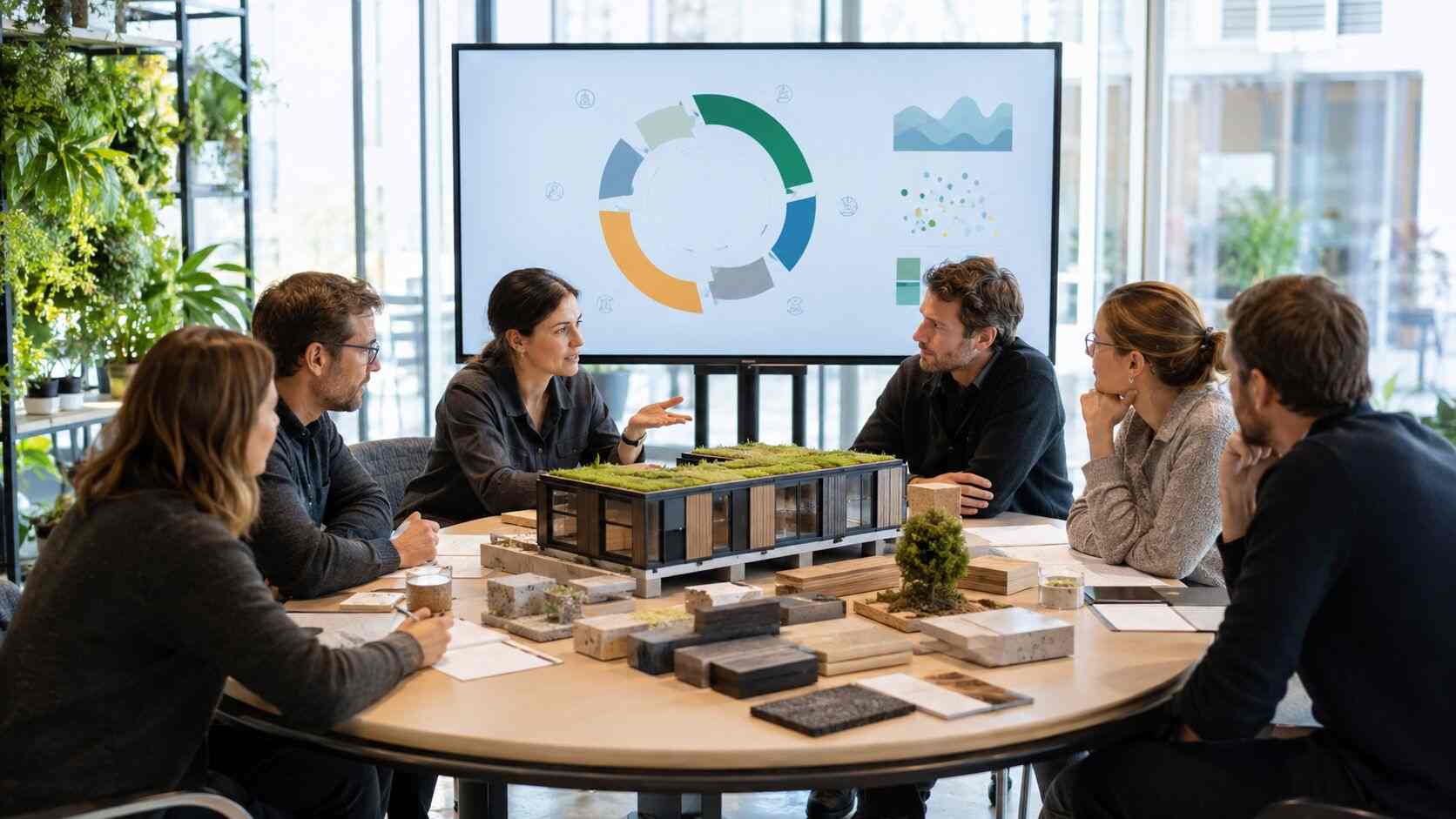
Industry conferences also emphasize the importance of international collaboration. Manufacturers, engineers, architects, and project developers are working together to improve BIM implementation, automated manufacturing, logistics coordination, and regulatory alignment across different markets.
Looking ahead, continued innovation, harmonized standards, and sustainable construction practices are expected to strengthen the role of modular construction throughout Europe.
Q1: Why is modular construction growing in Europe?
European countries are investing in faster, more sustainable building methods to address housing demand, labor shortages, and environmental goals. Modular construction helps improve efficiency while reducing waste and construction time.
Q2: Which sectors are driving demand?
Residential housing, healthcare facilities, schools, hotels, student accommodation, and public infrastructure remain among the strongest application areas for modular construction across Europe.
Q3: What opportunities does the European market offer international suppliers?
International suppliers with experience in quality manufacturing, regulatory compliance, engineering support, and sustainable building solutions may find opportunities to participate in European modular construction projects through partnerships and export activities.
Q4: What are the future trends?
Future development is expected to focus on digital engineering, automated manufacturing, low-carbon construction, standardized building systems, and stronger international collaboration across the modular construction industry.