Modular Construction Accelerates Airport Infrastructure Expansion with Flexible Building Solutions
Airport Technology
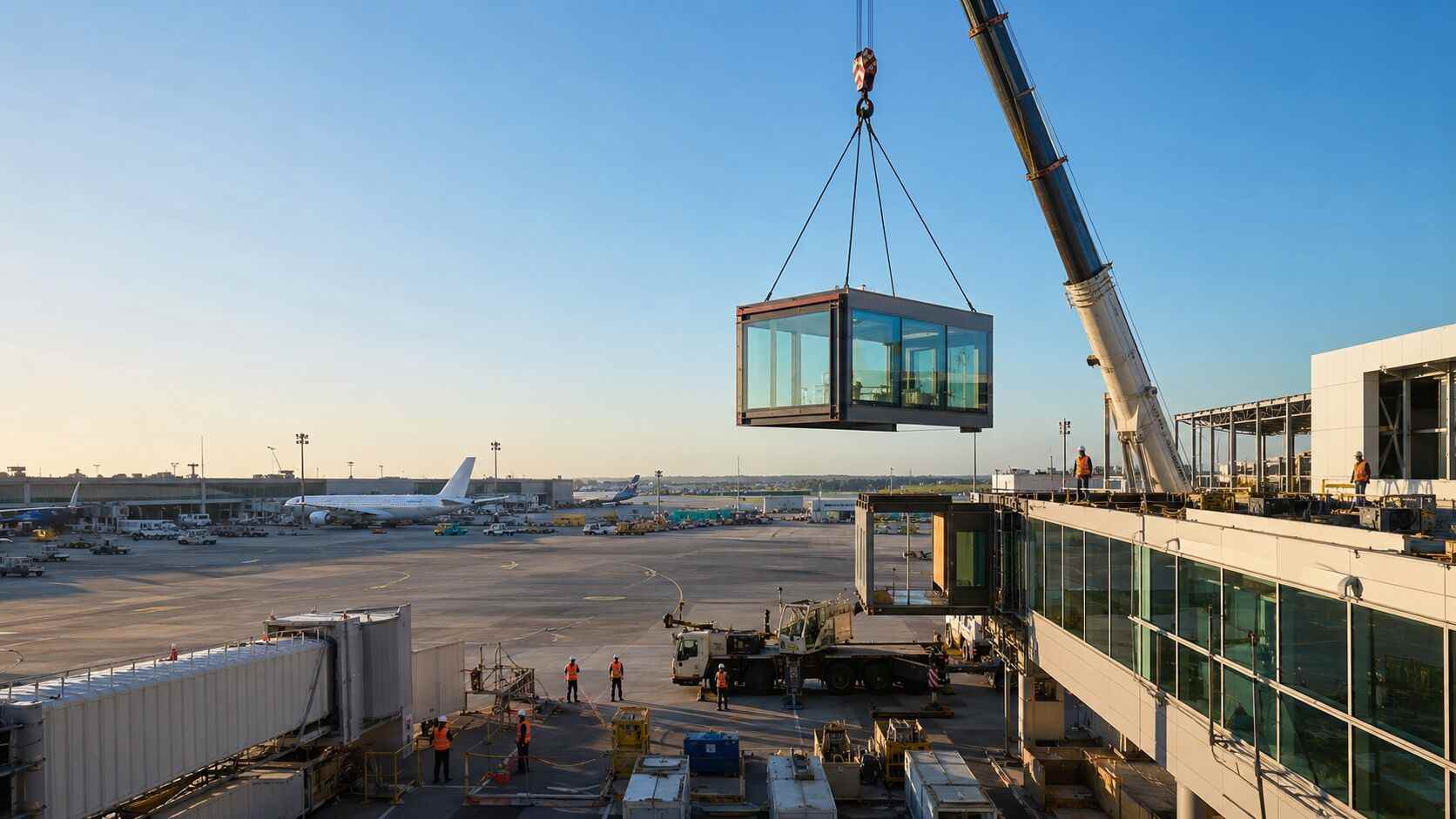
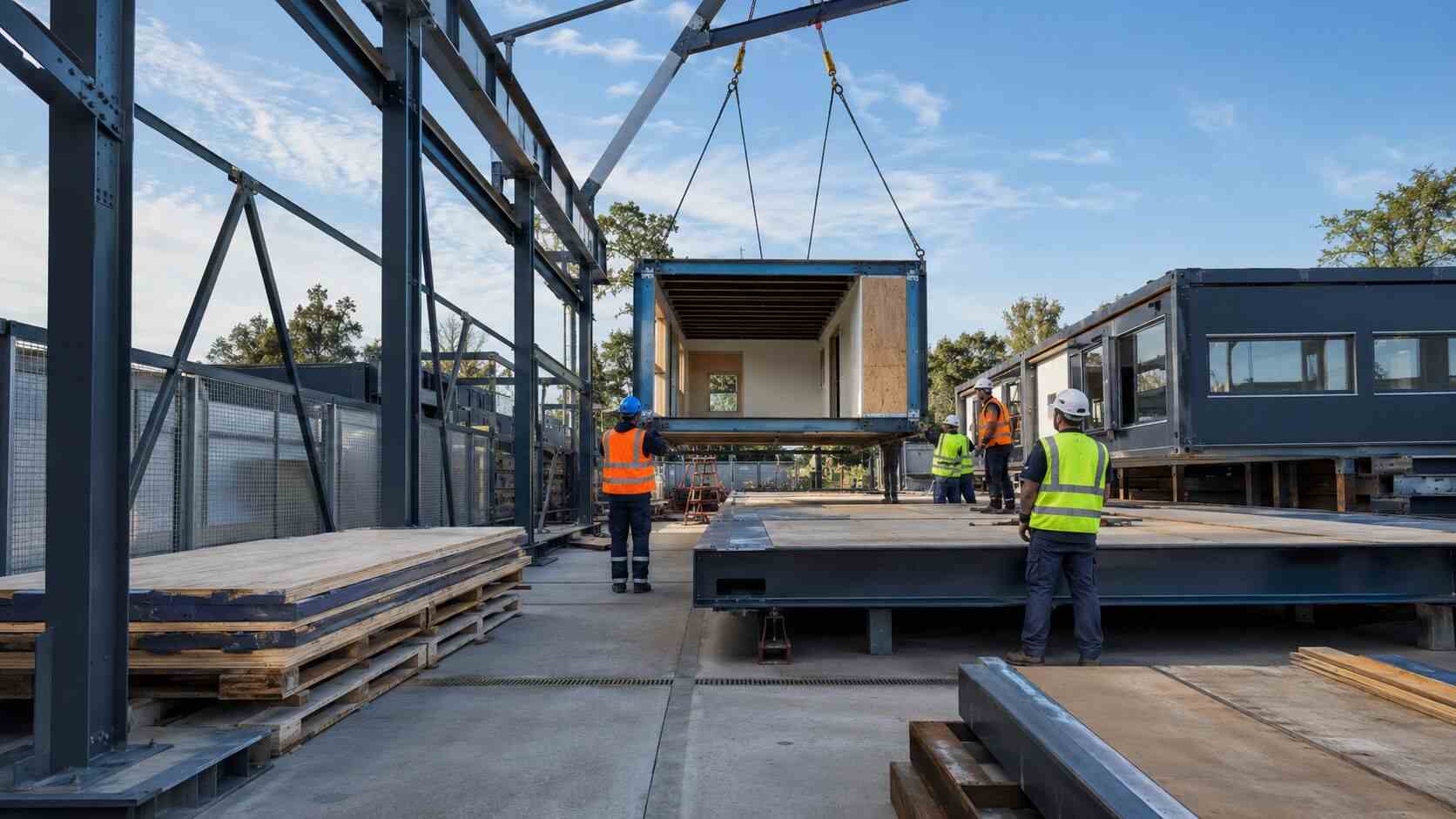
Airport construction projects often require new facilities to be delivered while daily operations continue without interruption. Modular construction supports this objective by manufacturing building components off-site and completing installation within a shorter time frame.
Applications include administration offices, security checkpoints, equipment buildings, passenger support facilities, maintenance spaces, and temporary operational structures. As airports expand to meet increasing passenger demand, modular construction offers a practical solution that combines speed, flexibility, and quality.
Frequently Asked Questions (FAQ)
Q1: Why is modular construction suitable for airport projects?
Airport projects often have strict construction schedules and limited working areas. Modular construction reduces on-site activities by completing much of the work in factories, helping airports maintain normal operations while new facilities are installed efficiently.
Q2: Which airport facilities can be built using modular construction?
Modular methods can be used for terminal support buildings, administration offices, security facilities, maintenance buildings, technical rooms, passenger service areas, and temporary operational spaces. The approach is suitable for both permanent and temporary applications.
Q3: What should airport project owners consider when selecting a modular supplier?
Project owners should assess engineering capability, compliance with aviation and local building regulations, manufacturing quality, logistics planning, installation experience, and the supplier's ability to deliver projects within tight operational schedules.
Q4: What is the future outlook for modular airport infrastructure?
As airports continue investing in modernization and capacity expansion, modular construction is expected to play a larger role in delivering support facilities quickly and efficiently. Advances in digital engineering, prefabrication, and sustainable building technologies will further increase its adoption.