European Zero-Energy Mobile Building Project Reports an 85%–90% Reduction in Energy Use
LIFE Zero Energy Mod: Cutting Energy Use in Mobile Buildings
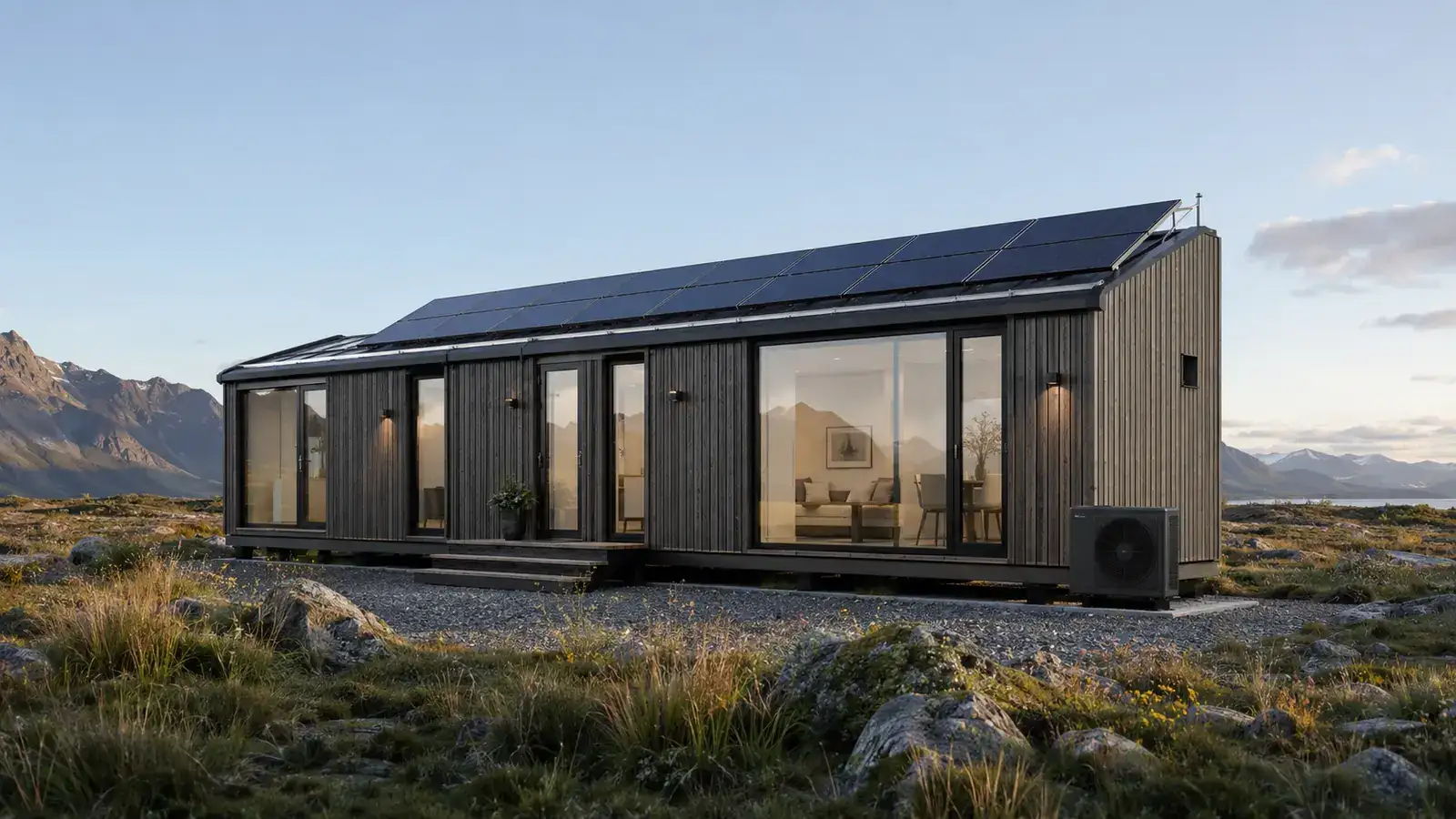
Question 1: How does a zero-energy mobile building differ from a conventional mobile unit?
Conventional mobile buildings often focus on transportability and rapid installation. A zero-energy mobile building must also minimise operational energy demand. Its walls, roof, floor, doors and windows need to form a continuous insulated and airtight envelope.
Solar generation, battery storage, heat-recovery ventilation and efficient heating or cooling systems may then be integrated to improve energy independence.
Question 2: Why is factory production suitable for energy-efficient construction?
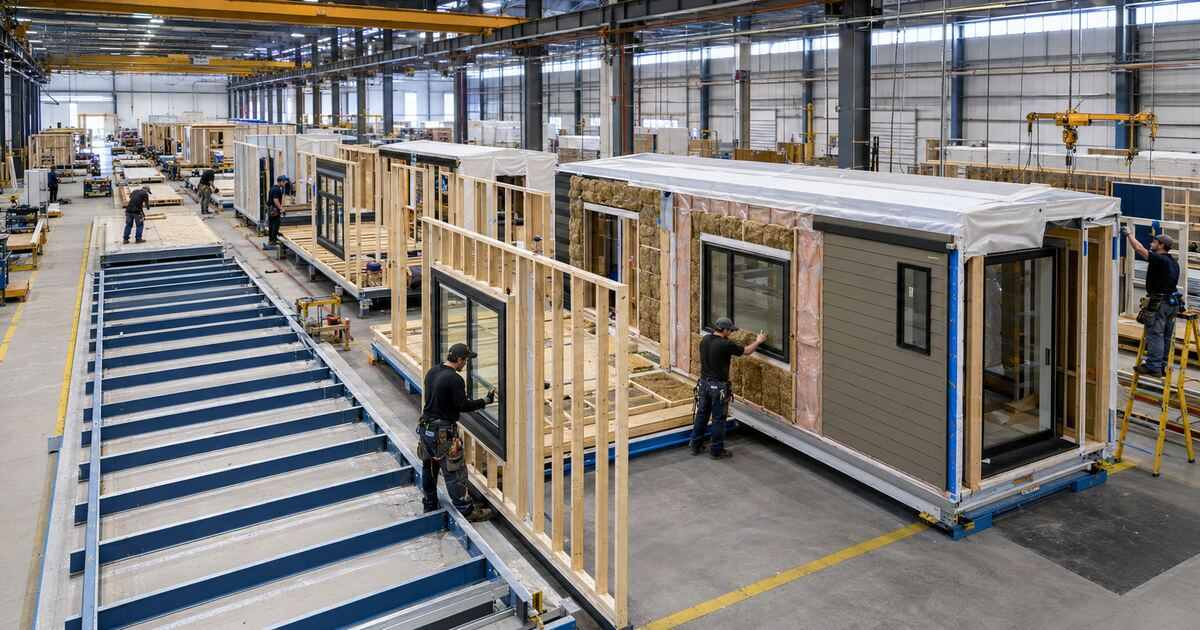
High-performance buildings require accurate insulation installation, sealed joints and consistent workmanship. A controlled factory environment makes material inspection and performance testing easier while reducing the effects of rain, dust and changing site conditions.
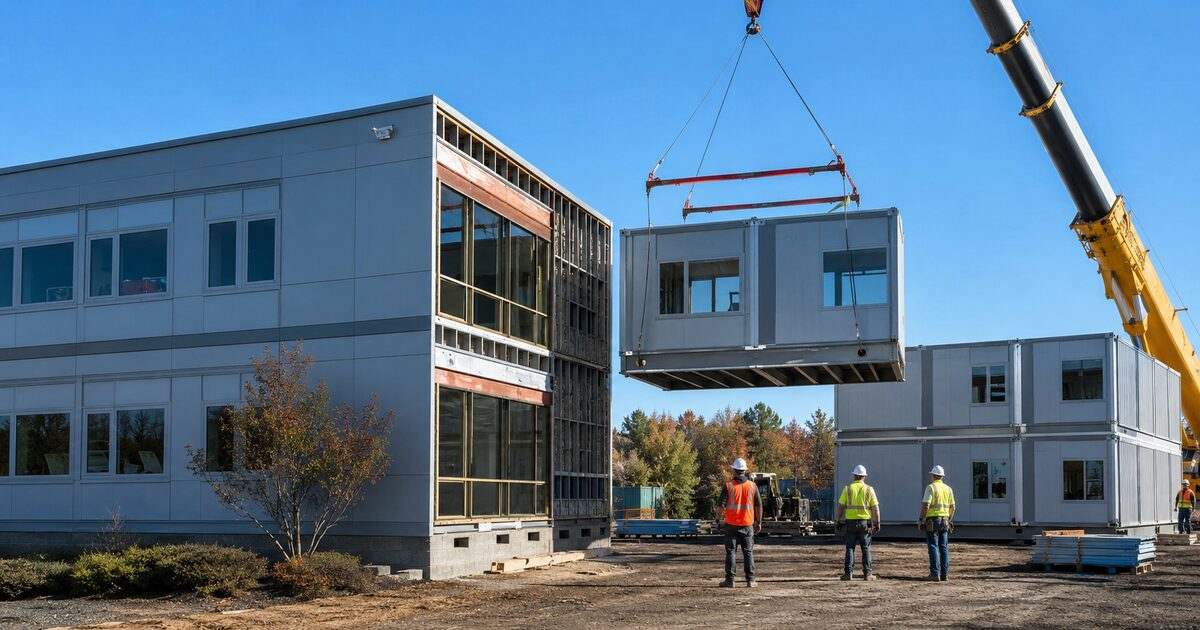
Connections between modules remain important after delivery. Transport, lifting and assembly can create gaps or thermal bridges, so on-site sealing and final inspection are still necessary.
Question 3: Where can these buildings be used?
Energy-efficient mobile buildings are suitable for remote workforce camps, medical stations, research facilities, temporary offices, emergency accommodation and areas with limited infrastructure. In very hot, cold or energy-constrained locations, lower energy demand can reduce generator fuel consumption and long-term operating costs.
We believe the mobile building market is shifting from initial purchase price toward whole-life cost. Building-envelope performance, energy consumption and equipment maintenance will become increasingly important evaluation criteria in international projects.