Modular Construction Supports the Expansion of Electric Vehicle Charging Infrastructure
International Energy Agency (IEA)
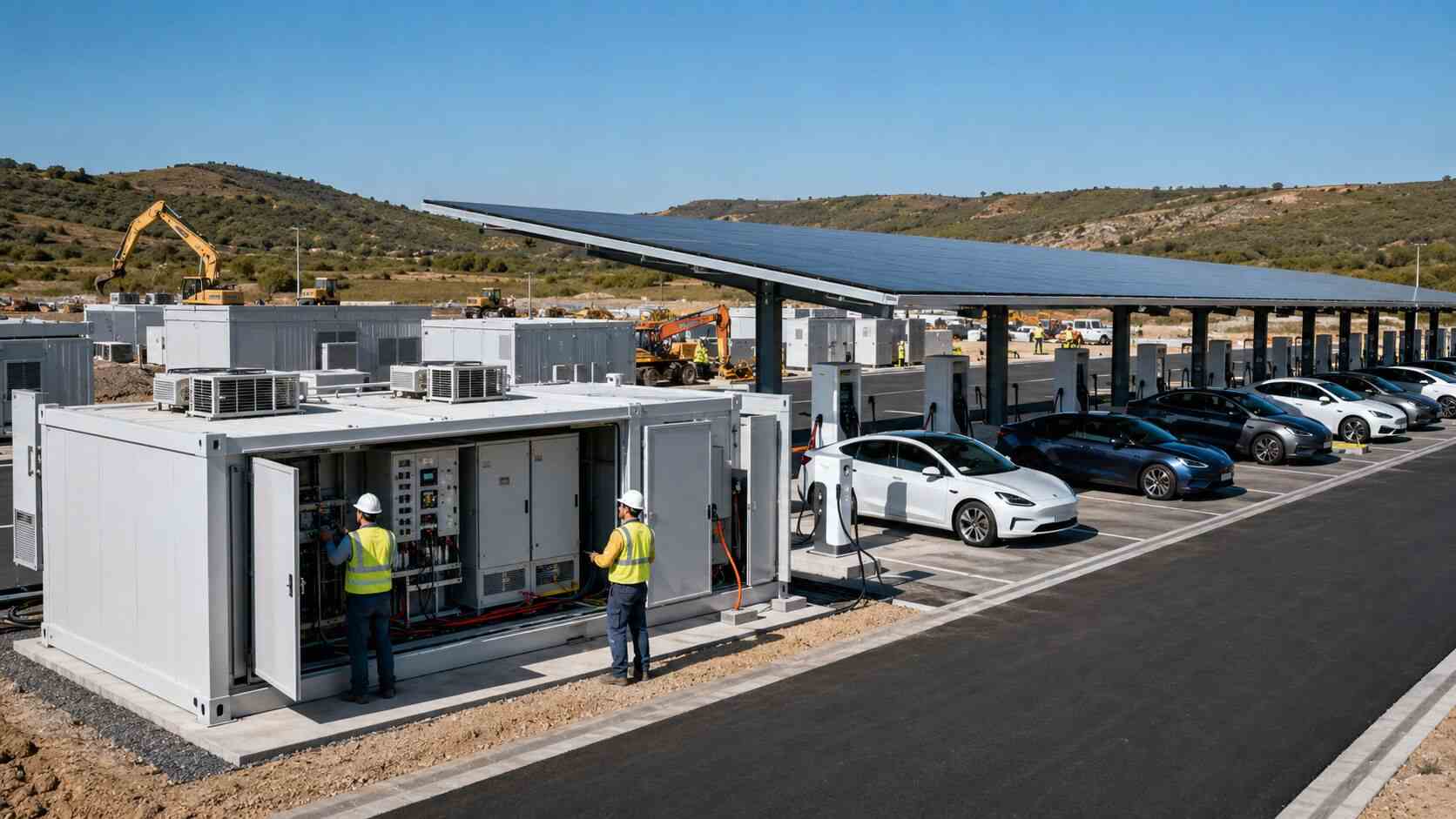
Modern EV charging stations require much more than charging equipment. Supporting infrastructure often includes electrical substations, switchgear rooms, energy management systems, monitoring centers, maintenance workshops, administration offices, and customer service facilities. These buildings are essential for ensuring safe, reliable, and efficient charging operations.
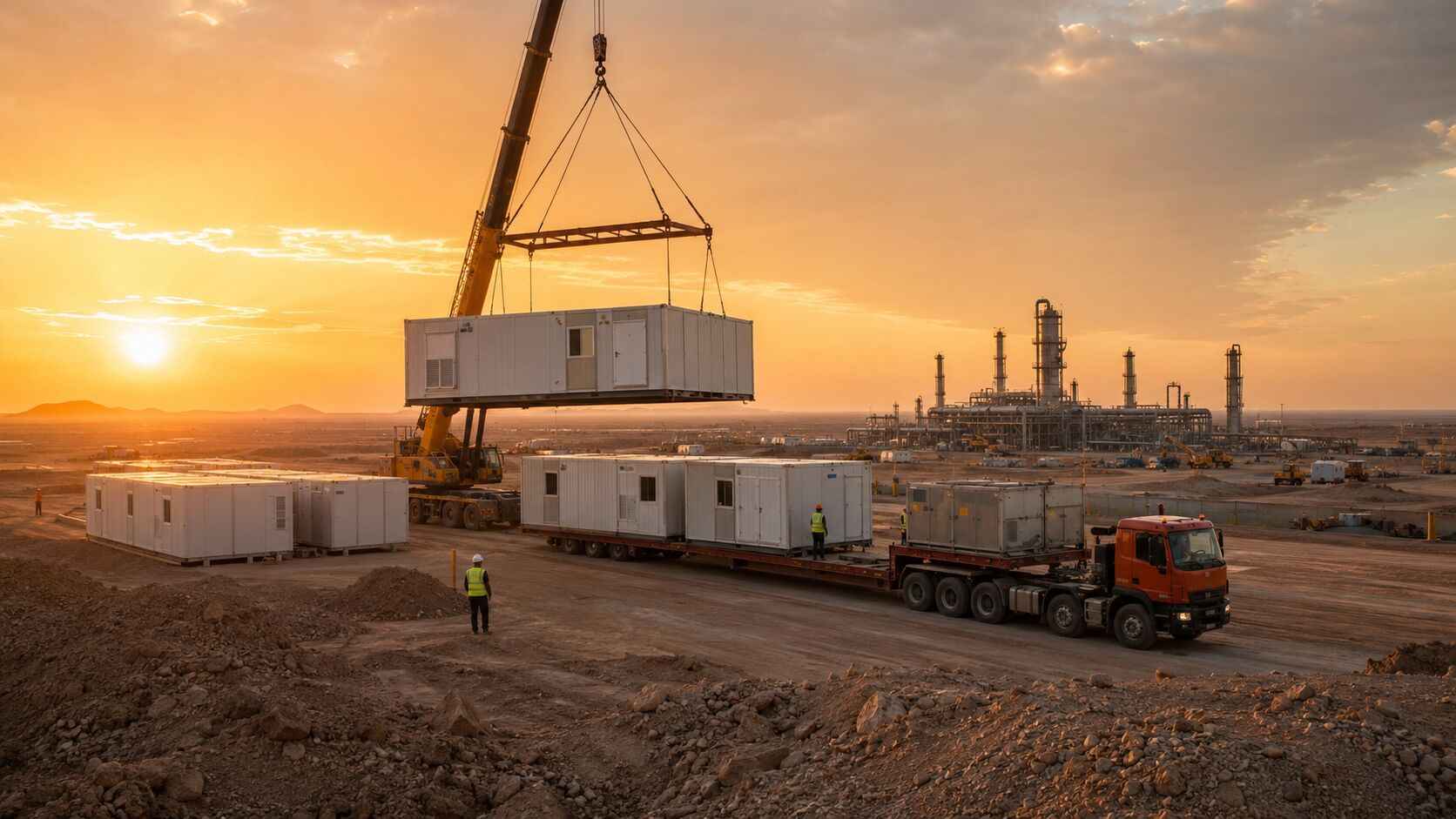
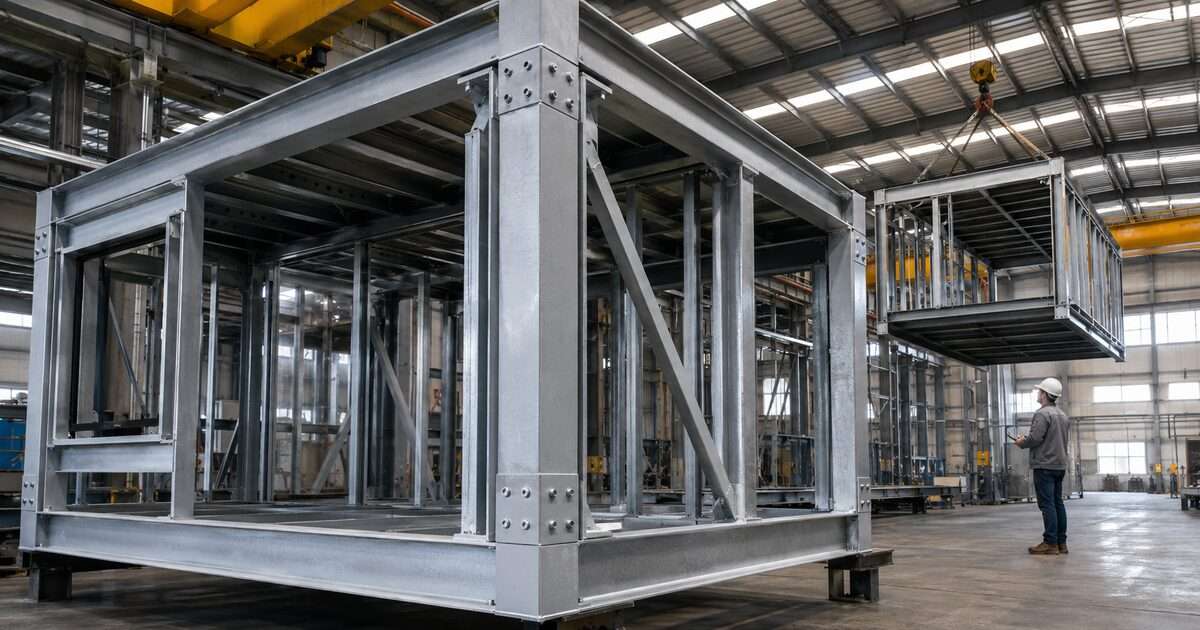
Modular construction allows support buildings to be manufactured in controlled factory environments while site preparation and electrical installation proceed simultaneously. This parallel workflow helps reduce project timelines, improve quality consistency, and simplify future expansion as charging demand grows.
As ultra-fast charging, battery energy storage systems, solar integration, and smart energy management become more common, EV charging hubs are evolving into multi-functional energy service centers. Modular construction provides the flexibility needed to accommodate changing technologies and future infrastructure upgrades.
Frequently Asked Questions (FAQ)
Q1: Why is modular construction suitable for EV charging infrastructure?
Charging projects often require rapid deployment across multiple locations. Modular construction shortens installation time, improves quality consistency, and allows standardized support facilities to be replicated efficiently.
Q2: Which facilities can be delivered using modular construction?
Common applications include electrical equipment buildings, switchgear rooms, control centers, maintenance workshops, operations offices, customer service buildings, and security facilities.
Q3: What do international buyers usually evaluate?
Buyers typically assess structural durability, electrical integration, fire protection, weather resistance, energy efficiency, transportation logistics, quality management, and compliance with local electrical and construction standards.
Q4: What are the future trends?
Future developments are expected to include ultra-fast charging hubs, renewable energy integration, battery energy storage systems, AI-powered energy management, smart monitoring platforms, and modular charging infrastructure for heavy-duty vehicles.