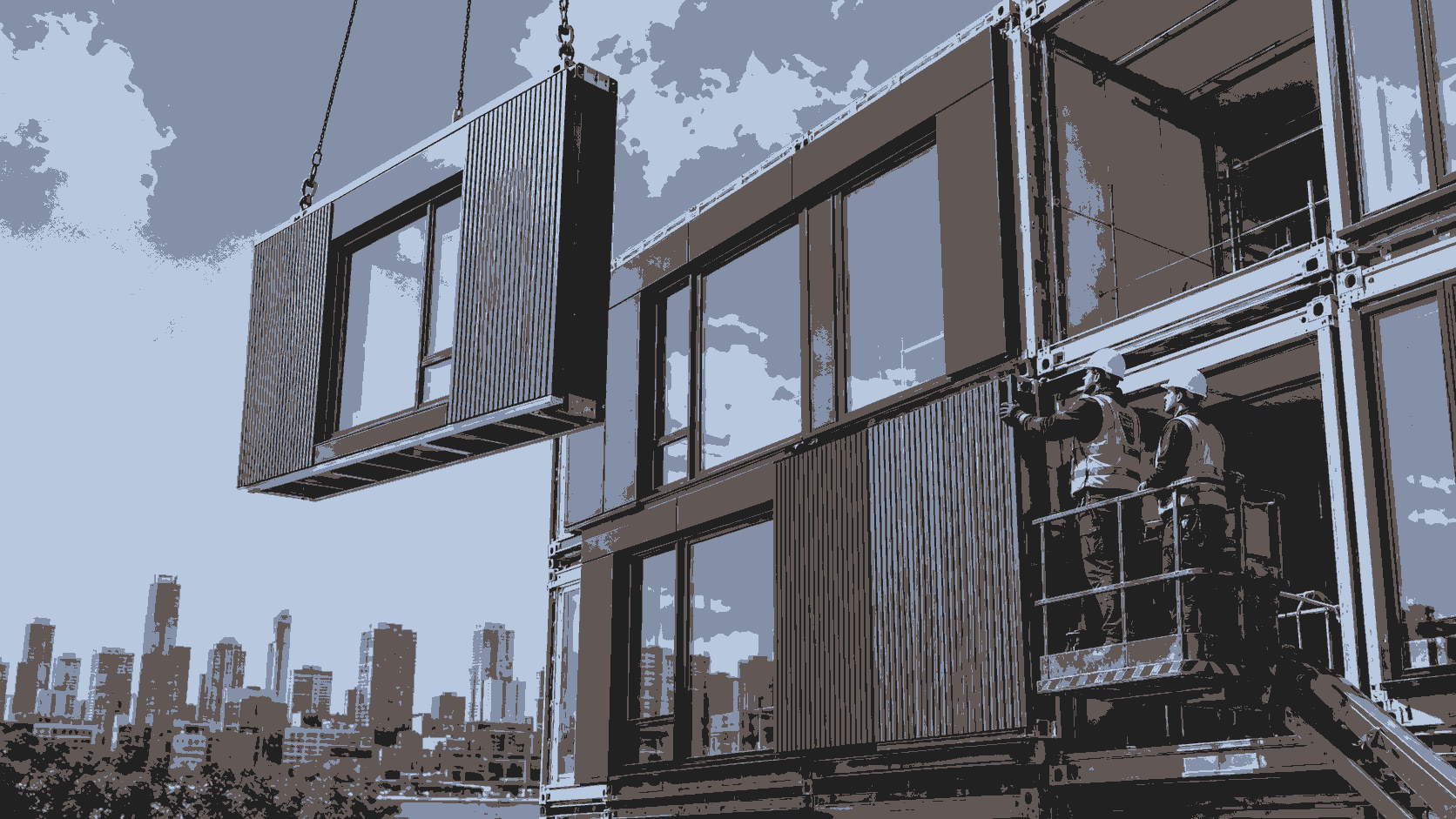
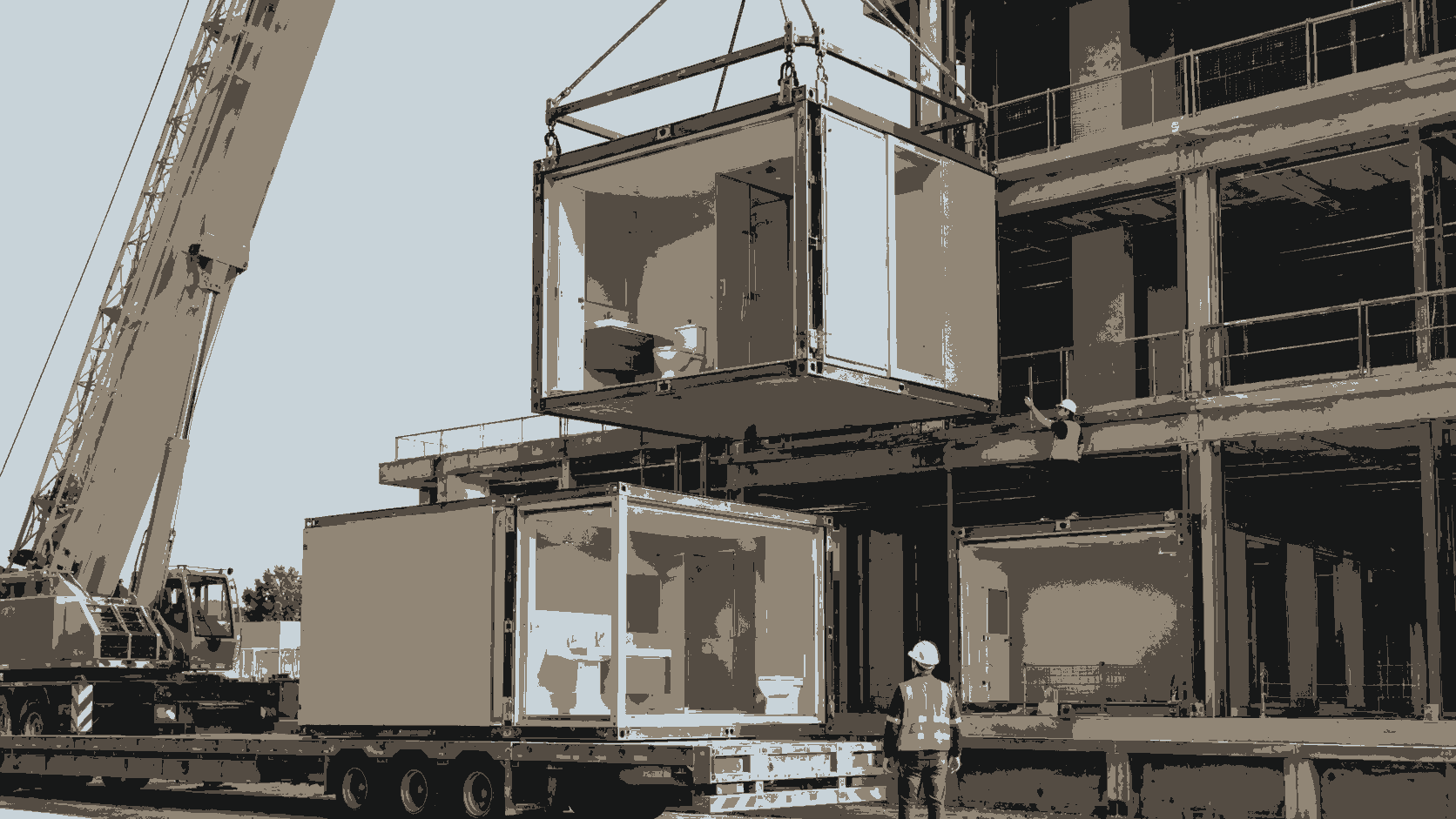
Why Is Steel Commonly Used in Modular Buildings? Understanding the Advantages of Steel Structures
American Institute of Steel Construction (AISC)
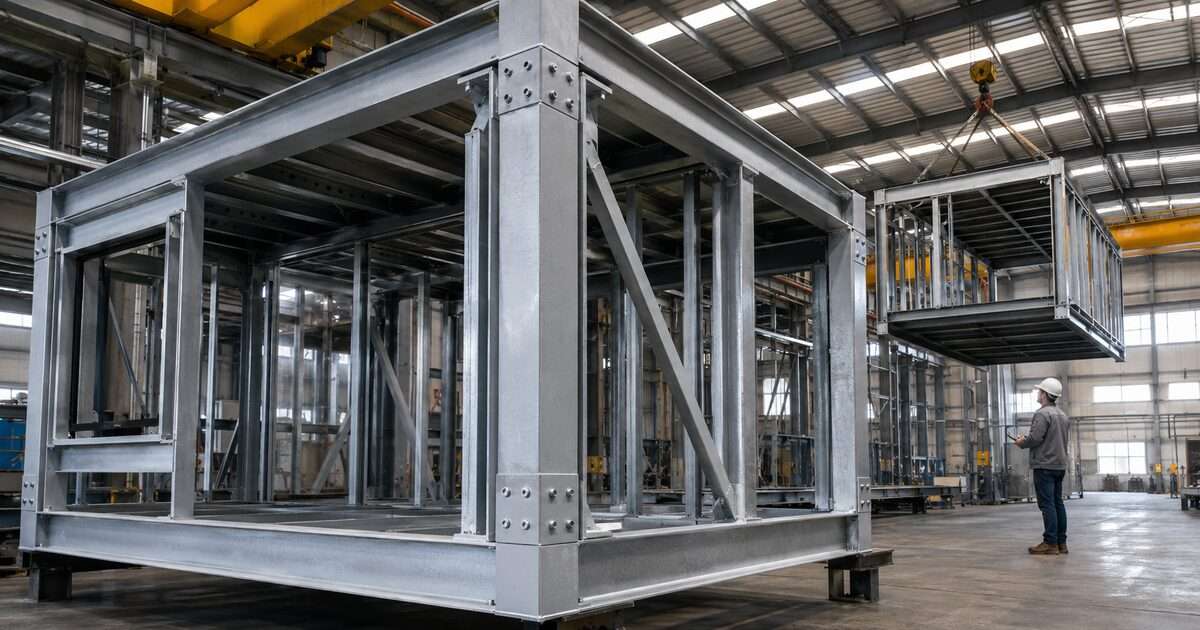
Structural steel offers several engineering advantages for modular construction projects.
Strength and Load Capacity
Steel provides a high strength-to-weight ratio, allowing engineers to design structures for a wide range of loading conditions.
Factory Fabrication
Steel components can be cut, welded, drilled, and assembled efficiently in controlled manufacturing environments.
Dimensional Accuracy
Consistent fabrication processes help achieve accurate dimensions, supporting efficient module assembly and installation.
Transportation and Lifting
Steel-framed modules are commonly engineered to withstand transportation and lifting loads encountered during project delivery.
Adaptability
With proper engineering review, steel-framed buildings may be adapted or expanded to meet changing project requirements.
Frequently Asked Questions (FAQ)
Q1: Why is steel widely used in modular buildings?
Because it combines high structural strength, manufacturing efficiency, dimensional accuracy, and suitability for transportation and installation.
Q2: Are all modular buildings made from steel?
No. Modular buildings can use different structural systems depending on project requirements, applicable regulations, and engineering objectives.
Q3: What do international buyers usually evaluate?
International buyers commonly evaluate steel grades, structural calculations, corrosion protection systems, welding quality, fabrication tolerances, material certifications, and compliance with relevant engineering standards.
Q4: Does steel improve the durability of modular buildings?
Durability depends on multiple factors, including engineering design, corrosion protection, manufacturing quality, environmental conditions, and maintenance. Steel is one of the materials commonly selected because it can be engineered to meet a wide range of project performance requirements.