Modular Construction Improves Efficiency in Remote Oil and Gas Projects
International Energy Agency (IEA)
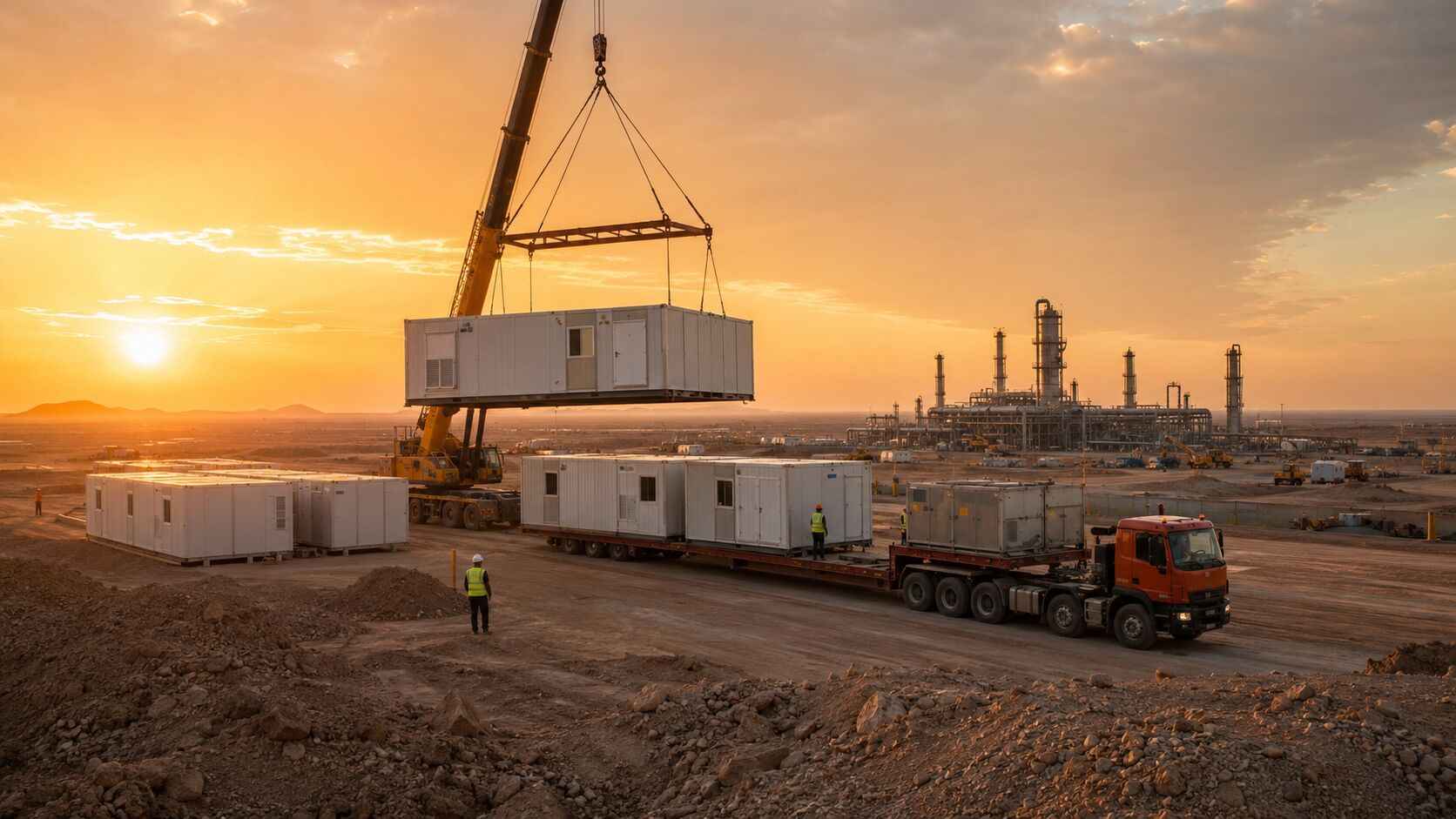
Oil and gas projects are often located in remote environments such as deserts, mountains, offshore areas, and long pipeline corridors. These challenging conditions make traditional construction difficult due to transportation limitations, labor availability, and strict project schedules.
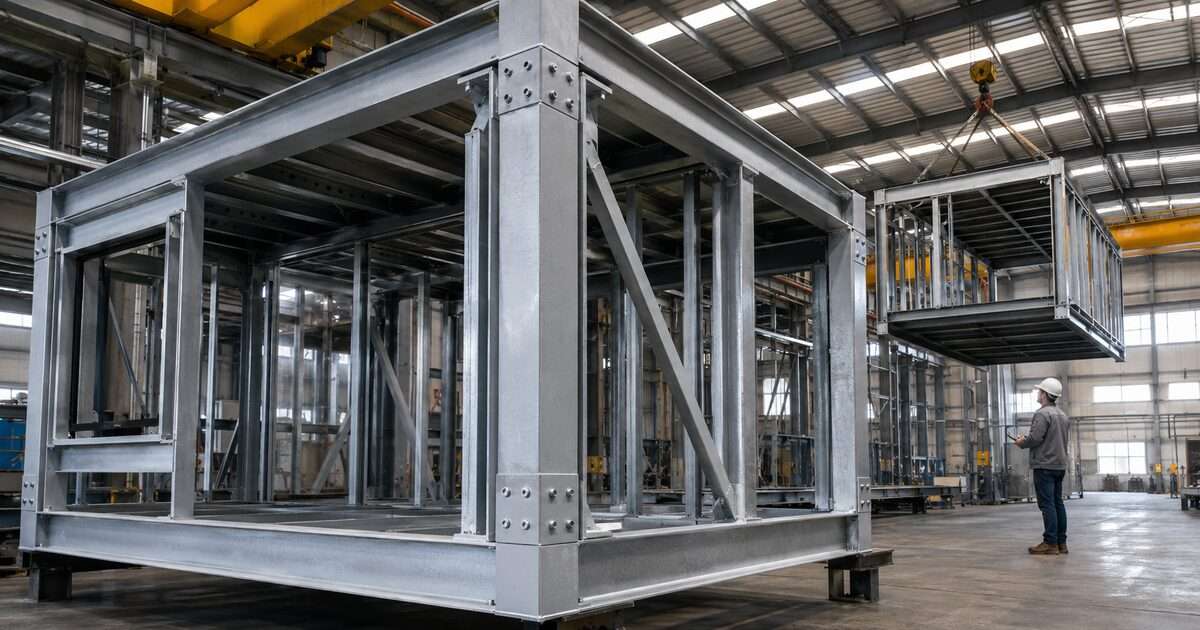
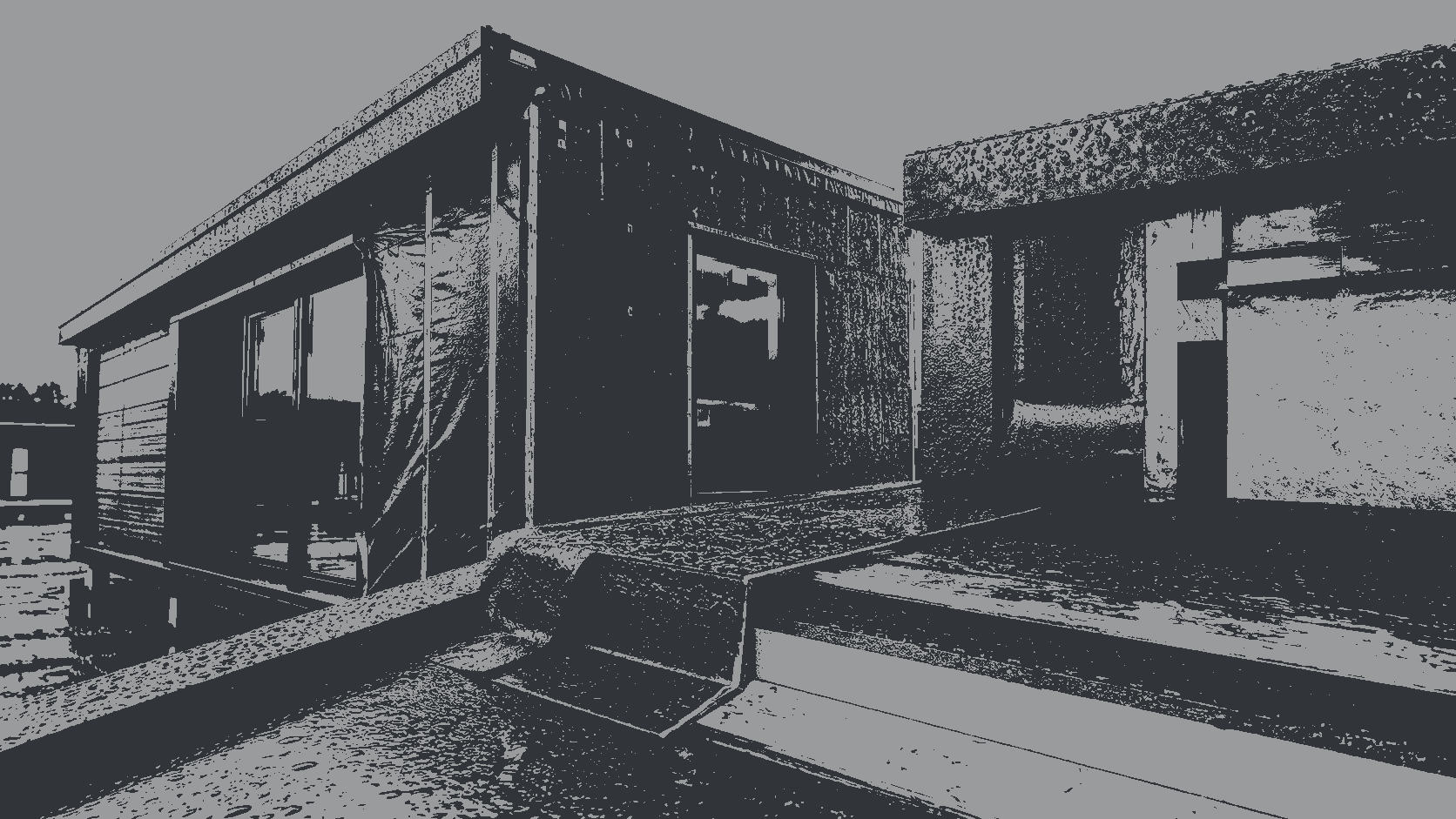
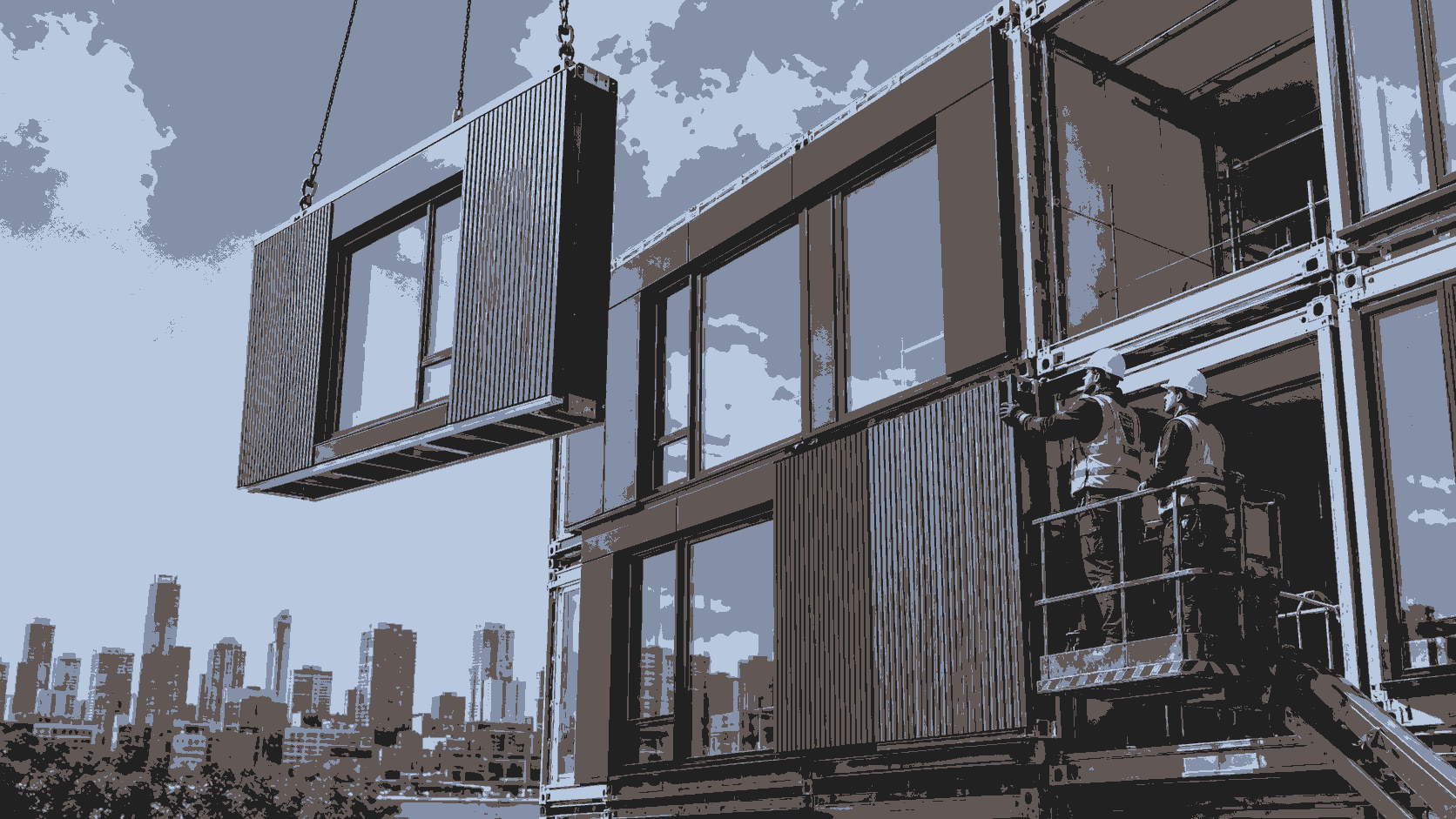
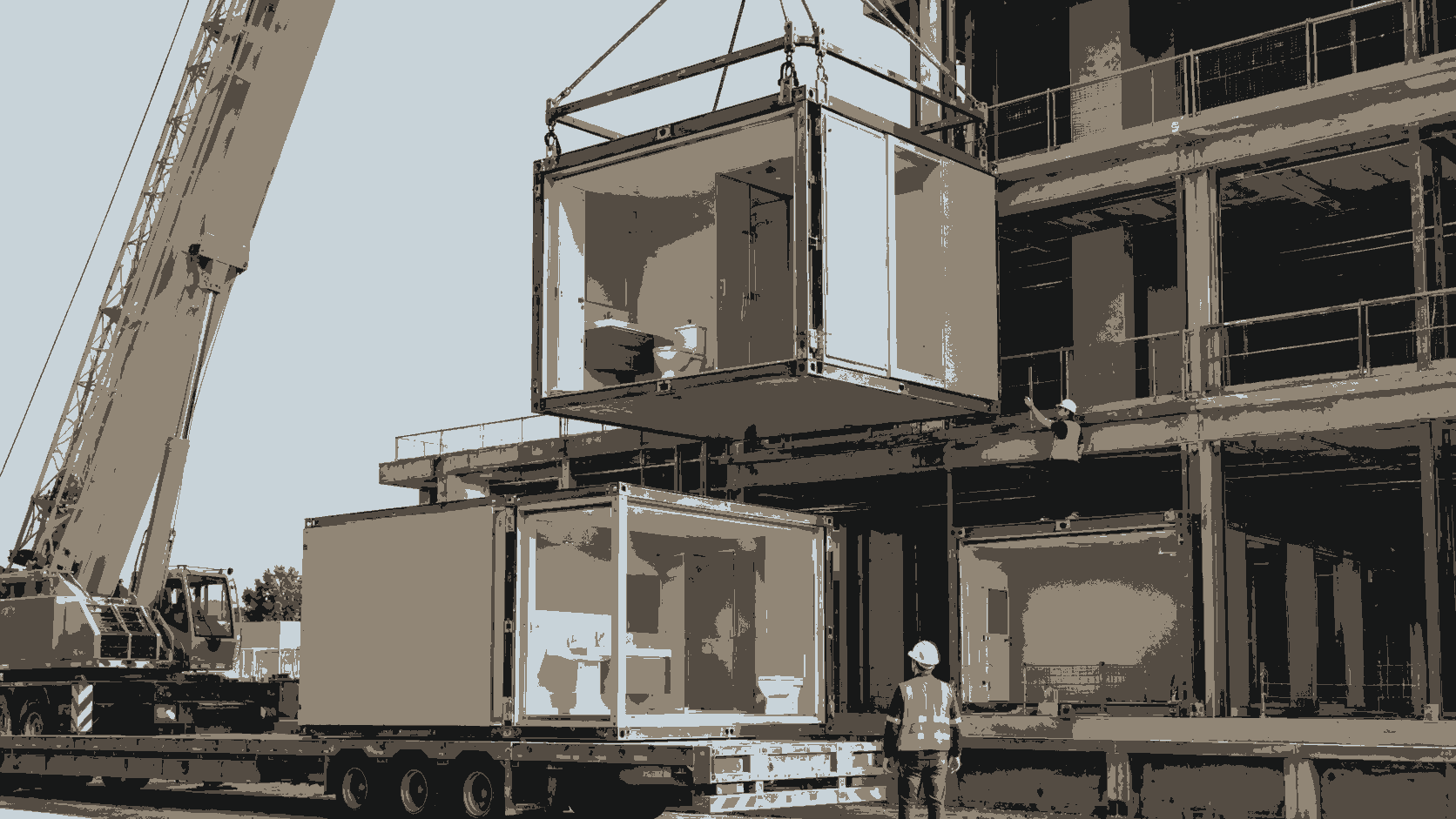
Modular oil and gas facilities commonly include workforce accommodation camps, site offices, meeting rooms, kitchens, dining facilities, medical units, warehouses, maintenance workshops, security facilities, and operational buildings. Modules are manufactured, finished, and tested in controlled factory environments before being transported and installed at project locations.
For pipeline construction, oilfield development, and temporary project operations, modular “Fly Camp” solutions provide flexibility by allowing facilities to be relocated or expanded according to project phases. Permanent modular buildings are also increasingly used for energy bases, maintenance centers, and long-term operational facilities.
As the energy industry focuses more on safety, sustainability, and operational efficiency, future modular oil and gas facilities are expected to incorporate energy-saving designs, smart management systems, remote monitoring, and sustainable materials.
Frequently Asked Questions (FAQ)
Q1: Why are modular buildings suitable for oil and gas projects?
Oil and gas projects are often located in remote areas where fast deployment, transportation efficiency, and reliable accommodation facilities are essential.
Q2: What facilities can be provided through modular construction?
Applications include workforce camps, site offices, medical facilities, dining buildings, warehouses, maintenance workshops, control rooms, and permanent operational facilities.
Q3: What do international oil and gas companies evaluate?
Buyers typically assess durability, climate adaptability, transportation capability, safety standards, fire protection, energy efficiency, quality control systems, and experience with remote projects.
Q4: What are the future trends?
Future developments are expected to include smart energy management, sustainable camps, renewable energy integration, digital facility monitoring, improved worker accommodation standards, and flexible modular deployment.