Peru Opens Its First Coastal-Climate Modular School: How Can Prefabricated Buildings Adapt to Hot, Dry Regions?
Peru’s National Educational Infrastructure Program: Installation of the Modular School Begins
Question 1: What facilities are included in the coastal modular school?
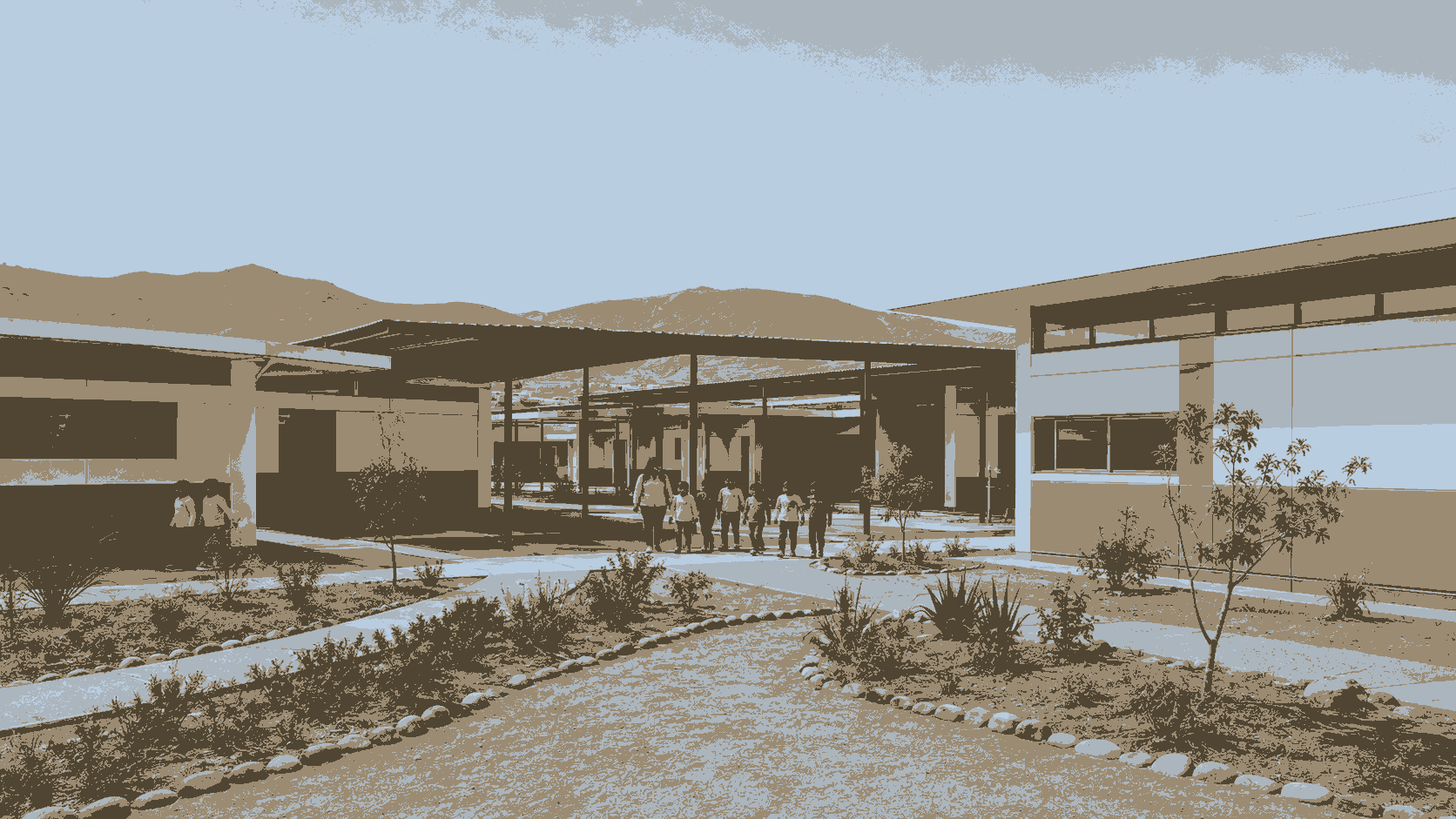
The project is located in the Salas district of Ica Province and officially opened for the 2026 school year. Its three modular blocks provide four furnished primary classrooms, a library, student sanitary facilities and storage for educational materials. Complementary spaces include a multipurpose room, administrative offices, teacher areas, a waiting area, kitchen, food storage and additional sanitary facilities. Connectivity, security systems, sports areas and children’s recreation spaces are also included.
Question 2: Why is it described as a coastal-climate modular school?
Peru’s coastal, mountain and rainforest regions have different temperature, humidity, rainfall and transportation conditions, so a single building specification may not suit every location. The education authority states that the modular schools use thermo-acoustic walls and panels to help control temperature and external noise. A dry coastal site also requires attention to solar exposure, roof heat gain, windblown dust, material durability and shading. Modular construction can retain standardized production while adapting envelopes, ventilation and external works to different climate zones.
Question 3: What is the project’s scale and investment?
The National Educational Infrastructure Program reported a total investment of PEN 5.04 million and a design capacity of up to 360 students. Earlier project information referred to more than 80 direct beneficiaries, while local opening announcements mentioned more than 100 pupils. Design capacity should therefore not be confused with current enrolment. Site work and installation began on 18 September 2025, and the school entered use in March 2026. The investment also covered site works, furniture, learning equipment, connectivity and security systems.
Question 4: Is a modular school simply a temporary classroom?
This project includes a library, administration, staff areas, kitchen, dining, sanitation and activity spaces, giving it a wider function than a basic temporary classroom. The word modular describes the method of manufacturing and assembly; it does not by itself determine whether a building is temporary or permanent. Service life depends on corrosion protection, envelope performance, waterproofing, foundations, maintenance and regulatory status. Prefabricated schools must still satisfy educational-space, fire-evacuation, sanitation, accessibility and child-safety requirements.
Question 5: What can the international modular-school market learn from this case?
The Ica project suggests that modular schools can be developed as climate-specific product families rather than one standard configuration for every region. Exporters should collect data on temperature, daily thermal variation, humidity, rainfall, wind, seismic conditions and transport constraints before selecting insulation, wall panels, roofs, windows and ventilation systems. For rural and remote locations, a complete solution may also need water treatment, backup power, connectivity, furniture and maintenance planning so the school can operate immediately after installation.
Related News
Utah Opens Modular Building Program Applications: What Must Overseas Manufacturers Do Before Shipping?
2026-08-04
Read More
UK Fire Station Procures a Modular Building: What Does the 15-Day Contract Period Reveal About Emergency Facilities?
2026-08-03
Read More