Modular Construction Supports the Development of Railway Infrastructure Facilities
International Union of Railways (UIC)
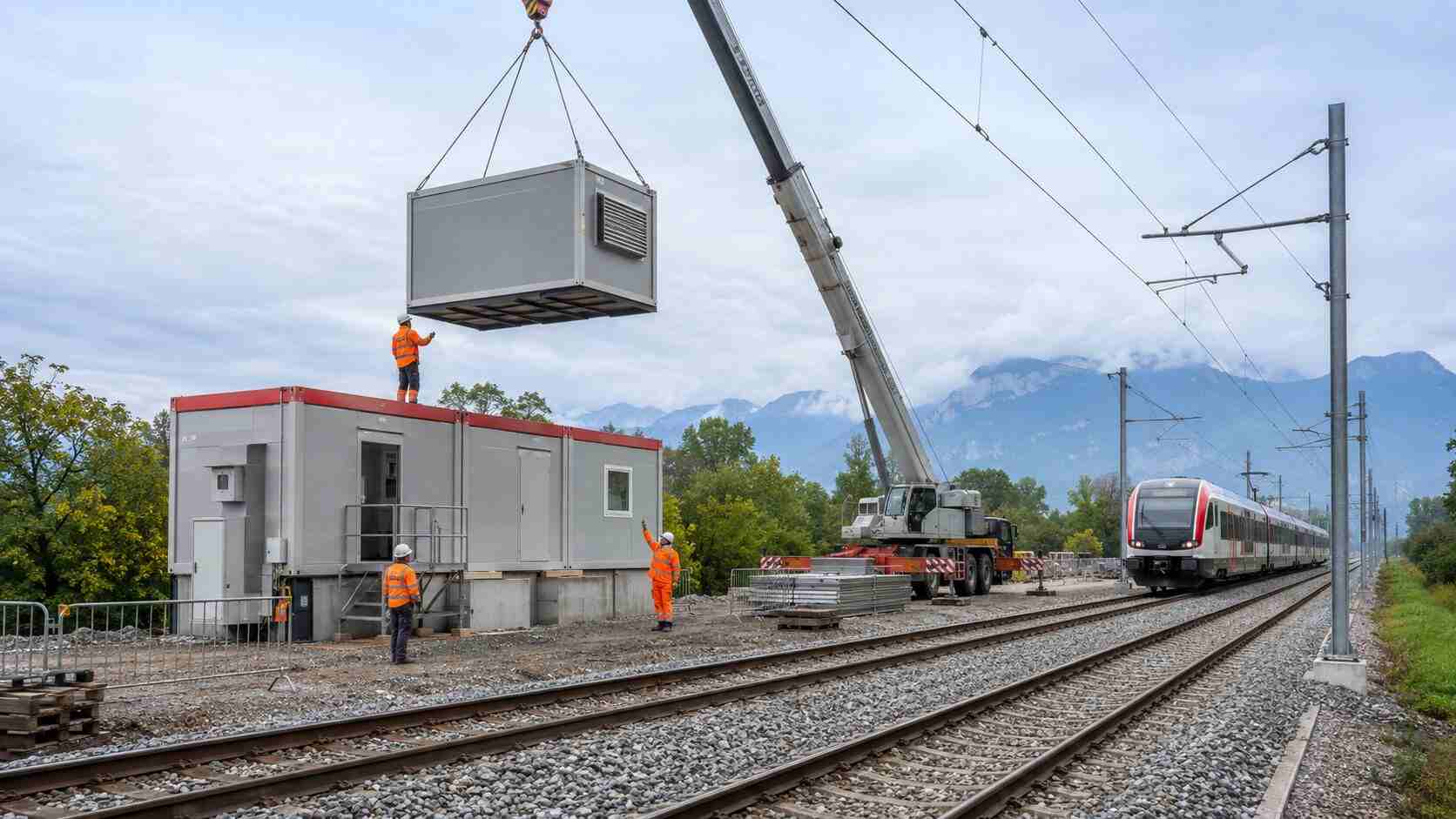
Railway infrastructure extends beyond stations and tracks to include operations centers, signaling buildings, communication facilities, power supply stations, maintenance depots, administration offices, staff accommodation, and other support structures. These facilities are often distributed across large geographic areas and must be delivered efficiently to meet project schedules.
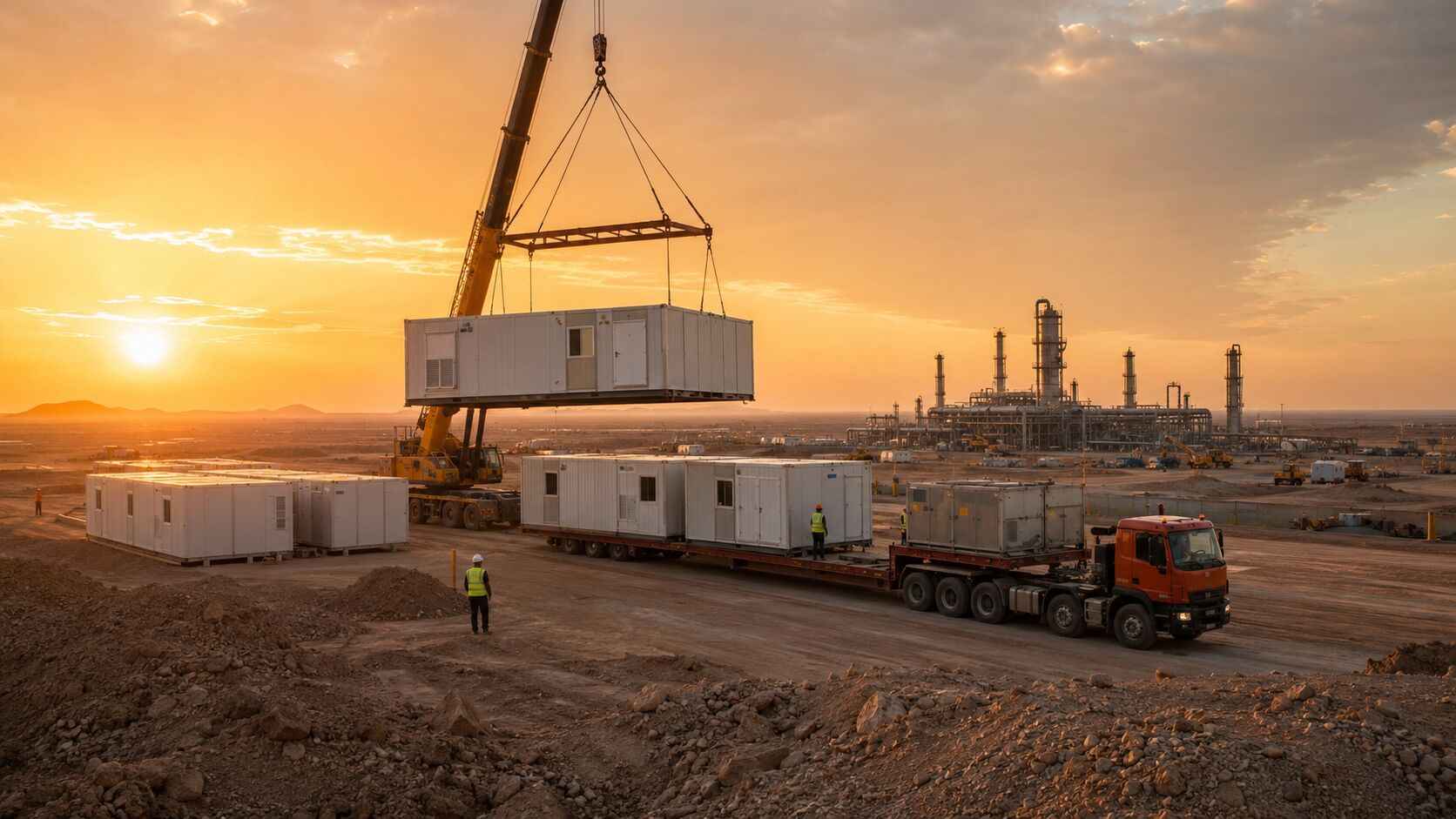
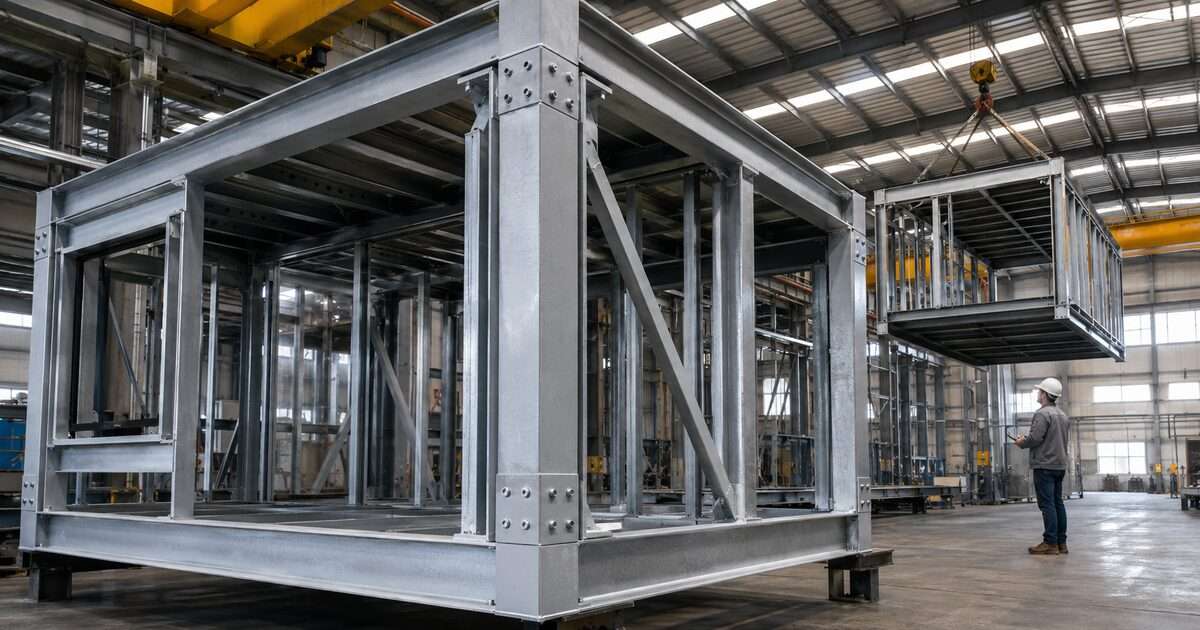
Modular construction allows buildings to be manufactured in factories and installed quickly on-site, reducing construction time and minimizing disruption to existing railway operations. Standardized building systems also simplify future expansion, equipment upgrades, and maintenance activities.
As rail operators adopt intelligent signaling, digital asset management, predictive maintenance, and smart transportation technologies, modular construction is becoming an increasingly effective solution for supporting modern railway infrastructure.
Frequently Asked Questions (FAQ)
Q1: Why is modular construction suitable for railway infrastructure?
Railway projects often involve multiple construction sites and strict delivery schedules. Modular construction improves efficiency by reducing on-site work and enabling parallel manufacturing and installation.
Q2: Which railway facilities can be modularized?
Typical applications include railway operations centers, signaling buildings, electrical substations, maintenance workshops, communication rooms, administration offices, staff accommodation, and security facilities.
Q3: What do international buyers usually evaluate?
Buyers typically assess structural durability, fire safety, weather resistance, transportation efficiency, installation methods, quality management systems, and compliance with railway engineering standards.
Q4: What are the future trends?
Future developments are expected to include smart railway operations, digital asset management, energy-efficient buildings, modular maintenance facilities, AI-assisted infrastructure monitoring, and sustainable construction practices.