Why Is Factory-Built Modular Housing Becoming a Global Focus Amid the 2026 Housing Shortage?
Axios
Q1: Why Is the Global Housing Shortage Receiving More Attention?
Many countries continue to experience housing shortages due to rapid urbanization, population growth, rising construction costs, and labor shortages.
Traditional construction methods often require long project schedules, making it difficult to meet growing housing demand. As a result, governments are increasingly exploring industrialized construction methods to accelerate housing delivery.
Q2: What Is Factory-Built Modular Housing?
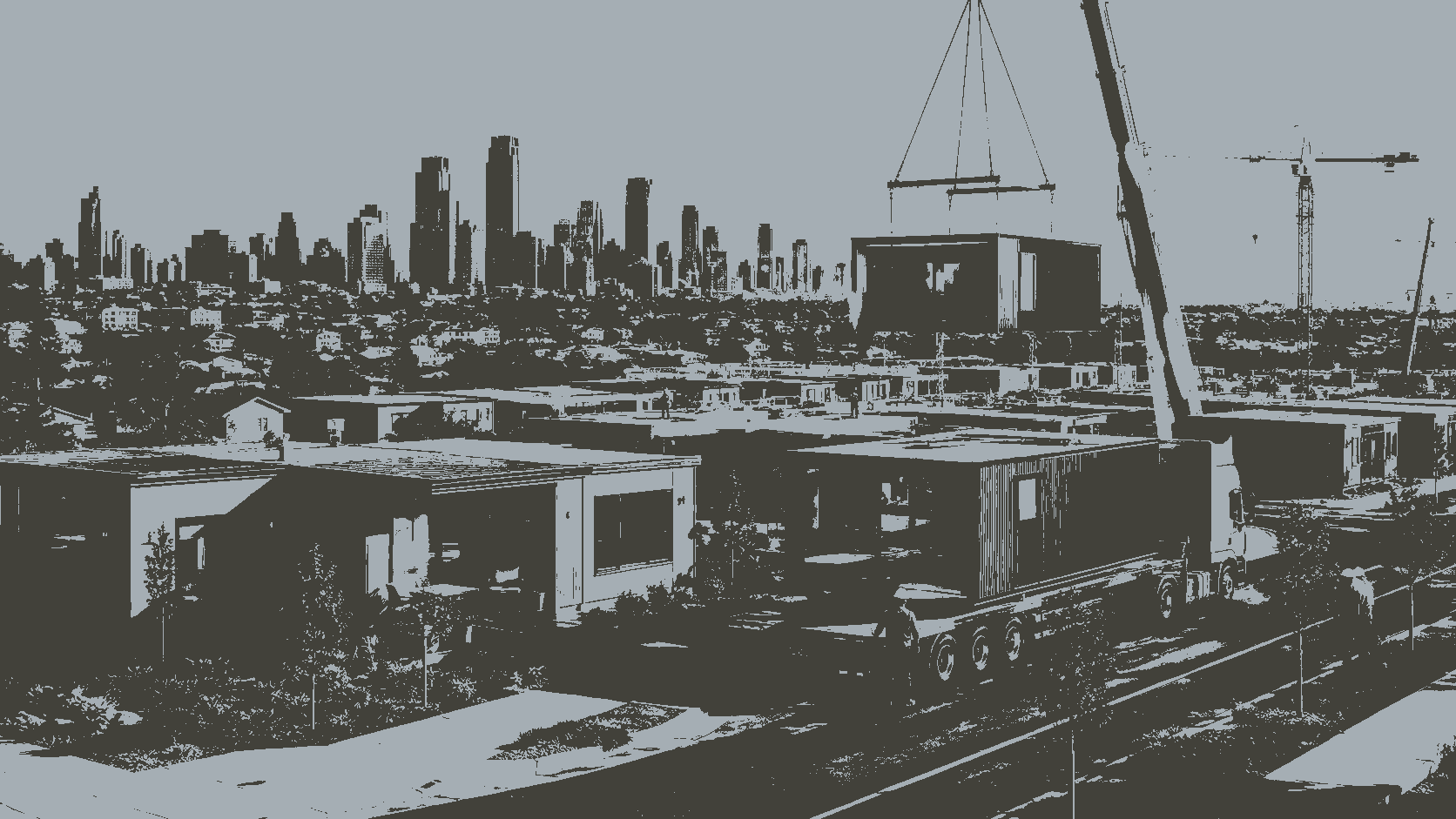
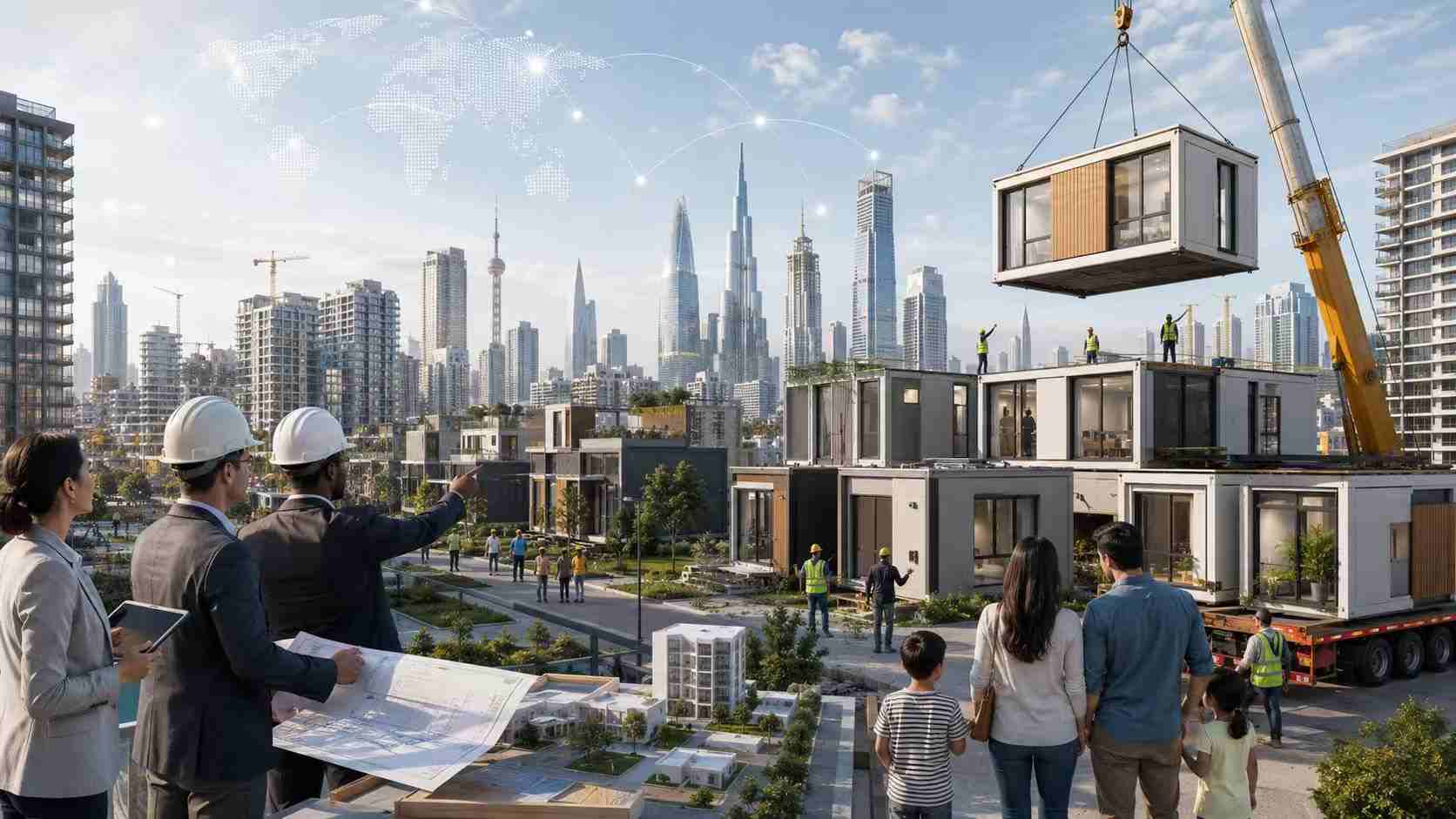
Factory-built modular housing refers to a construction process in which major building components—including structural frames, walls, roofs, windows, doors, plumbing, and electrical systems—are manufactured in a factory before being transported to the construction site for final assembly.
This approach improves quality control while significantly reducing on-site construction time.
Q3: Why Are More Countries Supporting Modular Construction?
Governments are promoting modular construction because it can:
- Deliver housing more quickly
- Increase construction productivity
- Address skilled labor shortages
- Reduce overall project costs
- Minimize construction waste
- Support sustainable building objectives
These advantages make modular construction an attractive option for affordable housing and public infrastructure projects.
Q4: Where Can Factory-Built Housing Be Used?
Modular construction is suitable for many applications, including:
- Affordable housing
- Apartment buildings
- Educational facilities
- Healthcare buildings
- Workforce accommodation
- Student housing
- Temporary offices
- Commercial developments
- Disaster recovery housing
Its flexibility allows it to meet the needs of both permanent and temporary construction projects.
Q5: What Will Shape the Future of Modular Housing?
Industry experts expect future development to focus on:
- Automated manufacturing
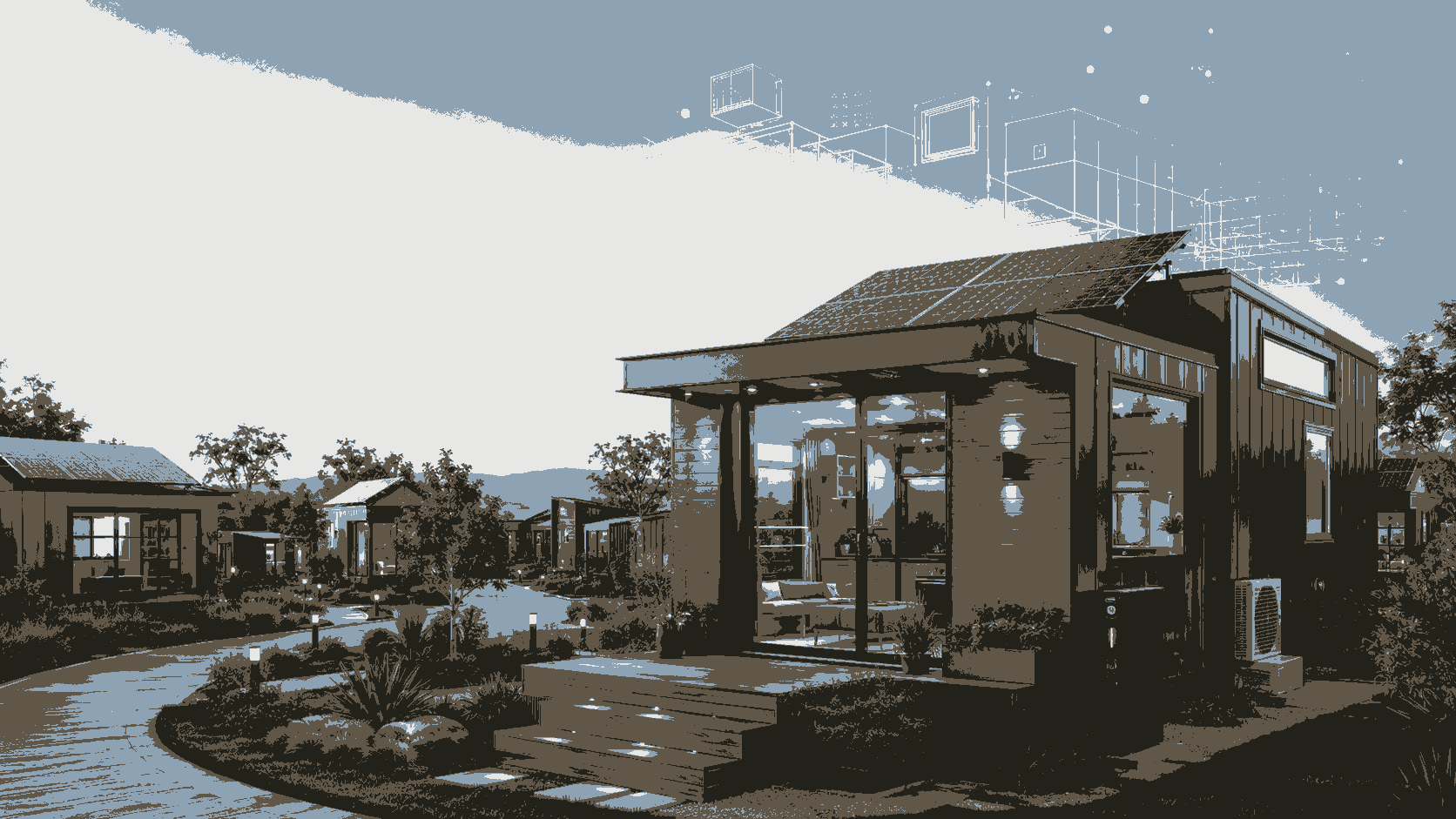
- Building Information Modeling (BIM)
- AI-assisted construction management
- Low-carbon building materials
- Whole-life building management
- Standardized modular systems
These innovations are expected to improve efficiency while supporting sustainable construction worldwide.