Can Modular Buildings Withstand Hurricanes and High Winds? Key Factors That Affect Wind Resistance
American Society of Civil Engineers (ASCE)
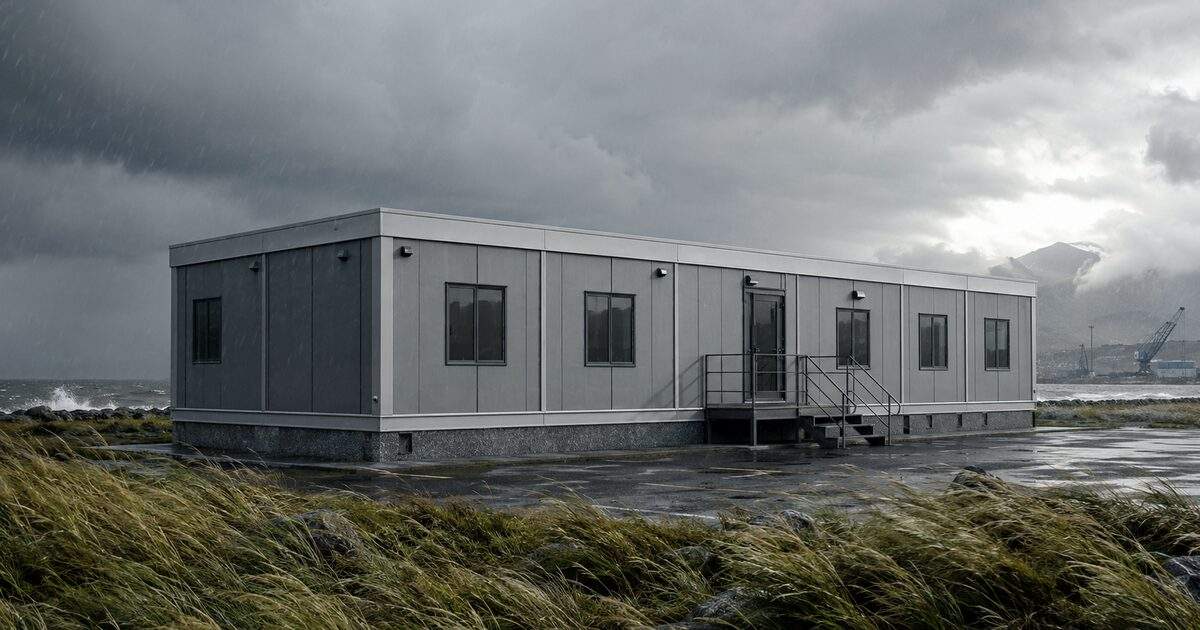
Wind resistance is achieved through integrated engineering rather than by modular construction alone.
Key considerations include:
Wind Load Analysis
Engineers determine design wind loads based on the applicable codes and environmental conditions at the project location.
Structural Connections
Connections between modules and between the building and its foundation are designed to safely transfer wind forces.
Foundation Design
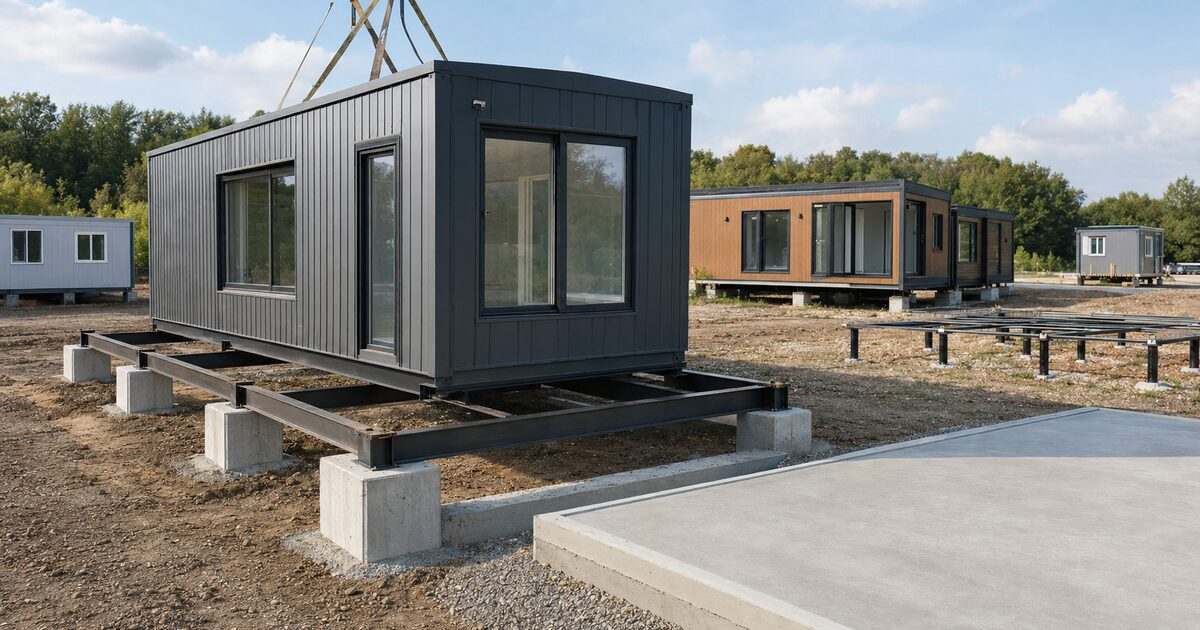
Foundation type, anchorage systems, and soil conditions all influence structural stability under high wind events.
Roof and Building Envelope
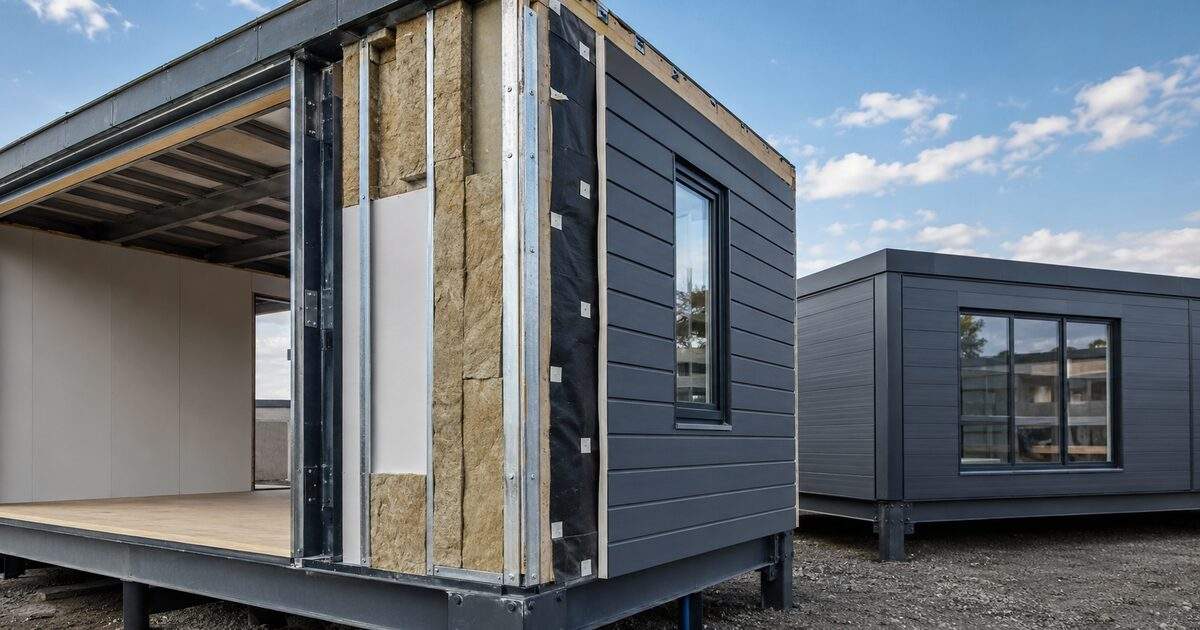
Roof systems, exterior walls, doors, windows, and cladding should be designed and installed to resist wind pressure and wind-driven rain.
Manufacturing and Installation
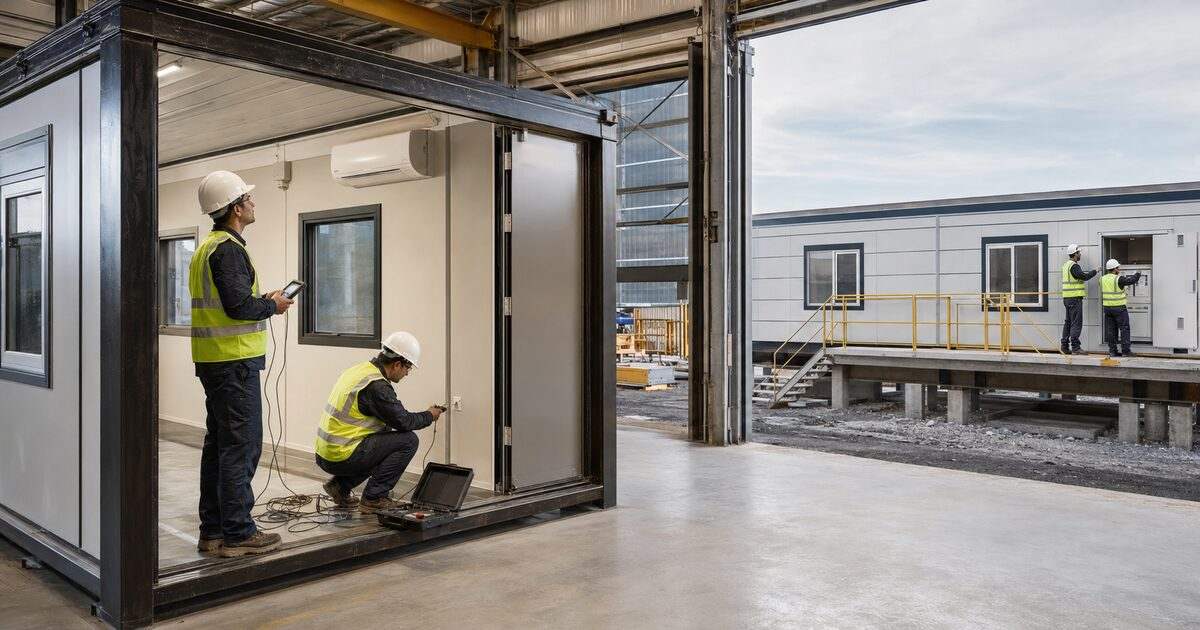
Accurate factory fabrication and proper site installation help ensure that the completed building performs as intended.
Frequently Asked Questions (FAQ)
Q1: Can modular buildings withstand hurricanes?
They can be engineered for hurricane-prone regions when designed, manufactured, and installed in accordance with the applicable wind load requirements and building codes.
Q2: What factors have the greatest influence on wind resistance?
Structural design, module connections, foundation systems, roof design, building envelope performance, and installation quality are all important.
Q3: What do international buyers usually evaluate?
International buyers commonly evaluate structural engineering calculations, wind load design criteria, connection details, anchorage systems, building envelope performance, material certifications, and compliance with local building codes.
Q4: Does modular construction automatically provide better wind resistance?
No. Wind resistance depends on project-specific engineering and construction quality rather than the construction method itself.