What Is a Building Envelope and Why Is It Important in Modular Construction?
National Institute of Building Sciences (NIBS)
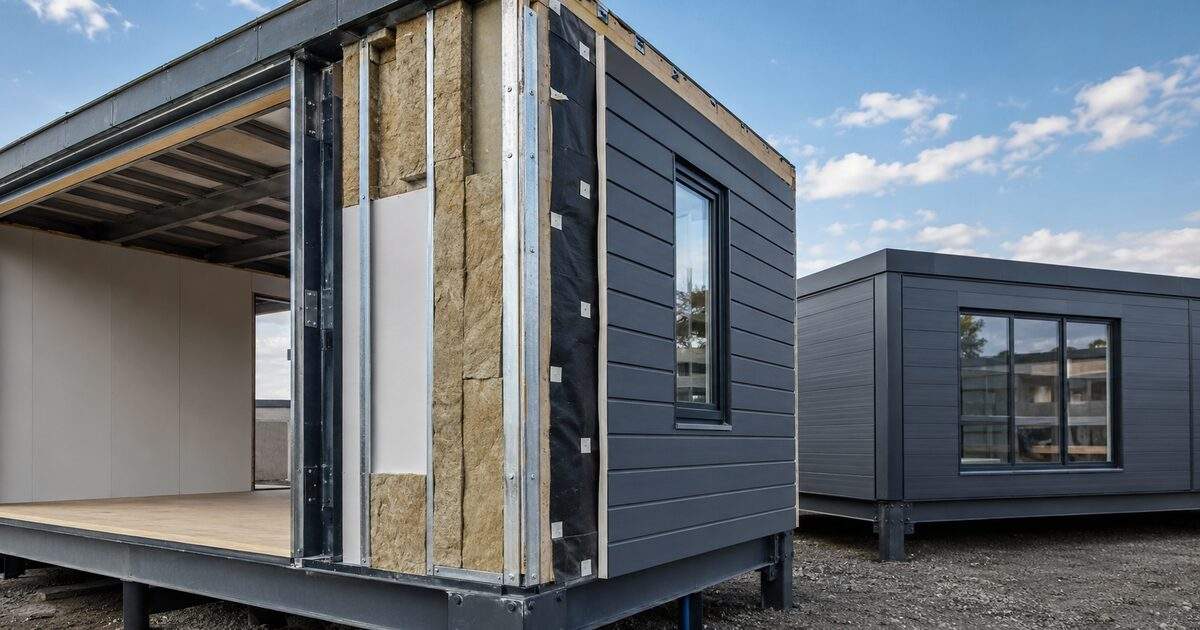
The building envelope serves as the primary barrier between indoor and outdoor environments while contributing to structural protection and energy performance.
A typical building envelope consists of:
- Exterior wall systems;
- Roofing systems;
- Doors and windows;
- Thermal insulation;
- Waterproofing membranes;
- Air barrier systems;
- Sealants and joint details.
For modular buildings, the envelope must also perform well after transportation and installation. Proper joint detailing and sealing help reduce air leakage, water penetration, and thermal bridging between modules.
The optimal envelope design depends on local climate, building use, and applicable building regulations.
Frequently Asked Questions (FAQ)
Q1: What is a building envelope?
A building envelope is the collection of components that separate the inside of a building from the outside environment, including walls, roofs, windows, doors, insulation, and sealing systems.
Q2: Why is the building envelope important in modular construction?
Because it affects energy efficiency, weather resistance, indoor comfort, moisture control, and the long-term durability of the building.
Q3: What do international buyers usually evaluate?
International buyers typically evaluate insulation performance, airtightness, waterproofing, weather resistance, thermal performance, joint detailing, material durability, and compliance with applicable building standards.
Q4: How can a high-performance building envelope improve a project?
A well-designed building envelope can reduce energy consumption, improve indoor comfort, minimize moisture-related issues, and support long-term building performance.