Modular Hotel Project Completes Module Installation in Eight Days, Demonstrating the Speed of Offsite Construction
Modular Building Institute (MBI)
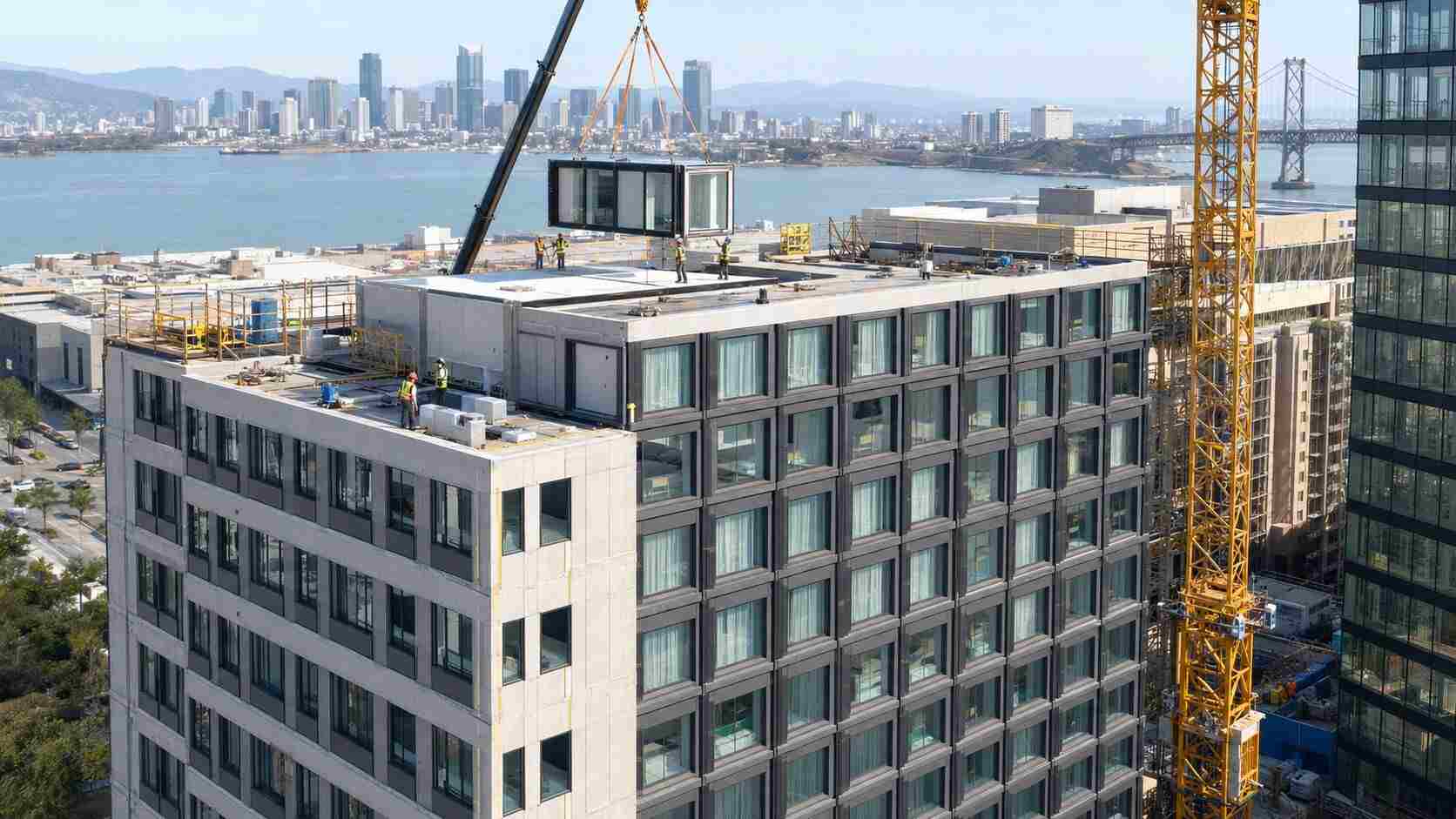
The project used factory-manufactured guest-room modules that were transported to the construction site after the podium structure was completed. The installation of all modules was finished within eight days, significantly reducing the amount of on-site construction work and helping maintain the overall project schedule.
As demand continues to grow for hotels, student housing, workforce accommodation, and other standardized buildings, developers are paying closer attention to the speed, quality consistency, and sustainability offered by modular construction. These advantages are encouraging broader adoption of offsite building methods across the commercial construction sector.
Frequently Asked Questions (FAQ)
Q1: Why can modular hotels be built faster than traditional hotels?
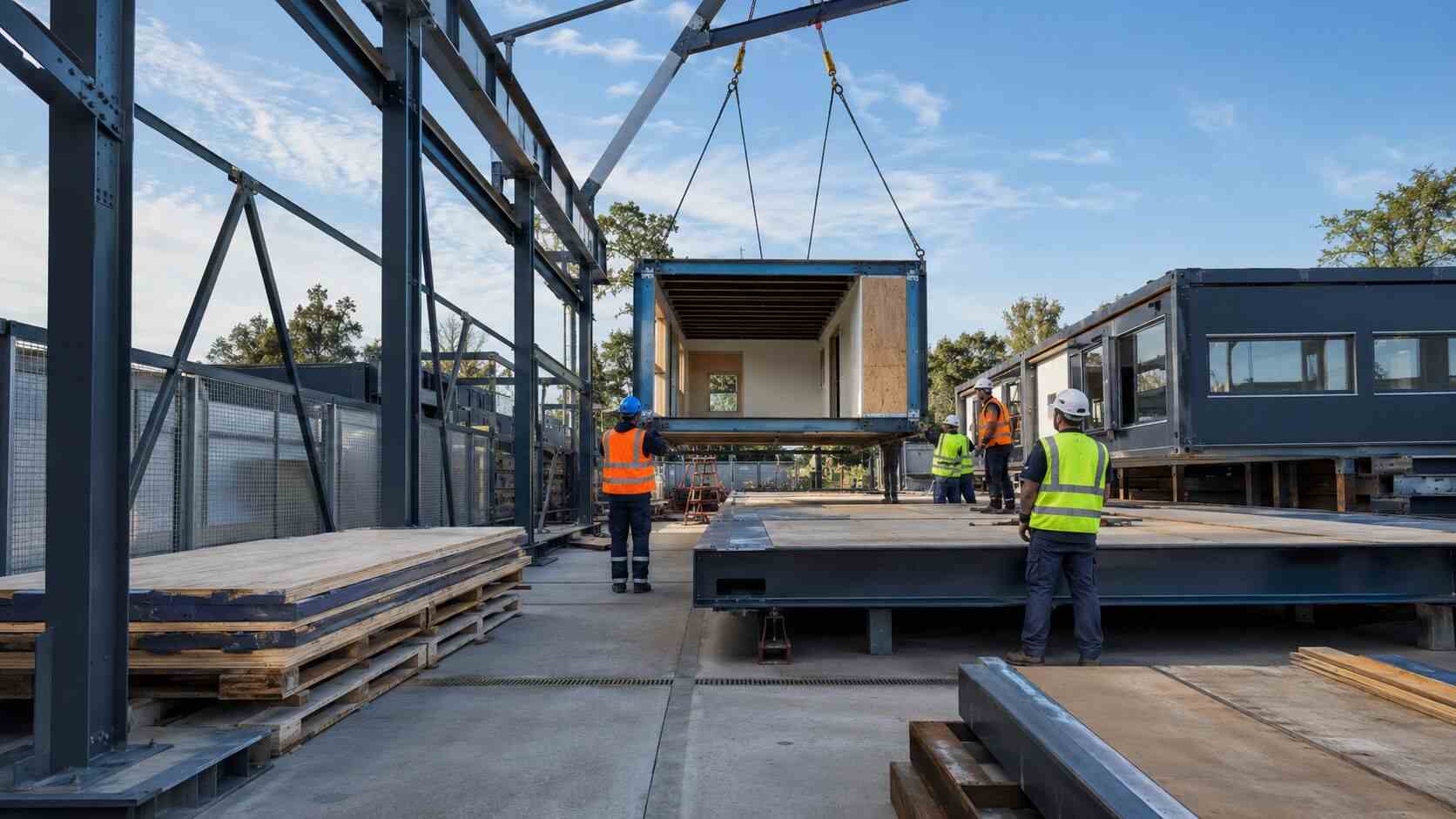
Factory manufacturing allows guest-room modules to be produced while foundation and site work are carried out simultaneously. Once the site is ready, the completed modules can be transported and installed rapidly, reducing the overall construction schedule and limiting weather-related delays.
Q2: Which commercial projects are suitable for modular construction?
Modular construction is commonly used for hotels, serviced apartments, student residences, workforce accommodation, healthcare facilities, and office buildings. Projects with standardized room layouts often benefit the most from factory-built construction methods.
Q3: What should developers evaluate before choosing modular construction?
Developers should assess manufacturing capacity, engineering expertise, transportation planning, lifting and installation capability, compliance with local building regulations, and previous project experience. Early coordination between design and manufacturing teams is also essential.
Q4: What does this project indicate about future commercial construction?
The successful installation schedule demonstrates how modular construction can improve delivery efficiency without compromising quality. As labor shortages and project costs continue to challenge the construction industry, offsite construction is expected to become an increasingly important solution for commercial developments.