Modular Construction Improves Delivery Efficiency for Substation Support Facilities
Offsite Builder Magazine
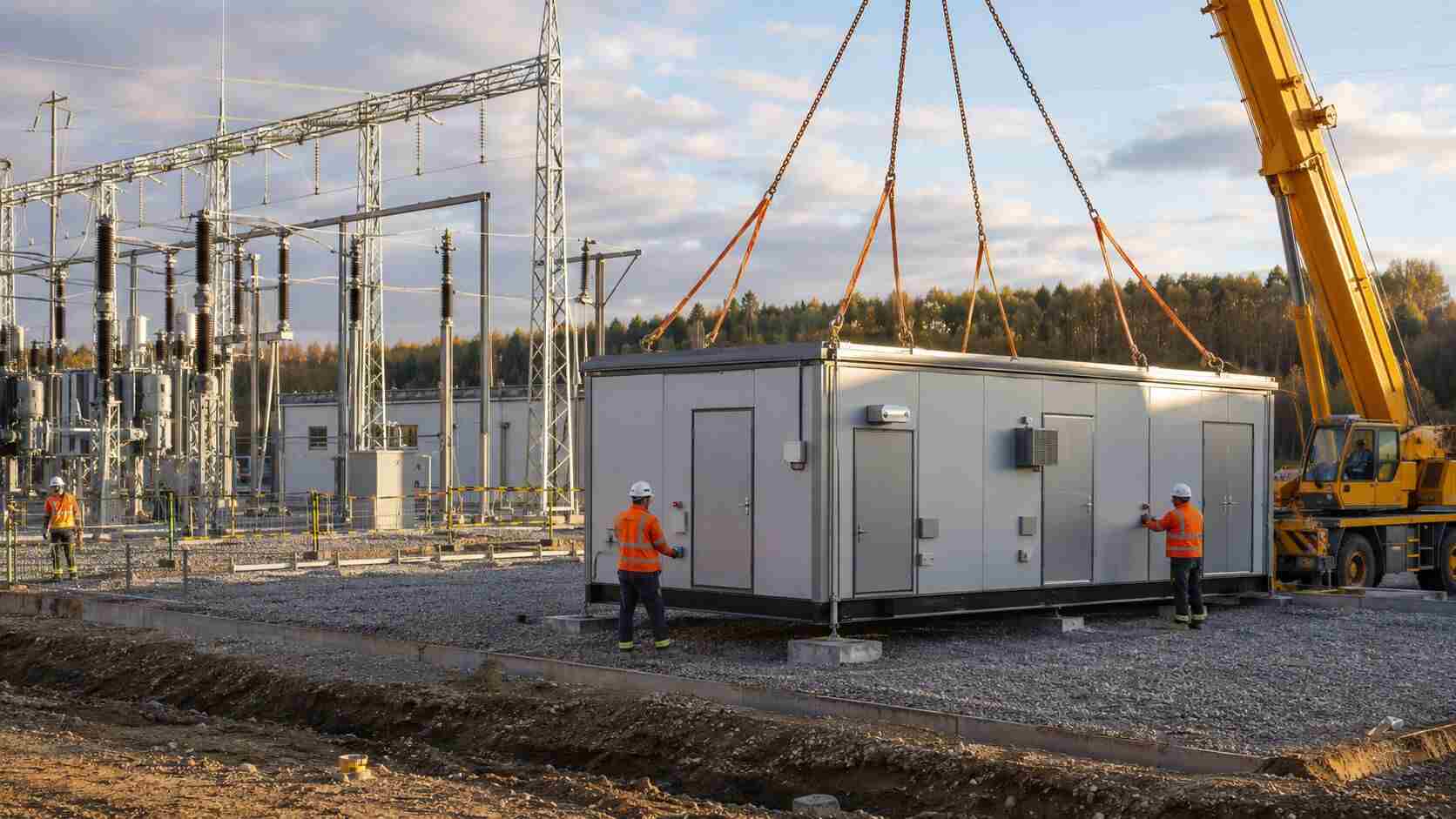
Electrical infrastructure projects often require control rooms, equipment buildings, relay protection rooms, maintenance facilities, and administrative spaces. These structures must meet strict requirements for safety, durability, and operational reliability.
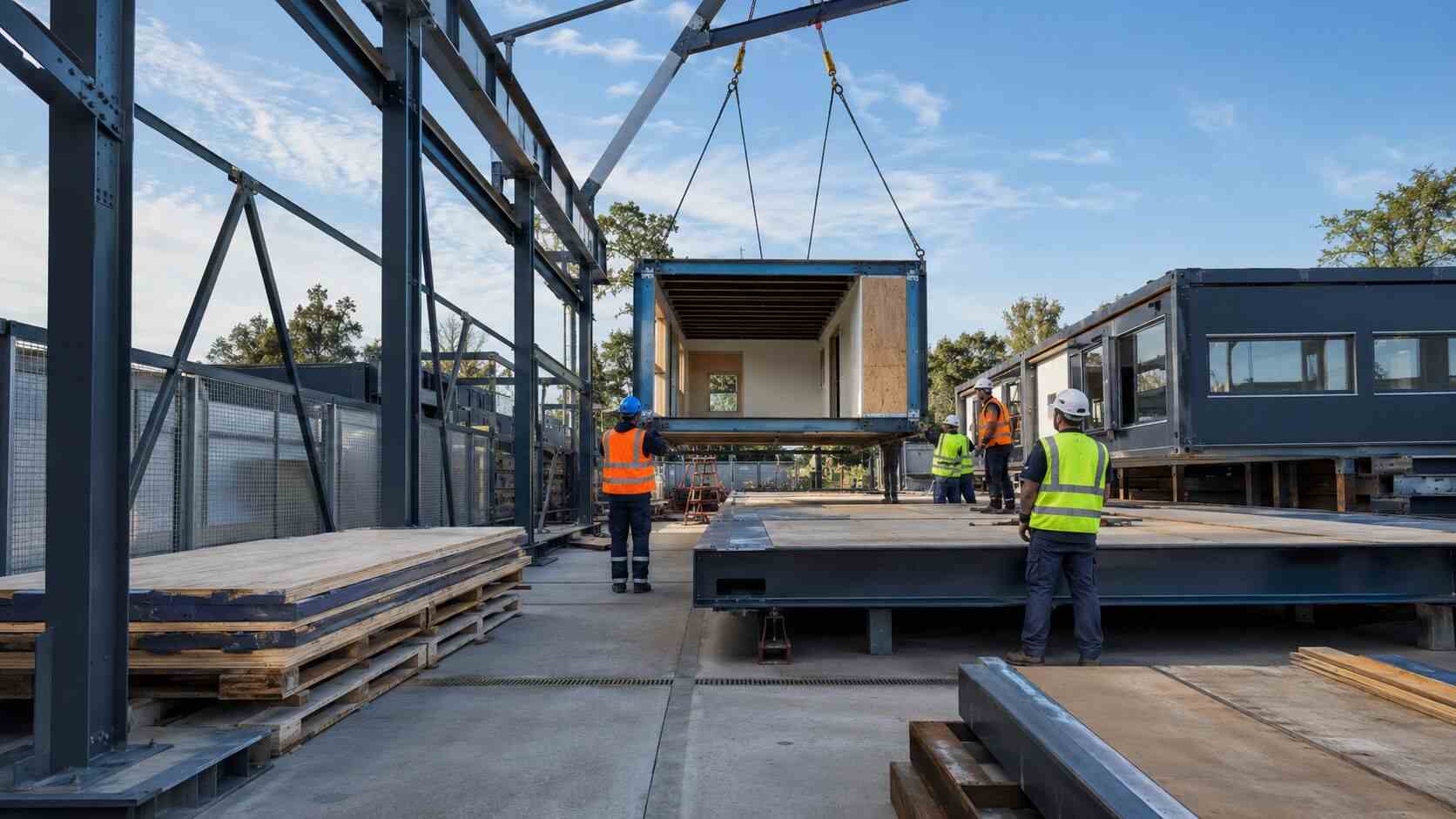
Modular construction enables these buildings to be manufactured under controlled factory conditions before transportation and rapid installation on site. This approach helps reduce construction time, improve quality control, and minimize disruption at active project locations.
As investments continue in transmission networks, renewable energy, and battery storage systems, modular buildings are expected to play an increasingly important role in supporting power infrastructure development.
Frequently Asked Questions (FAQ)
Q1: Why are modular buildings suitable for substation projects?
Modular buildings allow critical support facilities to be manufactured before site installation, reducing construction time while maintaining consistent quality. This approach is especially valuable for projects with demanding schedules and remote locations.
Q2: Which substation facilities can be modularized?
Typical applications include control buildings, electrical equipment rooms, relay protection rooms, maintenance workshops, administration offices, storage spaces, and security facilities. The final configuration depends on project requirements and local regulations.
Q3: What should international buyers evaluate when purchasing modular electrical buildings?
Buyers should assess structural performance, weather resistance, fire protection, manufacturing quality, compliance with electrical and building standards, transportation planning, and installation capability. Long-term maintenance requirements should also be considered.
Q4: What are the future trends for modular power infrastructure?
Future developments are expected to combine digital engineering, smart monitoring systems, sustainable materials, and standardized manufacturing. As energy infrastructure expands globally, modular construction will continue supporting faster and more efficient project delivery.