Modular Construction Supports the Expansion of Microgrid Infrastructure
International Energy Agency (IEA)
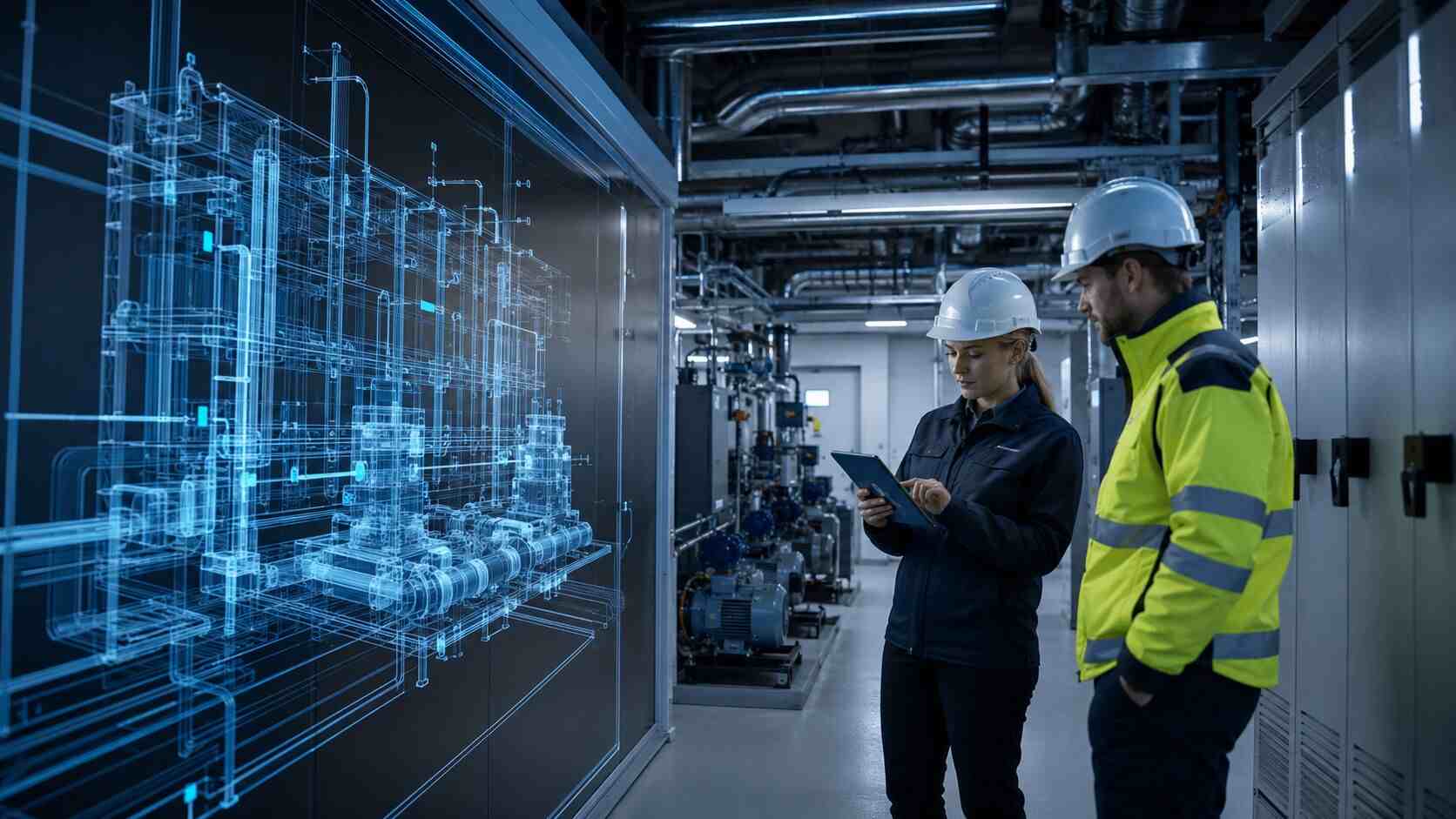
A microgrid is a localized energy system that can operate independently or in conjunction with the main utility grid. It typically integrates solar power, wind energy, diesel generators, battery energy storage systems (BESS), and Energy Management Systems (EMS). Microgrids are widely deployed in industrial facilities, mining operations, hospitals, campuses, airports, remote communities, and commercial developments where reliable power is essential.
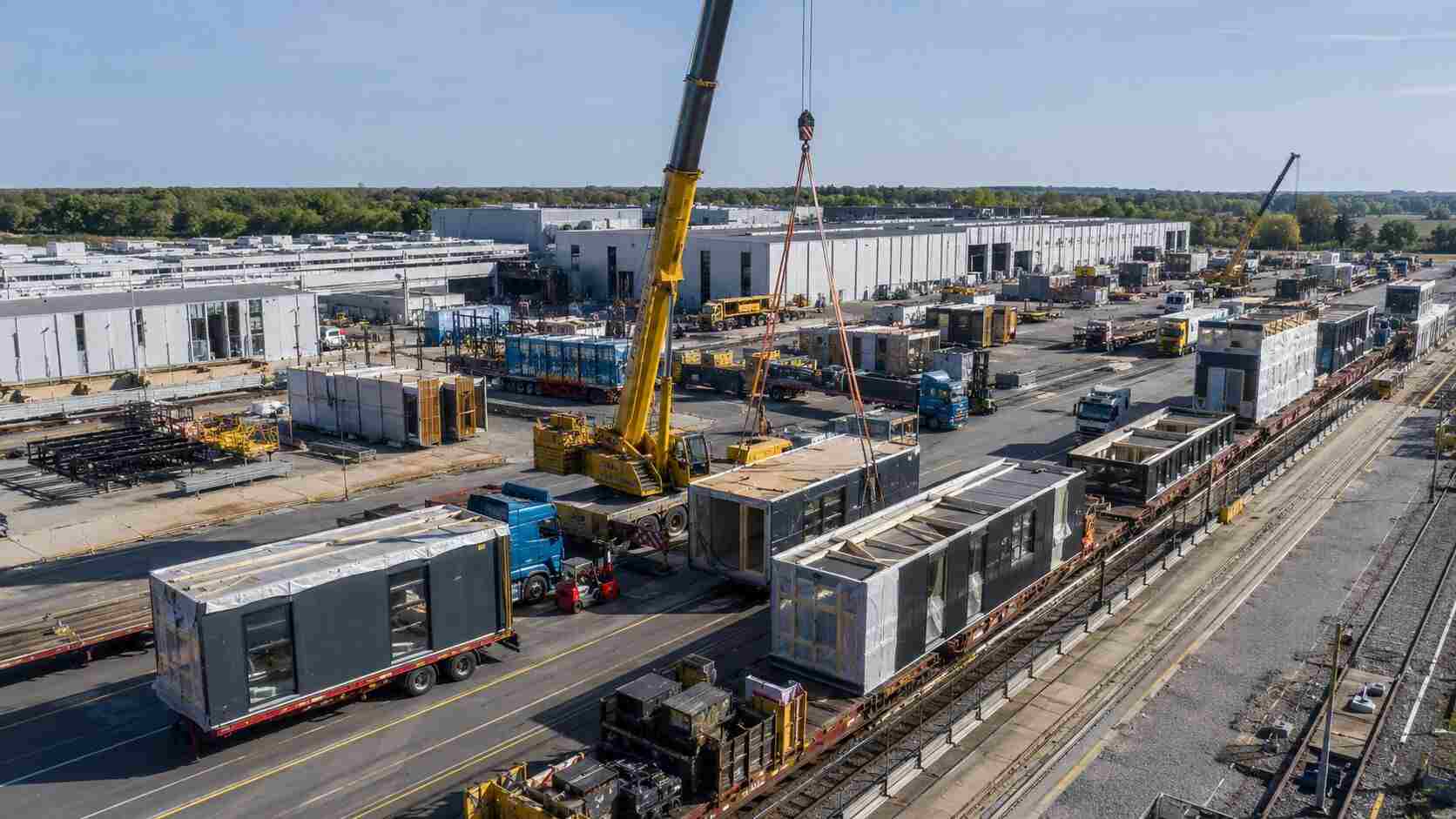
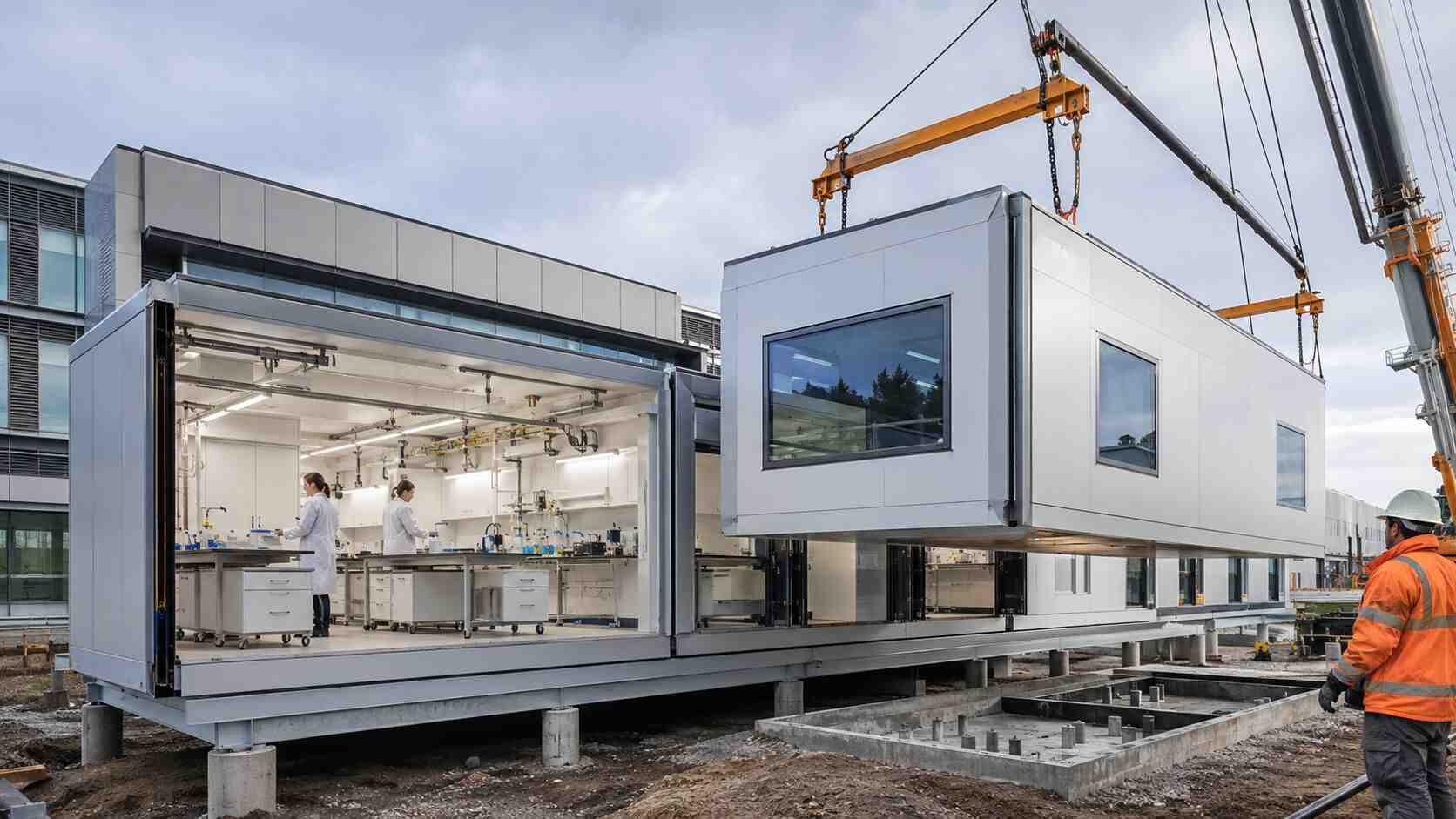
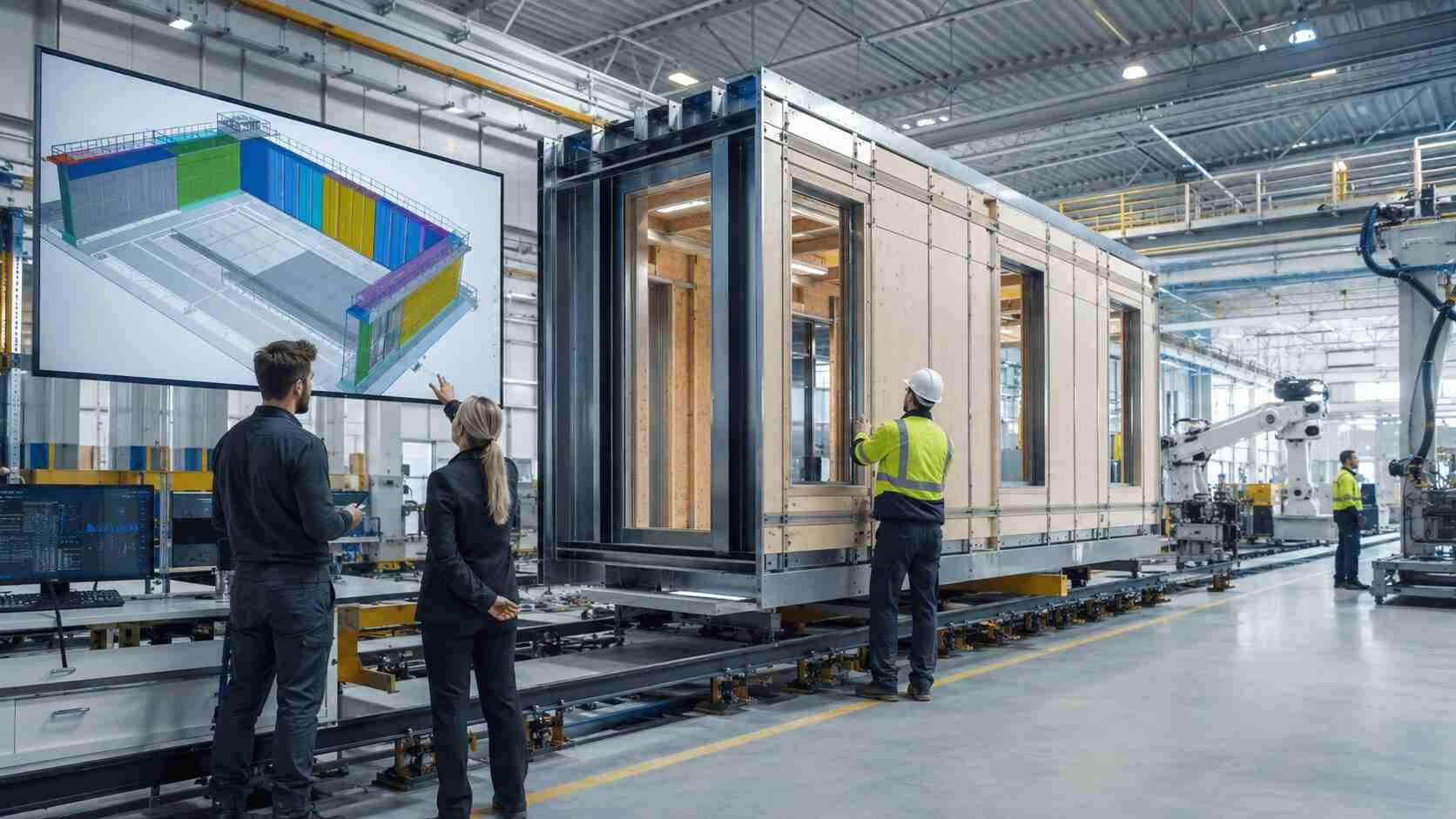
In addition to generation and storage equipment, microgrid projects require supporting infrastructure such as control buildings, electrical rooms, communication centers, monitoring facilities, maintenance workshops, and administration offices. Modular construction enables these buildings to be manufactured off-site and installed quickly, reducing project timelines while improving construction quality.
As smart grids, digital energy platforms, remote monitoring, and AI-based energy optimization continue to evolve, modular construction is expected to play a growing role in supporting flexible, resilient, and sustainable microgrid infrastructure.
Frequently Asked Questions (FAQ)
Q1: What is a microgrid?
A microgrid is a localized energy system that can generate, store, and distribute electricity independently or while connected to the main power grid.
Q2: Why is modular construction suitable for microgrid projects?
Microgrid projects often require rapid deployment across multiple locations. Modular construction enables faster installation, standardized quality, and easier future expansion.
Q3: What do international buyers usually evaluate?
International buyers typically assess structural durability, electrical integration, environmental performance, fire protection, equipment compatibility, quality management, transportation planning, and compliance with applicable utility standards.
Q4: What are the future trends?
Future developments are expected to include AI-powered energy optimization, renewable energy integration, advanced battery storage, digital monitoring platforms, modular expansion strategies, and greater adoption in remote and industrial applications.