Modular Construction Education Partnership Strengthens Offsite Workforce Development
Modular Building Institute (MBI)
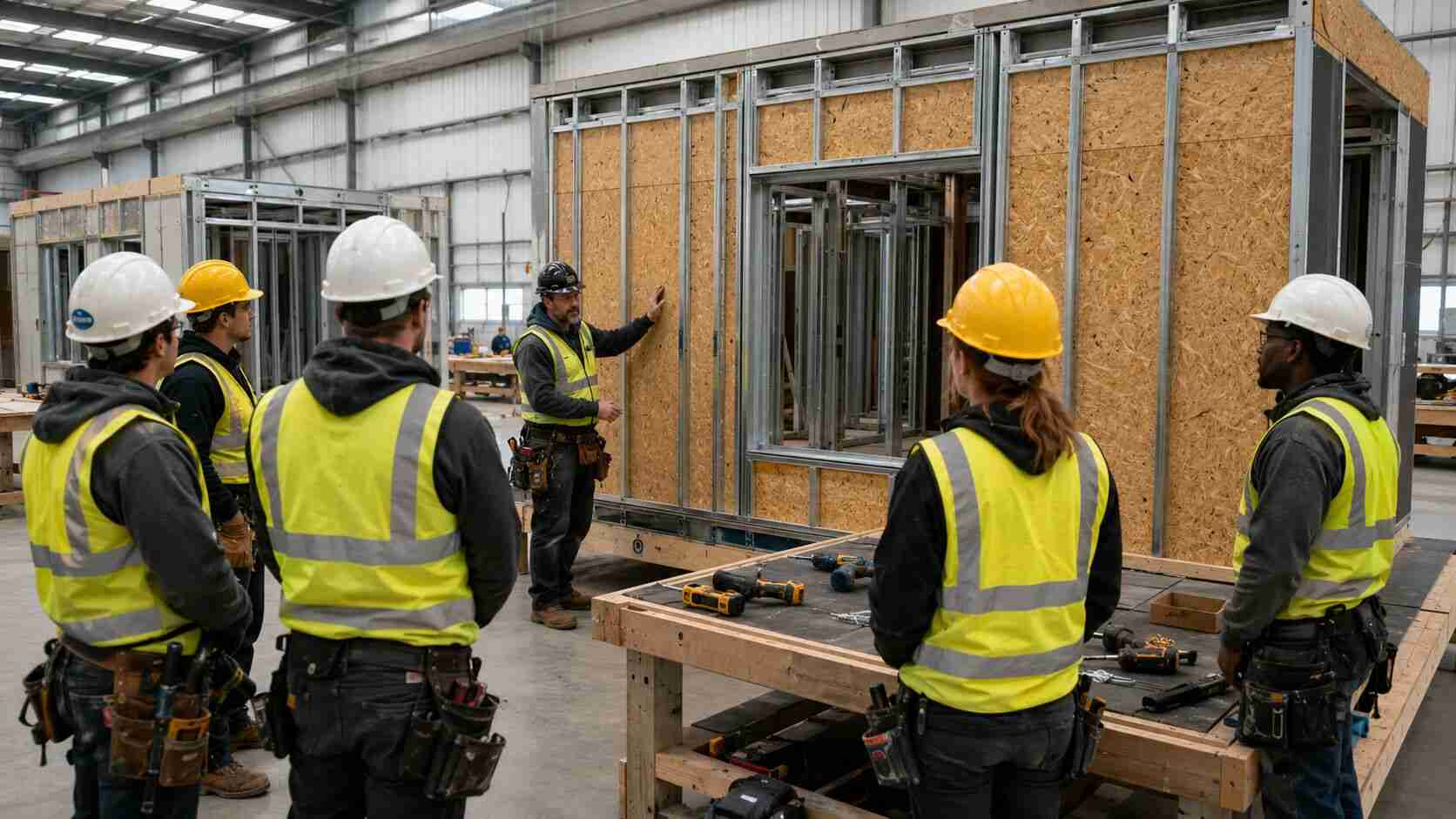
The continued growth of modular construction is creating demand for professionals with expertise in digital engineering, manufacturing, logistics, and offsite project delivery. Unlike traditional construction, modular projects require close collaboration between designers, manufacturers, engineers, and installation teams.
To address this demand, industry organizations and academic institutions are working together to develop specialized education programs, research initiatives, and practical training opportunities. These partnerships aim to prepare the next generation of professionals capable of supporting the continued expansion of modular construction worldwide.
Frequently Asked Questions (FAQ)
Q1: Why is workforce development important for modular construction?
As modular construction becomes more advanced, companies require professionals with knowledge of digital design, manufacturing processes, logistics, and project coordination. Investing in education helps ensure the industry has the skilled workforce needed to support long-term growth.
Q2: What skills are most valuable in the modular construction industry?
Key skills include BIM and digital engineering, structural design, manufacturing management, quality control, supply chain coordination, transportation planning, and on-site installation management. These capabilities help improve project efficiency and delivery quality.
Q3: How can education improve the quality of modular construction projects?
Education helps engineers, architects, manufacturers, and project managers better understand modular construction processes. Well-trained professionals can improve communication, reduce design errors, optimize production, and deliver projects more efficiently.
Q4: What does this trend mean for the future of the modular construction industry?
The growing focus on education indicates that modular construction is evolving into a mature and highly specialized sector. As more universities and industry organizations collaborate, the availability of skilled professionals is expected to support innovation, improve project quality, and accelerate global adoption of offsite construction.