Can Modular Buildings Be Relocated? A Guide to Moving and Reinstalling Modular Buildings
International Code Council (ICC)
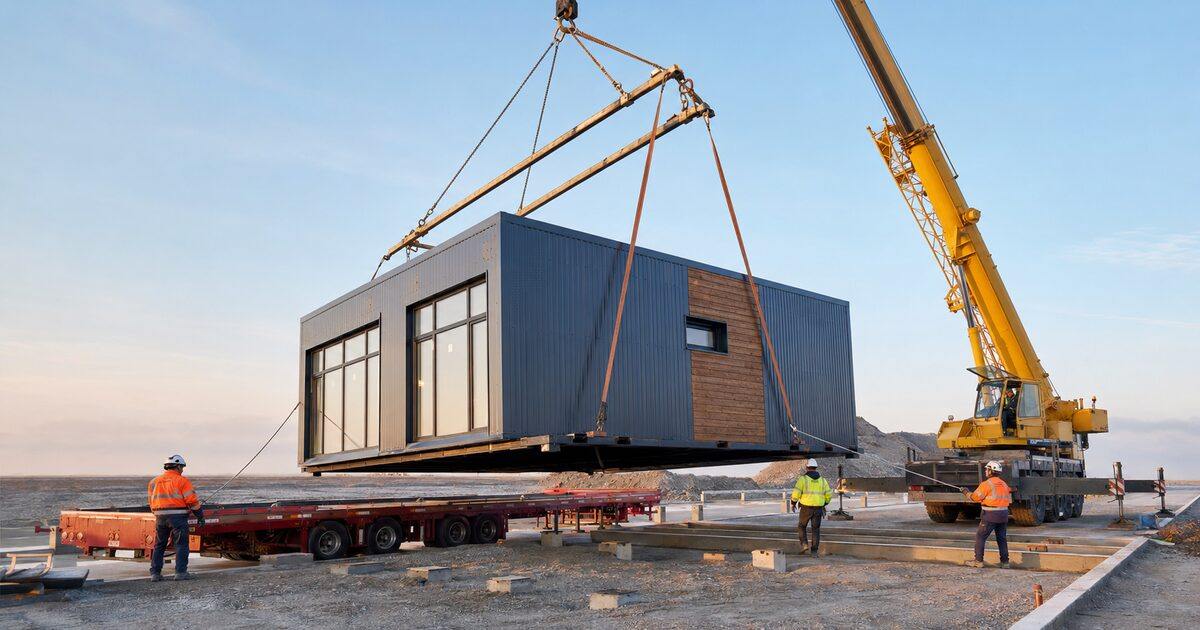
Although not every modular building is intended to be relocated, many applications such as workforce accommodation, temporary offices, educational facilities, healthcare buildings, and industrial camps can benefit from relocatable designs.
Important considerations include:
Structural Design
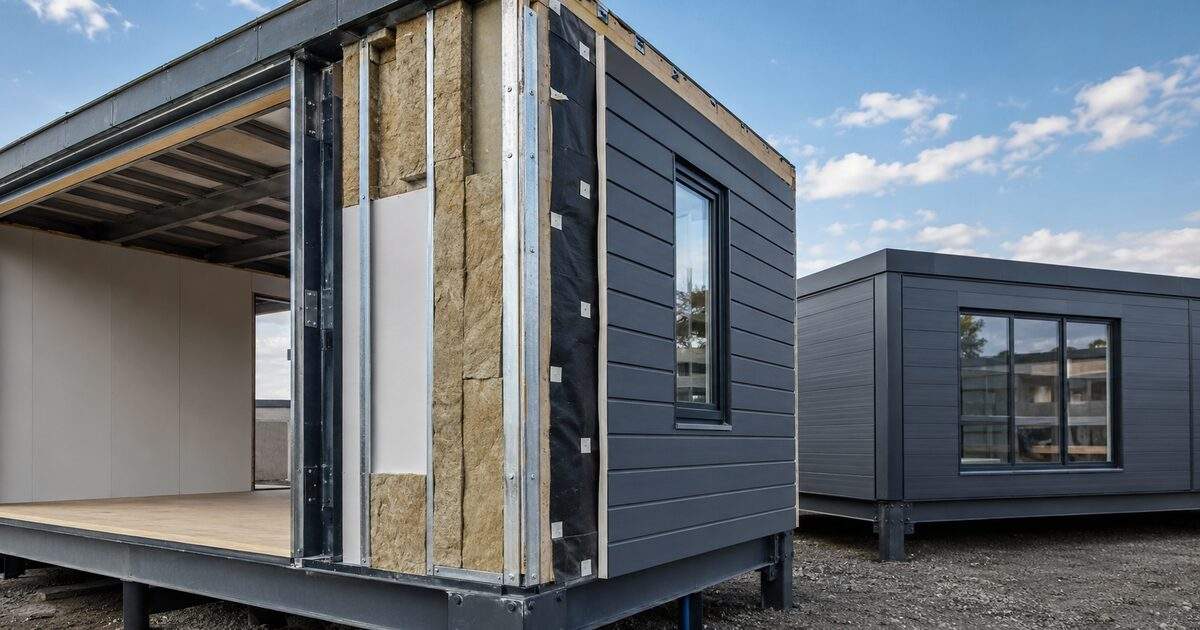
Modules should be engineered to withstand lifting, transportation, and multiple installation cycles where relocation is anticipated.
Module Dimensions
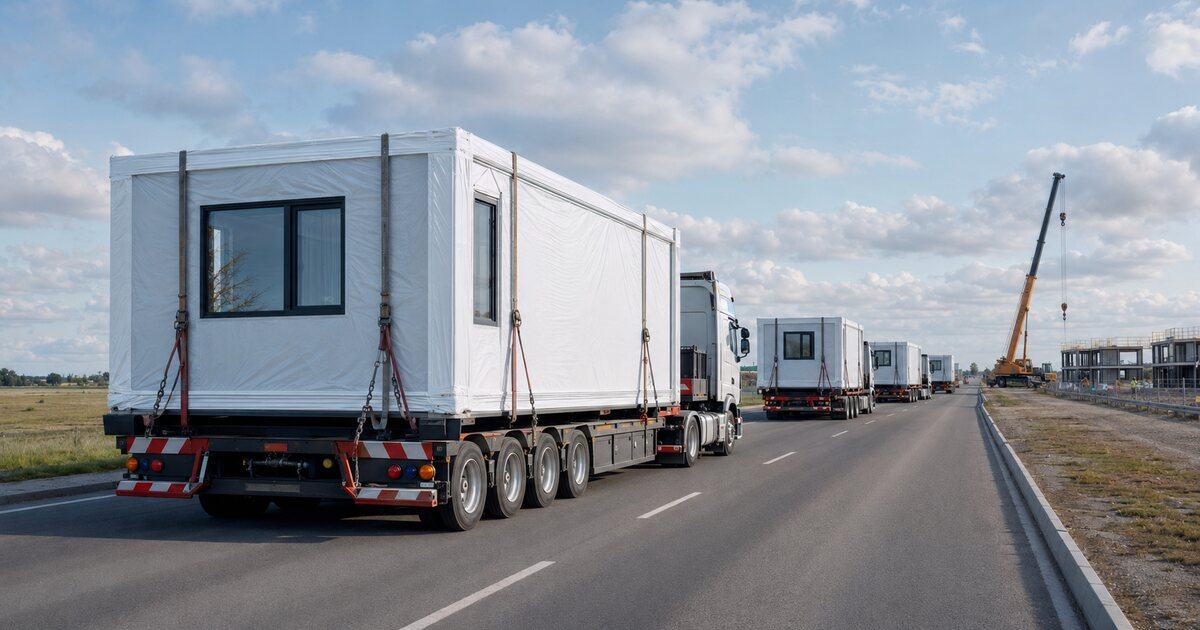
Transportation limits for width, height, weight, and route access should be reviewed before relocation.
Logistics and Installation
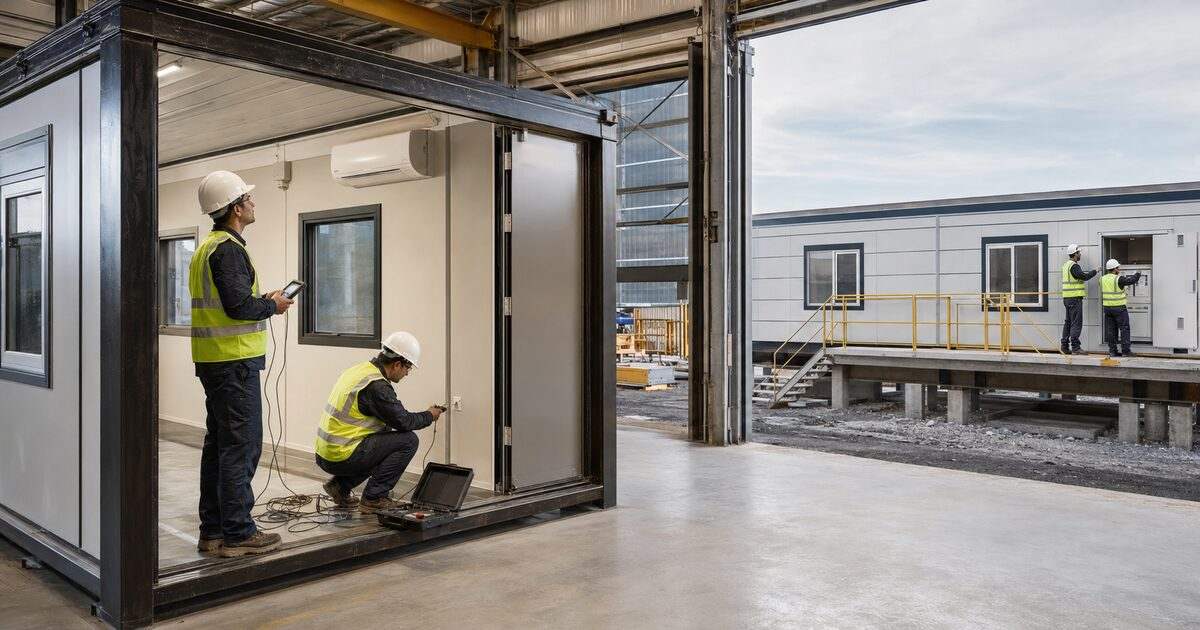
Relocation generally involves disassembly (where required), lifting, transportation, unloading, positioning, and reconnection of building systems.
New Site Preparation
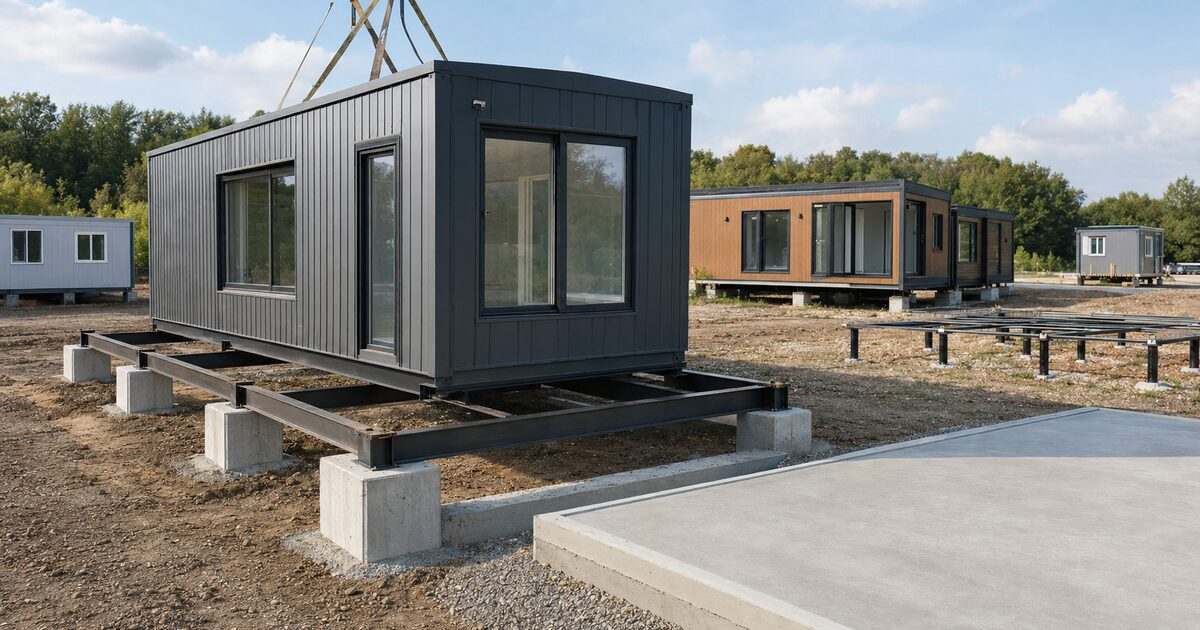
The new location may require a different foundation design, utility connections, and site preparation based on local conditions.
Regulatory Compliance
Permits for transportation, installation, and building occupancy should be reviewed according to local regulations.
Frequently Asked Questions (FAQ)
Q1: Can every modular building be relocated?
Not necessarily. Some modular buildings are specifically designed for relocation, while others are intended to remain in one permanent location. The feasibility depends on engineering design and project requirements.
Q2: What factors affect relocation?
Structural design, module size, transportation routes, lifting methods, foundation requirements, utility reconnections, and local regulations all play important roles.
Q3: What do international buyers usually evaluate?
International buyers commonly evaluate whether the building is designed for relocation, transportation dimensions, lifting points, connection systems, structural integrity after reinstallation, and the supplier's experience with relocation projects.
Q4: Does relocating a modular building require a new foundation?
In many cases, yes. The foundation should be evaluated or redesigned based on the conditions and engineering requirements of the new site.