Design Freeze Improves Project Coordination in Modular Construction
Project Management Institute (PMI)

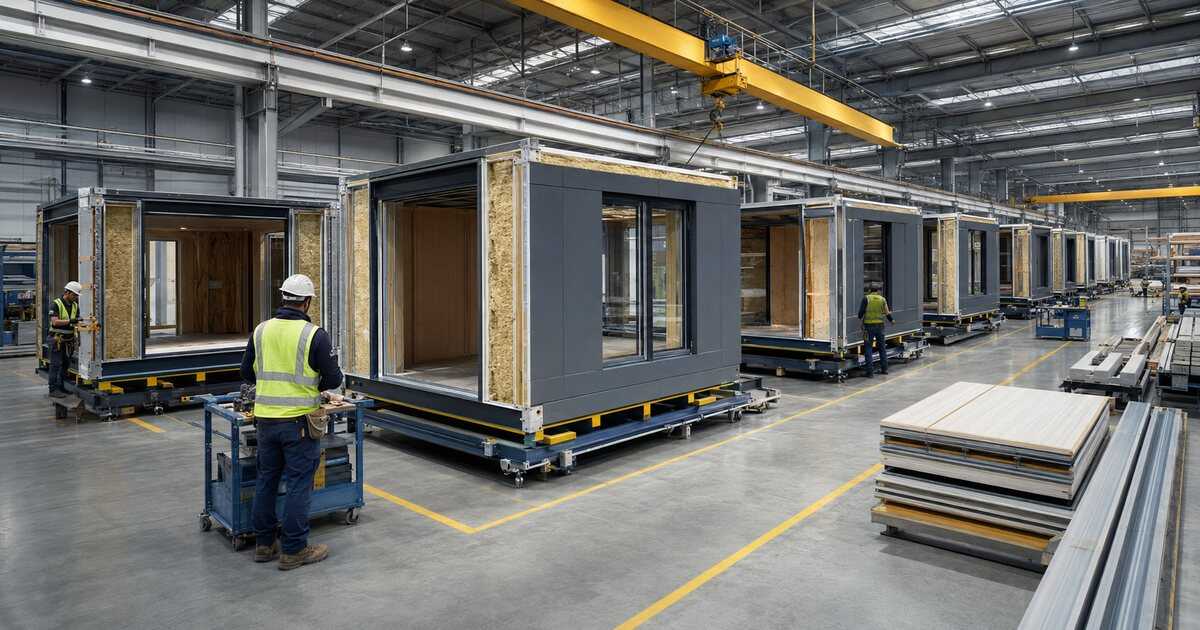
Design Freeze is a project management milestone at which the design is formally approved before manufacturing begins, allowing only controlled changes thereafter. In modular construction, where factory production starts well before on-site installation, this process helps prevent costly redesigns, production delays, and material waste.
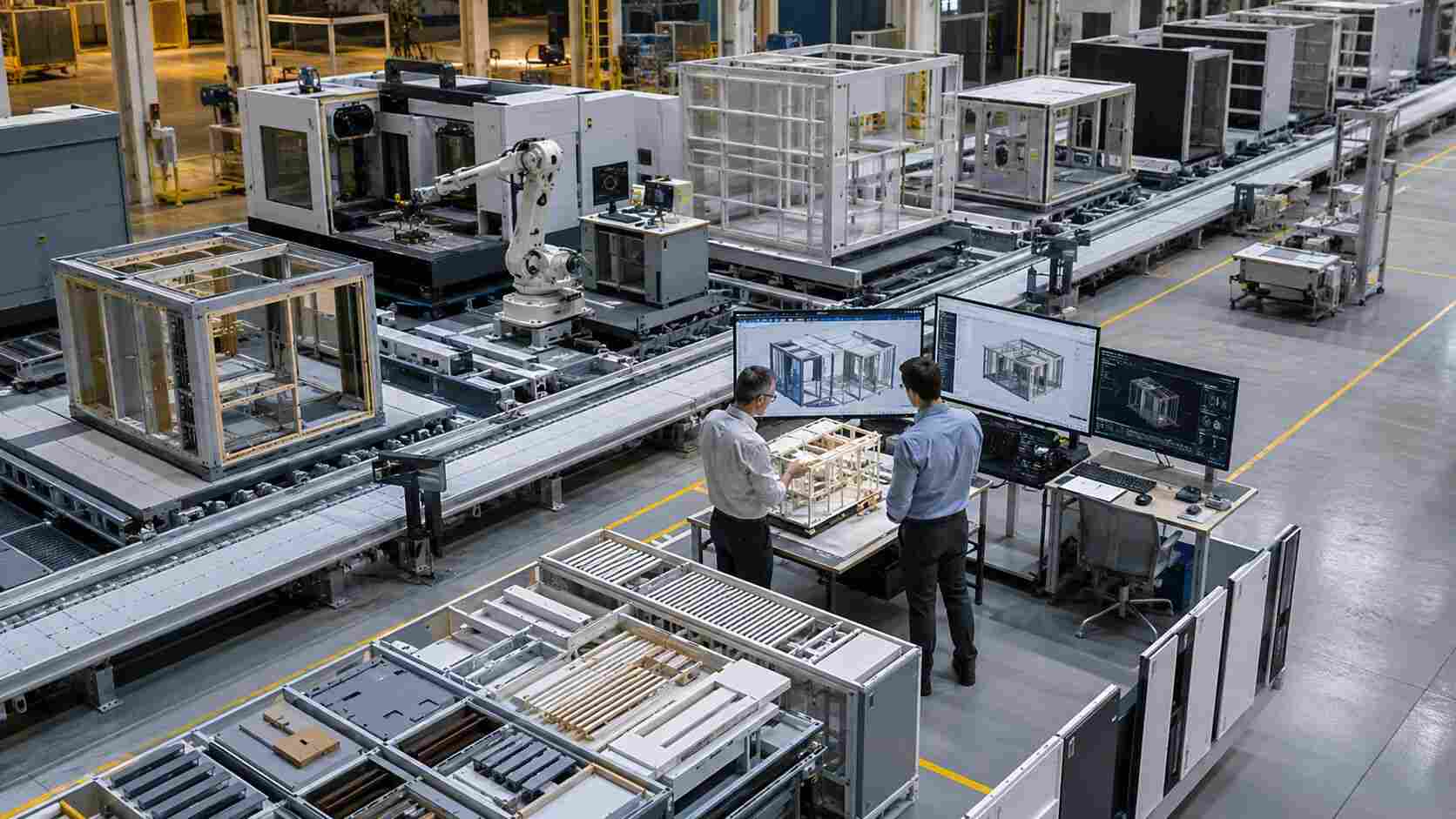
The Design Freeze stage typically covers architectural layouts, structural systems, MEP coordination, module dimensions, connection details, transportation requirements, and installation interfaces. Establishing a stable design baseline enables engineering, procurement, manufacturing, and construction teams to work more efficiently and consistently.
With the increasing use of BIM, digital document management, cloud collaboration, and project management platforms, many modular construction companies are improving design review, version control, and interdisciplinary coordination, making the Design Freeze process more reliable and transparent.
Frequently Asked Questions (FAQ)
Q1: What is Design Freeze?
Design Freeze is the formal approval of a project design before manufacturing or construction begins, limiting major design changes during later project stages.
Q2: Why is Design Freeze important in modular construction?
Because modular components are manufactured in advance, stable designs help avoid production interruptions, reduce rework, improve quality, and support on-time project delivery.
Q3: What do international buyers usually evaluate?
International buyers commonly review design approval procedures, change management processes, engineering coordination, BIM workflows, documentation control, manufacturing readiness, and project quality assurance.
Q4: What are the future trends?
Future developments are expected to include AI-assisted design verification, automated clash detection, cloud-based engineering collaboration, digital approval workflows, and tighter integration between BIM, manufacturing, and project management systems.