DFMA Enhances Modular Construction Through Integrated Design and Manufacturing
Centre for Offsite Construction + Innovative
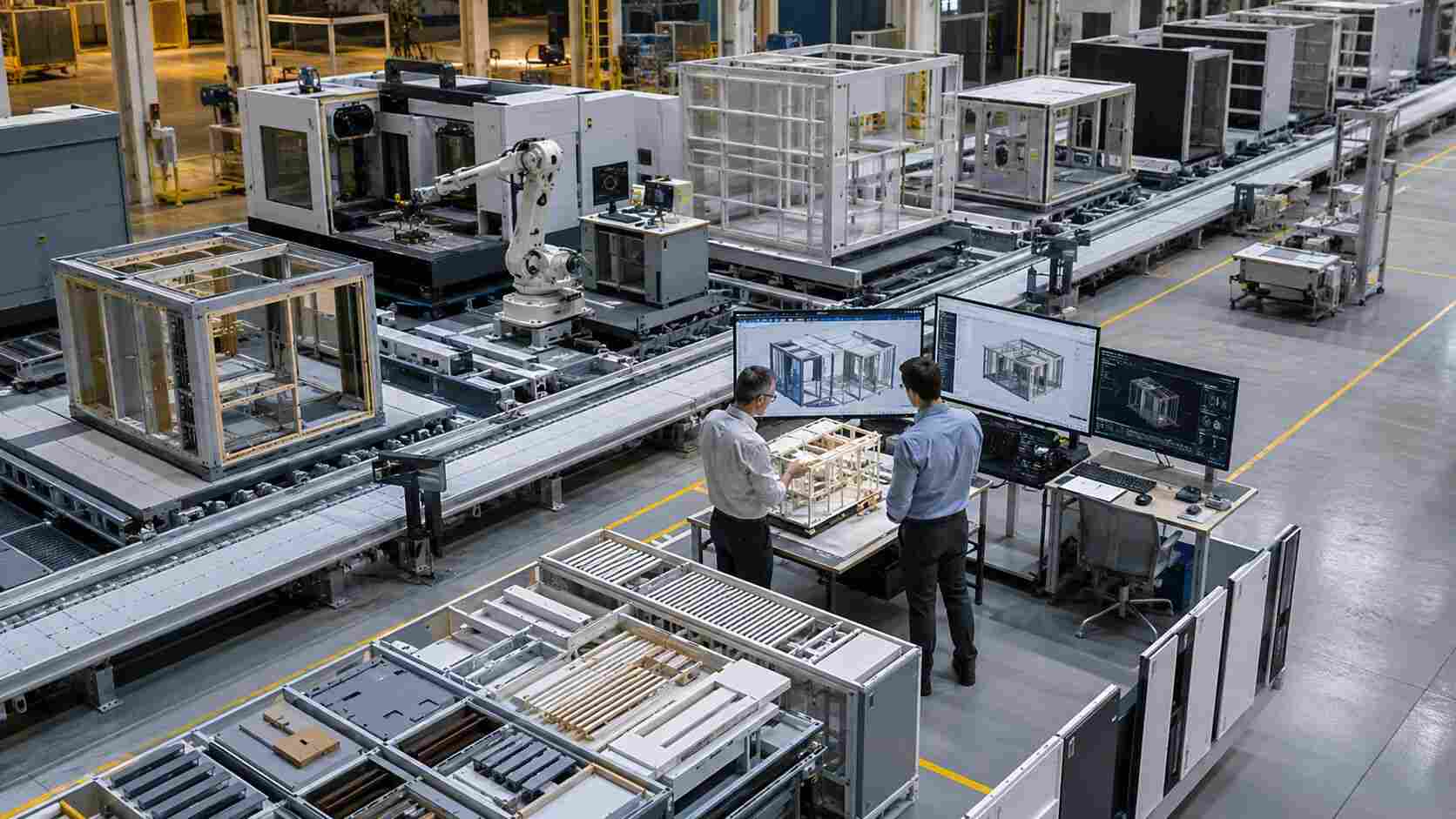
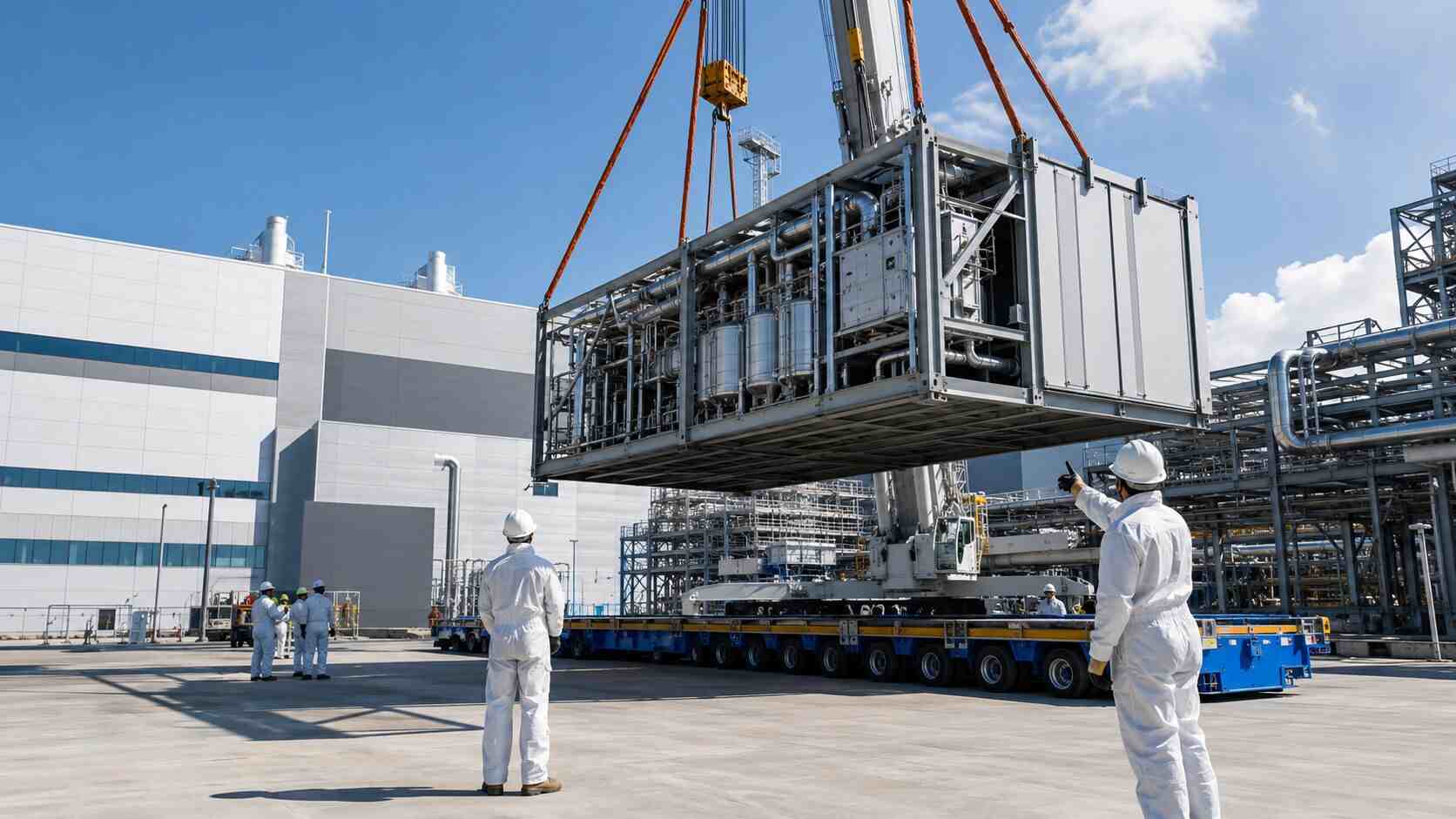
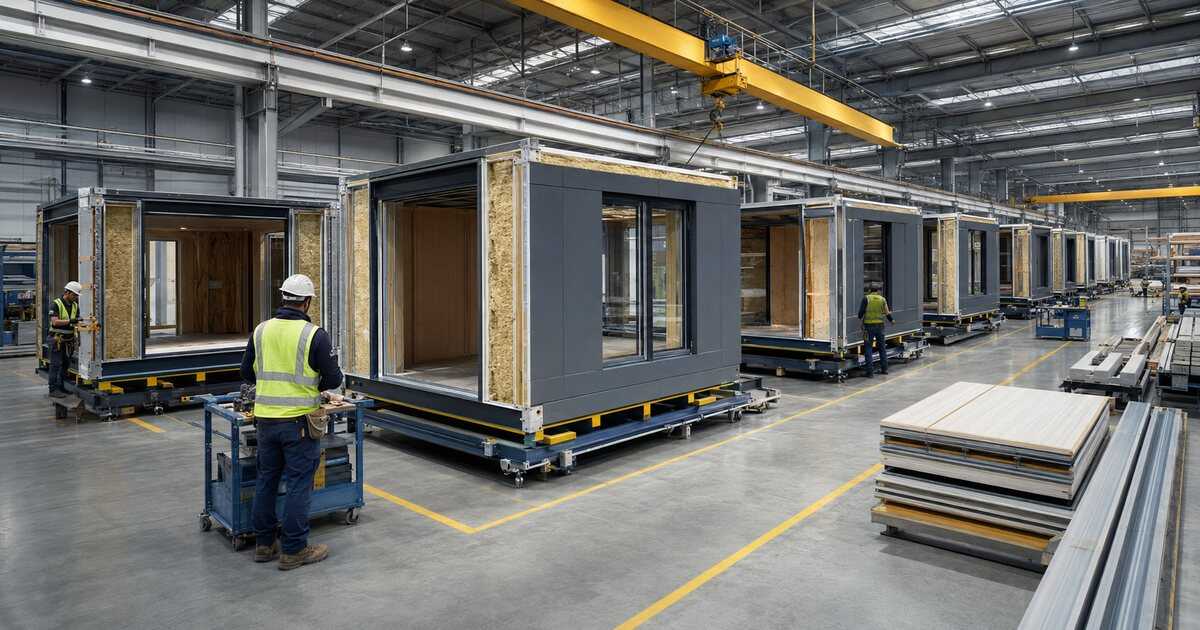
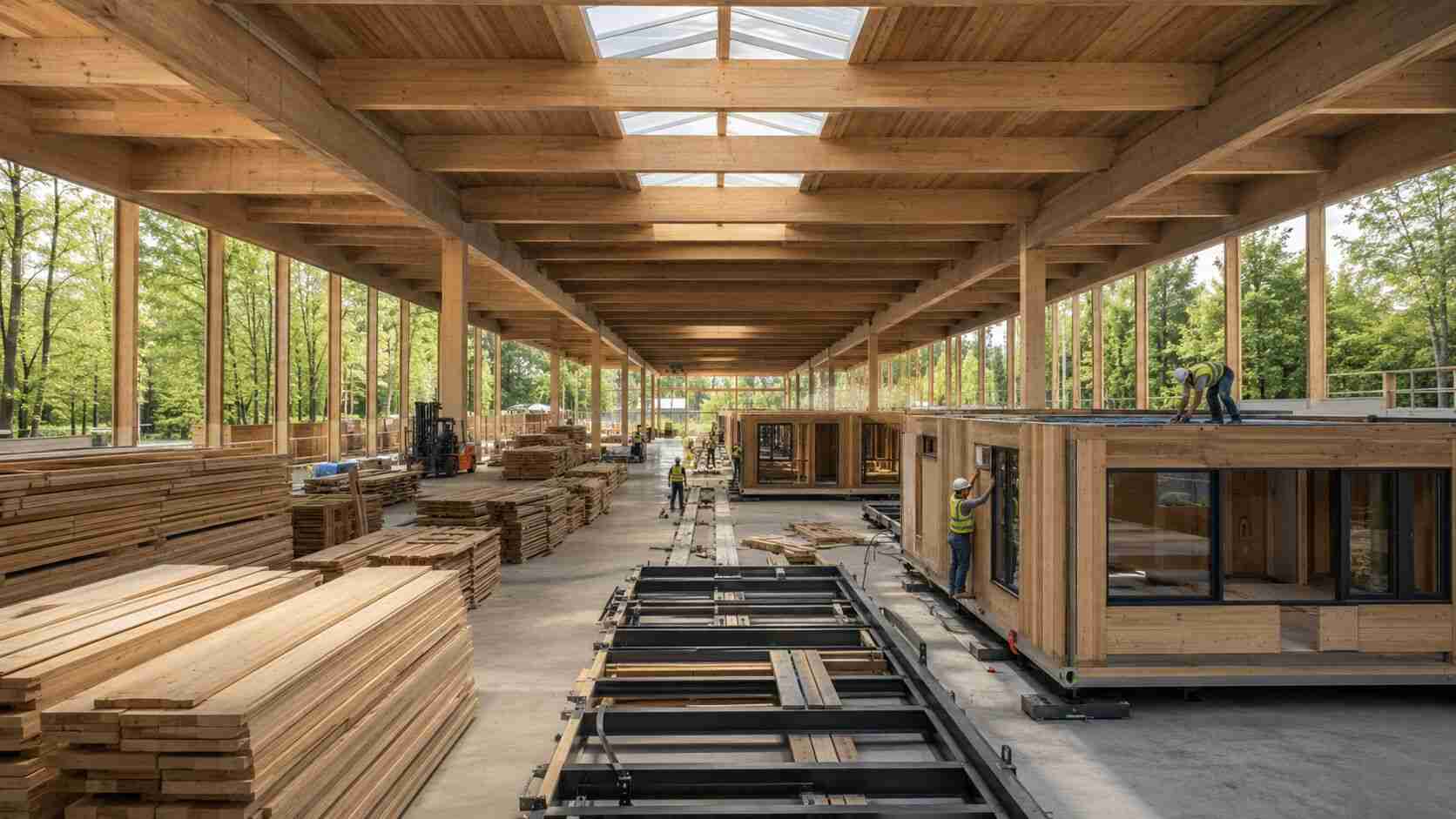
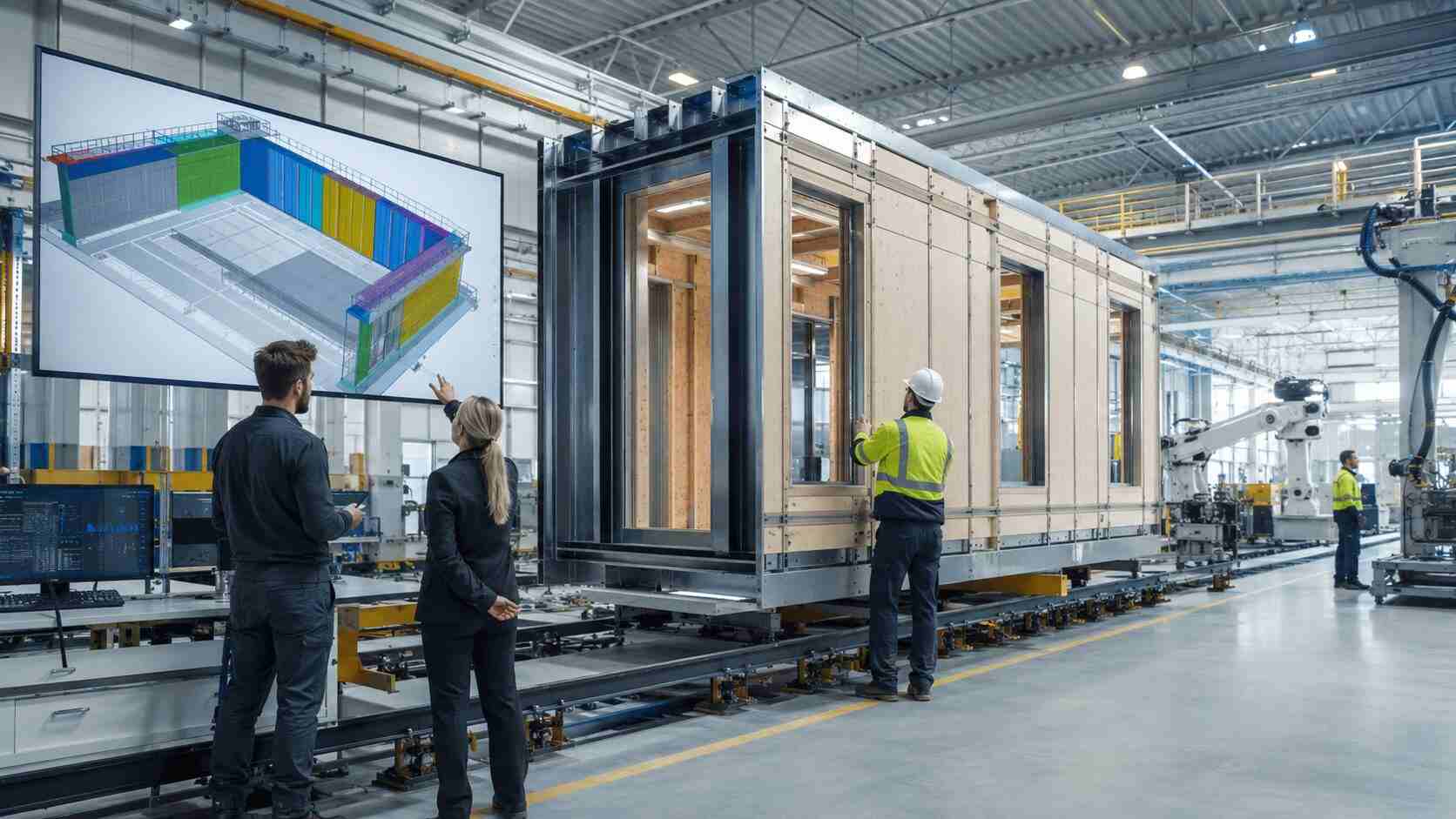
DFMA is an engineering approach that integrates design, manufacturing, transportation, and assembly considerations from the earliest stages of a project. In modular construction, it helps optimize module dimensions, structural connections, material usage, and production workflows before fabrication begins.
Projects developed using DFMA principles often achieve higher levels of factory prefabrication, reduced on-site work, improved quality consistency, and shorter construction schedules. Better collaboration between architects, engineers, manufacturers, and installation teams also contributes to more predictable project outcomes.
As BIM, parametric design, digital twins, robotics, and automated manufacturing technologies continue to advance, DFMA is becoming a key strategy for improving efficiency across modular construction projects in residential, healthcare, education, industrial, and public infrastructure sectors.
Frequently Asked Questions (FAQ)
Q1: What is DFMA?
DFMA stands for Design for Manufacture and Assembly. It is a design approach that considers manufacturing, transportation, and installation requirements from the beginning of a project to improve efficiency and reduce complexity.
Q2: Why is DFMA important in modular construction?
DFMA helps standardize module designs, improve factory production efficiency, reduce on-site work, minimize design changes, and enhance overall project coordination.
Q3: What do international buyers usually evaluate?
International buyers typically evaluate design standardization, manufacturing capability, quality control processes, transportation planning, installation methods, engineering coordination, and compliance with project specifications.
Q4: What are the future trends?
Future developments are expected to include AI-assisted design optimization, parametric modeling, BIM-driven manufacturing, robotic production, digital twins, and greater integration between design and factory automation.