Growing Cold Chain Demand Drives Adoption of Modular Cold Storage Facilities
Building Design + Construction
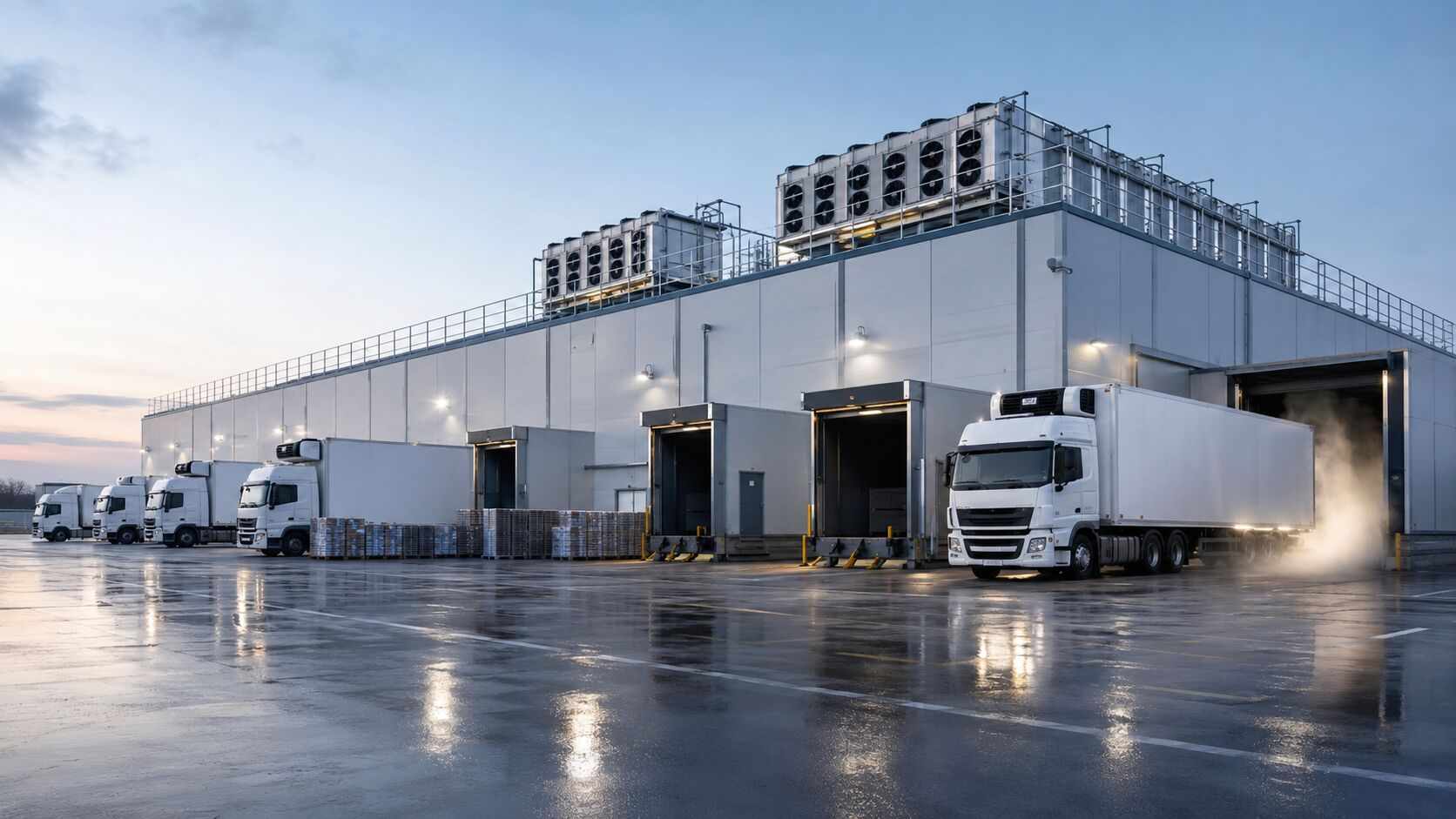
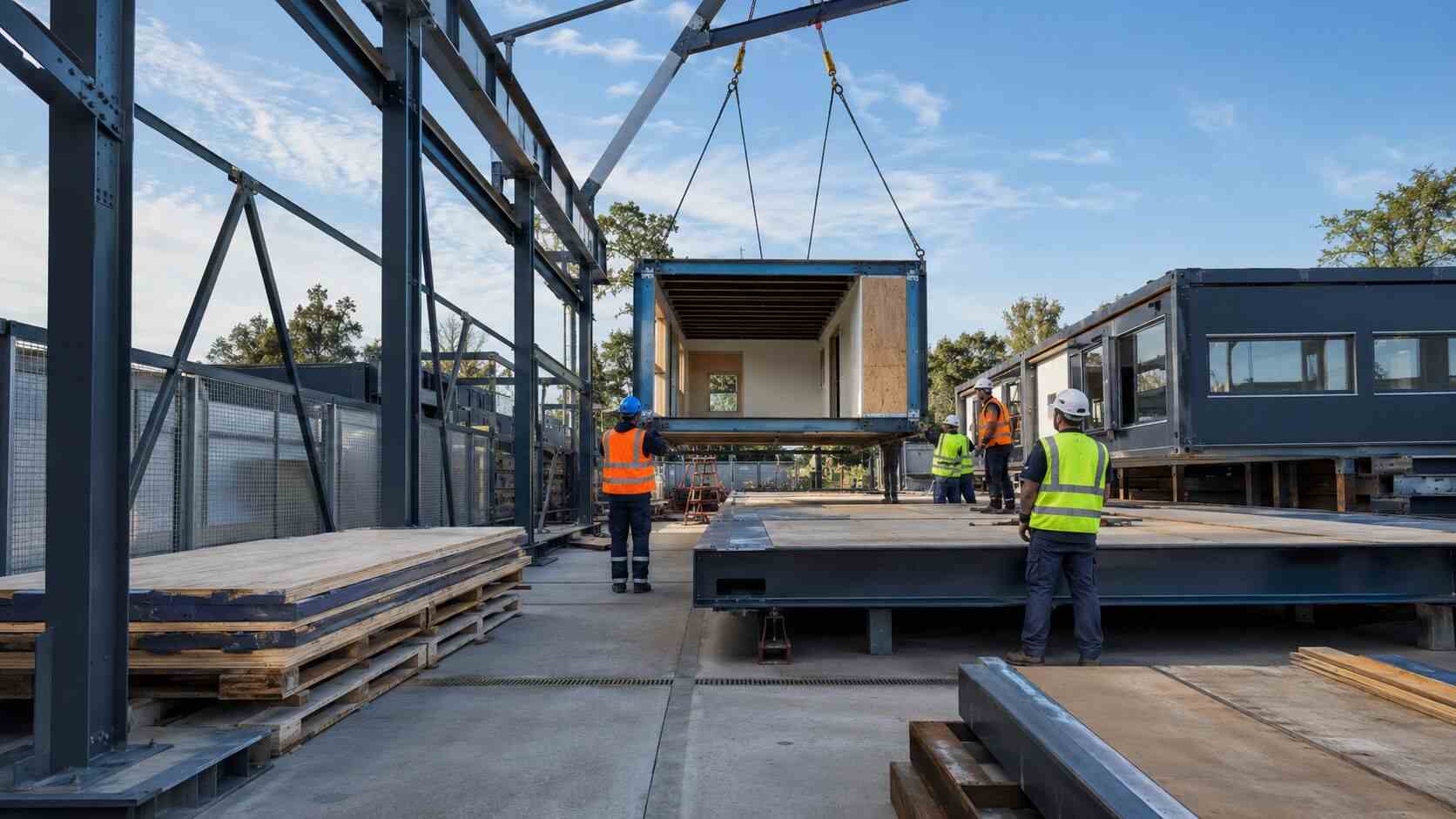
Cold storage facilities require reliable insulation, airtight building envelopes, and stable construction quality to maintain controlled environments. Modular construction allows key building components to be manufactured under factory conditions before rapid installation on site, improving efficiency and construction consistency.
Modular cold storage solutions are suitable for food processing, agricultural logistics, pharmaceutical warehousing, distribution centers, and emergency storage facilities. As global cold chain networks continue to expand, factory-built construction is providing developers with greater flexibility and faster project delivery.
Frequently Asked Questions (FAQ)
Q1: Why is modular construction suitable for cold storage facilities?
Modular construction enables precise manufacturing under controlled factory conditions, helping achieve consistent insulation performance and reducing construction time. This is particularly valuable for projects requiring reliable temperature-controlled environments.
Q2: Which industries benefit most from modular cold storage buildings?
Food processing companies, agricultural exporters, pharmaceutical manufacturers, logistics providers, supermarkets, and healthcare organizations all benefit from modular cold storage because these facilities can be delivered quickly and adapted to changing operational needs.
Q3: What should buyers evaluate before selecting a modular cold storage supplier?
Buyers should review insulation performance, structural design, energy efficiency, compliance with local regulations, manufacturing quality, transportation capability, and installation experience. Long-term operating efficiency is also an important factor.
Q4: What are the future trends in modular cold storage construction?
Future projects are expected to focus on higher energy efficiency, smart monitoring systems, environmentally friendly refrigeration technologies, and flexible modular layouts that allow facilities to expand as storage demand grows.