Modular Construction Supports Battery Energy Storage System (BESS) Infrastructure
International Energy Agency (IEA)
Battery Energy Storage Systems (BESS) play a critical role in balancing electricity supply and demand, improving grid reliability, and supporting the integration of renewable energy sources. In addition to battery containers and power conversion equipment, BESS projects require supporting infrastructure such as control buildings, electrical rooms, monitoring centers, maintenance workshops, fire protection facilities, and administration offices.
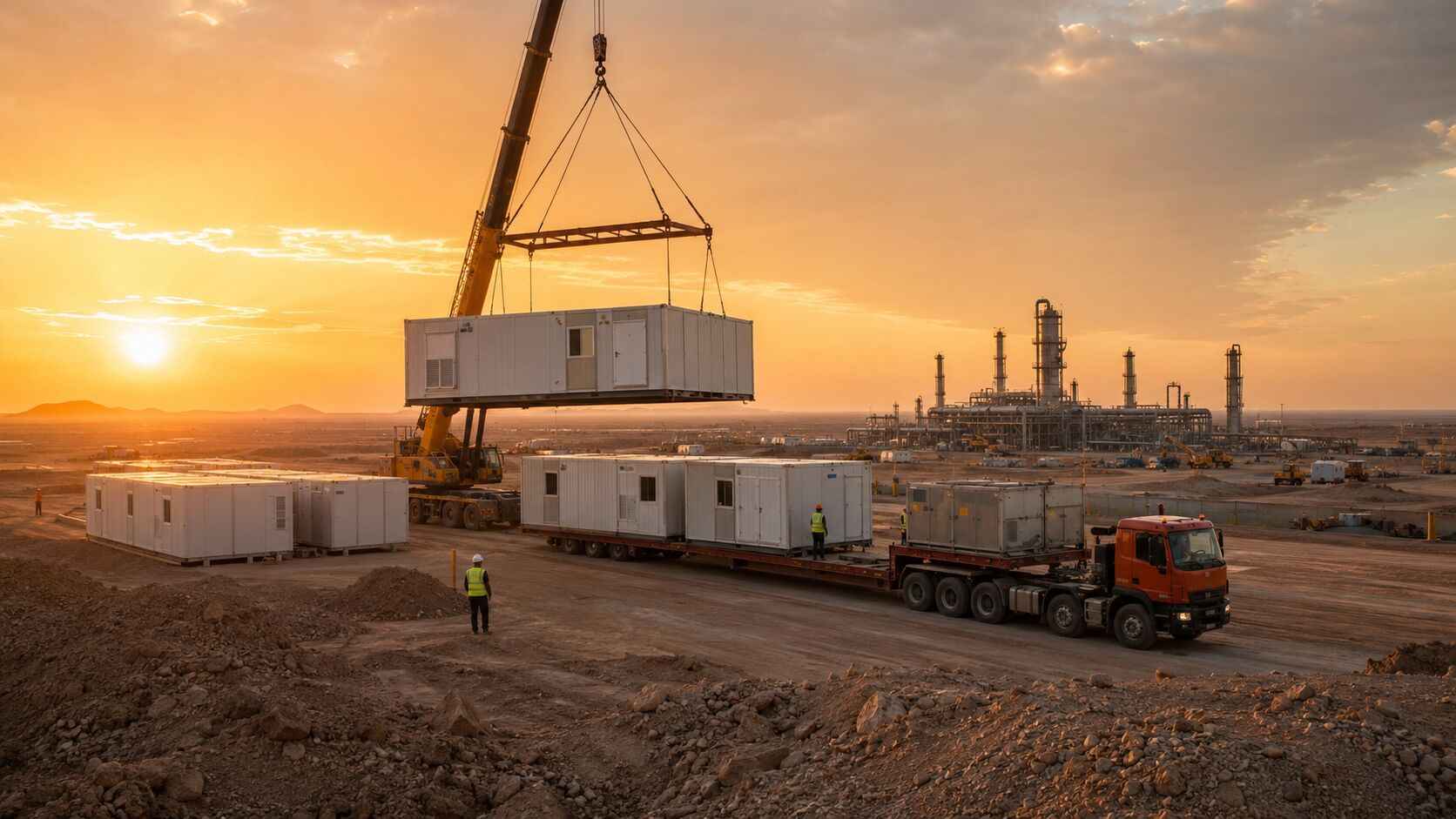
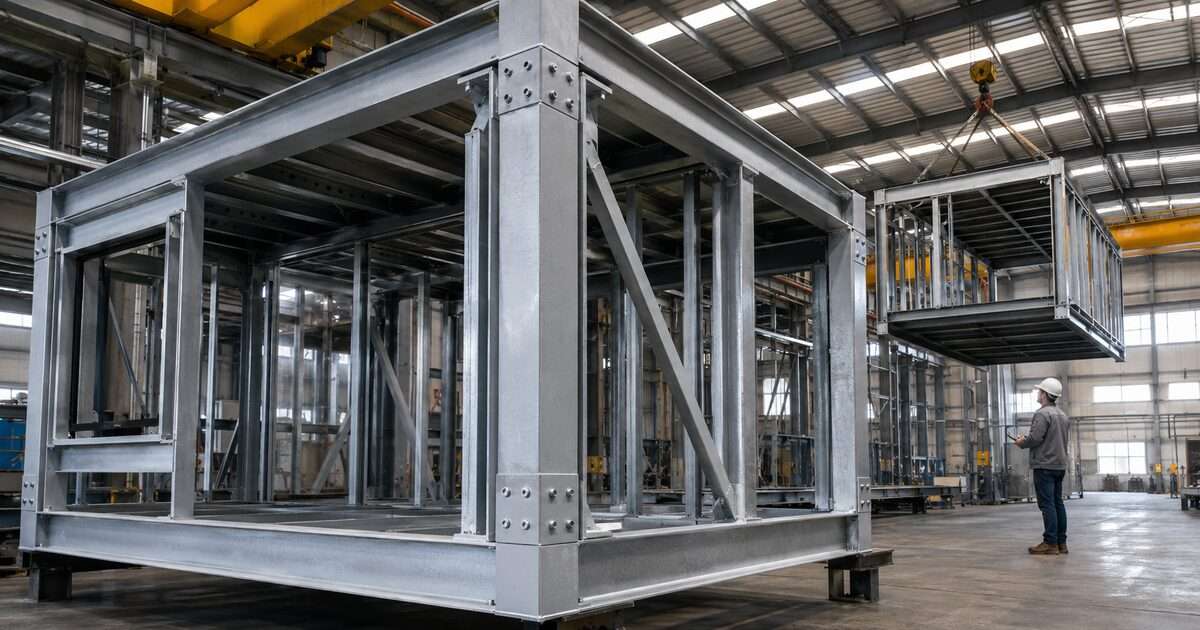
Modular construction enables these supporting buildings to be manufactured in factory-controlled environments while site preparation progresses simultaneously. This approach shortens project schedules, improves quality consistency, reduces on-site labor, and provides greater flexibility for future capacity expansion.
As energy management systems (EMS), smart grids, remote monitoring, and digital maintenance platforms become increasingly common, modular construction is expected to remain an important solution for supporting next-generation energy storage infrastructure.
Frequently Asked Questions (FAQ)
Q1: What is a Battery Energy Storage System (BESS)?
A Battery Energy Storage System (BESS) stores electricity for later use, helping balance power supply, improve grid stability, and support renewable energy integration.
Q2: Why is modular construction suitable for BESS projects?
Modular construction allows supporting buildings to be delivered quickly with consistent quality while reducing on-site work and simplifying future expansion.
Q3: What do international buyers usually evaluate?
International buyers typically assess structural durability, fire protection, environmental performance, electrical integration, quality management, transportation planning, and compliance with applicable utility and safety standards.
Q4: What are the future trends?
Future developments are expected to include larger utility-scale storage projects, AI-powered energy management, digital monitoring systems, renewable energy integration, modular expansion strategies, and advanced battery technologies.


 Infrastructure)