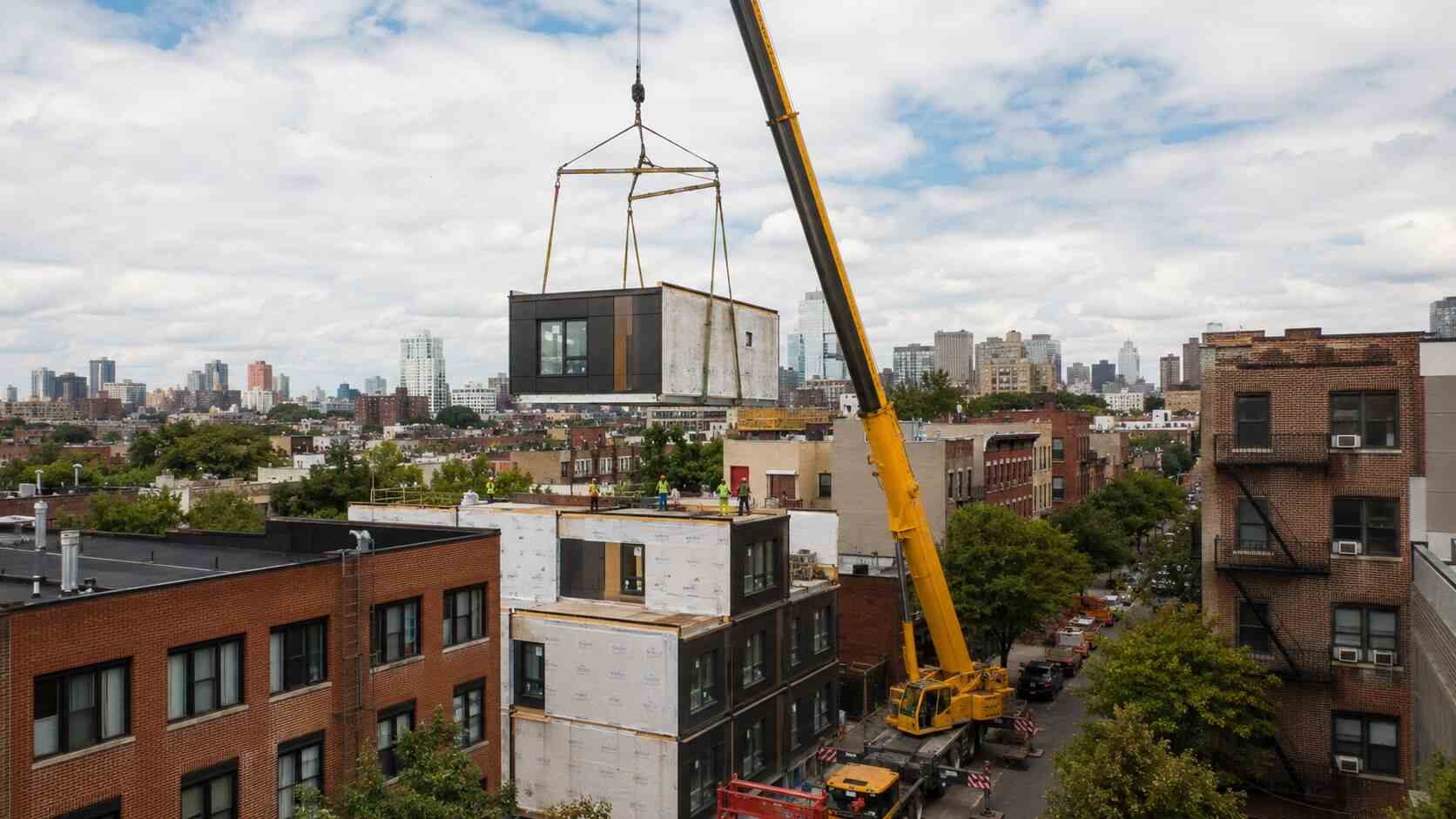
Modular Construction Expands in Remote Infrastructure Projects Through Offsite Building Methods
Modular Building Institute (MBI)
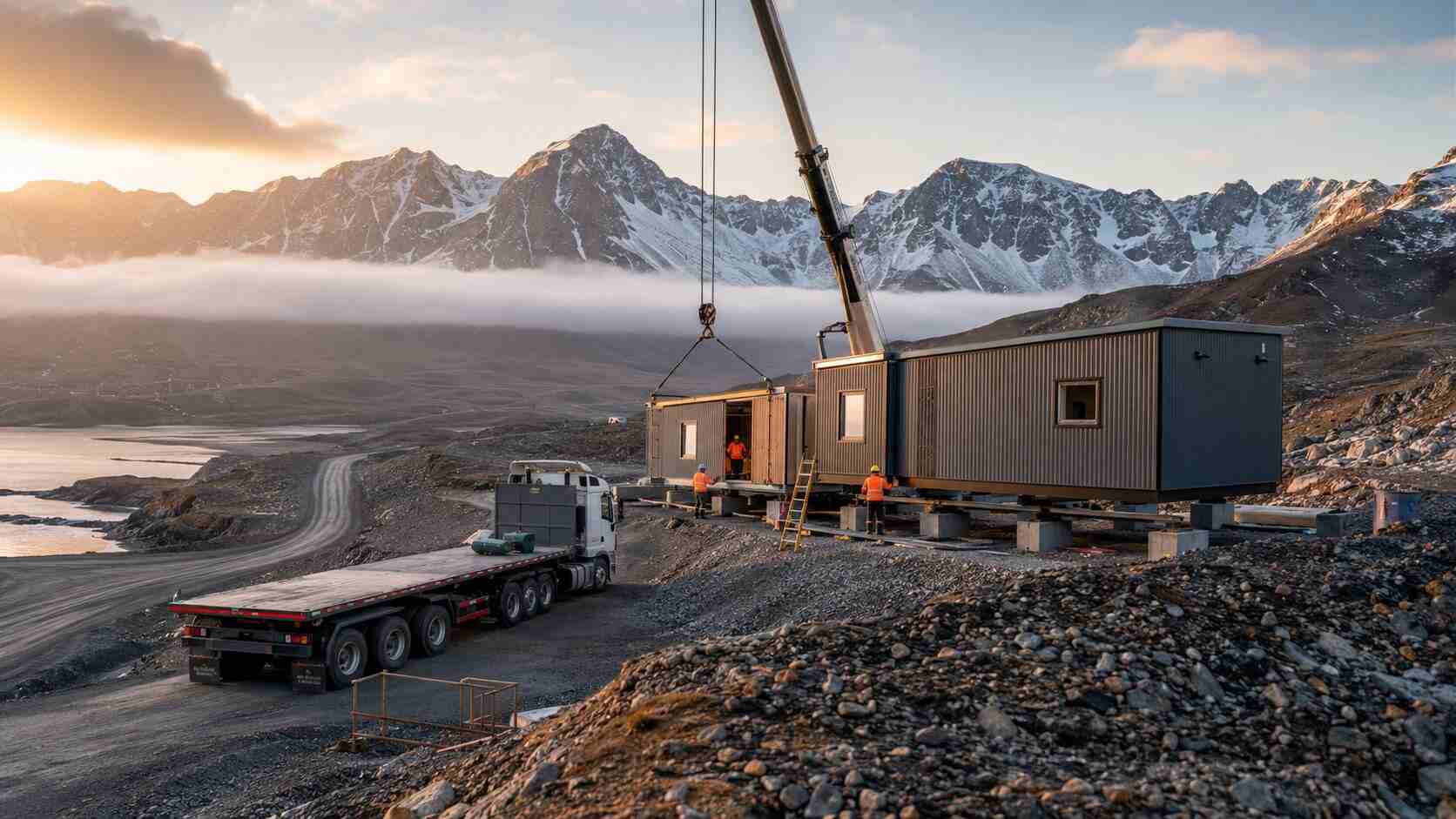
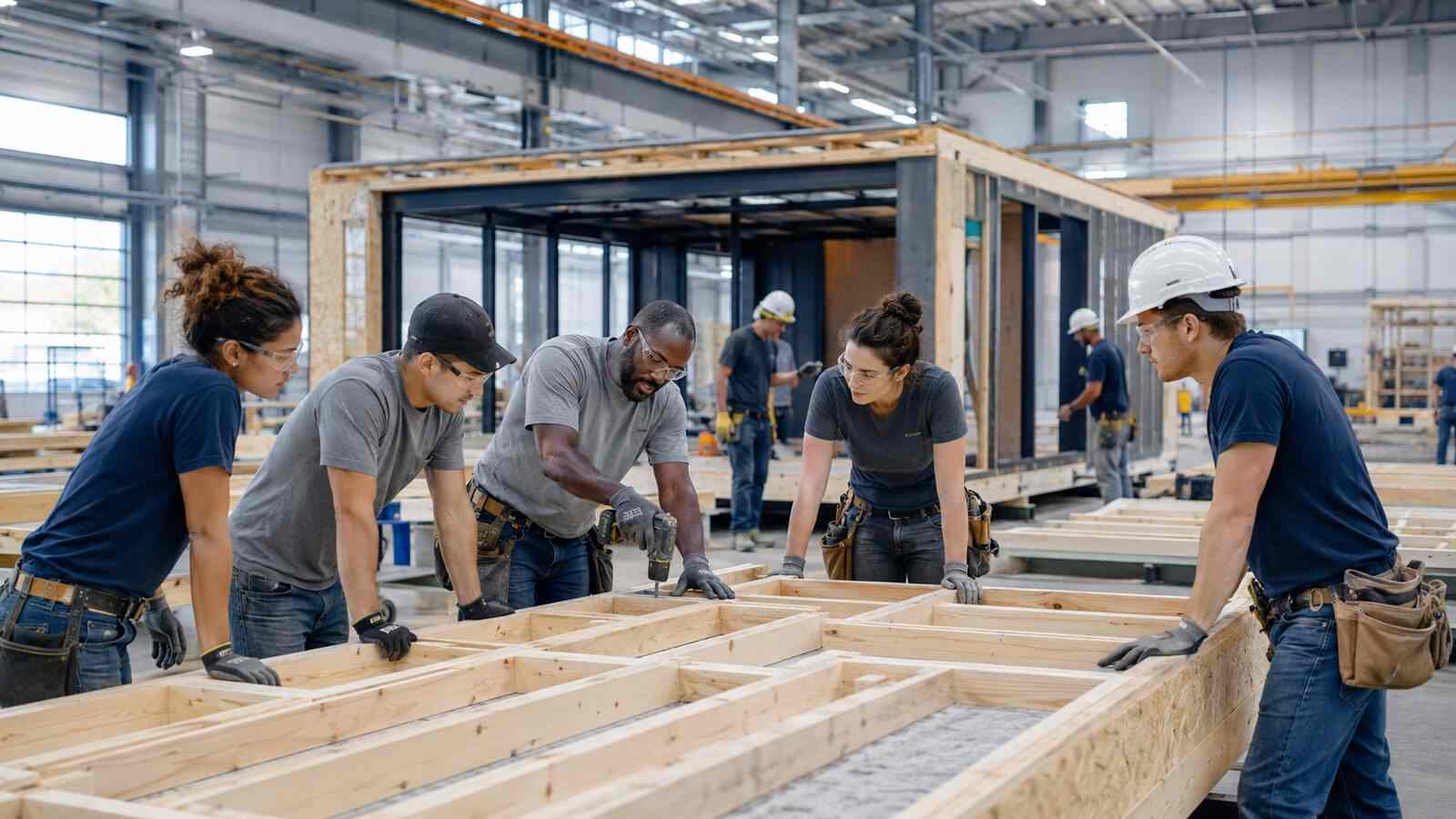
Remote construction projects often face challenges including difficult transportation conditions, limited local labor availability, and long project schedules. Compared with traditional construction methods, modular construction allows building components to be manufactured in controlled factory environments before being transported and assembled on site.
Today, modular buildings are widely used in mining camps, energy projects, workforce accommodation, project offices, tourism facilities, and public infrastructure. These solutions are especially valuable in remote locations where traditional construction resources are limited.
As global investment in energy, mining, and infrastructure continues, demand for rapidly deployable building solutions is expected to increase. International buyers are increasingly focusing on suppliers with strong manufacturing capabilities, engineering experience, logistics expertise, and the ability to deliver complete project solutions.
Frequently Asked Questions (FAQ)
Q1: Why is modular construction suitable for remote projects?
Modular construction is suitable for remote projects because it reduces the amount of work required at the construction site. Most manufacturing activities are completed in a controlled factory environment, allowing projects to overcome challenges such as limited local labor, difficult weather conditions, and transportation restrictions.
Q2: What types of remote projects use modular buildings?
Common applications include mining camps, oil and gas facilities, renewable energy projects, construction camps, remote offices, worker accommodation, tourism facilities, and emergency infrastructure. These projects often require fast deployment and reliable building performance.
Q3: What should international buyers consider when purchasing modular buildings?
Buyers should evaluate manufacturing quality, engineering capability, compliance with local standards, transportation planning, installation support, and supplier experience with similar projects. A reliable supplier should provide solutions suitable for the complete project lifecycle.
Q4: What is the future trend for modular construction in remote areas?
Future growth will be supported by increasing demand for infrastructure development, sustainable construction, and faster project delivery. Digital design, automation, energy-efficient materials, and flexible modular systems will further improve the performance of remote modular buildings.
Related News
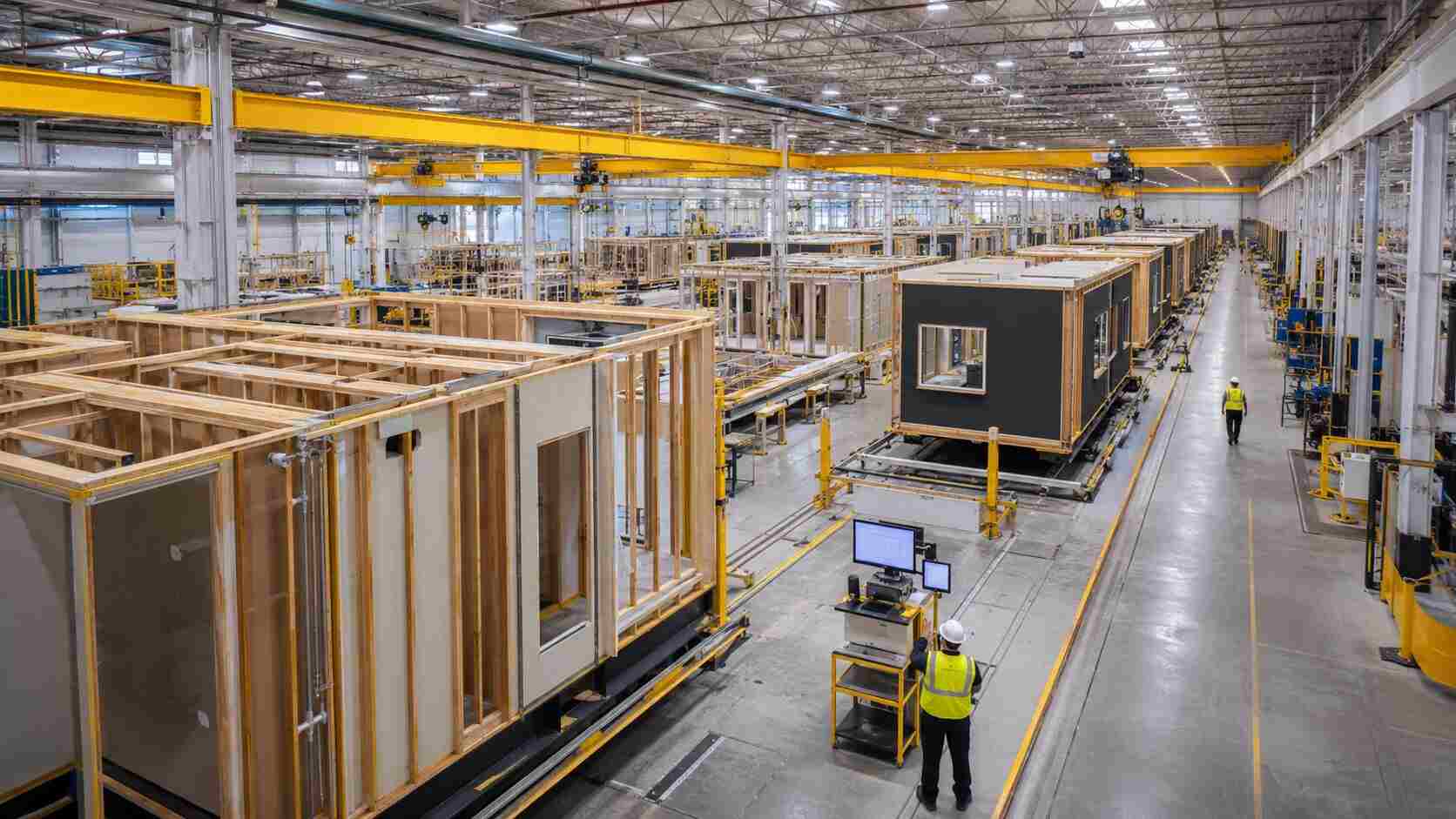
Modular Housing Manufacturing Capacity Expands as Factory Growth Supports Faster Home Delivery
2026-07-22
Read More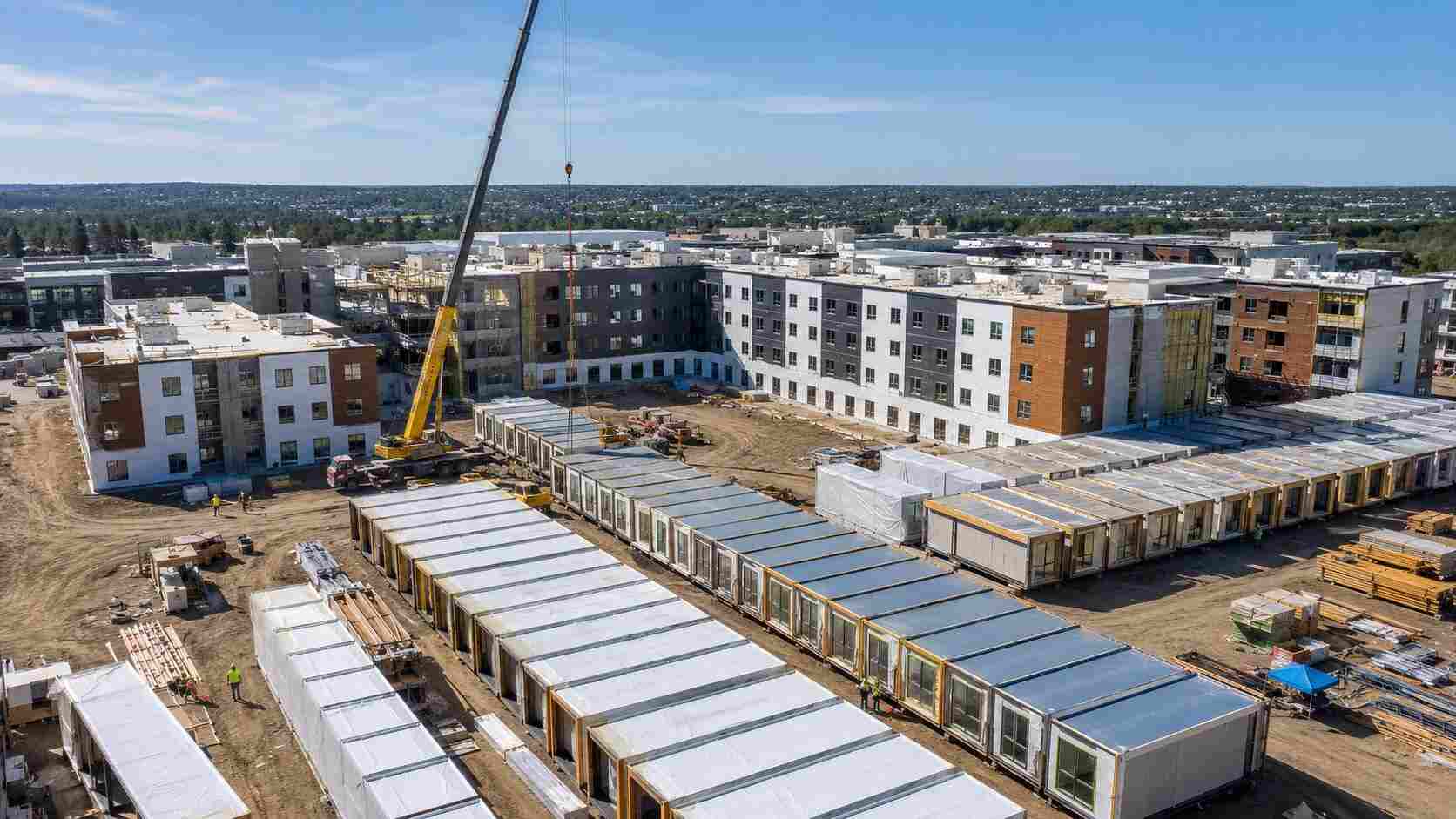
U.S. Permanent Modular Construction Market Reaches $20.5 Billion with Continued Growth Forecast
2026-07-22
Read More