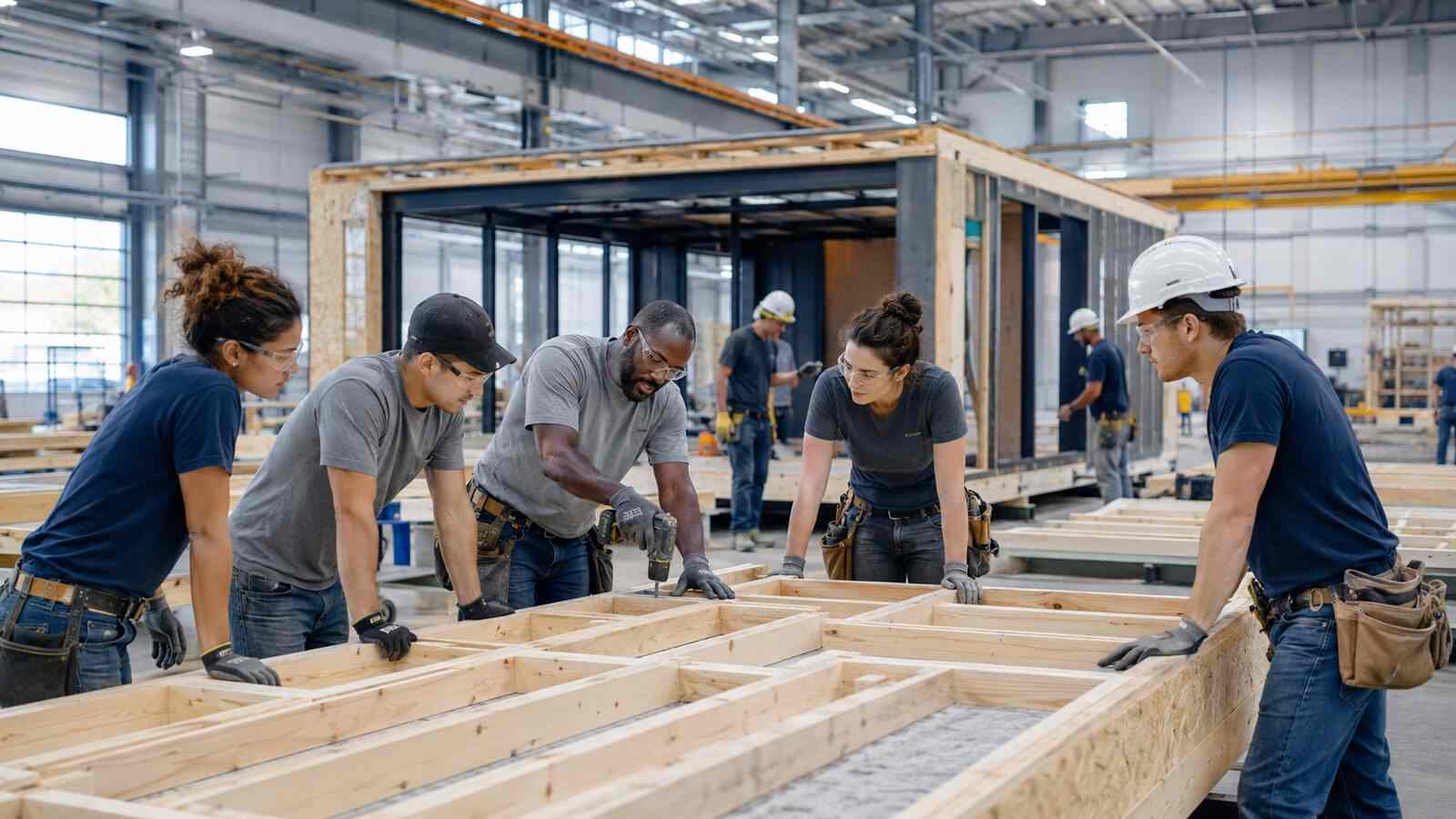
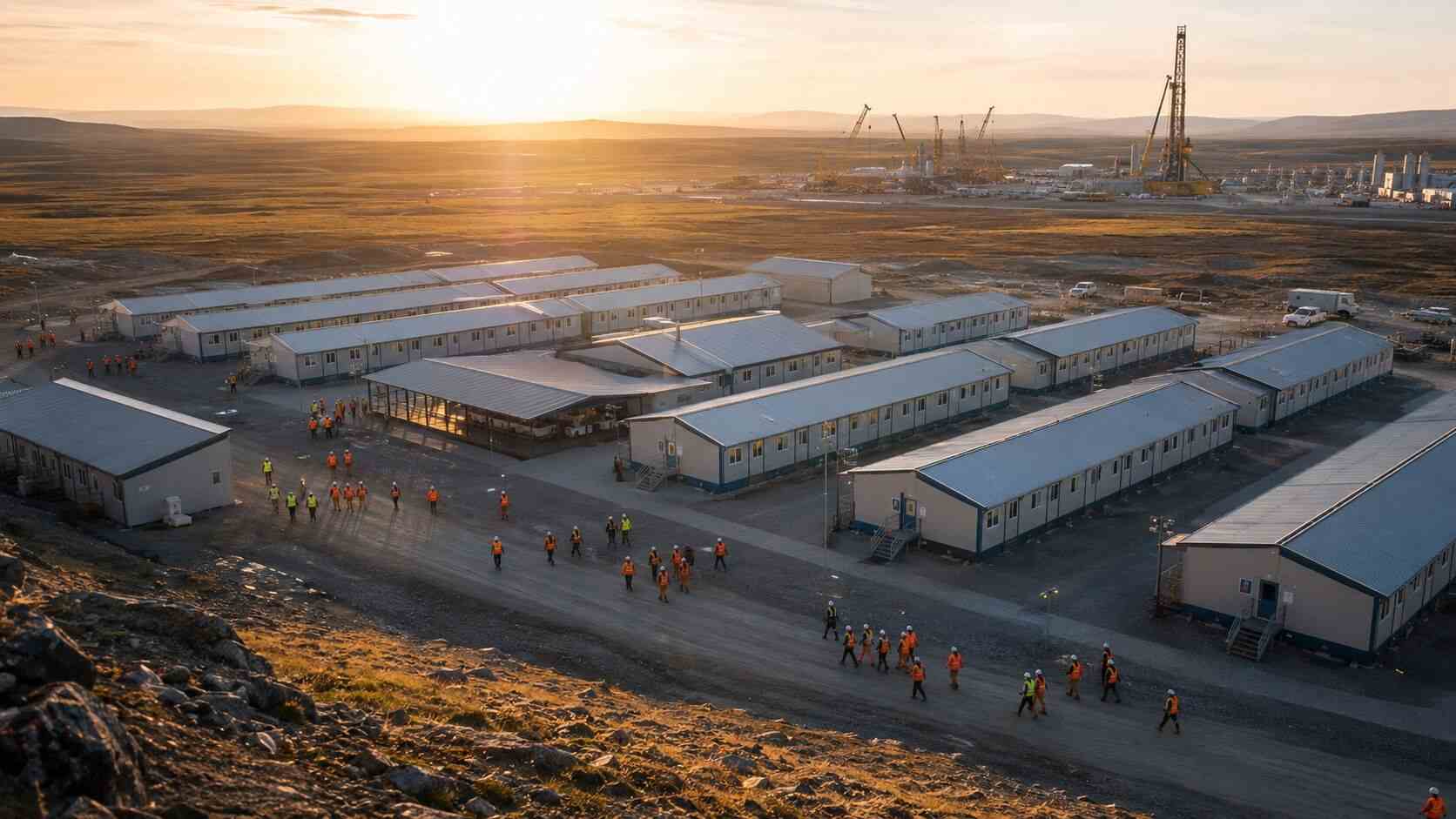
Modular Housing Manufacturing Capacity Expands as Factory Growth Supports Faster Home Delivery
Modular Building Institute (MBI)
The housing market in many regions continues to face significant challenges, including limited housing supply, rising construction costs, and shortages of skilled workers. These conditions are encouraging developers and governments to explore alternative construction methods that can deliver homes faster and more efficiently.
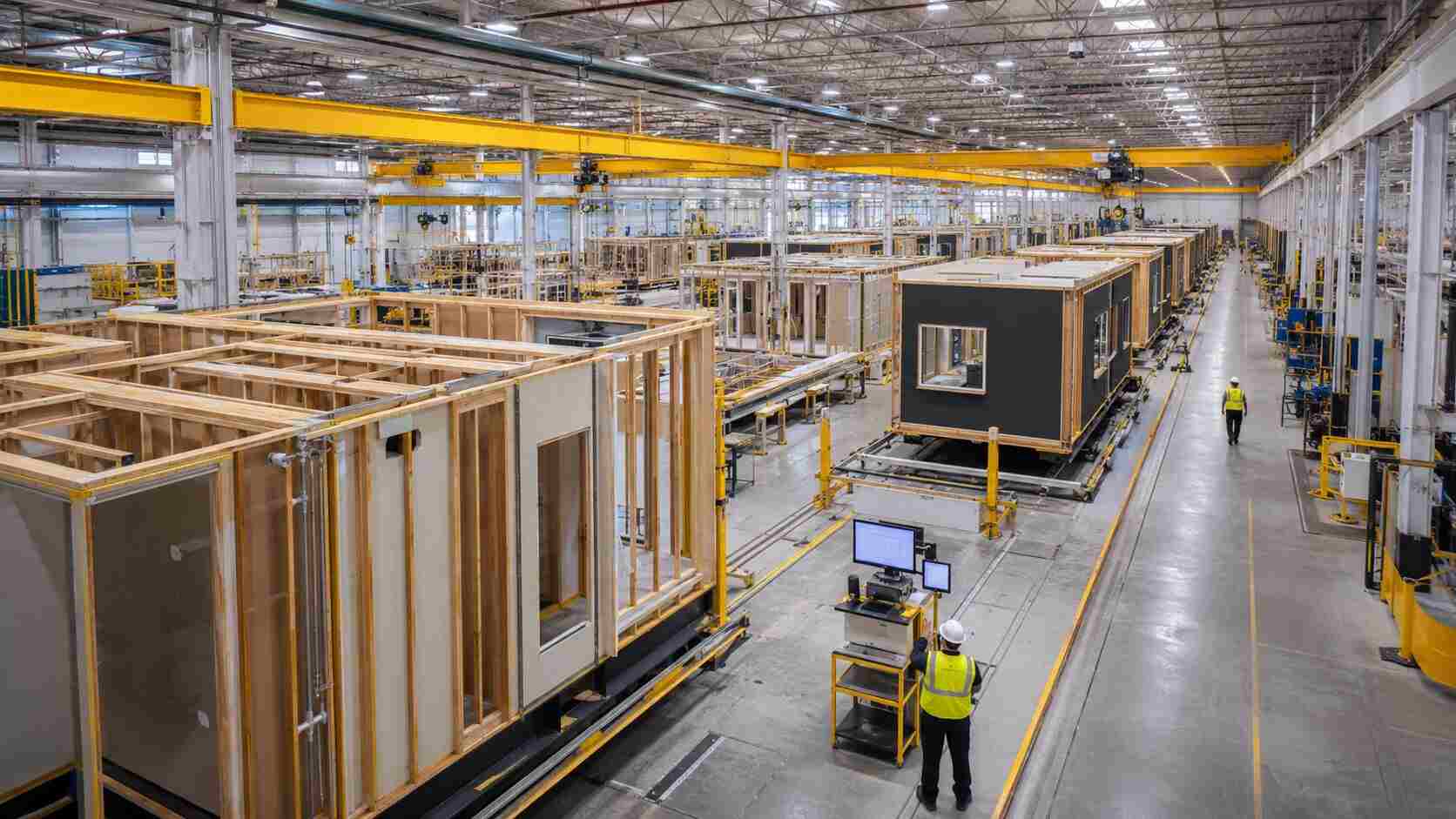
Modular housing provides a solution by transferring much of the construction process from traditional job sites into controlled factory environments. Building modules can be manufactured while site preparation takes place simultaneously, helping reduce overall project schedules and improving production consistency.
The expansion of modular manufacturing capacity represents a broader shift from small-scale prefabrication toward industrialized housing production. Advances in automation, digital design, and supply chain management are allowing manufacturers to produce higher-quality homes at greater scale.
Frequently Asked Questions (FAQ)
Q1: Why are modular housing manufacturers expanding their production capacity?
Modular housing manufacturers are increasing production capacity because demand for faster and more efficient housing solutions continues to grow. Traditional construction methods often face challenges such as labor shortages, weather delays, and rising costs. By expanding factory operations, manufacturers can produce more housing units while maintaining consistent quality and improving delivery schedules.
Q2: What advantages does factory-built housing provide compared with traditional construction?
Factory-built housing provides several advantages, including faster project completion, improved quality control, reduced material waste, and better working conditions. Because most construction activities take place indoors, production is less affected by weather conditions. Standardized manufacturing processes also allow companies to improve efficiency and maintain consistent building performance.
Q3: What should international buyers consider when choosing a modular building supplier?
International buyers should evaluate a supplier’s manufacturing capacity, engineering capabilities, production quality management, certifications, transportation experience, and installation support. A reliable modular building supplier should not only provide products but also offer technical solutions that meet local regulations and project requirements.
Q4: What is the future outlook for global modular housing development?
The global modular housing market is expected to continue growing as governments and developers seek solutions for affordable housing, workforce accommodation, and sustainable construction. Future development will likely focus on automated factories, BIM-based design, energy-efficient materials, and more flexible modular building systems.
Related News
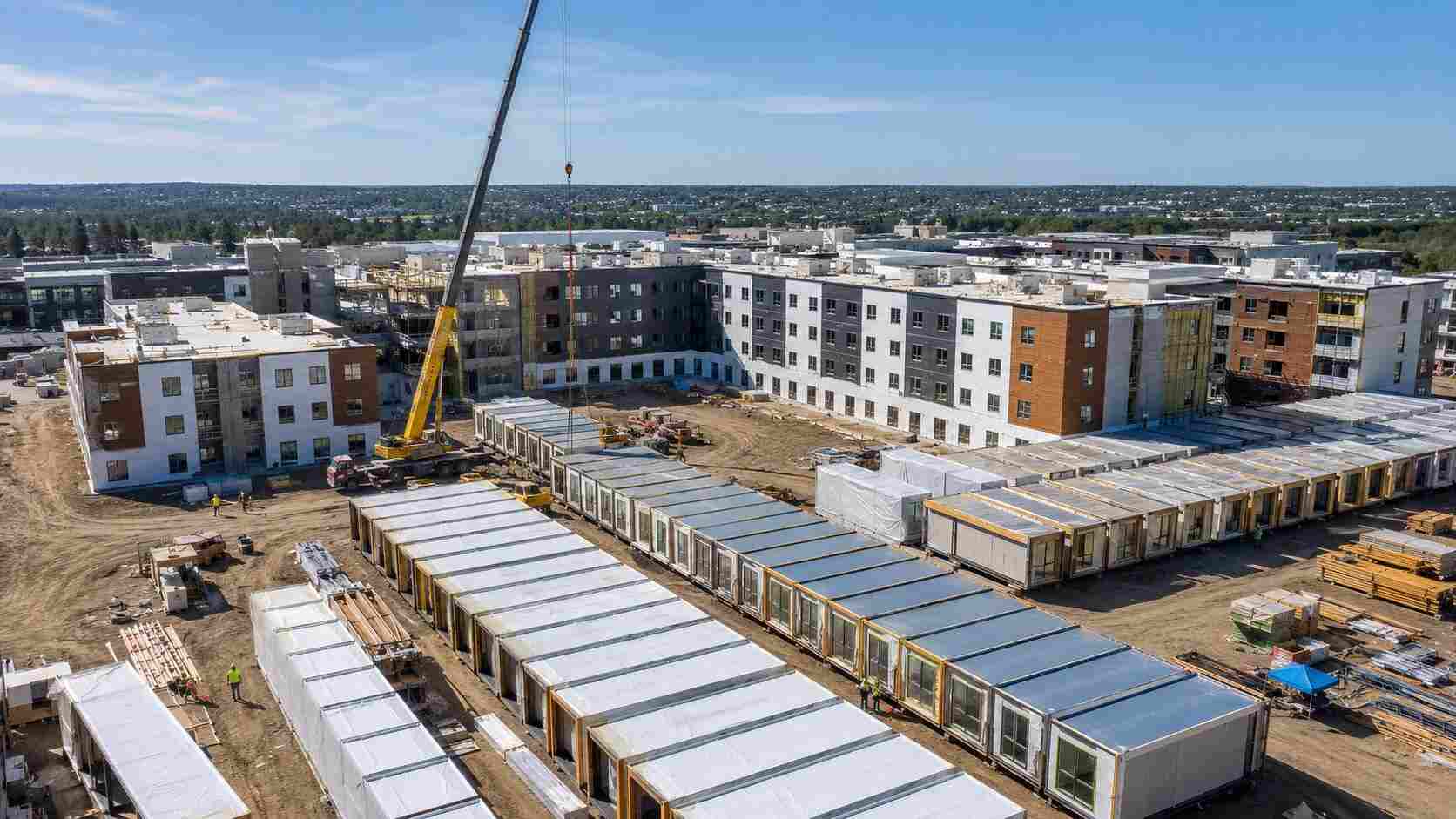
U.S. Permanent Modular Construction Market Reaches $20.5 Billion with Continued Growth Forecast
2026-07-22
Read More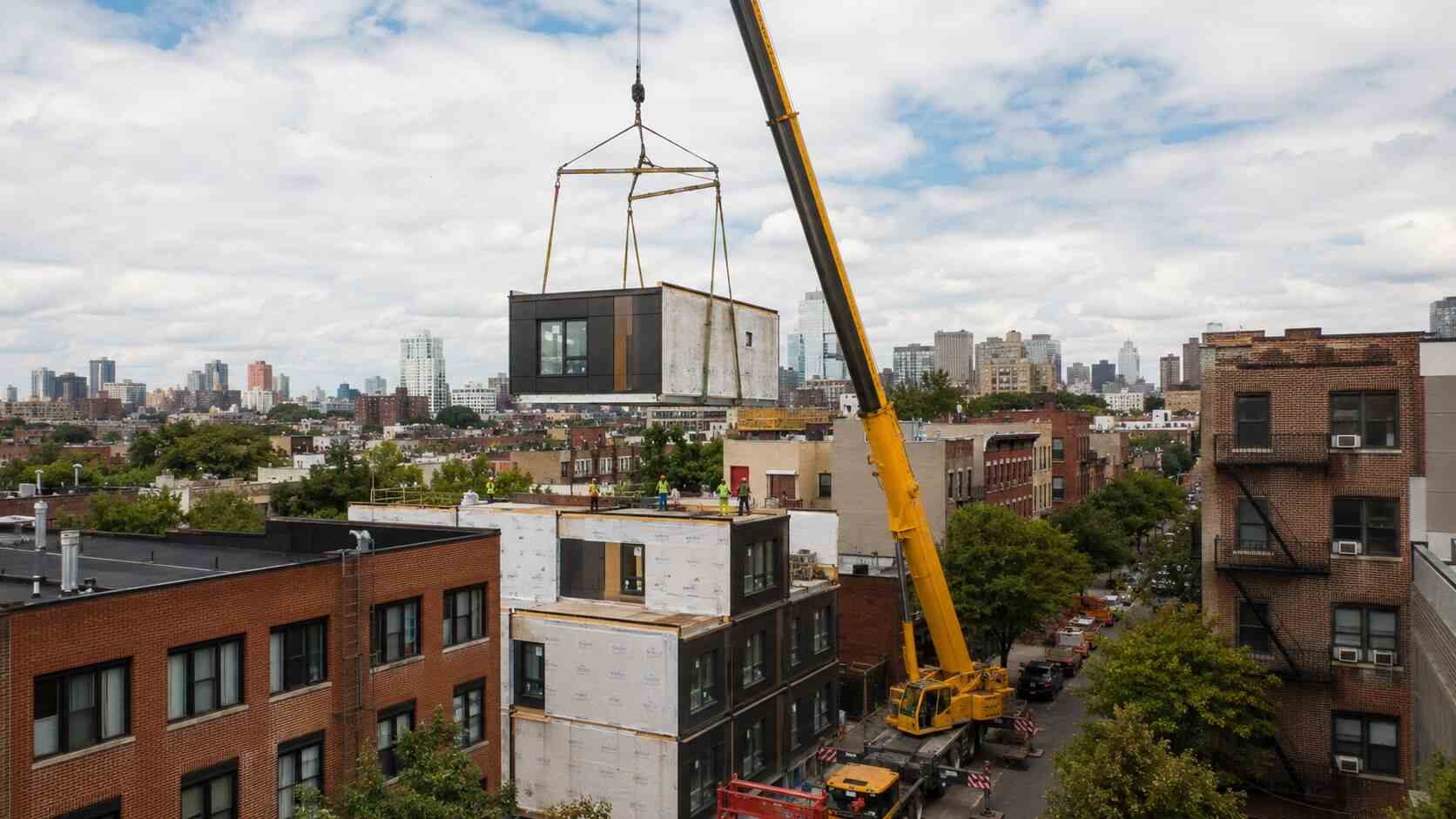
New York City's “Block by Block” Housing Initiative Highlights the Growing Role of Modular Construction
2026-07-22
Read More