Modular Construction Strengthens Emergency Operations Center Infrastructure
Federal Emergency Management Agency (FEMA)
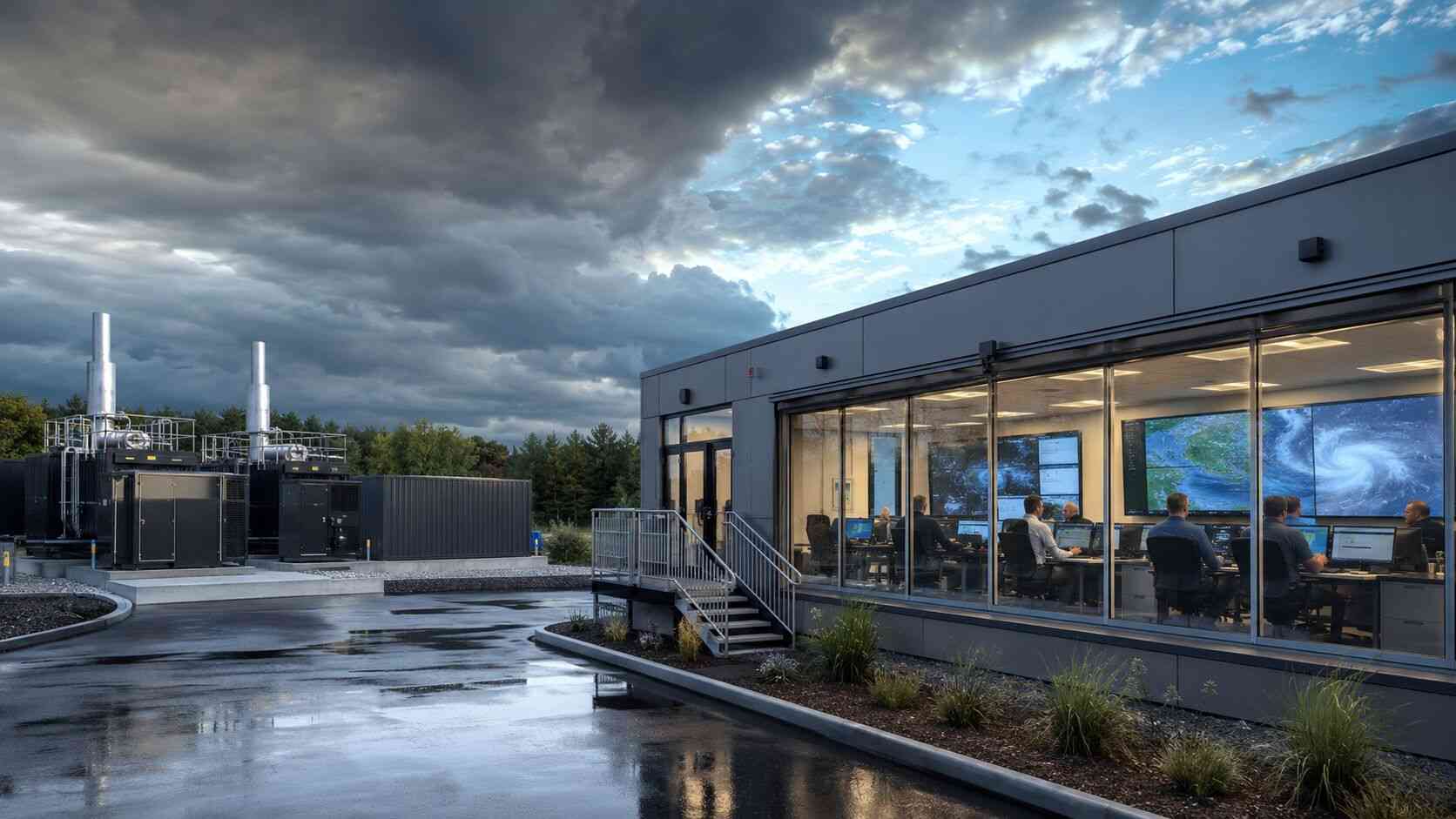
Emergency Operations Centers (EOCs) serve as command hubs for coordinating disaster response, emergency communications, resource allocation, and operational decision-making during natural disasters, public health emergencies, and other critical incidents. Modern EOCs often include command rooms, communication centers, server rooms, monitoring facilities, conference spaces, and logistics support areas.
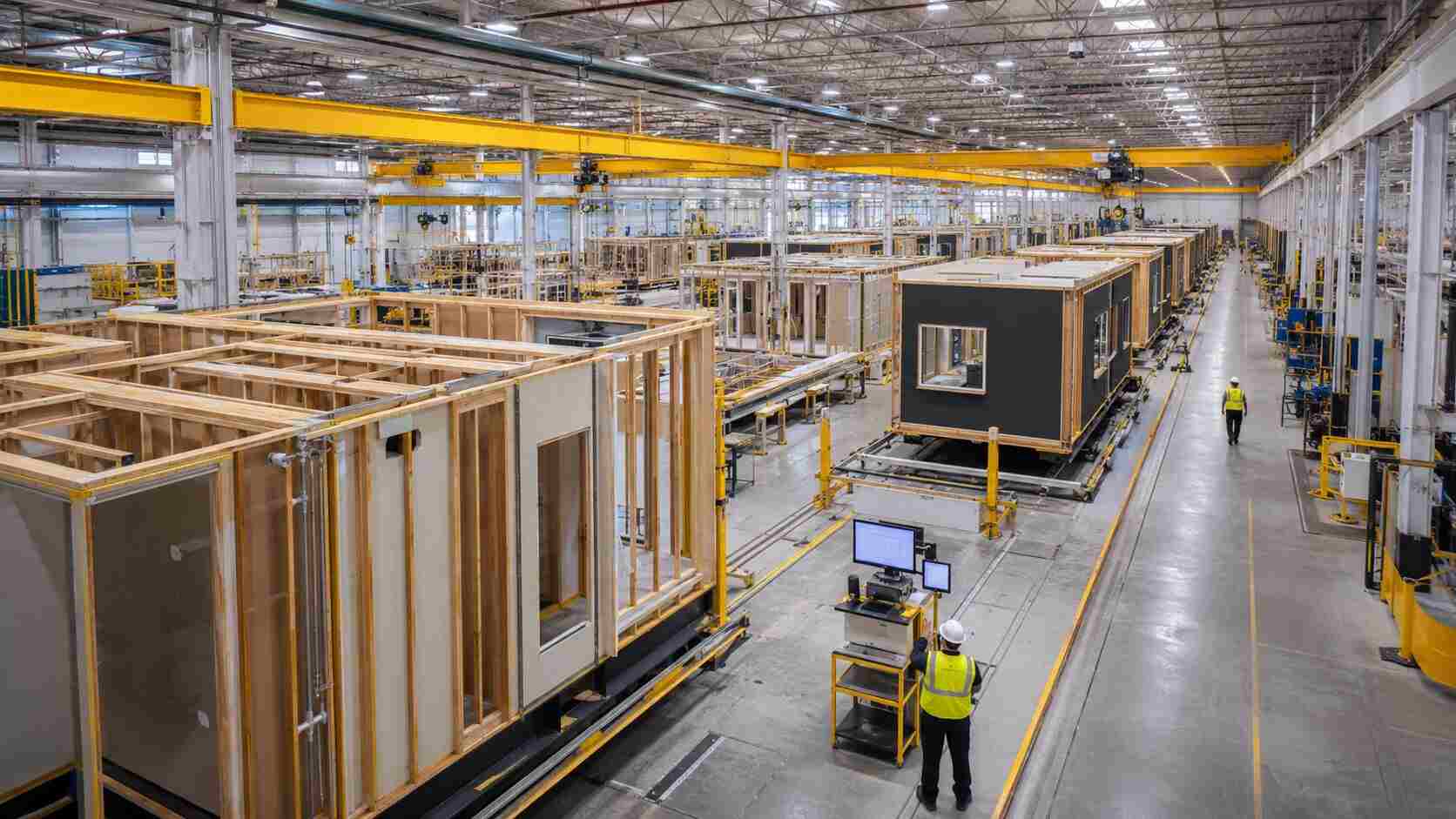
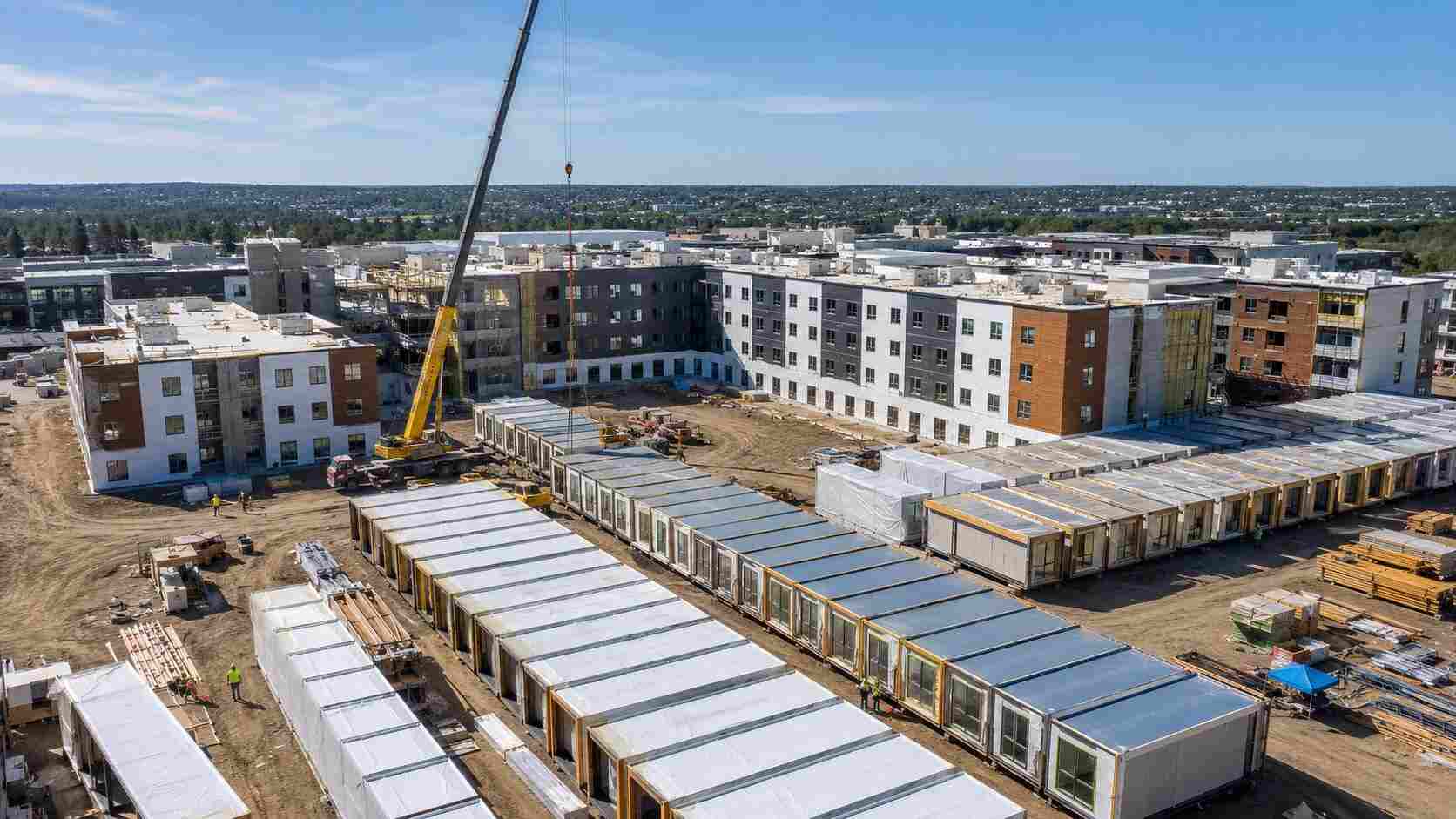
Modular construction enables these facilities to be manufactured off-site and installed rapidly, reducing construction time while maintaining consistent quality. This approach is especially valuable when projects require fast deployment, phased expansion, or construction in areas where minimizing disruption is essential.
As emergency management continues to integrate GIS mapping, unmanned aerial systems, IoT sensors, digital communications, and AI-assisted decision support, modular buildings are becoming an increasingly effective solution for delivering resilient emergency infrastructure.
Frequently Asked Questions (FAQ)
Q1: What is an Emergency Operations Center (EOC)?
An Emergency Operations Center (EOC) is a centralized facility where government agencies and emergency organizations coordinate response activities, communications, and resource management during emergencies.
Q2: Why is modular construction suitable for EOC projects?
Modular construction enables rapid deployment, minimizes on-site construction, provides standardized quality, and allows facilities to be expanded or reconfigured as operational needs evolve.
Q3: What do international buyers usually evaluate?
International buyers typically assess structural reliability, communication infrastructure compatibility, security performance, environmental durability, project quality management, transportation logistics, and compliance with applicable public infrastructure standards.
Q4: What are the future trends?
Future developments are expected to include AI-assisted emergency management, integrated communication platforms, smart monitoring systems, resilient building design, renewable backup power integration, and modular expansion capabilities.
Related News
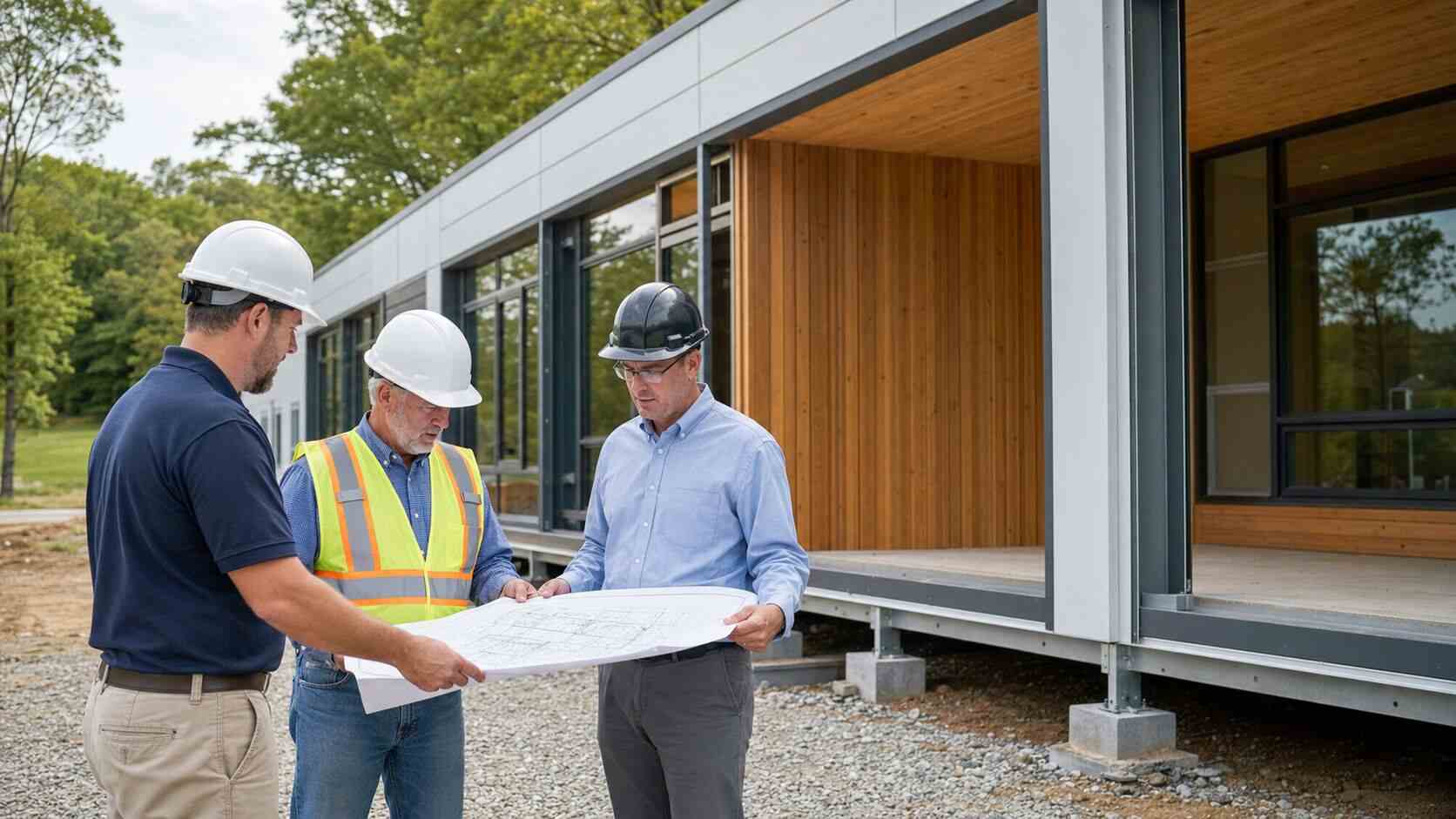
Virginia's Modular Construction Oversight Model Highlights the Importance of Regulatory Innovation
2026-07-22
Read More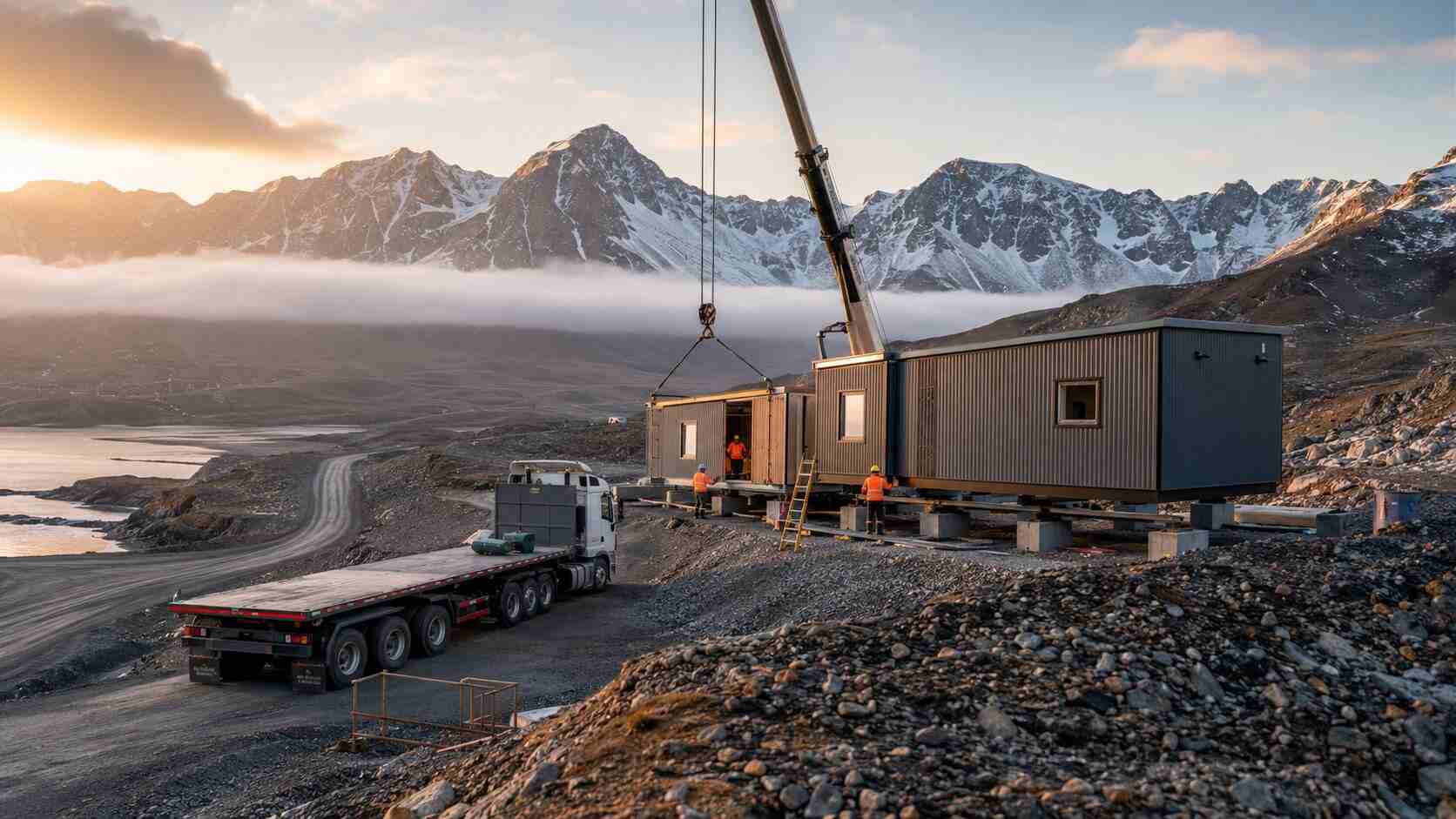
Modular Construction Expands in Remote Infrastructure Projects Through Offsite Building Methods
2026-07-22
Read More