Australian Modular Community Centre Opens: How Eight Prefabricated Modules Created a Public Facility
Georges River Council
Question 1: What are the basic facts about the modular community centre?
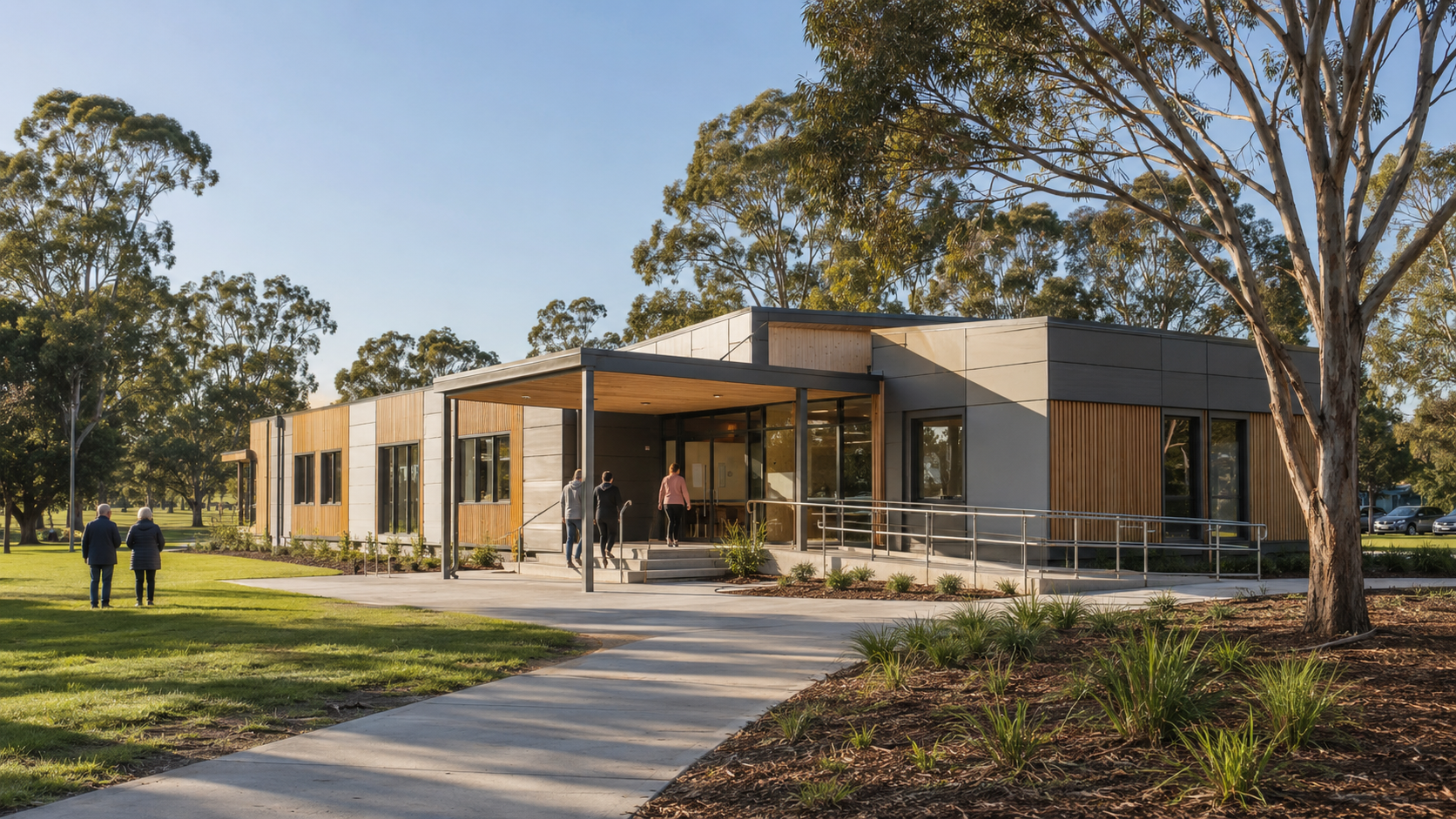
The Peakhurst Park Community Centre is located in Riverwood, New South Wales, Australia, and was officially opened on 12 June 2026. According to Georges River Council, the building was divided into eight modular sections that were primarily manufactured off-site, transported separately and assembled at the park. The completed facility contains a community hall, kitchen, amenities and office spaces. Members of the public can hire the venue for celebrations, workshops, meetings and other community activities.
Question 2: Why was modular construction used for this public facility?
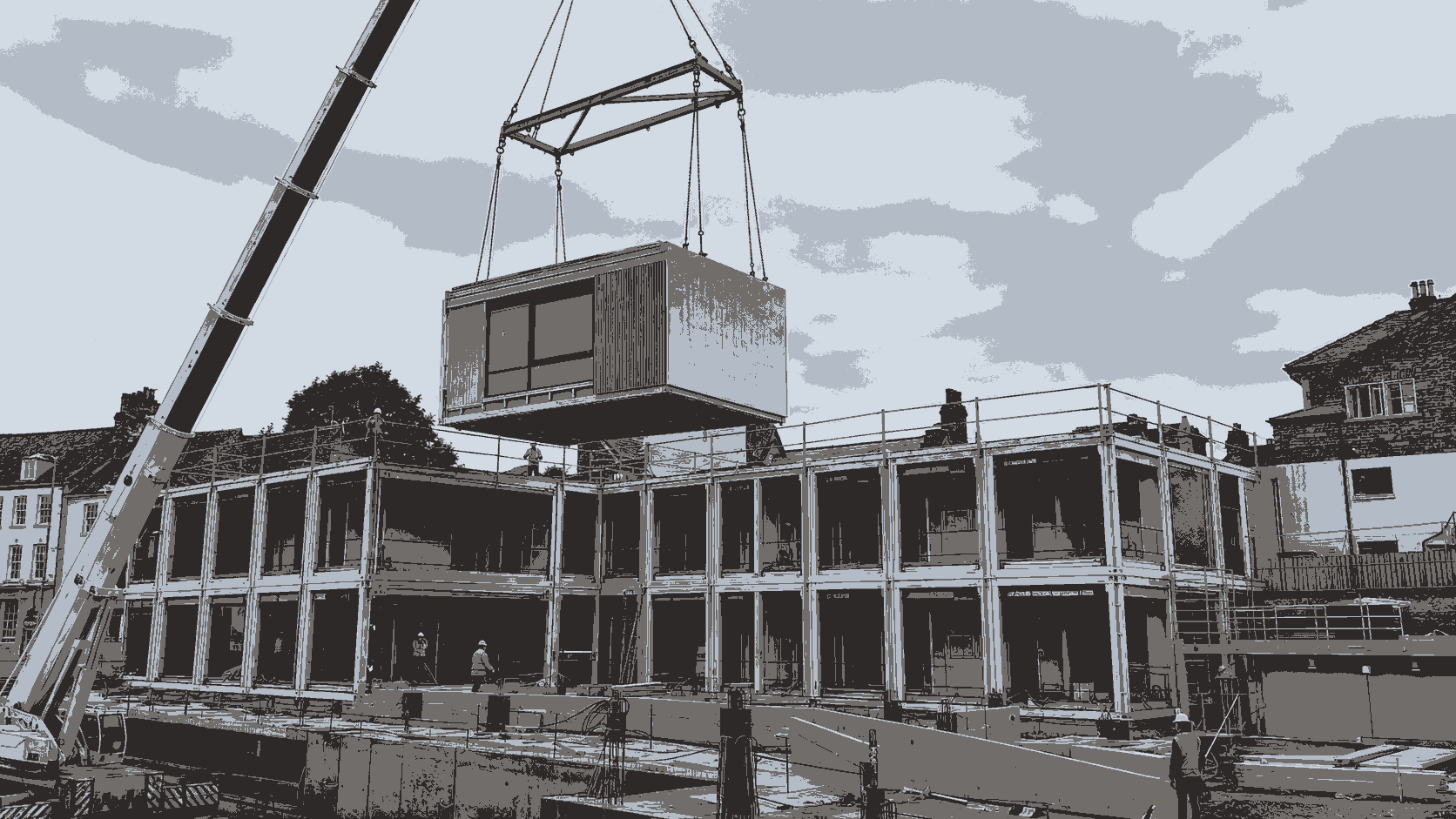
Public projects must balance construction efficiency, site safety, disruption to surrounding areas and long-term operational requirements. Off-site manufacturing allows structural, envelope and interior work to take place in a controlled production environment while foundations and supporting infrastructure are prepared on-site. Once delivered, the modules can be lifted into position, connected and commissioned. This can reduce the duration of intensive work inside a public park, although actual time and cost savings depend on approvals, transport distance, lifting conditions and the amount of site work required. The council described the method as efficient and sustainable, but it did not publish a complete comparative performance assessment.
Question 3: What functions must a modular public building provide?
A community centre has different requirements from a residential building because it must accommodate groups of people, changing activities and public safety obligations. Its modular design must therefore consider clear spans, ceiling height, accessible circulation, fire evacuation, sanitary facilities, kitchen services, acoustics, climate control and long-term maintenance. The flexible layout of the Peakhurst Park facility supports celebrations, workshops, meetings and cultural programs, demonstrating the importance of balancing standardized modules with adaptable public space.
Question 4: How is the project funded and operated as public infrastructure?
Council information states that the project received an AUD 1 million Australian Government grant, AUD 100,000 in state funding and an additional AUD 1.3 million contribution from Georges River Council. The building is available to the wider community through a public venue-hire system, and community organizations contributed to the development process. This shows that a public modular project involves more than manufacturing a building: funding, community consultation, venue management and ongoing maintenance are also essential. Exporters serving this market must understand public procurement, accessibility provisions, fire regulations and operational requirements in the destination country.
Question 5: What does this case mean for the international modular-building market?
The project suggests that modular construction is gaining relevance in smaller but consistently needed forms of public infrastructure. Community halls, library service points, sports facilities, visitor centres and municipal offices may all benefit from a design-manufacture-assemble model. International suppliers must provide code-compliant engineering documentation, verified material performance, transport and lifting plans, clearly defined module connections and an agreed division of on-site responsibilities. Delivery speed can be valuable, but compliance, durability, maintainability and transparent whole-life costs remain equally important.
Related News
Ireland Introduces Planning Exemption for Eligible 32–45 m² Garden Modular Homes
2026-08-03
Read More
Pennsylvania Updates Modular Building Codes: What Must Manufacturers Know After June 2026?
2026-08-02
Read More