DfMA Is Transforming Modular Construction Through Integrated Design and Manufacturing
Modular Building Institute (MBI)
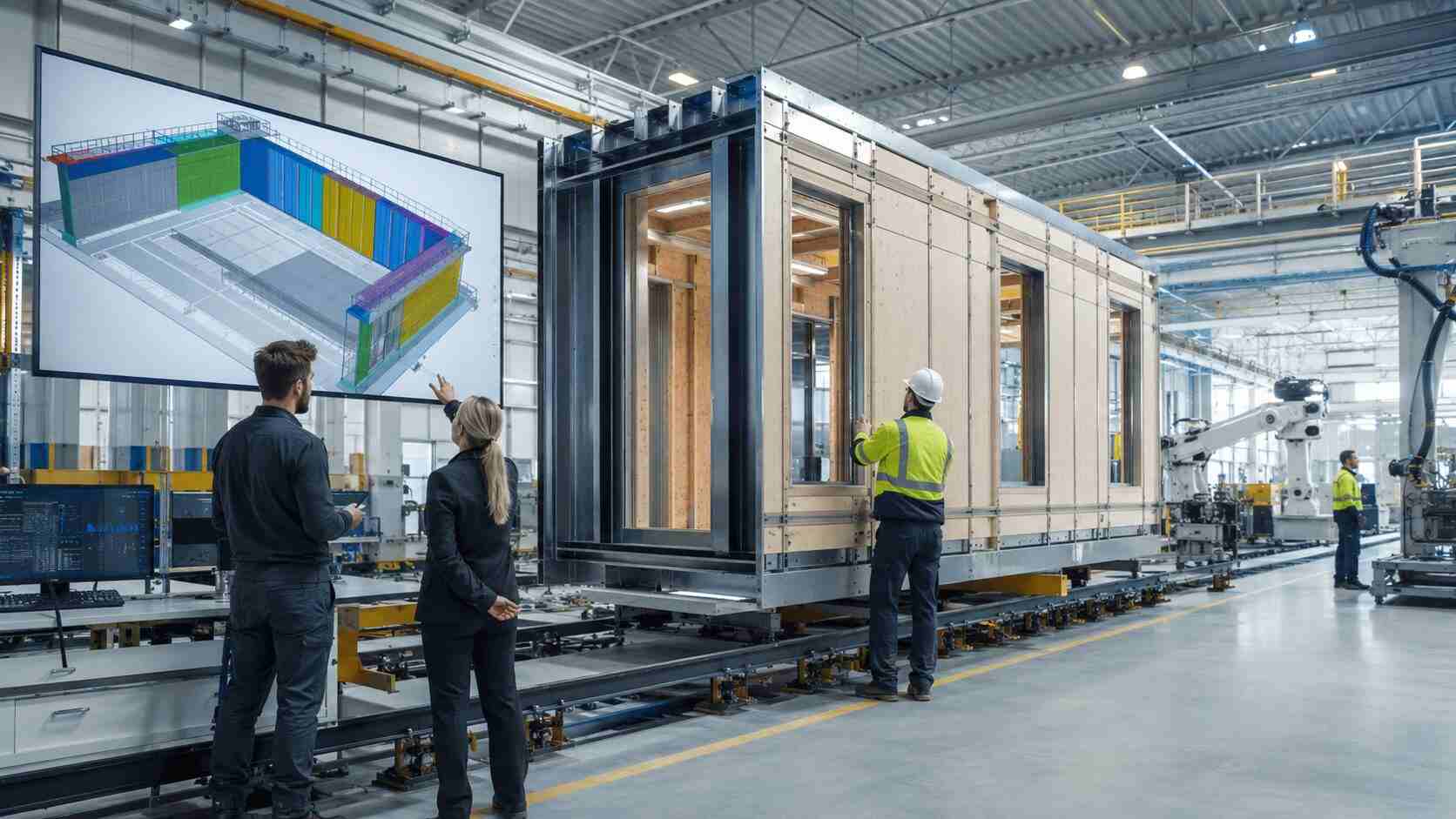
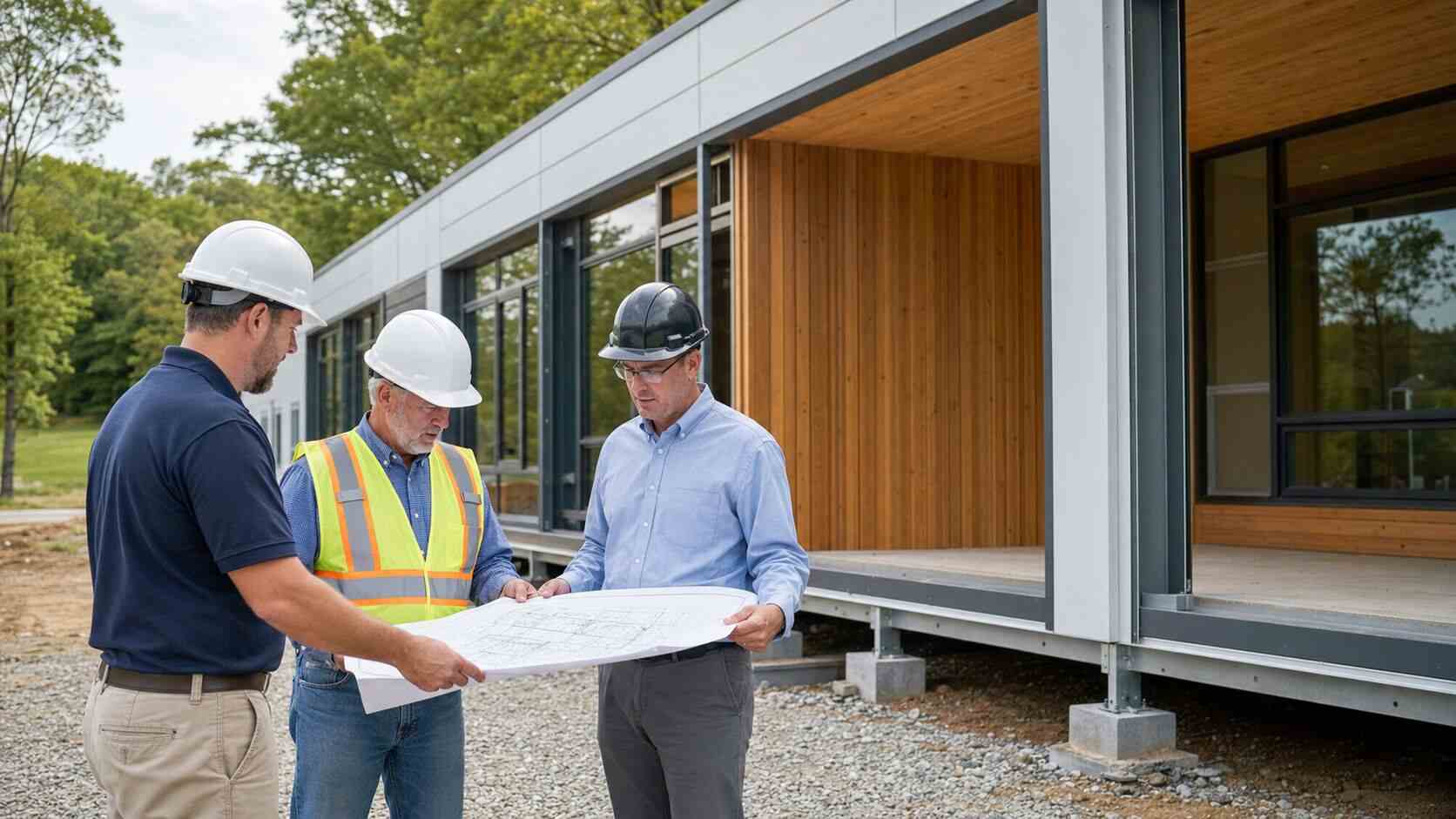
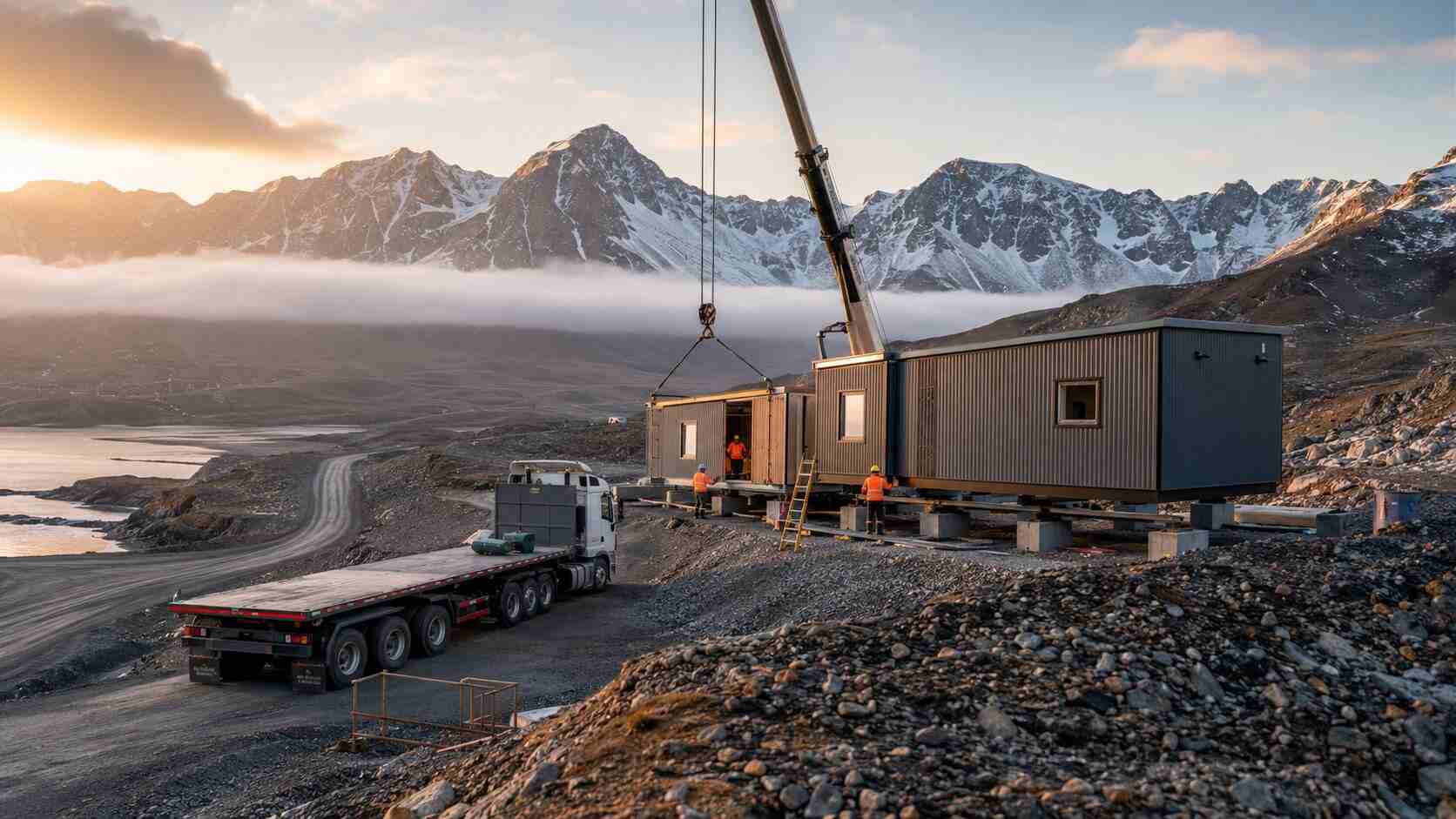
Unlike traditional construction, where design and construction are often managed separately, DfMA integrates design, manufacturing, transportation, and installation into a coordinated process. For modular projects, designers consider module dimensions, transport restrictions, lifting strategies, structural connections, and factory production methods from the earliest project stages.
This integrated approach supports automated manufacturing, improves production consistency, and minimizes material waste. Standardized designs also simplify on-site assembly, reducing construction time and improving project predictability.
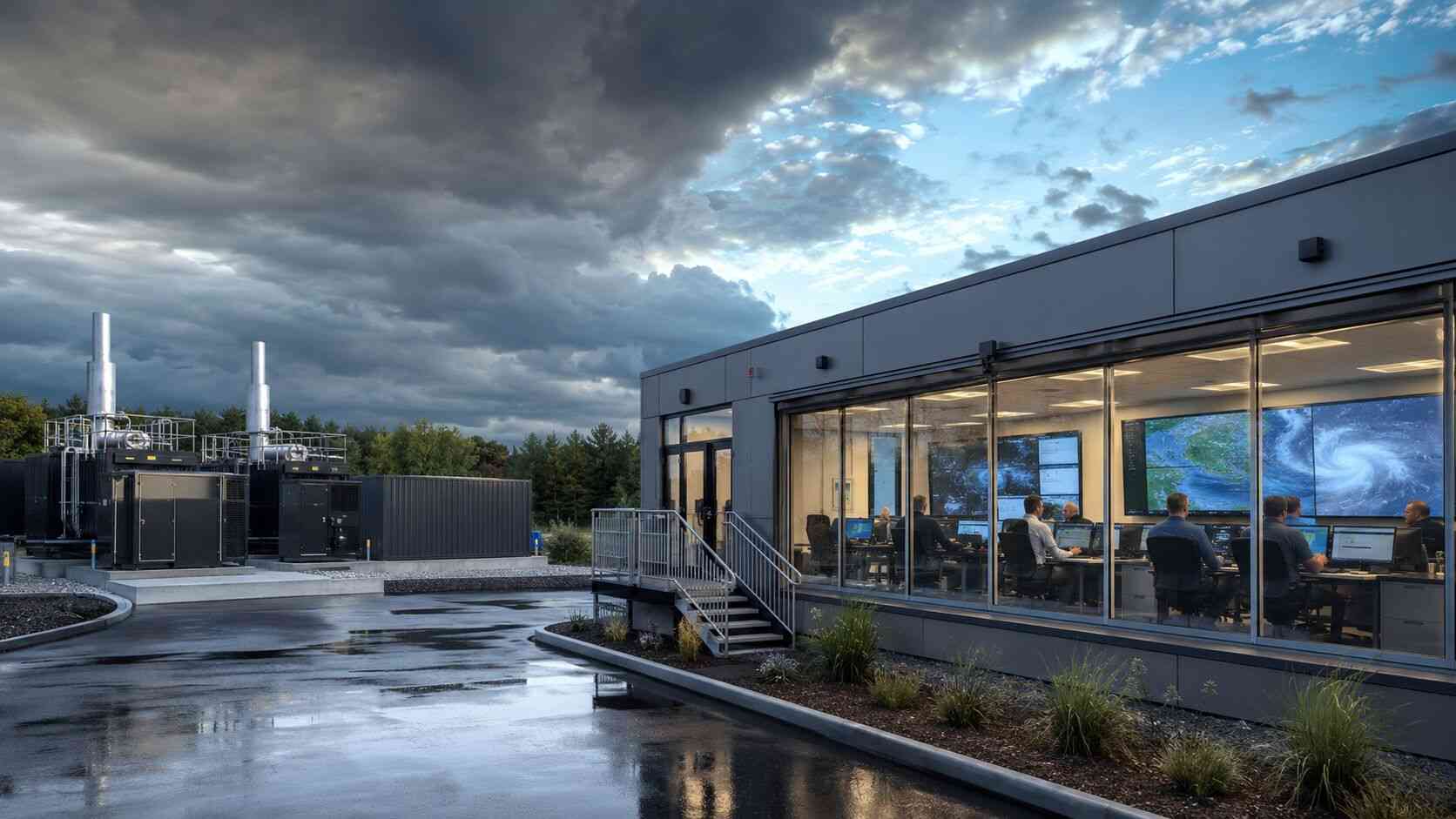
DfMA is now widely applied across residential housing, healthcare facilities, schools, hotels, data centers, and industrial buildings. Combined with BIM, digital engineering, and smart manufacturing technologies, it is helping shape the next generation of modular construction.
Frequently Asked Questions (FAQ)
Q1: What is DfMA in modular construction?
DfMA (Design for Manufacture and Assembly) is a design methodology that optimizes buildings for efficient factory manufacturing and on-site assembly. It encourages engineers and manufacturers to work together from the beginning of a project.
Q2: Why is DfMA important?
By considering production and installation during the design phase, DfMA reduces design conflicts, improves manufacturing efficiency, minimizes waste, and shortens project schedules.
Q3: What should international buyers know about suppliers using DfMA?
Buyers should evaluate whether suppliers integrate engineering, manufacturing, logistics, and installation planning into a unified process. Companies with strong DfMA capabilities often deliver more consistent quality and predictable project outcomes.
Q4: How will DfMA influence the future of modular construction?
DfMA is expected to become a standard practice as modular construction becomes more industrialized. Future developments will include deeper integration with BIM, automation, robotics, artificial intelligence, and digital twins to further improve productivity and sustainability.