Industry Experts Highlight Design Coordination and Manufacturing as Keys to Modular Construction Growth
Modular Building Institute (MBI)
Q1: Why is early design coordination so important in modular construction?
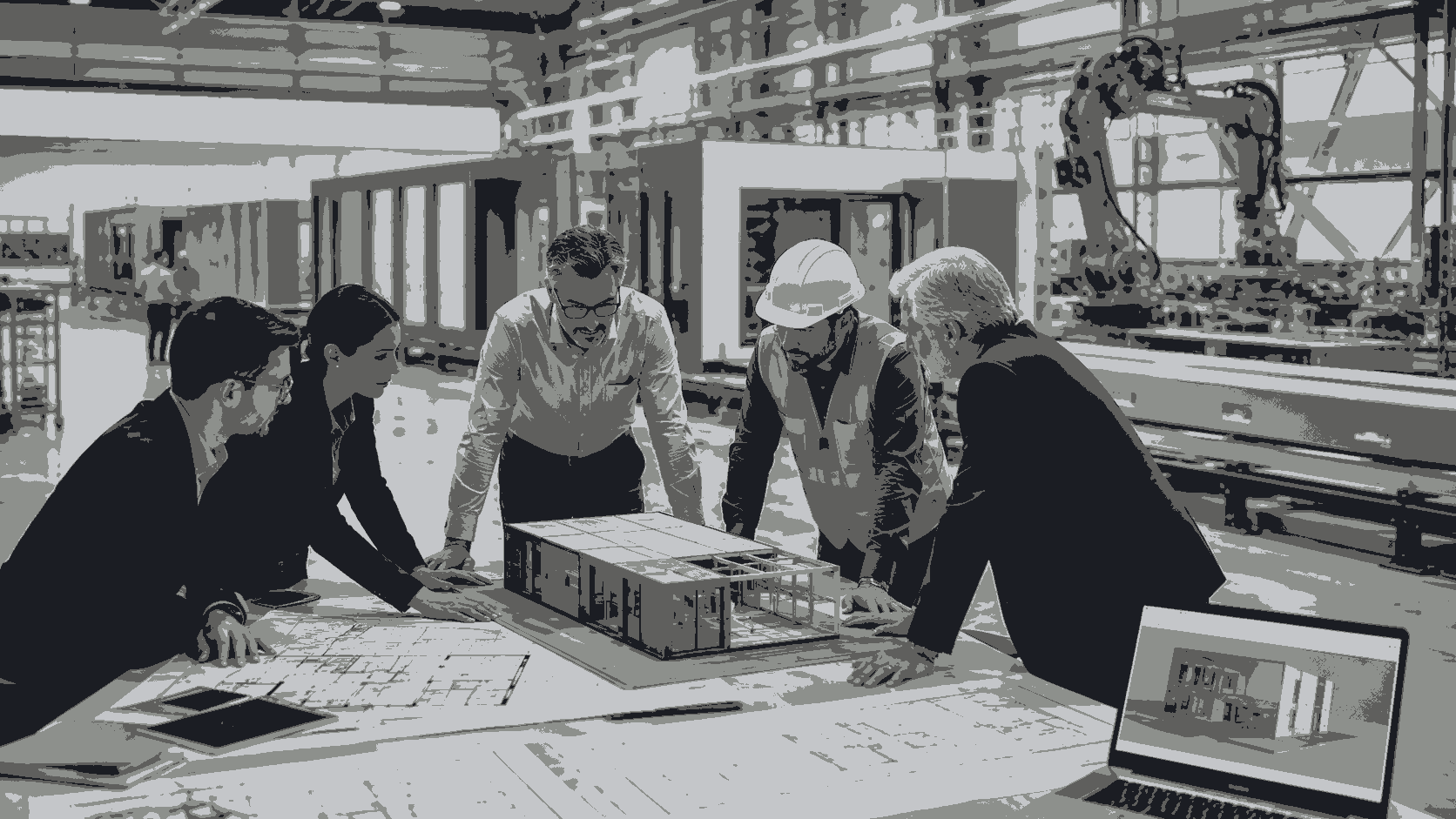
Unlike conventional construction, modular projects rely heavily on factory production. Decisions regarding module dimensions, transportation, structural systems, MEP coordination, and installation methods must be made early in the design process. Proper planning reduces design revisions, improves manufacturing efficiency, and helps projects stay on schedule. Industry experts believe that successful modular projects begin with integrated design from the very beginning.
Q2: Why is manufacturing capability essential for modular construction?
Factory production is responsible for manufacturing structural modules, installing building systems, conducting quality inspections, and preparing components for delivery. Strong manufacturing capability improves quality consistency, shortens construction schedules, and supports large-scale project delivery. Automation and digital production technologies also help manufacturers improve productivity and maintain high construction standards.
Q3: What do international buyers usually evaluate?
International buyers typically assess production capacity, engineering expertise, quality management systems, certification compliance, logistics capability, installation support, and previous project experience. Reliable supply chain management and long-term technical support are also important considerations for international construction projects.
Q4: What are the future priorities for modular construction?
Future development will continue to focus on BIM-based design, smart manufacturing, automation, standardized production, and sustainable construction practices. As industrialized construction becomes more widely adopted, modular building solutions are expected to play a greater role in residential, commercial, healthcare, education, and industrial projects worldwide.