What Are the Main Drivers of Global Mobile Home Market Growth?
Mordor Intelligence
Main Q&A
Q: What are the main drivers of global mobile home market growth?
A: The main drivers of global mobile home market growth include rapid urbanization, insufficient housing supply, rising construction costs, affordability pressure, and long traditional construction cycles.
As more people move into cities and surrounding suburban areas, many countries are facing a shortage of affordable housing. Traditional construction often requires long timelines, large labor teams, complex permitting, and high material costs. Mobile homes, manufactured homes, and modular homes offer a faster alternative because they use factory-based production.
Factory production can significantly shorten construction time, improve quality control, reduce material waste, and make housing supply more predictable. This is why mobile homes are increasingly discussed as part of the broader prefab housing future.
Another major driver is mobile home cost. In many markets, mobile homes and manufactured homes can offer a lower entry price than traditional site-built housing. This makes them attractive to first-time buyers, retirees, workforce housing programs, rental communities, rural regions, and buyers interested in a more flexible lifestyle.
Global modular housing trends are also helping the market grow. As factory-built housing becomes more accepted, mobile homes are no longer seen only as temporary or low-end housing. Instead, they are being repositioned as scalable, efficient, and modern housing solutions that can support affordability, speed, and compact living demand.
Q: Why is global demand for mobile homes increasing?
A: Global demand for mobile homes is increasing because many households need lower-cost, faster-delivered housing. Urbanization, housing supply shortages, and long traditional construction cycles are making factory-built homes more attractive. Mobile homes use controlled production systems, which can improve efficiency and help expand housing supply faster than many conventional building methods.
Additional Related Q&A
Q: Which regions are seeing stronger mobile home demand?
A: North America remains one of the strongest markets for manufactured and mobile homes because affordability pressure is high and the manufactured housing industry is mature. Europe is seeing growth through prefab and modular housing because of energy-efficiency goals and labor shortages. Australia is also exploring modular and prefab housing as a response to housing shortages and construction capacity constraints.
Q: How does mobile home cost support market growth?
A: Mobile home cost is one of the strongest growth drivers because affordability is a global housing challenge. When traditional homes become too expensive, buyers and policymakers often look for factory-built alternatives that can lower structure costs and shorten delivery timelines.
Q: Are mobile homes only used for permanent housing?
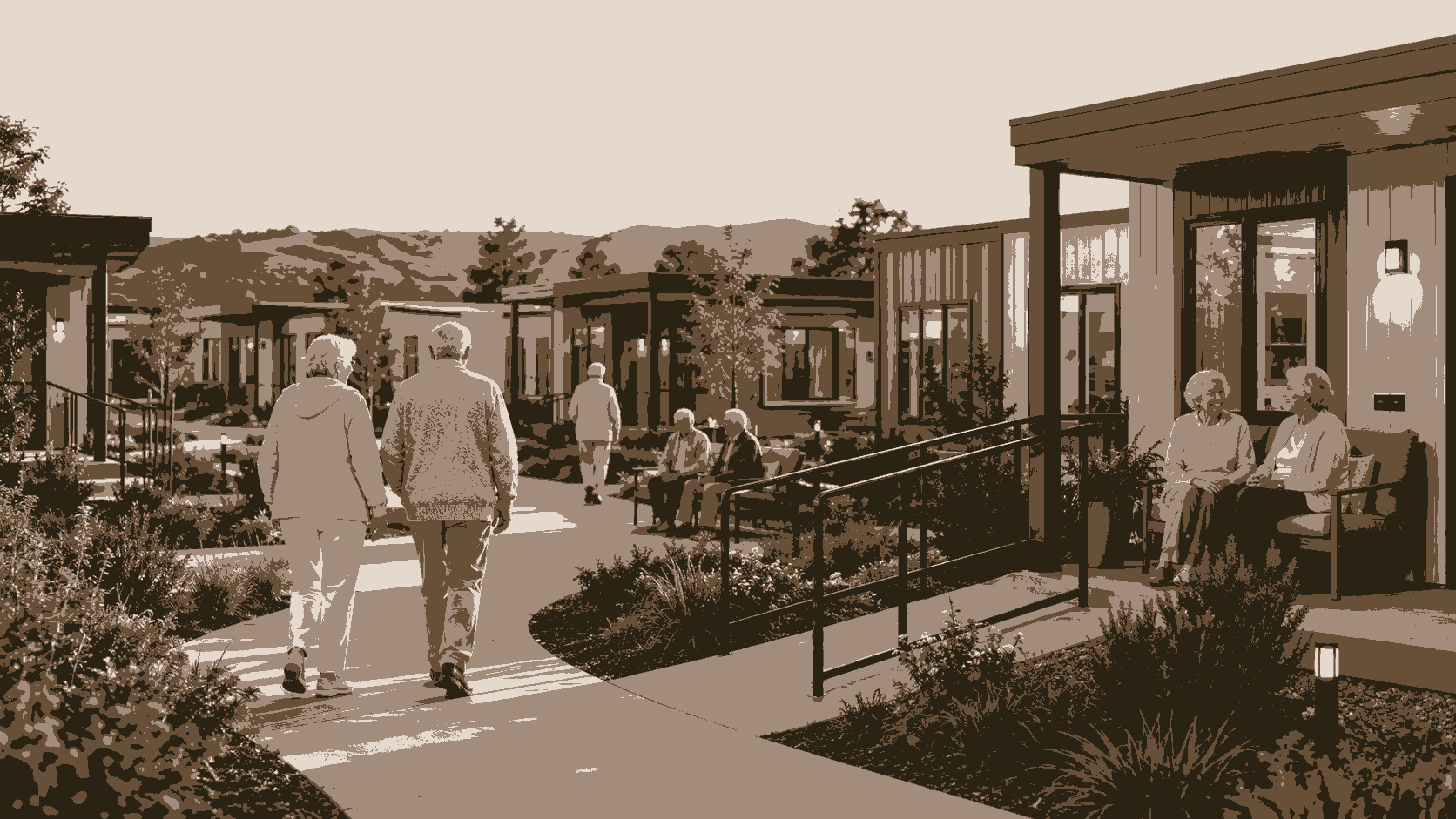
A: No. Mobile homes can be used for permanent housing, workforce accommodation, retirement communities, disaster recovery, temporary housing, vacation homes, and rental villages. This flexibility expands the market beyond traditional homeownership.
Q: How is the tiny house lifestyle connected to mobile home demand?
A: The tiny house lifestyle has increased interest in compact, efficient, and flexible living. While tiny homes and mobile homes are not always the same product, both reflect consumer demand for smaller footprints, lower costs, and simplified living.
FAQ
1. What is the biggest driver of global mobile home market growth?
The biggest driver is affordability. Rising housing costs and limited supply are pushing buyers toward lower-cost housing options such as mobile homes, manufactured homes, modular homes, and prefab housing.
2. Why are factory-built homes faster to deliver?
Factory-built homes are faster because much of the construction happens in a controlled production environment. This reduces weather delays, improves scheduling, and allows site preparation and home production to happen at the same time.
3. Will mobile homes become mainstream globally?
Mobile homes may become more mainstream in regions where zoning, financing, infrastructure, and consumer acceptance improve. They are most likely to grow as part of a mixed housing strategy rather than replacing traditional homes completely.