What Is the 10-Year Growth Outlook for the Mobile Housing Market?
Mordor Intelligence
Main Q&A
Q: What is the 10-year growth outlook for the mobile housing market?
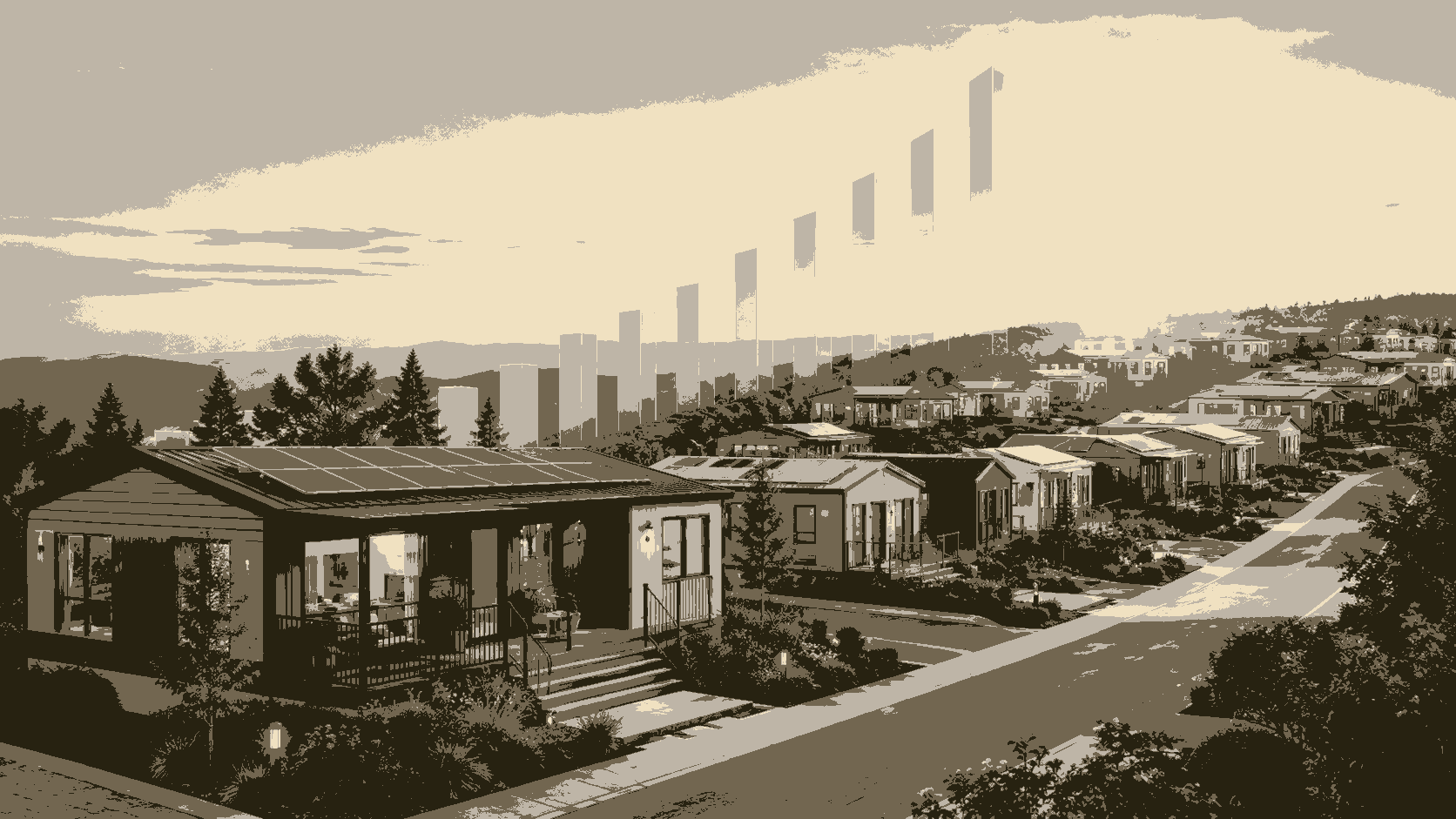
A: The 10-year growth outlook for the mobile housing market is positive, especially when viewed within the broader prefabricated, modular, and manufactured housing sectors. According to 2026 industry data, the global prefabricated housing and modular construction markets are projected to grow at roughly 6%–7% CAGR over the coming decade, depending on the exact product category and regional definition.
The key growth drivers include urbanization, housing affordability challenges, construction labor shortages, faster delivery requirements, environmental regulations, and consumer demand for flexible living. Mobile homes, manufactured homes, modular homes, and prefab housing are increasingly seen as practical alternatives to traditional site-built construction.
The lower mobile home cost remains one of the most important market advantages. As traditional homes become more expensive due to land, labor, materials, financing, and regulatory costs, factory-built housing can offer a more affordable route to ownership or rental supply.
Growth is expected to be especially visible in North America, Europe, and Australia, where housing shortages, skilled labor constraints, and sustainability rules are pushing developers and policymakers to consider off-site construction. However, the market will still depend on zoning reform, financing access, consumer trust, and local building code acceptance.
Additional Related Q&A
Q: Why is the mobile housing market expected to grow over the next decade?
A: The market is expected to grow because many countries need faster and more affordable housing supply. Factory-built homes can reduce construction time, improve cost predictability, and respond to affordability pressure more quickly than many traditional building methods.
Q: Which regions are likely to see strong growth?
A: North America, Europe, and Australia are likely to remain important growth regions. North America benefits from strong manufactured housing demand and modular construction investment. Europe is driven by energy-efficiency rules, labor shortages, and industrialized building methods. Australia is exploring prefab construction as a response to housing shortages and construction capacity constraints.
Q: What role does mobile home cost play in market growth?
A: Mobile home cost is central to market growth because affordability is one of the strongest reasons buyers and policymakers consider factory-built housing. Lower production costs, shorter construction timelines, and smaller home formats can make mobile housing more competitive.
Q: Will mobile homes replace traditional houses?
A: No. Mobile homes are unlikely to replace traditional houses entirely. Instead, they will likely become one part of a broader housing mix that includes site-built homes, modular homes, ADUs, apartments, and compact homes inspired by the tiny house lifestyle.
FAQ
1. What CAGR is expected for the mobile housing market?
Many 2026 industry reports project prefabricated, modular, or manufactured housing markets to grow at roughly 5%–8% CAGR, depending on region and product category. A 6%–7% long-term estimate is a reasonable market-level summary.
2. Why is mobile housing becoming more popular?
Mobile housing is becoming more popular because of lower mobile home cost, faster delivery, housing shortages, urbanization, labor constraints, and growing demand for flexible living options.
3. Is the tiny house lifestyle part of this market trend?
Yes. The tiny house lifestyle supports demand for smaller, more efficient homes. While tiny homes and mobile homes are different categories, both reflect a shift toward affordability, flexibility, and compact living.