Embodied Carbon Reduction Becomes a Key Advantage of Modular Construction
World Green Building Council (WorldGBC)
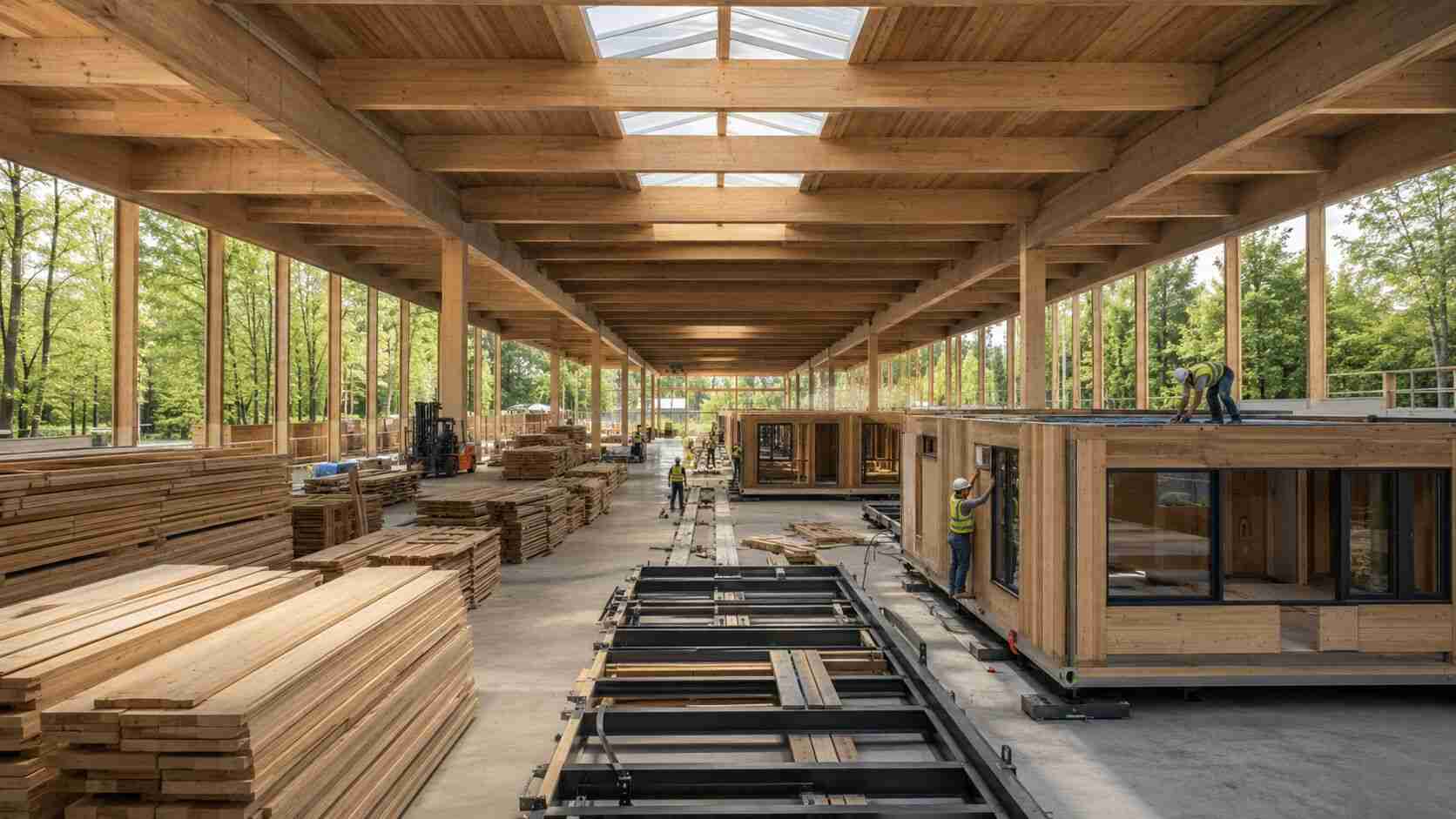
Embodied carbon refers to the greenhouse gas emissions associated with the extraction, manufacturing, transportation, installation, maintenance, replacement, and end-of-life processing of building materials. Together with operational carbon, it forms the total environmental footprint of a building throughout its lifecycle.
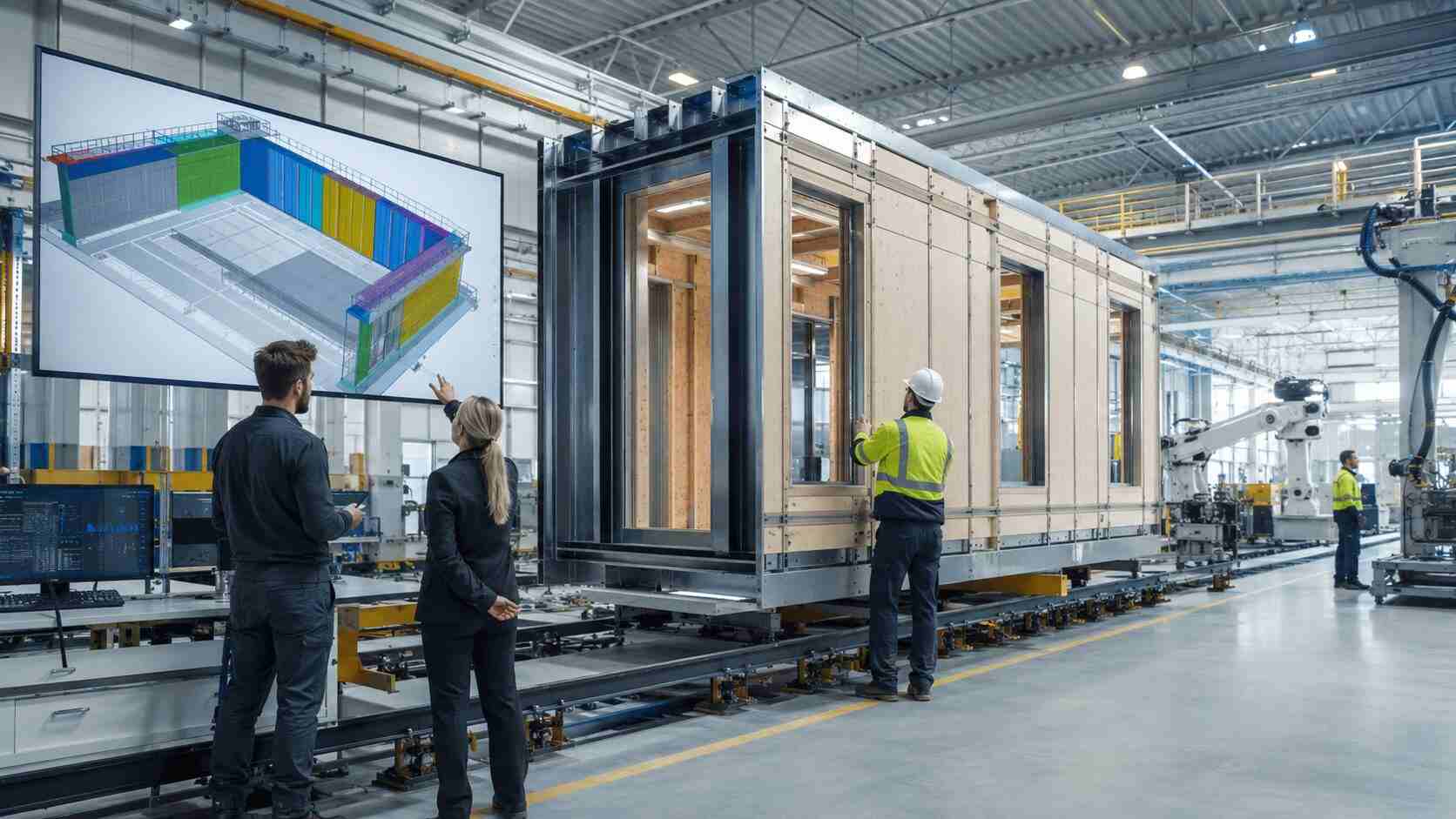
Modular construction can contribute to lower embodied carbon by improving material efficiency, reducing waste through factory production, and optimizing structural design using digital engineering tools. Standardized manufacturing also enables better quality control and more consistent resource utilization.
Many governments, designers, and developers are increasingly using Life Cycle Assessment (LCA) methodologies and Environmental Product Declarations (EPDs) to evaluate building materials and project sustainability. These practices are expected to become even more important as environmental regulations continue to evolve.
Frequently Asked Questions (FAQ)
Q1: What is embodied carbon?
Embodied carbon is the total greenhouse gas emissions generated during the production, transportation, installation, maintenance, and disposal of building materials throughout their lifecycle.
Q2: How can modular construction help reduce embodied carbon?
Factory-controlled production improves material utilization, reduces construction waste, and supports standardized manufacturing processes that may contribute to lower overall environmental impacts compared with less efficient construction methods.
Q3: What should international buyers pay attention to?
Buyers increasingly review Environmental Product Declarations (EPDs), Life Cycle Assessments (LCAs), recycled material content, manufacturing efficiency, and compliance with local sustainability standards when evaluating suppliers.
Q4: What are the future trends?
Future developments are expected to include low-carbon materials, circular economy principles, carbon reporting, digital lifecycle assessment tools, and stronger sustainability requirements in public and private construction projects.