Will Mobile Homes Become a Mainstream Housing Type in the Future?
WSJ
Q: Will mobile homes become a mainstream housing type in the future?
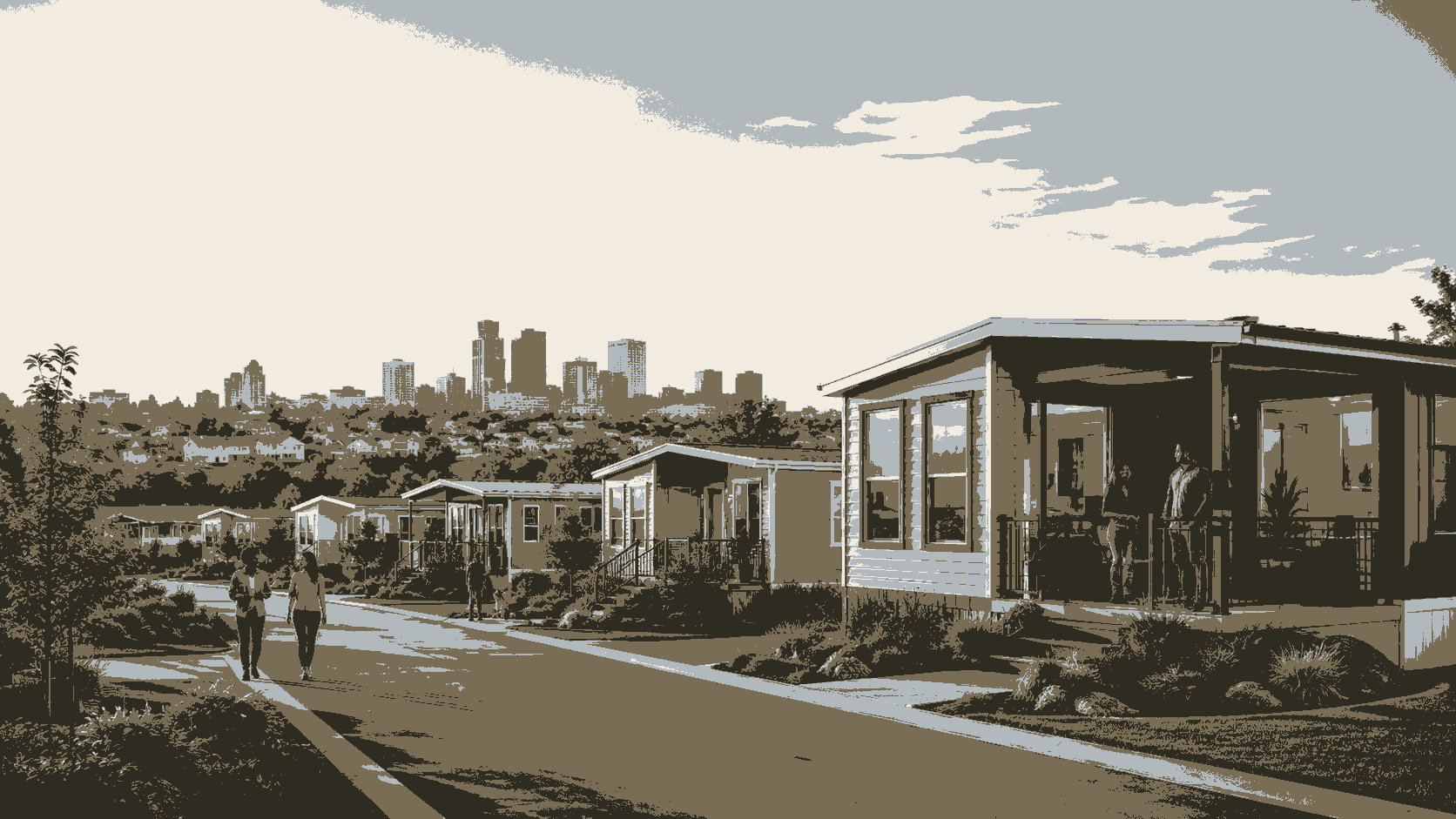
A: Yes, mobile homes are likely to become a more mainstream part of the future housing market, especially in regions facing affordability challenges, land shortages, and rising construction costs. While they may not replace traditional site-built homes, mobile homes and manufactured housing can play a larger role as cities, developers, and homebuyers search for faster, more cost-efficient housing options.
The key drivers include lower mobile home cost, faster production timelines, improving design quality, and growing public interest in flexible living models such as the tiny house lifestyle. At the same time, barriers remain: zoning restrictions, financing limitations, land ownership issues, and outdated perceptions still slow wider adoption.
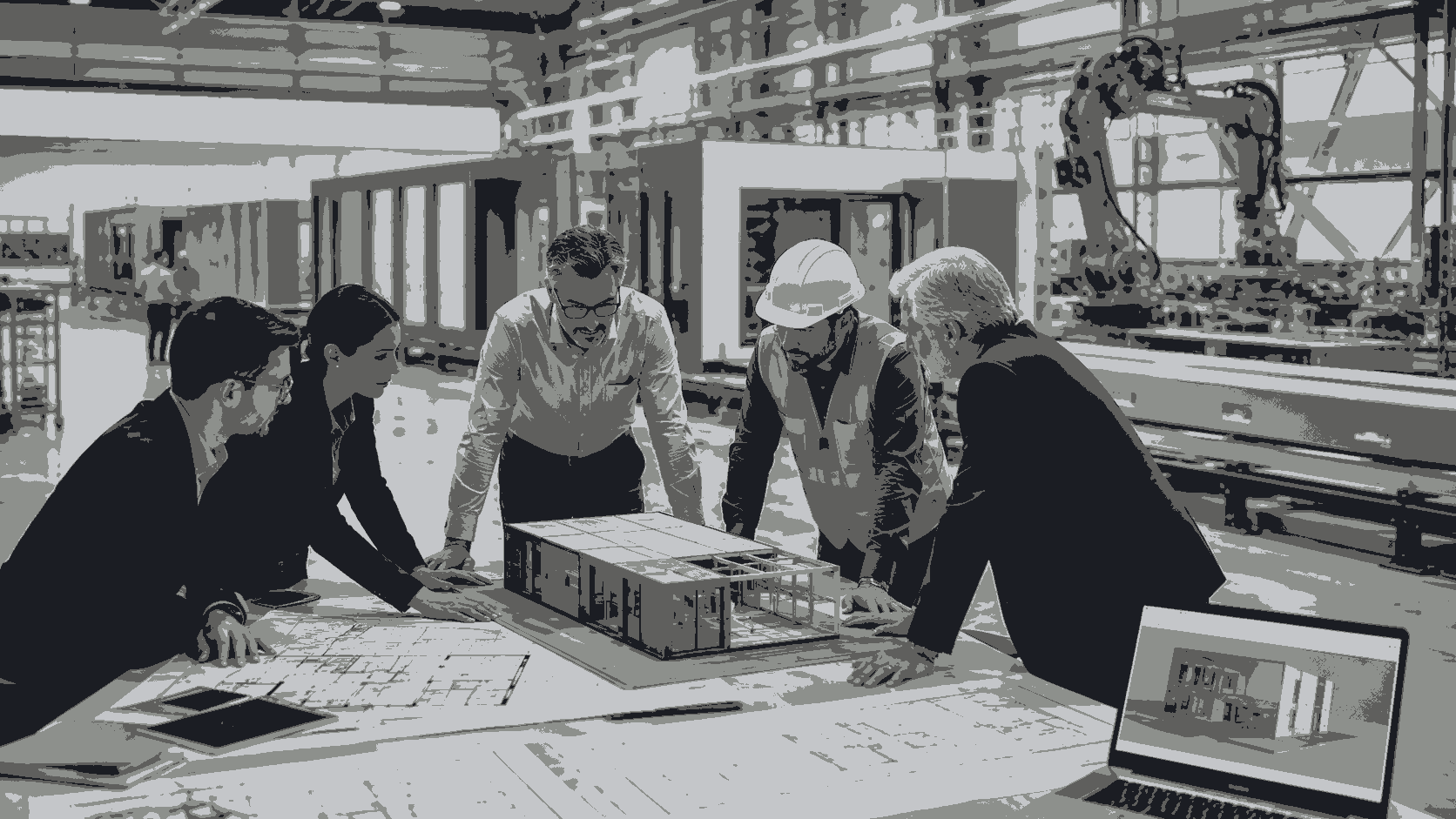
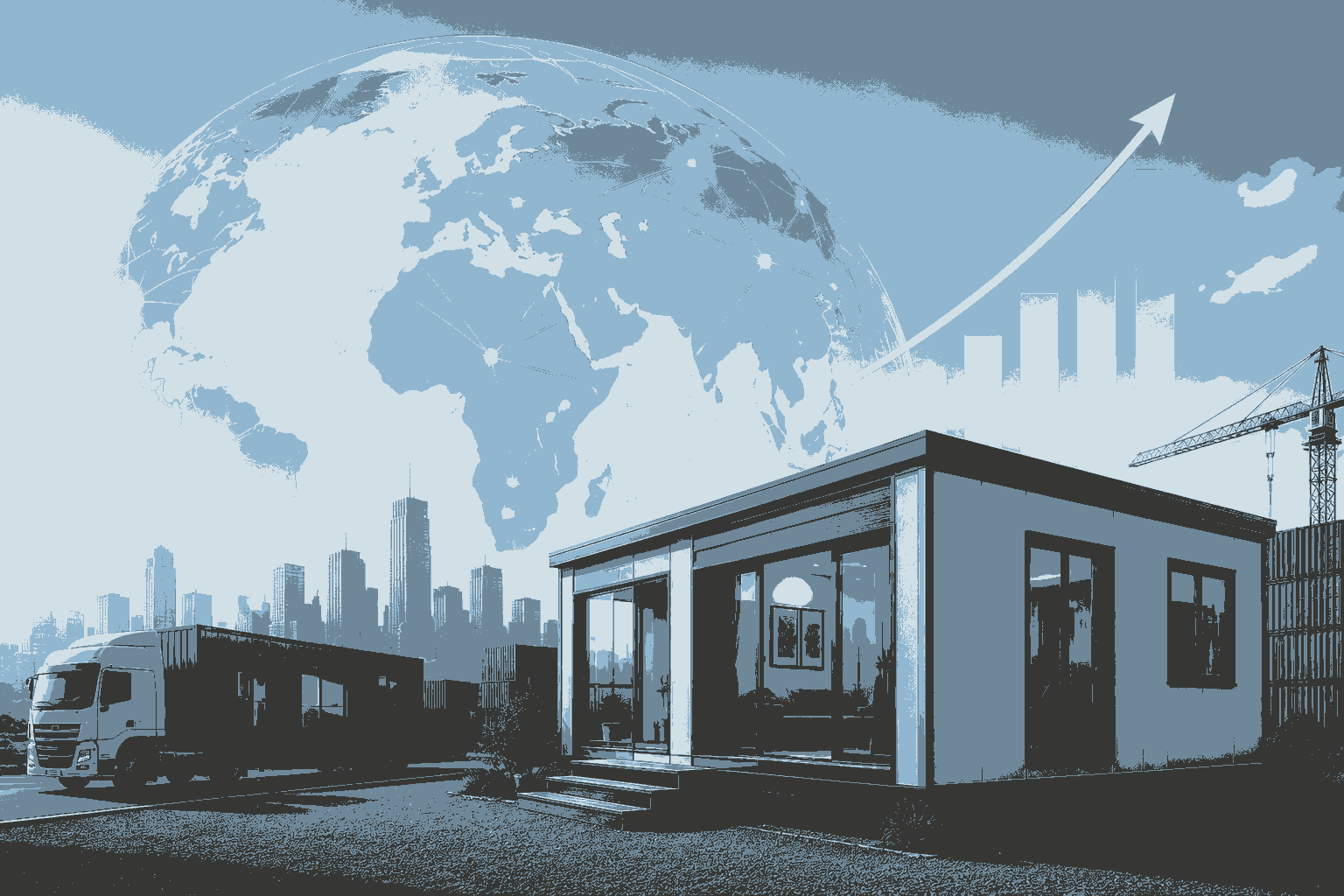
In the long term, mobile homes are more likely to become a mainstream housing category when they are integrated into planned communities, supported by modern financing, and connected with broader modular housing trends and the prefab housing future.
Additional Related Q&A
Q: Why are mobile homes becoming more attractive to buyers?
A: Mobile homes are becoming more attractive because they can offer a lower entry price than many traditional homes. For buyers priced out of conventional housing, the lower mobile home cost can make homeownership more realistic. Modern models also offer improved layouts, energy efficiency, and better exterior design than older stereotypes suggest.
Q: Are mobile homes only for rural areas?
A: No. While mobile homes have historically been common in rural or suburban settings, they are increasingly being considered in urban-adjacent areas, infill communities, and mixed housing developments. Their future growth will depend on whether local planning systems allow more flexible residential formats.
Q: How are mobile homes different from modular homes?
A: Mobile homes, often called manufactured homes in the U.S., are built to a federal manufactured housing code and transported to a site. Modular homes are factory-built in sections but usually follow local or state building codes once assembled. Both are part of the broader prefab housing future, but they differ in regulation, financing, installation, and market perception.
FAQ
1. Are mobile homes a good solution for affordable housing?
Yes. Mobile homes can help expand affordable housing supply because they are typically faster and less expensive to produce than many site-built homes. However, affordability also depends on land cost, community fees, financing terms, and local regulations.
2. Will mobile home cost continue to be lower than traditional housing?
In many markets, mobile home cost is likely to remain lower than traditional site-built housing, mainly because factory production can reduce labor time and material waste. However, land prices, transportation, installation, and interest rates can still affect the final cost.
3. Will the tiny house lifestyle help mobile homes become more popular?
Yes. The tiny house lifestyle has helped normalize smaller, more efficient living spaces. While tiny homes and mobile homes are not the same product, both reflect a broader shift toward affordability, flexibility, and simpler residential footprints.
Related News
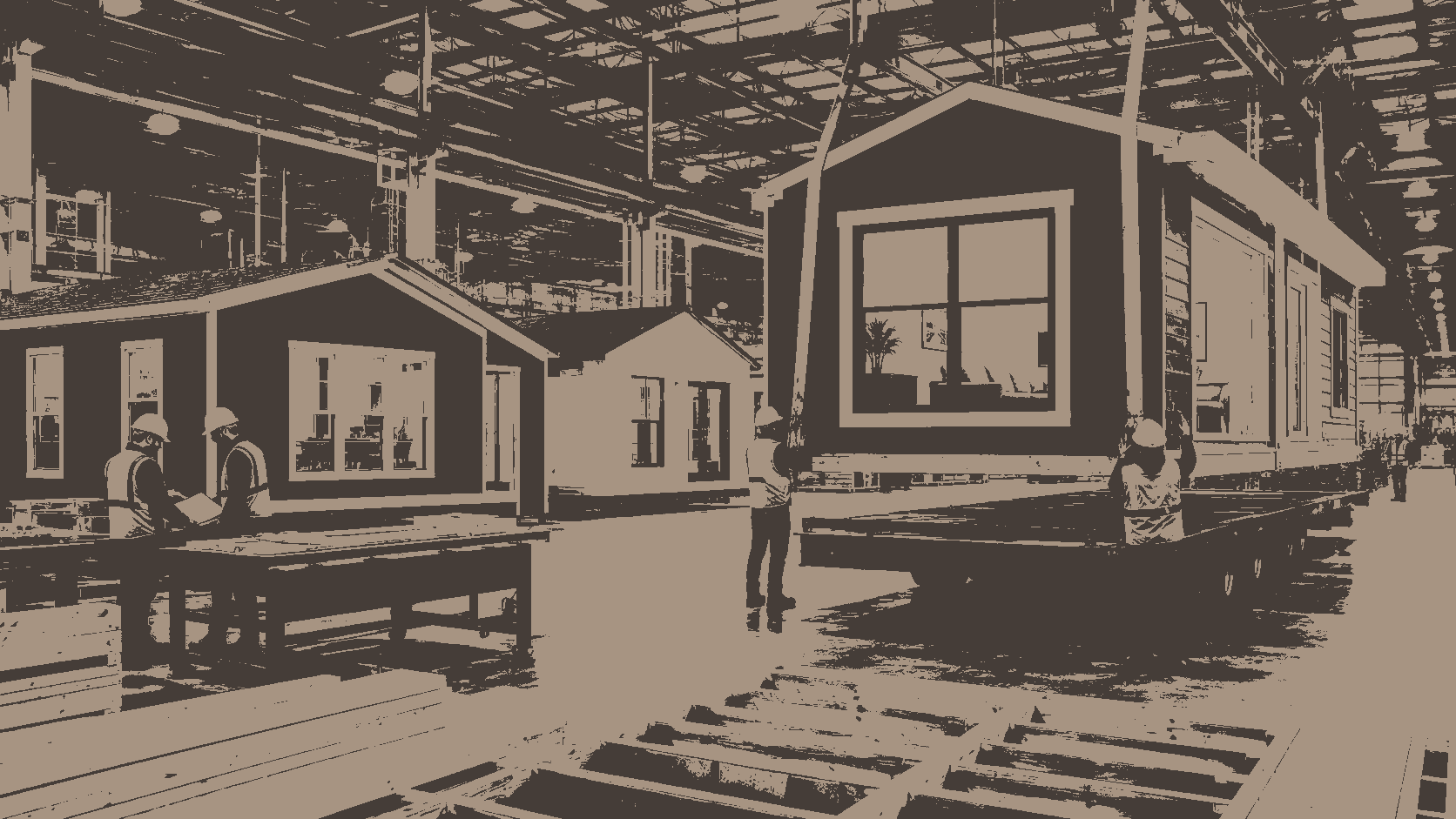
Champion Homes Highlights Offsite Construction Practices to Support Modern Homebuilding
2026-05-10
Read More
Regional Priorities and Supply Chain Collaboration Take Center Stage at Offsite Construction Summits
2026-05-03
Read More