How Do Policy Changes Impact the Mobile Housing Industry?
HUD
Main Q&A
Q: How do policy changes impact the mobile housing industry?
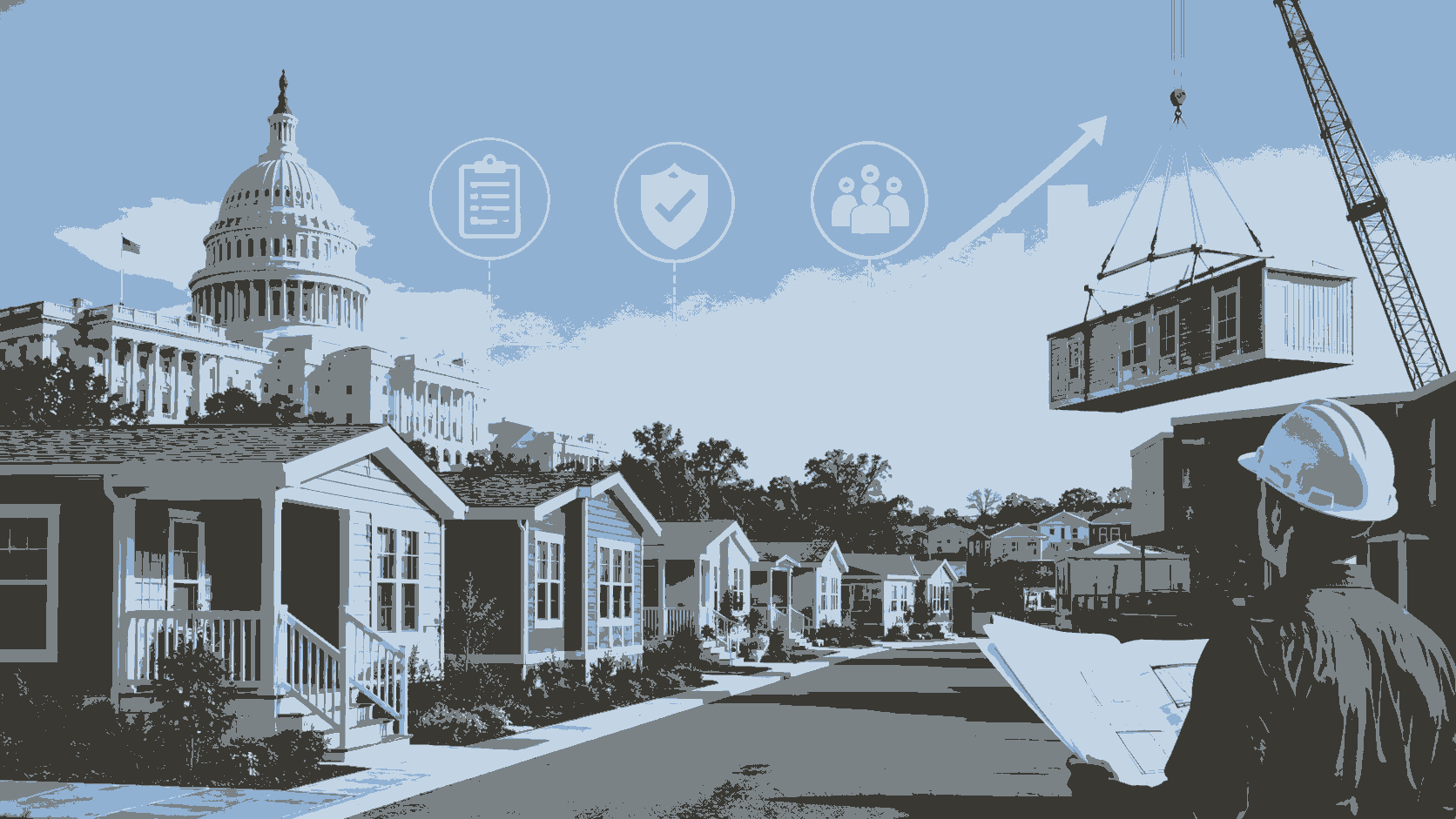
A: Policy changes can significantly impact the mobile housing industry by reducing barriers that have historically slowed manufactured homes, modular homes, and other factory-built housing from scaling.
Governments are increasingly focused on simplifying approval processes, relaxing certain zoning restrictions, and promoting standardized prefabricated housing. These changes can make it easier for mobile homes to be approved, financed, placed on legal sites, and accepted as part of mainstream housing supply.
For the industry, the biggest impact is improved market access. If more cities and states allow manufactured homes in residential zones, developers can plan larger projects, manufacturers can standardize production, and buyers can access more affordable housing options. This can help lower mobile home cost and increase supply efficiency.
Policy changes also support modular housing trends by creating clearer pathways for factory-built construction. When rules are predictable, manufacturers can design homes for repeatable production rather than customizing every project for different local requirements. This strengthens the prefab housing future and may help mobile homes become more competitive with traditional site-built housing.
However, policy reform must balance speed with safety, energy performance, resident protection, and quality control. Faster approvals are helpful only if they also support durable, safe, and affordable housing.
Q: What are the most important policy changes for mobile housing?
A: The most important policy changes include zoning reform, faster permitting, standardized factory-built housing codes, improved financing access, recognition of factory inspections, and clearer rules for installing manufactured or modular homes in residential areas.
Q: How do policy changes reduce industry barriers?
A: Policy changes reduce barriers by making approvals more predictable, expanding legal placement options, lowering administrative costs, and reducing uncertainty for manufacturers, developers, lenders, and buyers.
Additional Related Q&A
Q: Why does zoning reform matter for mobile homes?
A: Zoning reform matters because local land-use rules determine where mobile homes and manufactured homes can be placed. If manufactured homes are excluded from many residential areas, the industry cannot scale even when demand is strong.
Q: How does permitting reform affect mobile home cost?
A: Permitting reform can reduce mobile home cost by shortening approval timelines, reducing holding costs, and making development more predictable. Faster approvals can also help manufacturers plan production more efficiently.
Q: Can policy changes help mobile homes become mainstream?
A: Yes. When mobile homes are treated as legitimate residential housing rather than temporary or inferior structures, they can become part of broader housing strategies, including starter homes, workforce housing, senior communities, rental communities, and compact housing inspired by the tiny house lifestyle.
Q: Are policy changes the same in every country?
A: No. Policy changes vary by country, state, and city. Some markets are actively reforming zoning and permitting, while others still restrict mobile homes or lack clear rules for factory-built housing.
FAQ
1. What policy change helps mobile homes the most?
Zoning reform is often the most important policy change because it determines whether mobile homes can be legally placed in more neighborhoods and communities.
2. Can policy changes lower mobile home cost?
Yes. Policy changes can lower mobile home cost by reducing permitting delays, expanding land access, improving financing options, and allowing standardized factory-built production.
3. How do policy changes support modular housing trends?
Policy changes support modular housing trends by creating clearer approval pathways for factory-built homes, standardized components, and repeatable construction methods.