Modular Laboratories Gain Attention for Flexible Research and Testing Facilities
Lab Manager Magazine

Q1: Why are more laboratories using modular construction?
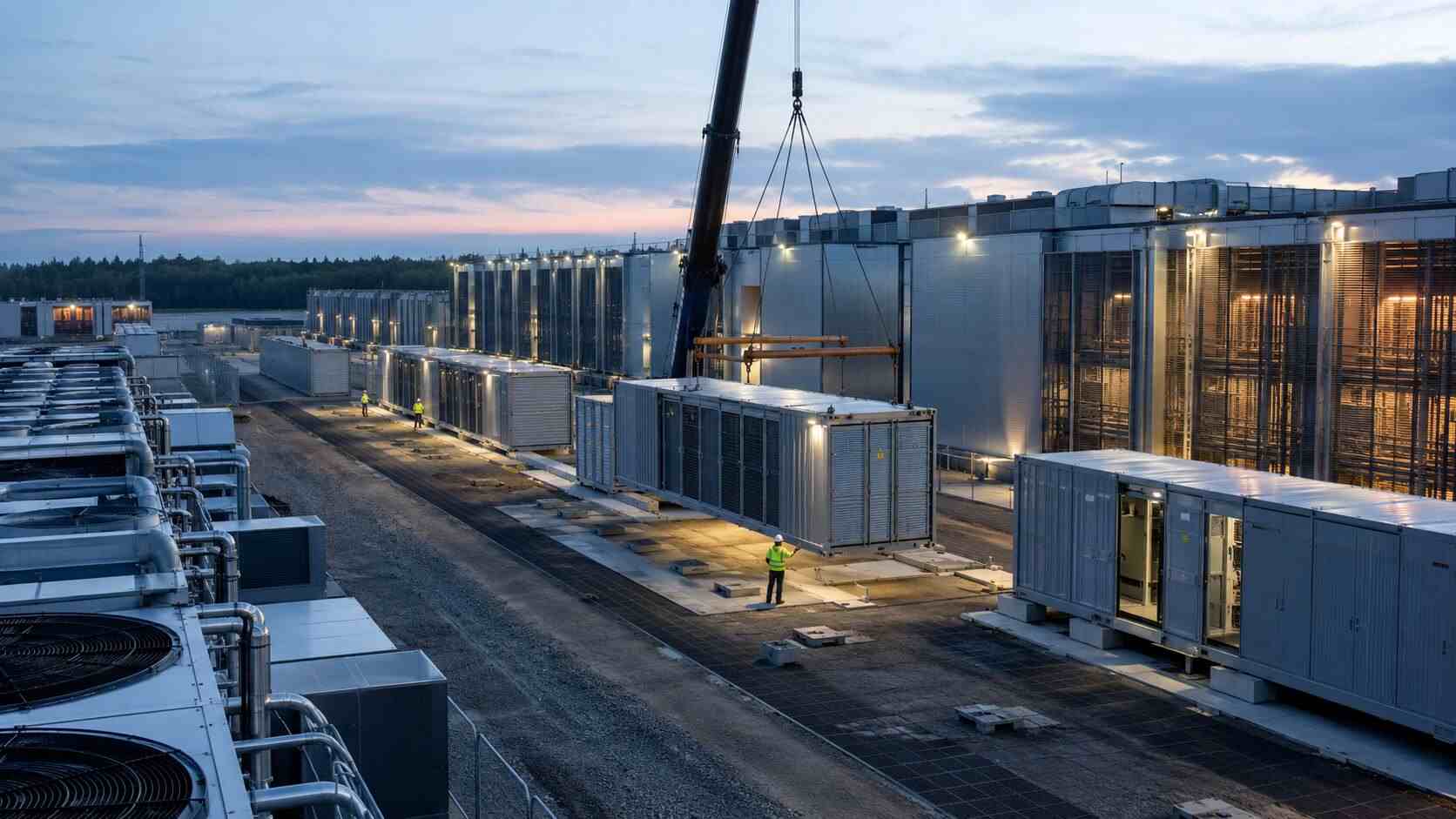
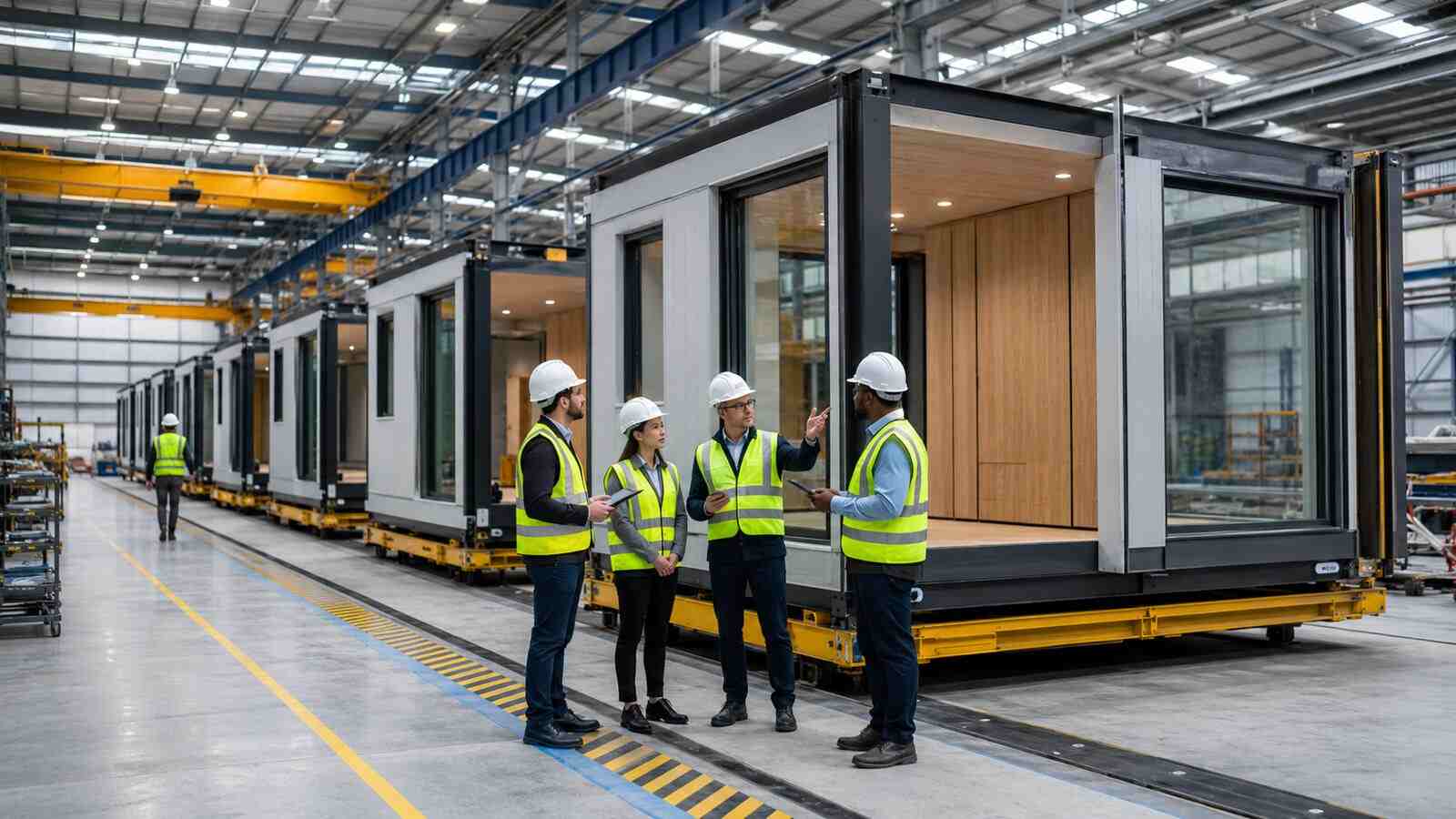
Laboratories require strict environmental control, reliable building performance, and efficient installation of specialized equipment. Modular construction allows structural components, mechanical systems, and selected laboratory equipment to be integrated in factories before being transported for rapid on-site assembly. This approach shortens project schedules, improves construction quality, and reduces on-site risks, making it an attractive solution for research institutions and private companies.
Q2: What types of projects are suitable for modular laboratories?
Modular laboratories are widely used in universities, pharmaceutical research, food safety testing, environmental monitoring, industrial quality control, healthcare laboratories, and biotechnology facilities. They can be customized with cleanrooms, HVAC systems, controlled environments, and specialized laboratory equipment to meet different operational requirements.
Q3: What do international buyers usually evaluate?
International buyers typically assess structural quality, environmental control performance, energy efficiency, equipment compatibility, compliance with local regulations, and long-term operational reliability. They also consider engineering capability, manufacturing quality, installation support, and previous international project experience.
Q4: What are the future trends for modular laboratory construction?
Future modular laboratories are expected to incorporate digital engineering, smart building management, sustainable materials, and standardized manufacturing processes. As demand for flexible research infrastructure continues to grow, modular laboratories are likely to become an increasingly important solution across healthcare, life sciences, advanced manufacturing, and industrial research sectors.