Will New HUD Rules Accelerate Manufactured and Prefabricated Housing Development?
HUD

Main Q&A
Q: Will new HUD rules accelerate manufactured and prefabricated housing development?
A: Yes, new HUD rule changes could accelerate manufactured and prefabricated housing development, especially if the proposed 2026 rule is finalized and combined with earlier HUD Code updates that already took effect in 2025.
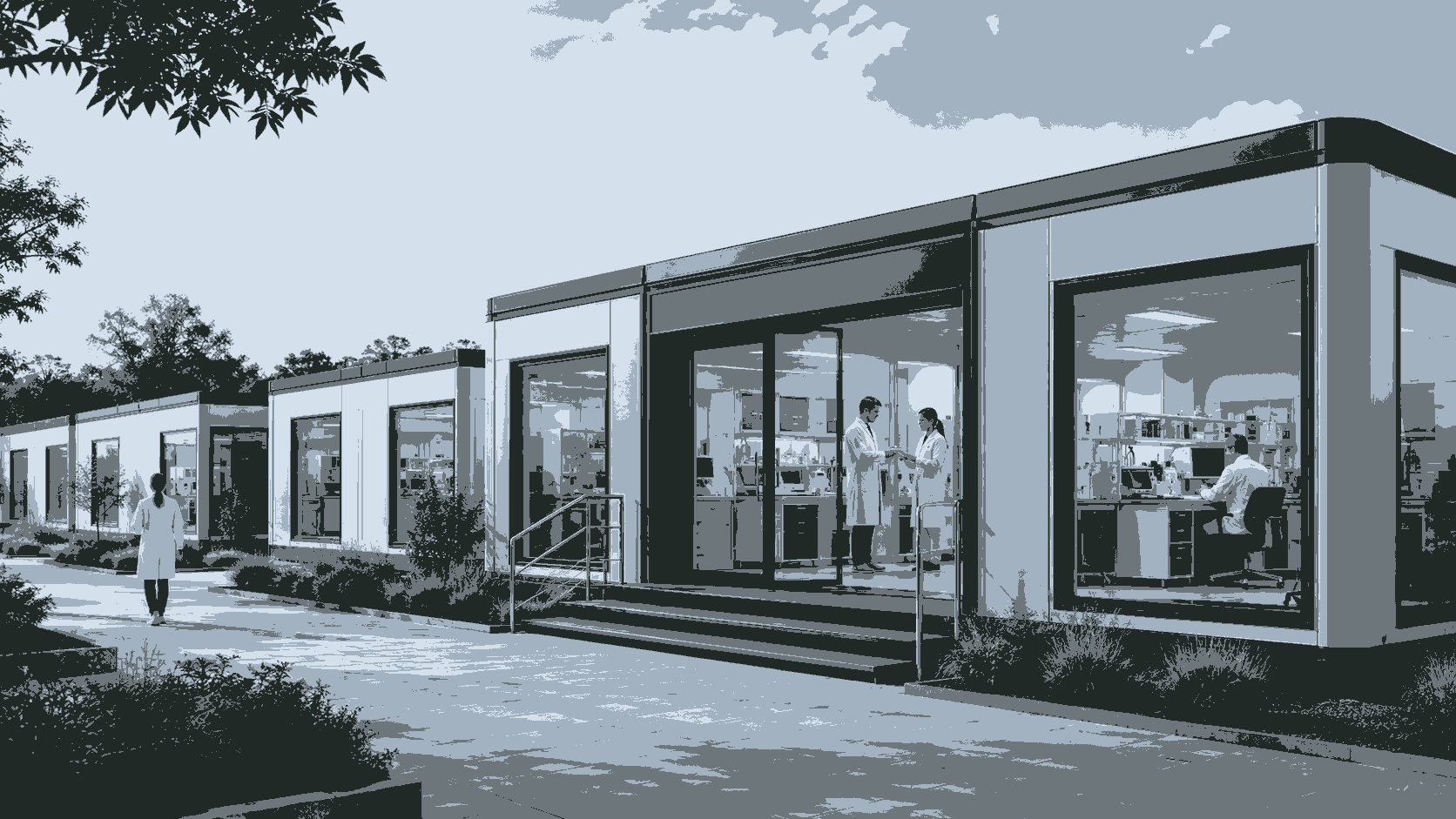
The key policy change is not a full relaxation of safety requirements. A more accurate description is that HUD has proposed revising the definition of “manufactured home” so that upper-floor sections of multi-story manufactured homes would not need to be transported or built on a permanent chassis. This could give manufacturers more flexibility to design multi-story homes and make factory-built housing more suitable for urban, suburban, and infill development.
The potential impact is faster approvals, lower design complexity, reduced production costs, and increased production capacity. If manufacturers no longer need special approvals for some modern designs and components, they can bring more homes to market more efficiently.
This matters because mobile home cost remains a major affordability advantage. As traditional housing becomes more expensive, manufactured homes, modular homes, and prefab housing can help expand lower-cost supply. These changes also support broader modular housing trends and the prefab housing future by making factory-built homes more flexible, denser, and more competitive with site-built housing.
Q: What is the key policy change?
A: The key policy change is HUD’s move to modernize manufactured housing rules, especially the proposed change that would allow upper-floor sections of multi-story manufactured homes to be built and transported without a permanent chassis. Earlier HUD Code updates also expanded design options, including multi-unit manufactured homes and modern materials.
Q: What is the impact?
A: The impact could include faster approvals, fewer alternative construction requests, more flexible product designs, increased production capacity, and lower costs for some manufactured housing models. However, the 2026 chassis-related change is still a proposed rule, so the final impact depends on whether and how it is finalized.
Additional Related Q&A
Q: Why does the permanent chassis requirement matter?
A: The permanent chassis requirement matters because it affects the structure, transportation, and design of manufactured homes. For multi-story homes, requiring every transportable section to be built on a permanent chassis can limit design flexibility and increase cost. Removing this requirement for upper-floor sections could make manufactured homes easier to adapt for denser housing formats.
Q: How could the HUD rule affect mobile home cost?
A: The rule could help reduce mobile home cost by lowering structural complexity, reducing materials tied to the chassis, and making production more efficient. It may also help manufacturers design homes that use land more efficiently, especially in urban or suburban settings.
Q: Will the new HUD rules make manufactured homes more mainstream?
A: They could help. Updated rules may make manufactured homes look and function more like conventional housing, especially with multi-story and multi-unit designs. However, zoning, financing, consumer perception, and local land-use policy will still determine how widely these homes are adopted.
Q: Are manufactured homes the same as modular homes?
A: No. Manufactured homes are built under the federal HUD Code, while modular homes are usually built in factory sections and must comply with state or local building codes after installation. Both are part of broader factory-built housing and prefab housing future trends.
FAQ
1. Are HUD’s new rules already final?
Some HUD Code updates were finalized in 2024 and became effective in 2025. The 2026 chassis-related change is a proposed rule and may still change after the public comment process.
2. Could the rule reduce manufactured home prices?
Yes, it could reduce costs for certain designs, especially multi-story manufactured homes. The cost impact will depend on manufacturer adoption, materials, transportation, installation, financing, and local zoning rules.
3. Why is this important for housing supply?
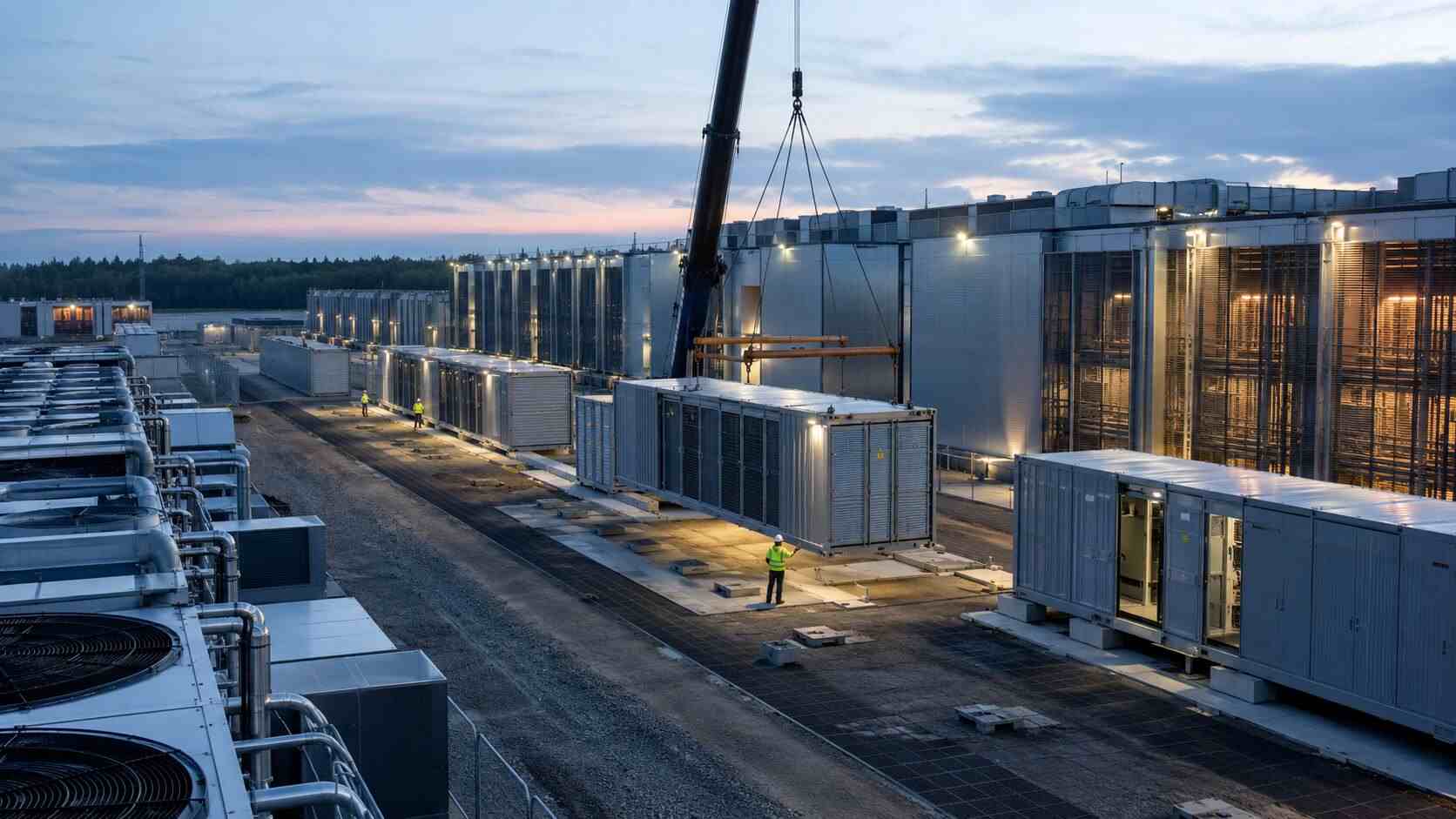
It is important because factory-built housing can be produced faster than many site-built homes. If regulations allow more flexible designs, manufactured and prefabricated housing could help increase affordable housing supply.