Digital Material Passports Enhance Traceability and Circularity in Modular Construction
European Commission
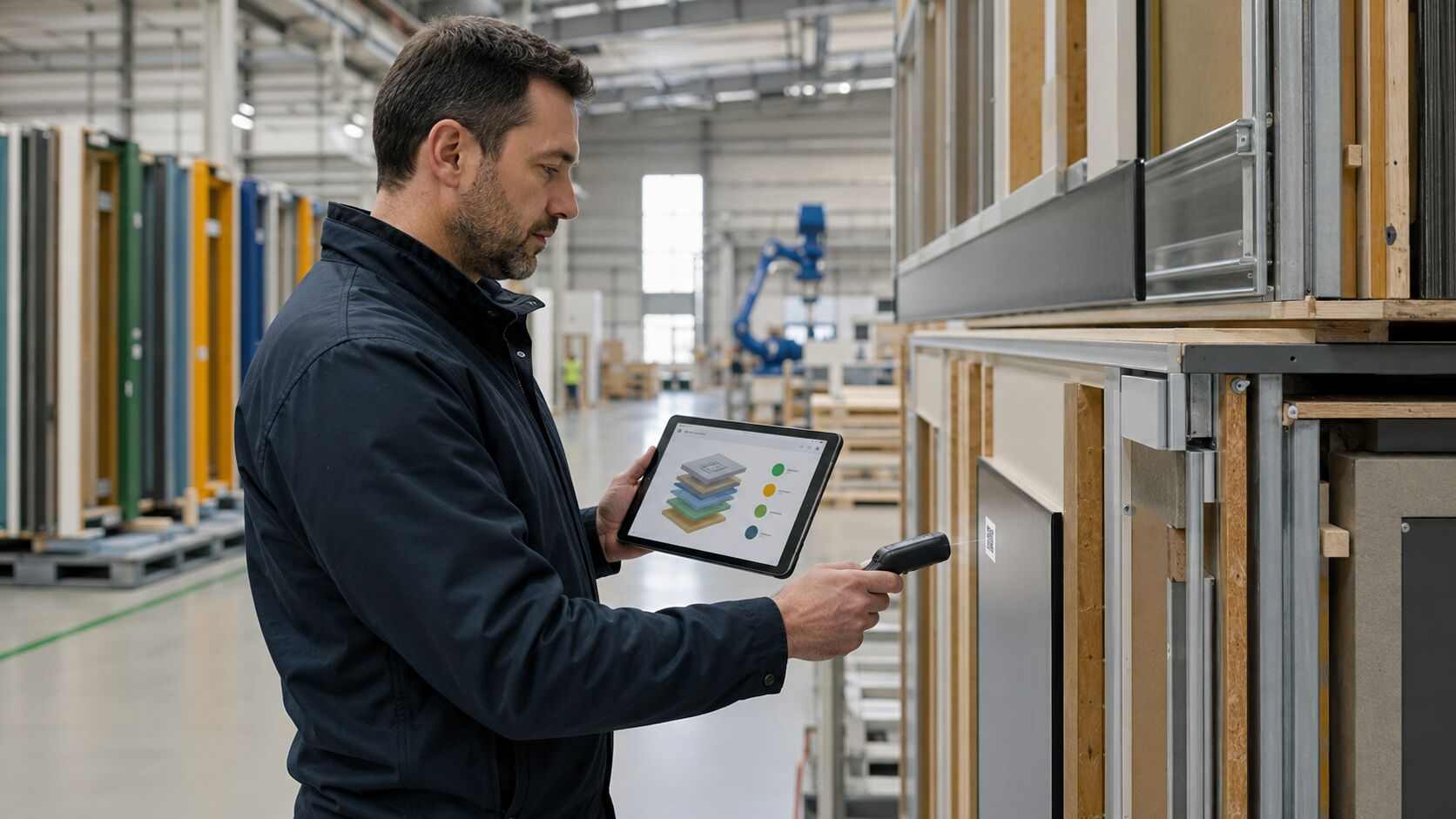
A Digital Material Passport (DMP) is a digital record containing comprehensive information about building materials and components throughout their lifecycle. It may include product specifications, material composition, manufacturing details, environmental performance, Environmental Product Declarations (EPDs), Life Cycle Assessment (LCA) data, maintenance history, and end-of-life recovery information.
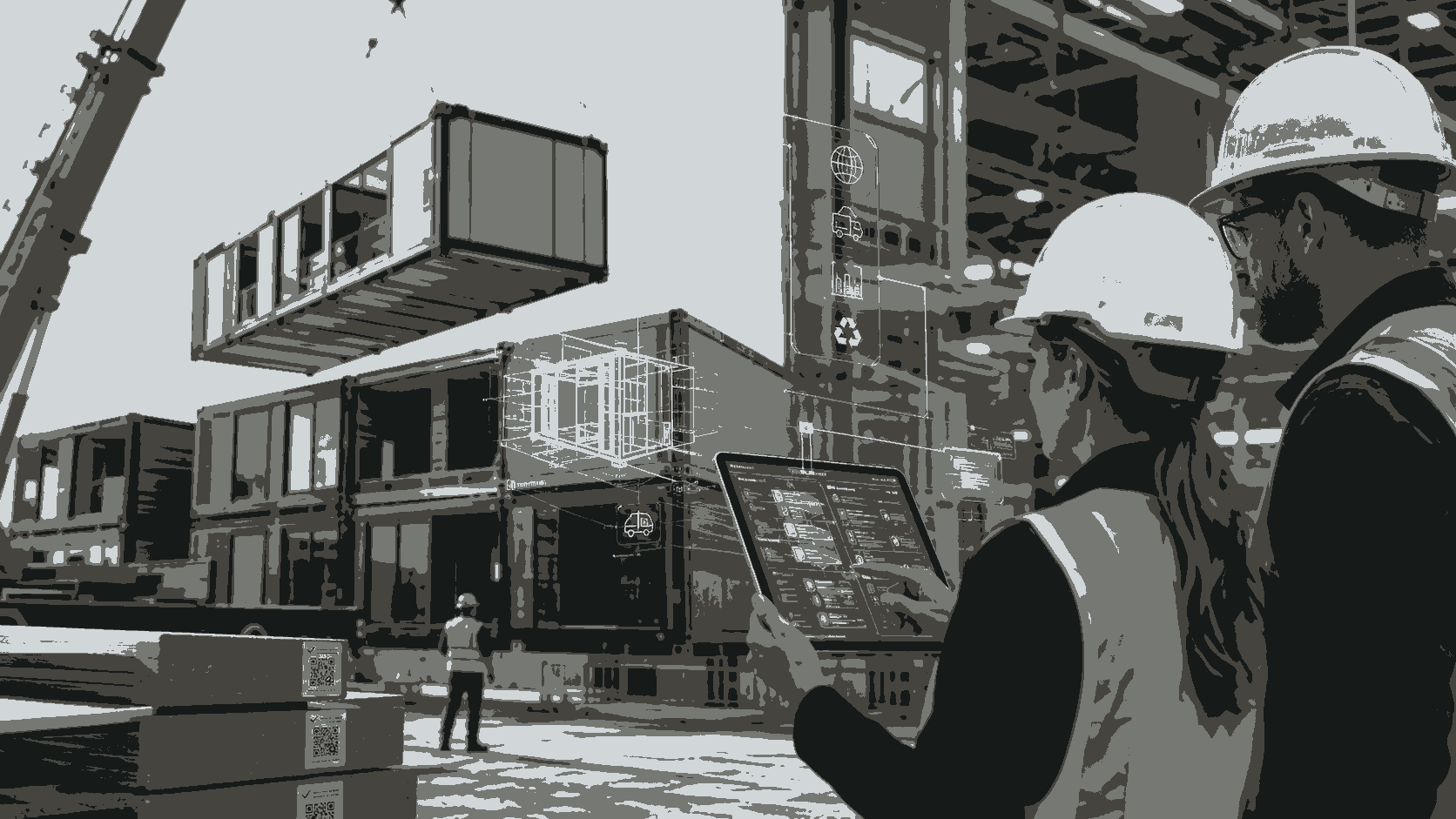
Modular construction provides a strong foundation for implementing DMPs because factory-controlled manufacturing enables standardized data collection and product identification. Technologies such as QR codes, RFID tags, cloud databases, and BIM integration allow project teams to access material information quickly and support maintenance, refurbishment, reuse, and recycling.
As sustainability regulations continue to evolve, Digital Material Passports are expected to improve transparency, strengthen supply chain management, and support circular economy objectives across the global construction industry.
Frequently Asked Questions (FAQ)
Q1: What is a Digital Material Passport (DMP)?
A Digital Material Passport is a digital record that stores detailed information about building materials and components, including their origin, composition, environmental performance, maintenance history, and recovery potential.
Q2: Why are DMPs valuable for modular construction?
Because modular buildings are manufactured in controlled factory environments, material information can be collected more consistently, making it easier to manage product quality, maintenance, and future reuse.
Q3: What should international buyers evaluate?
Buyers should assess whether manufacturers provide transparent material documentation, environmental information, traceability systems, and digital records that support long-term asset management and sustainability objectives.
Q4: What are the future trends?
Future developments are expected to include BIM-integrated material passports, blockchain-supported traceability, AI-assisted material management, cloud-based product databases, and broader adoption under international sustainability initiatives.