What Is a PU Sandwich Panel and Why Is It Widely Used in Modular Construction?
Polyurethane Foam Association (PFA)
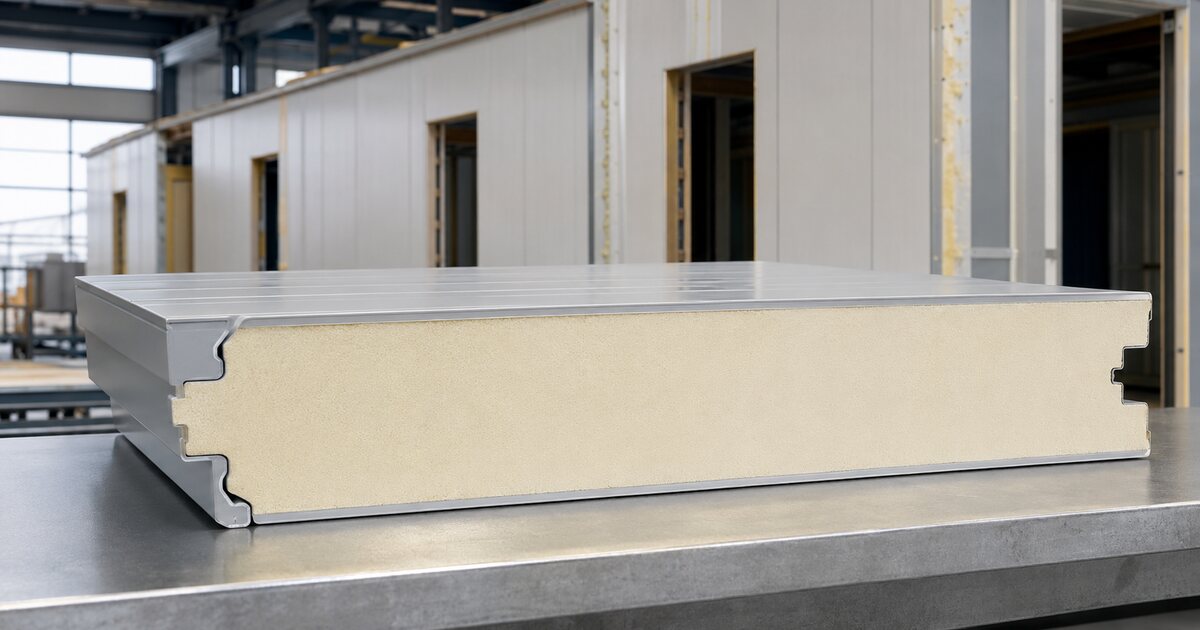
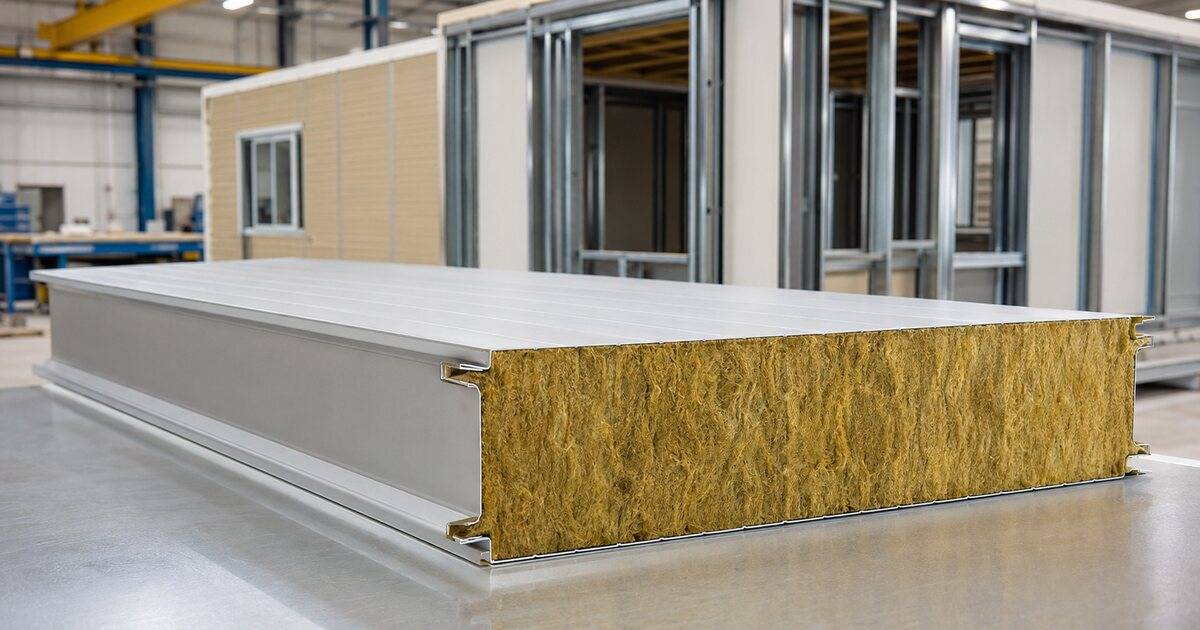
PU Sandwich Panels are manufactured through a continuous production process that bonds a polyurethane insulation core between two metal sheets. This construction provides excellent insulation while maintaining structural integrity.
Key advantages include:
- Low thermal conductivity for improved energy efficiency;
- Lightweight design that simplifies transportation and installation;
- Good structural rigidity and dimensional stability;
- Available in various panel thicknesses for different project requirements;
- Fast installation suitable for off-site construction;
- Suitable for wall cladding and roofing applications.
The selection of PU panels should always comply with local building regulations, fire performance requirements, and project specifications.
Frequently Asked Questions (FAQ)
Q1: What is a PU Sandwich Panel?
A PU Sandwich Panel is a composite insulated panel with two metal facings and a polyurethane insulation core, designed for walls and roofs.
Q2: Why is it popular in modular construction?
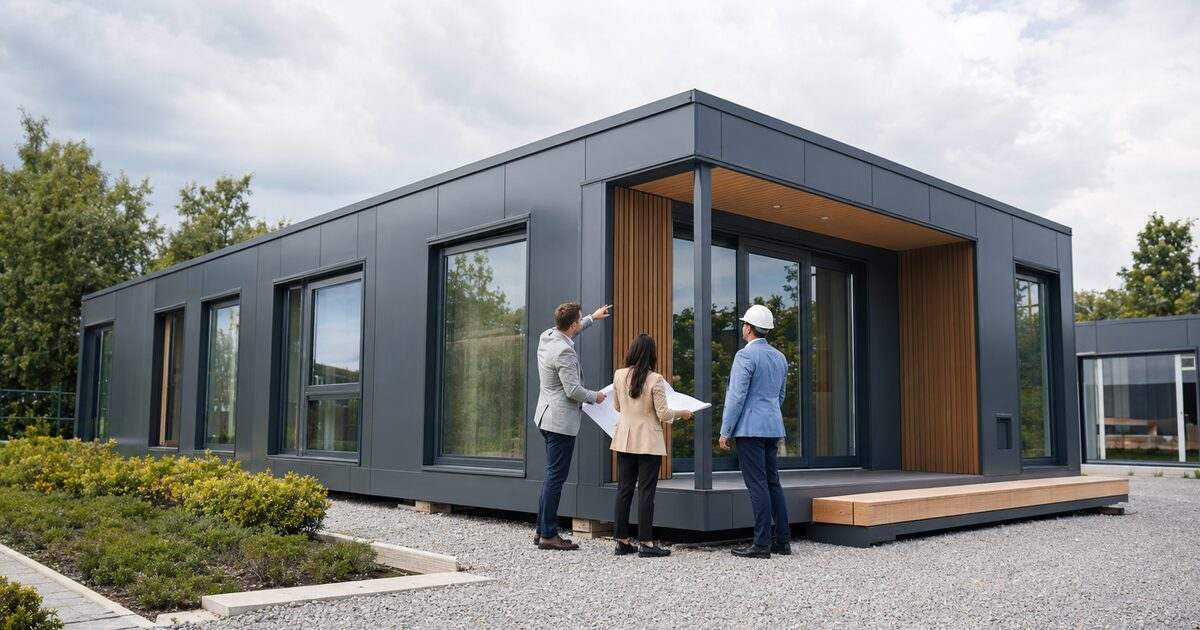
Its combination of thermal insulation, light weight, structural strength, and rapid installation makes it well suited for factory-built construction.
Q3: Where are PU Sandwich Panels commonly used?
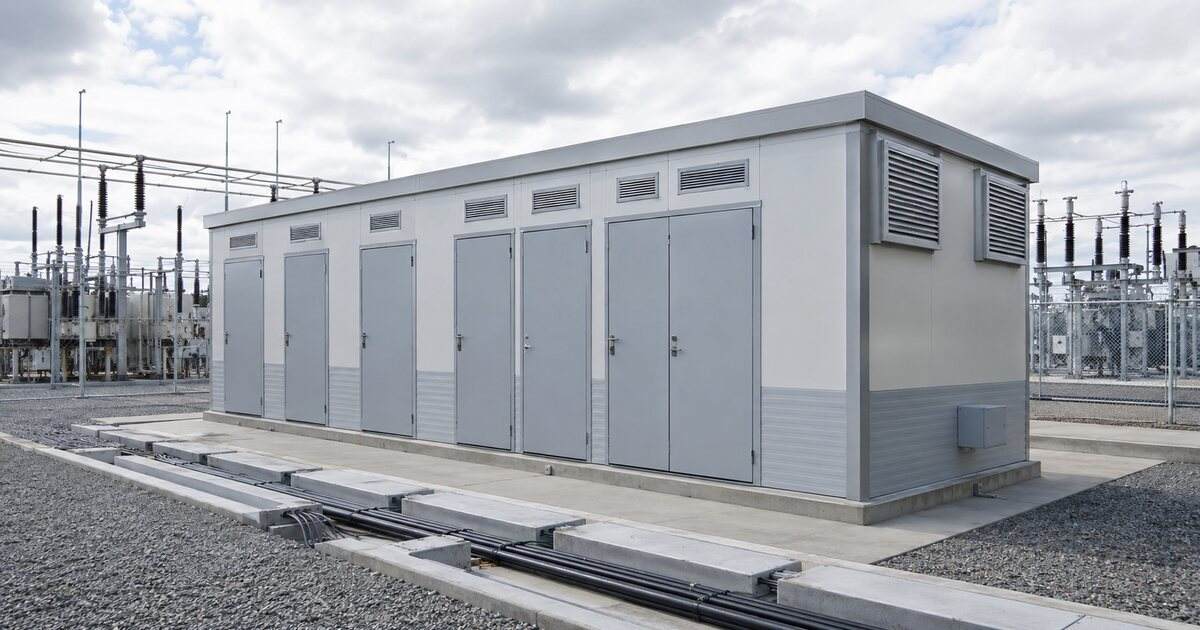
They are commonly used in modular buildings, industrial plants, warehouses, logistics centers, cold storage facilities, agricultural buildings, and commercial projects.
Q4: What do international buyers usually evaluate?
International buyers typically assess insulation performance, panel thickness, core density, coating quality, corrosion resistance, dimensional accuracy, weather resistance, manufacturing consistency, and compliance with applicable building standards.