Modular Construction Supports the Expansion of Hydrogen Infrastructure
International Energy Agency (IEA)
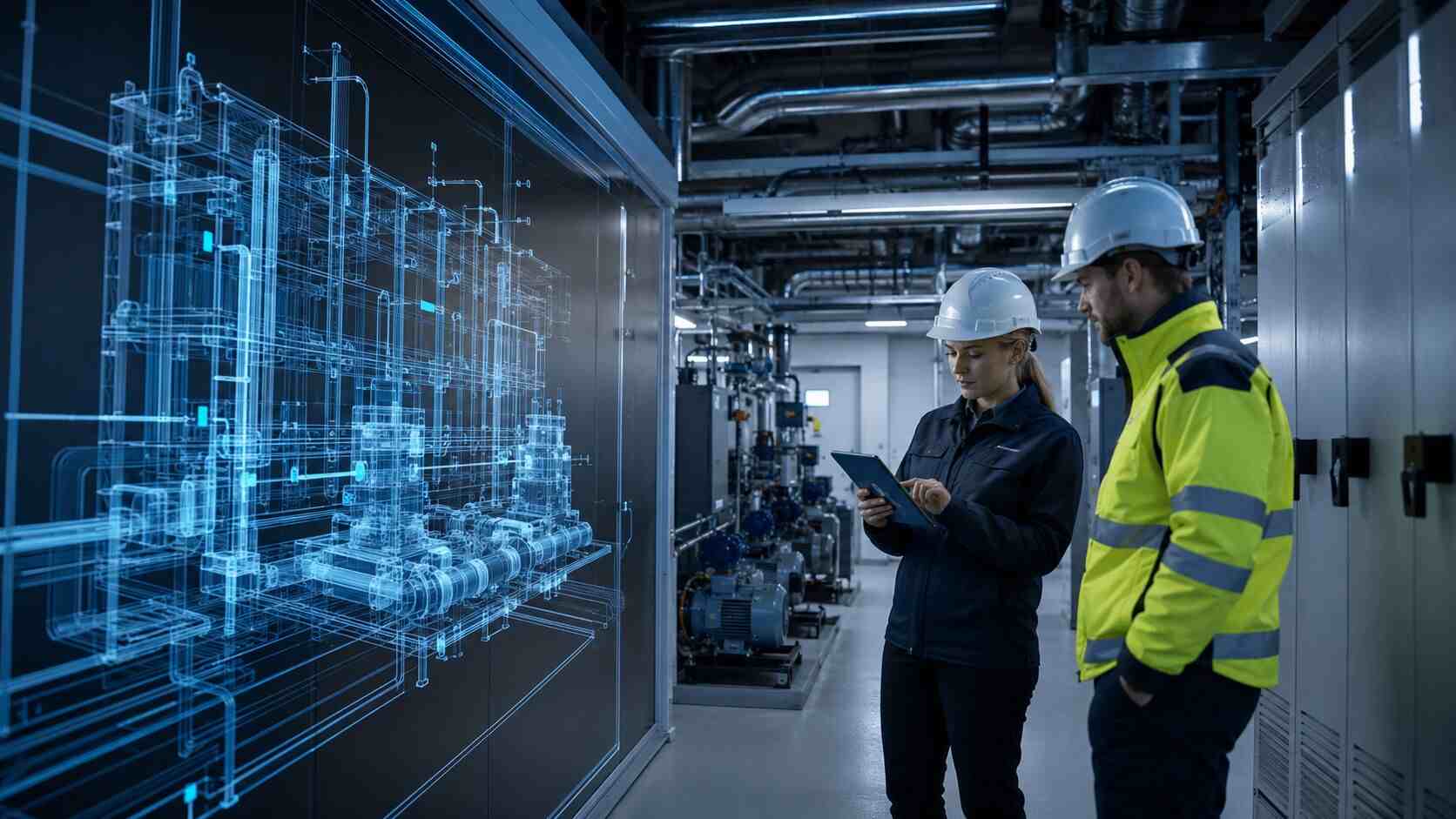
Hydrogen is increasingly recognized as a key component of future low-carbon energy systems. It can be used in transportation, industrial manufacturing, electricity generation, and long-duration energy storage. As governments and private investors expand hydrogen initiatives, demand for hydrogen production plants, refueling stations, and related infrastructure continues to increase.
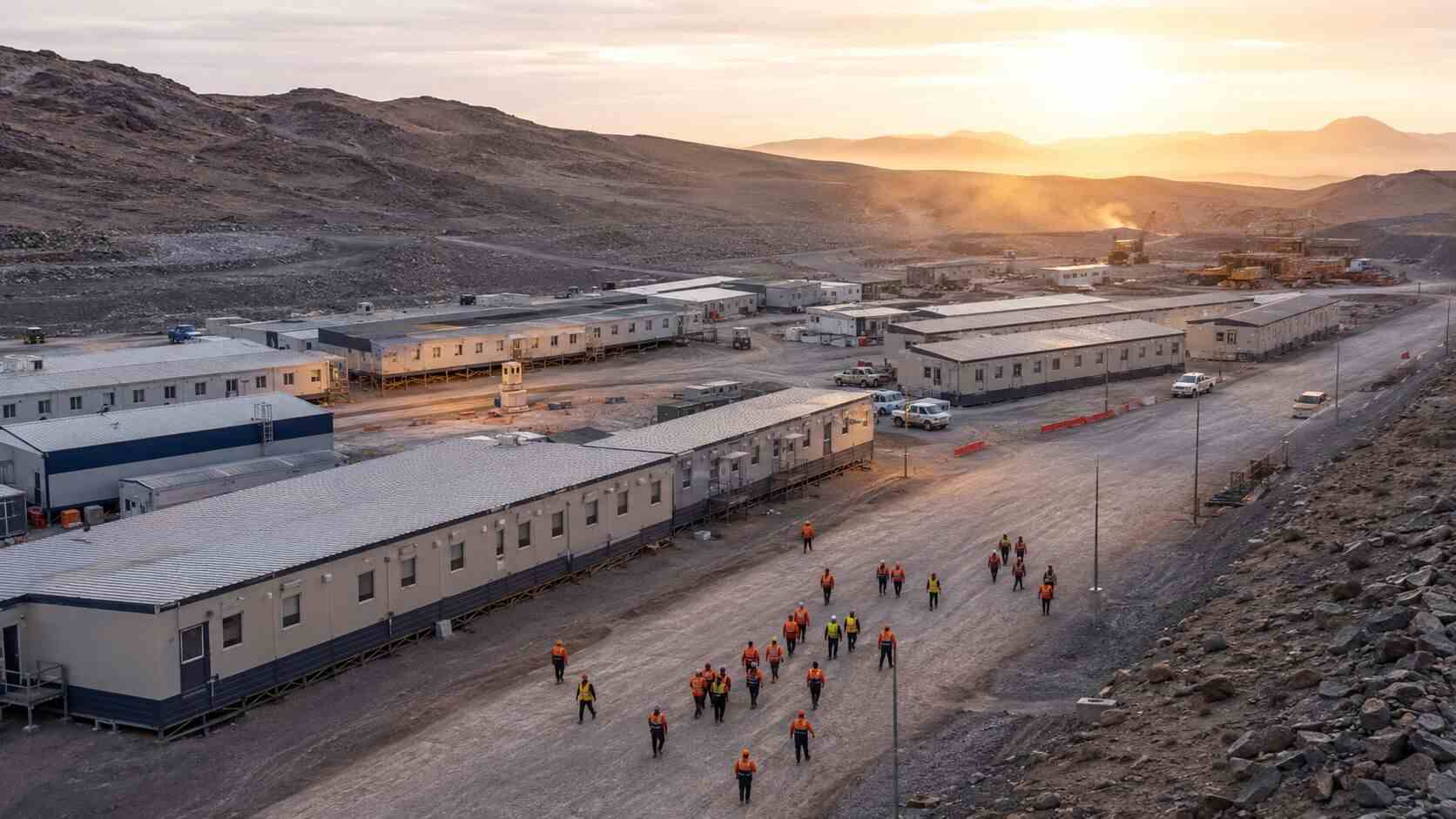
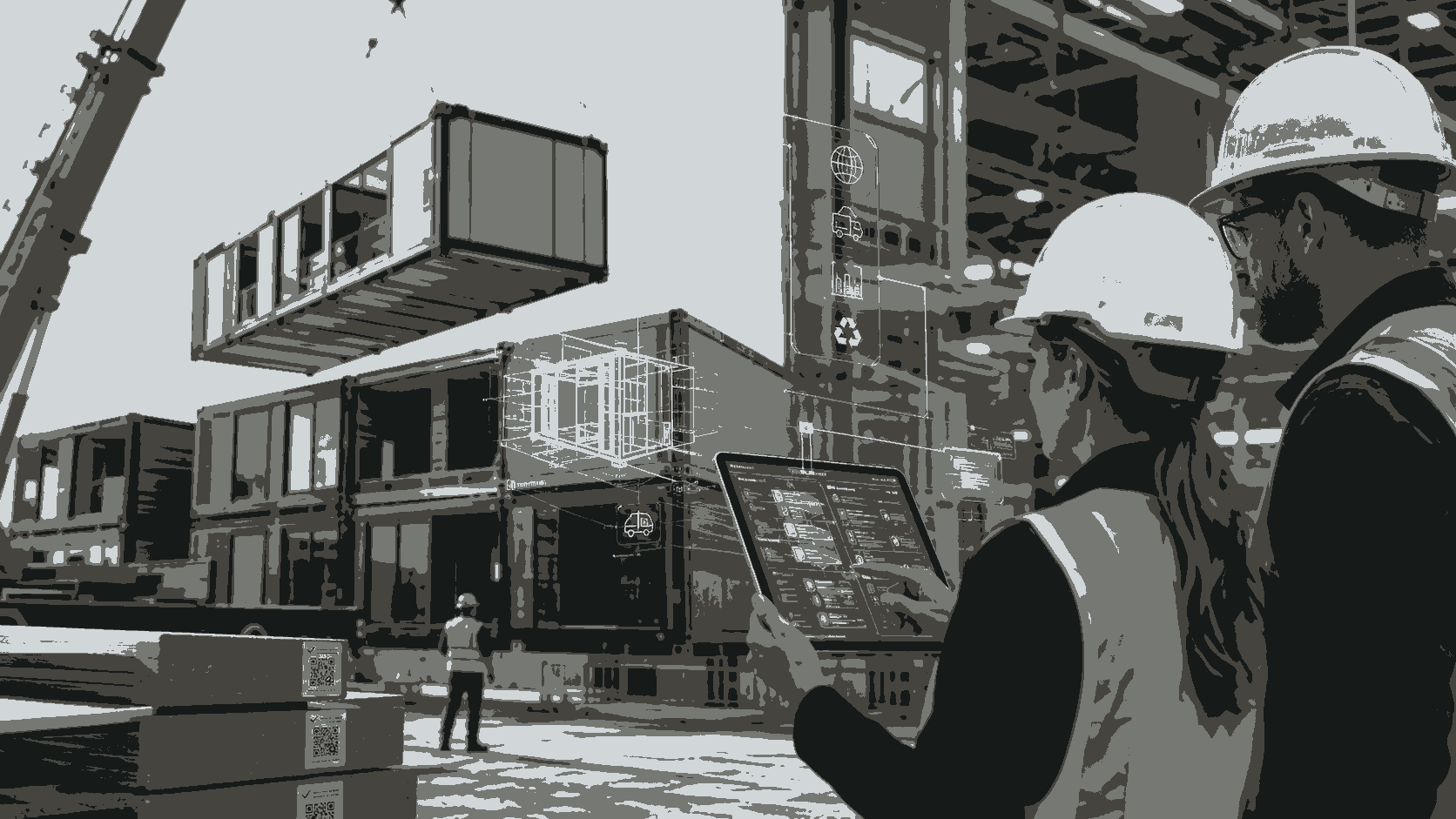
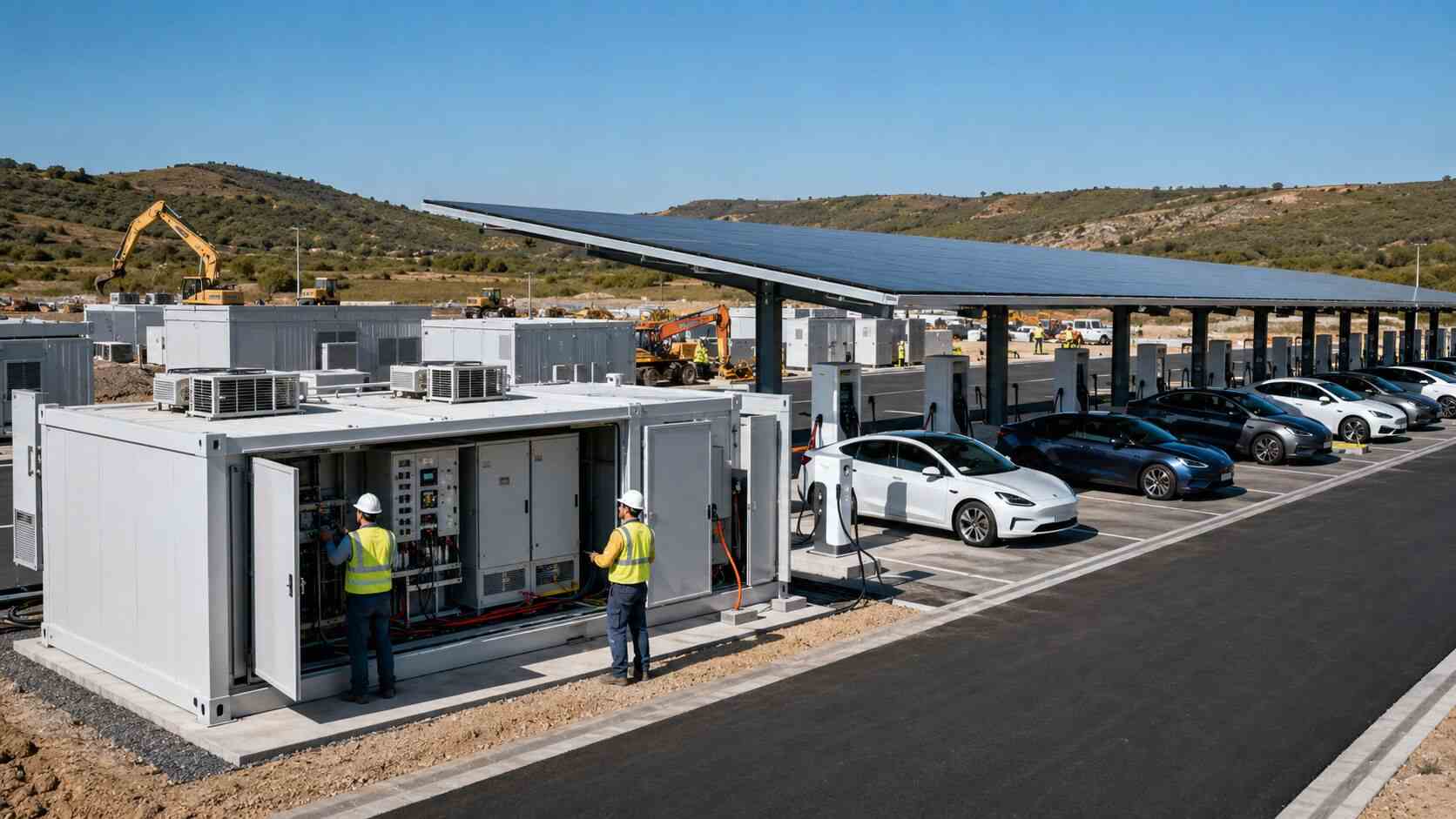
Beyond hydrogen processing equipment, projects require supporting facilities such as control buildings, electrical equipment rooms, monitoring centers, laboratories, maintenance workshops, administration offices, and staff facilities. Modular construction enables these buildings to be manufactured off-site and installed quickly, helping reduce construction time while maintaining consistent quality.
With continued advances in digital monitoring, intelligent energy management, automated process control, and safety systems, modular construction is expected to play an increasingly important role in supporting the next generation of hydrogen infrastructure.
Frequently Asked Questions (FAQ)
Q1: What is hydrogen infrastructure?
Hydrogen infrastructure includes facilities used for hydrogen production, storage, transportation, distribution, refueling, and operational support.
Q2: Why is modular construction suitable for hydrogen projects?
Hydrogen projects often require rapid deployment and standardized support buildings. Modular construction enables faster installation, factory-controlled quality, and easier future expansion.
Q3: What do international buyers usually evaluate?
International buyers typically assess structural durability, fire and explosion safety considerations, environmental performance, quality management systems, equipment integration, transportation planning, and compliance with applicable engineering standards.
Q4: What are the future trends?
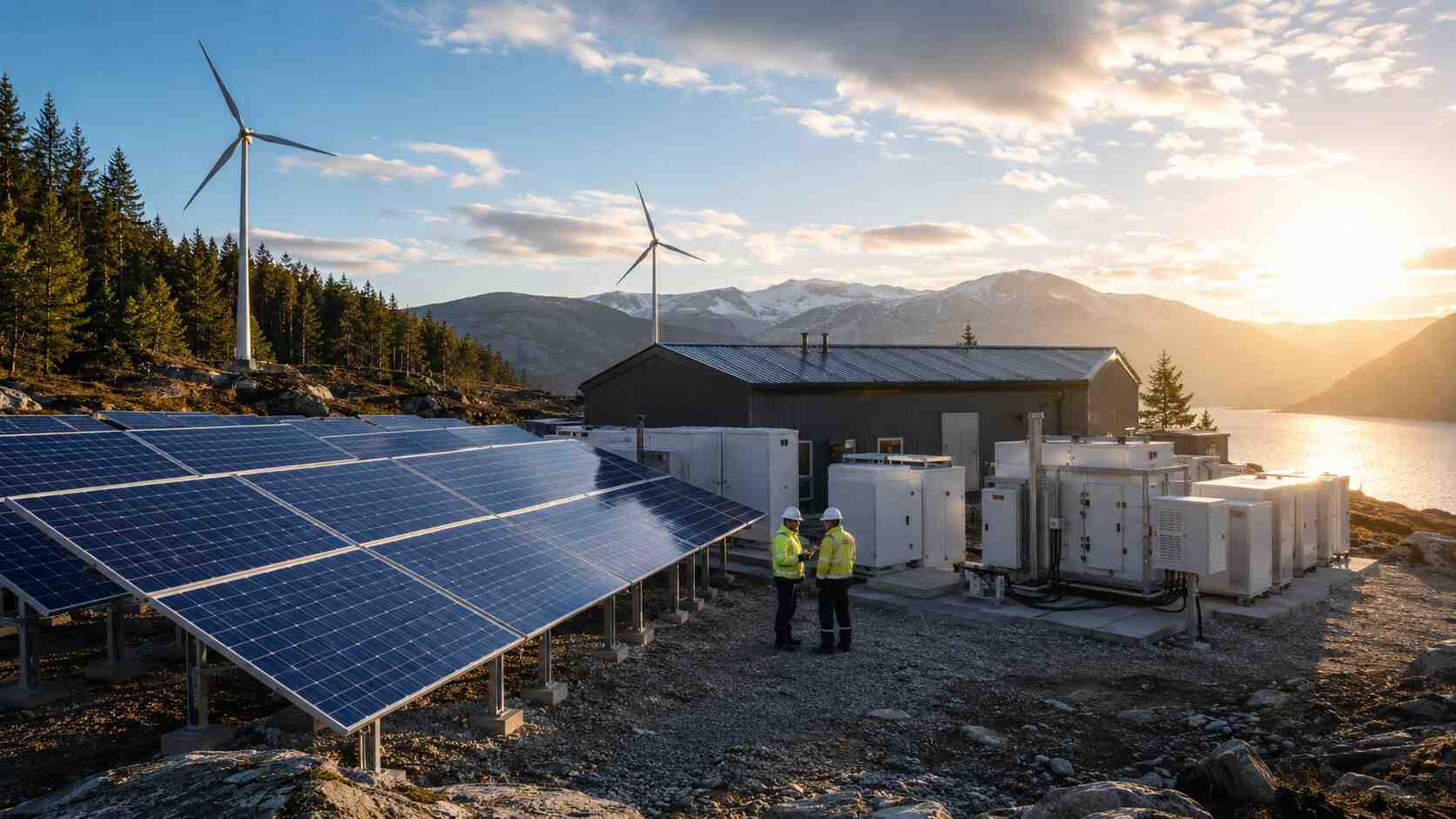
Future developments are expected to include green hydrogen production, renewable energy integration, digital facility management, automated monitoring systems, modular expansion strategies, and broader industrial adoption.