Modular Museum Conservation Laboratory Completed in Kyoto

Photo Gallery
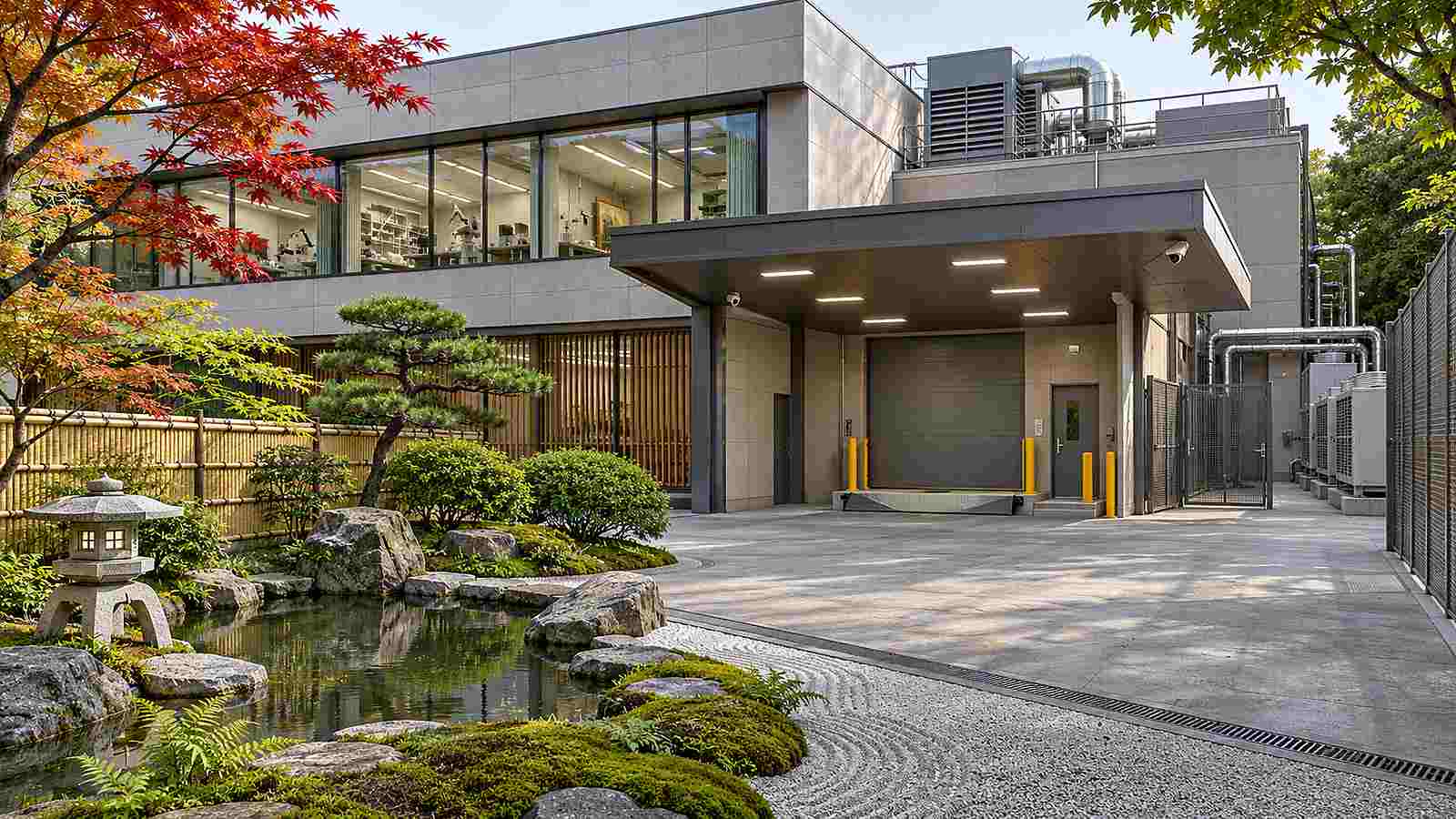
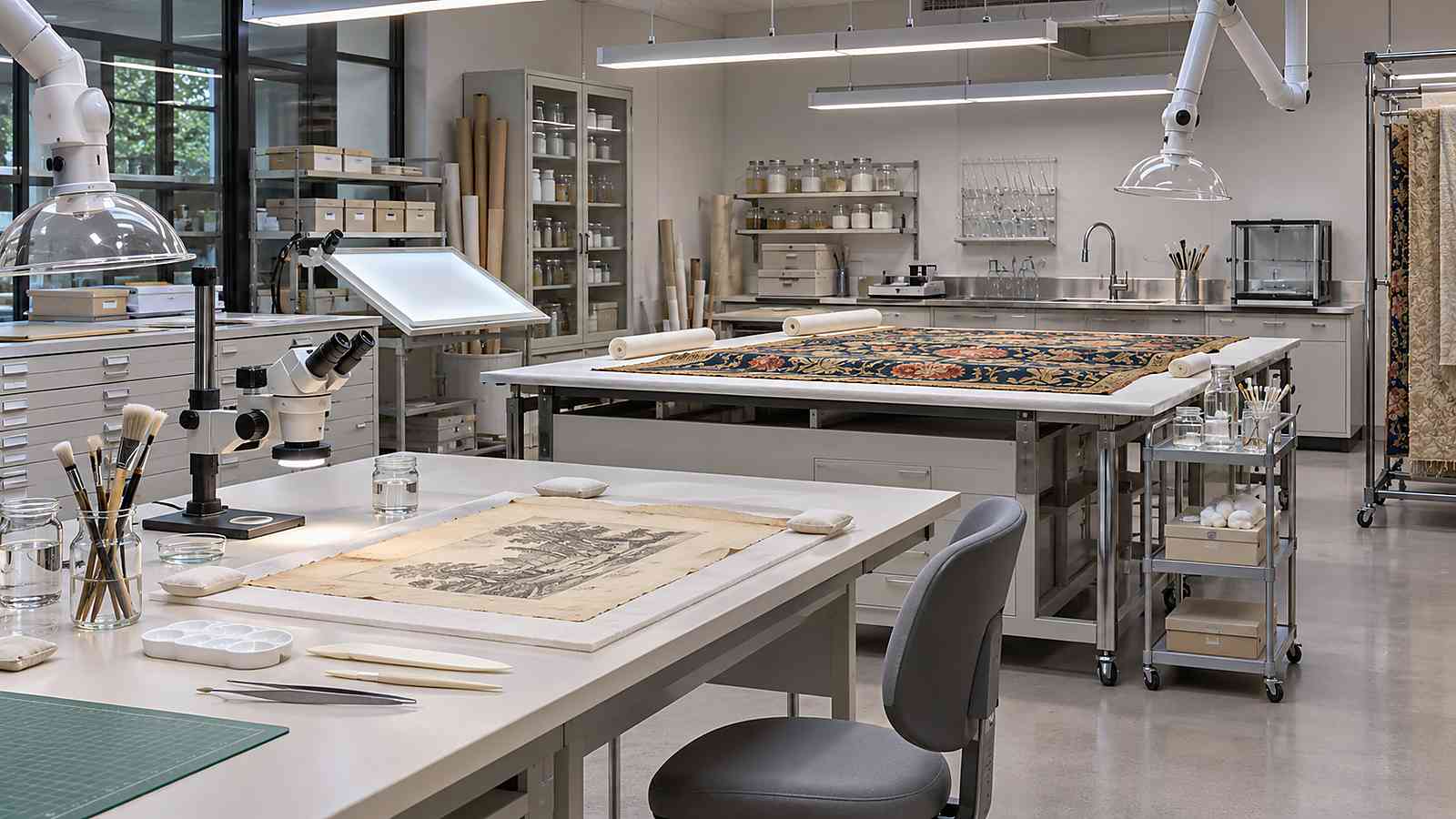
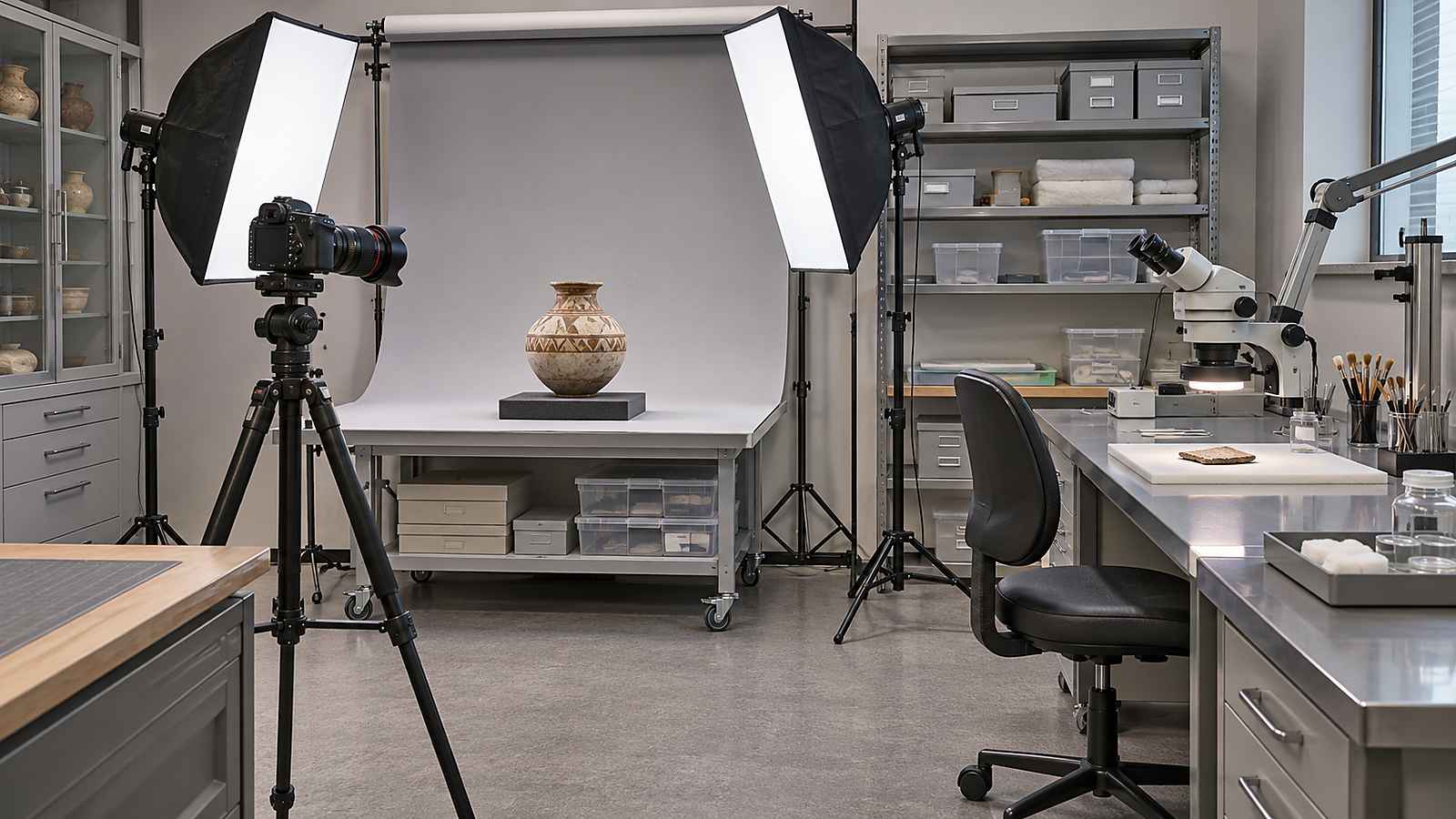
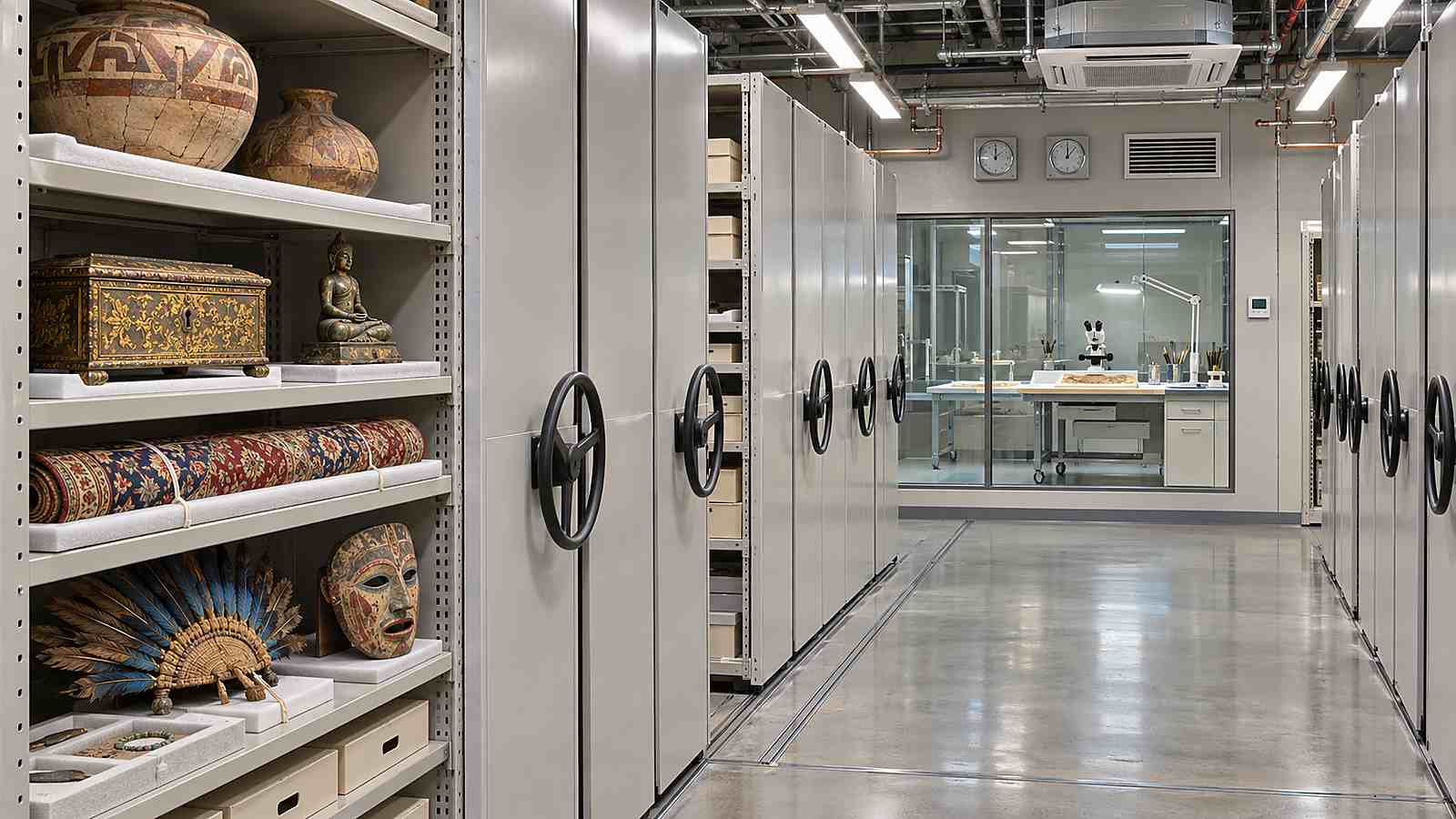
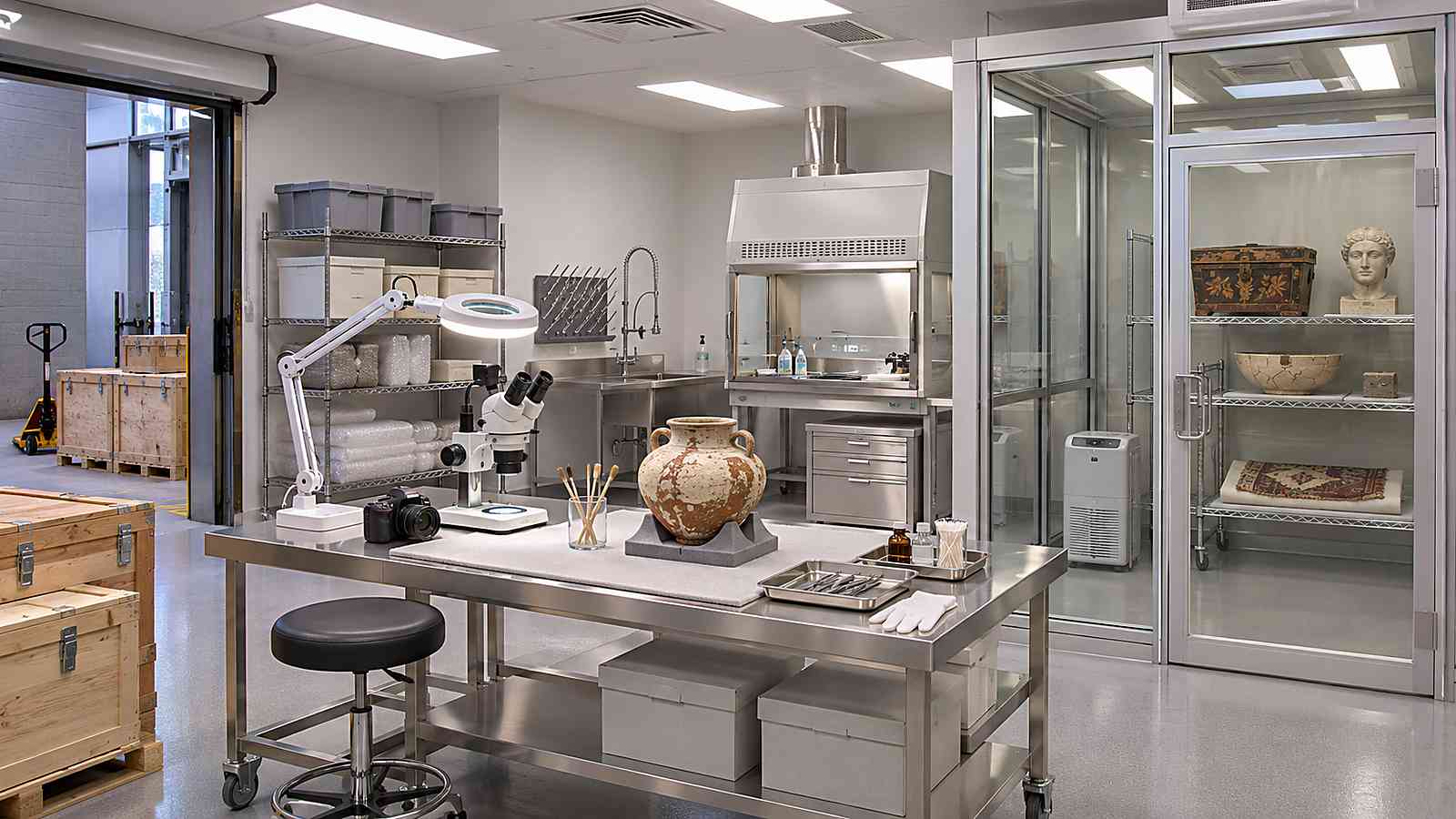
Completed in September 2026 in Kyoto, Japan, this facility was delivered around a distinct operating workflow. The conservation laboratory joins a secure object intake, quarantine room, paper and textile benches, photography bay and climate-controlled storage. Incoming objects can be examined and isolated before entering clean conservation areas.
Project Use and Operational Flow
Stable temperature and humidity, filtered air and neutral task lighting shaped the module envelope and MEP layout. Service access stays outside the artifact route, reducing disturbance during maintenance.
Building System and Factory Coordination
Structural openings, equipment loads, primary service routes, lifting points and module junctions were resolved before interior close-up. Factory records covered concealed work, penetration sealing, dimensions and transport protection.
Site Assembly and Functional Handover
Handover included room-by-room environmental logging, lighting checks and storage operation. The loading canopy and crate route were tested with handling equipment before the facility entered use.
Foundations, utility entries and crane positions were checked before dispatch. Modules were placed in sequence, connections and weather seals were completed, and specialist rooms were tested against their intended use.
Compliance Record
The ICC/MBI off-site standards programme is a useful reference for dividing factory and site responsibilities where adopted. Final structural, fire, accessibility, energy and operational approvals remain subject to the local authority and appointed professionals.
- Specialist equipment and room data were coordinated before production.
- Factory and site inspection evidence was consolidated for handover.
- Transport, lifting, connections and commissioning had named responsibilities.
Related ZH-ENG Solution
Explore ZH-ENG modular building solutions for manufacturing, logistics and delivery coordination matched to the project type.
Sources
Project source: linson.
Technical reference: International Code Council and Modular Building Institute — Off-Site Construction Standards — https://www.iccsafe.org/products-and-services/standards/is-osmc/