Modular Waterfront Vacation Hotel Case Study: Compact Resort Cabins Built for Coastal Living
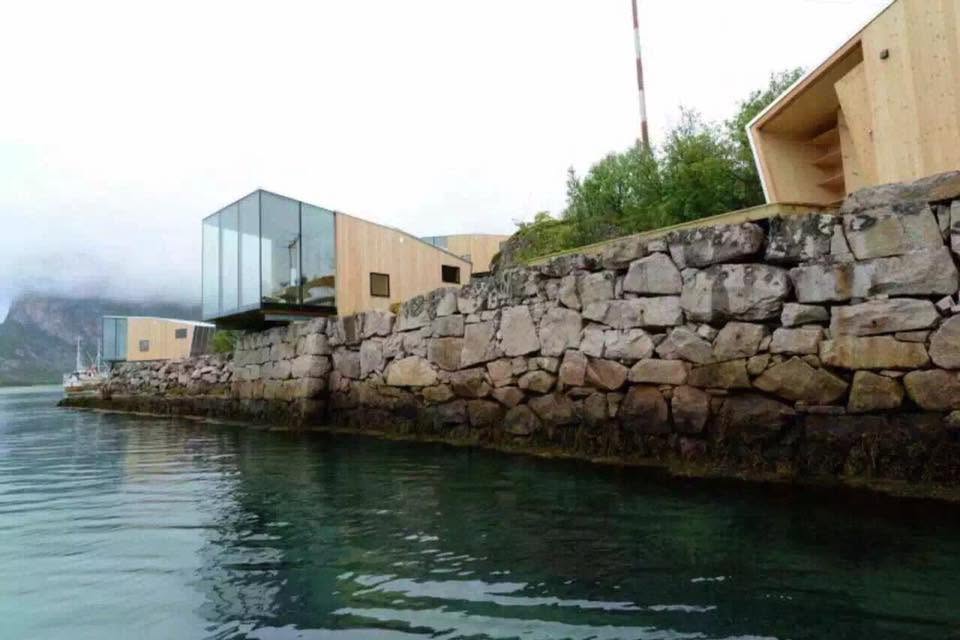
Photo Gallery
A Modular Resort Hotel Designed for Waterfront Scenery
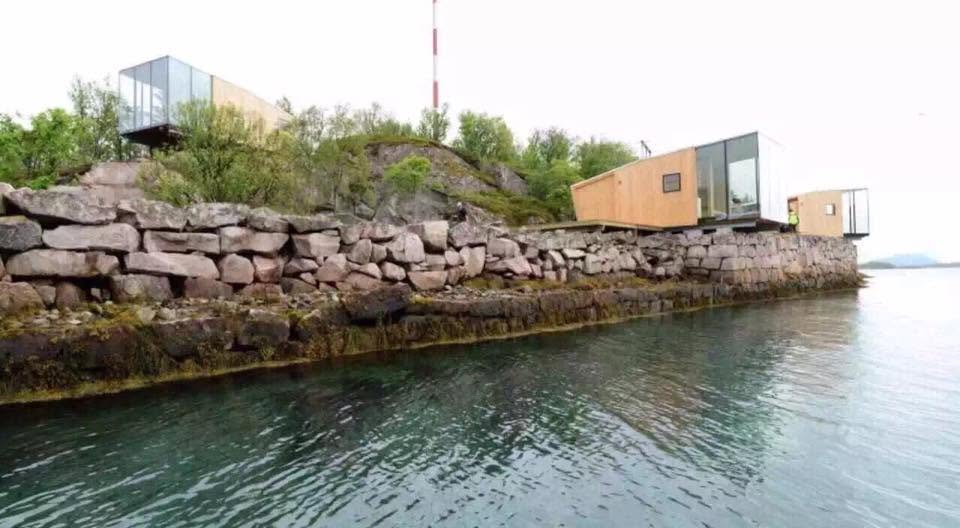
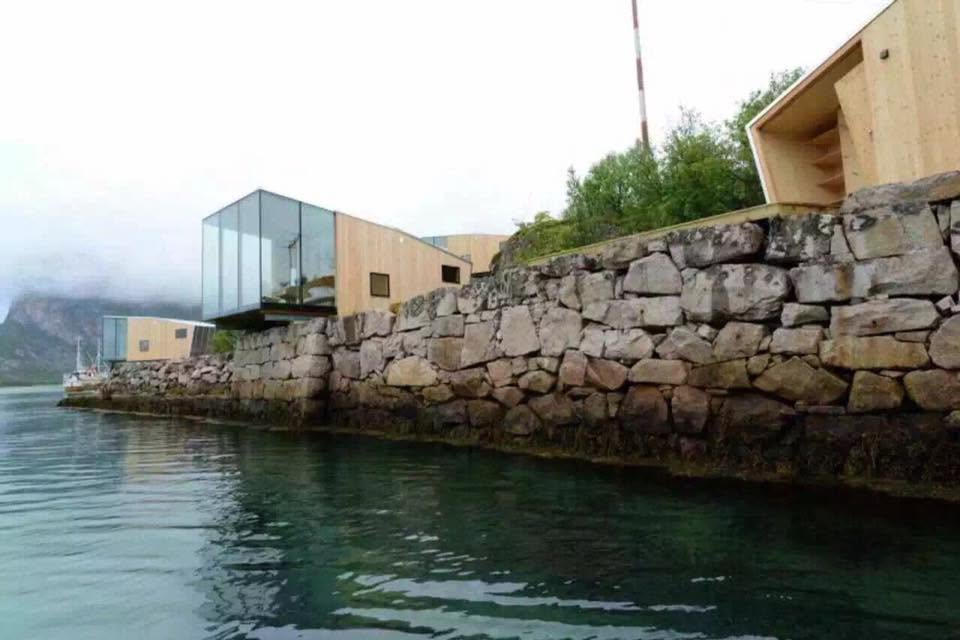
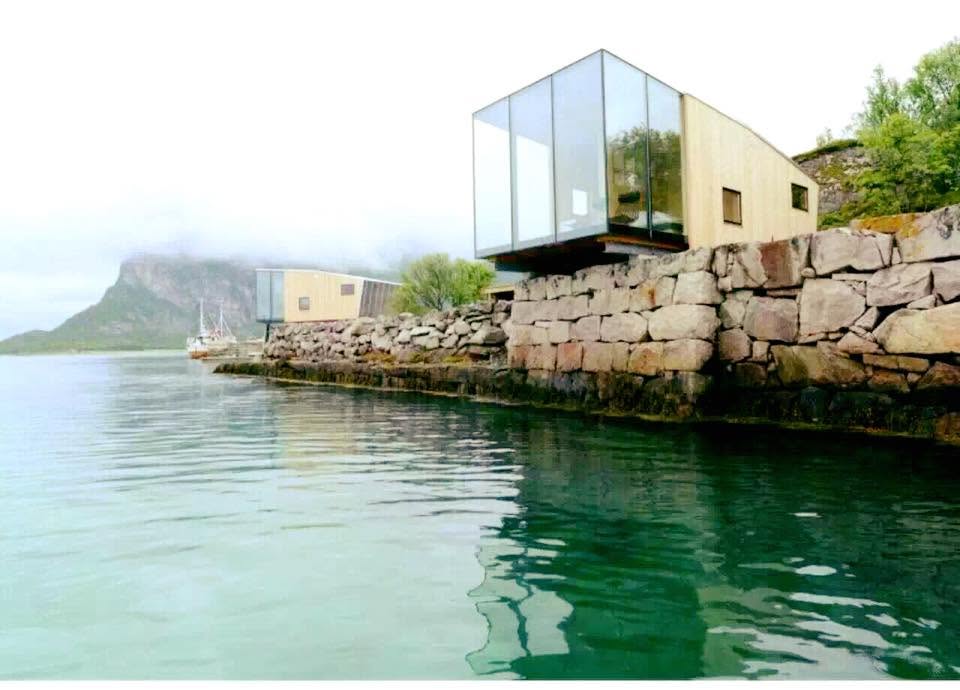
This modular vacation house hotel project was developed for a coastal waterfront resort setting, where the natural environment is an important part of the guest experience. Instead of using traditional large-scale hotel buildings, the project adopts independent modular cabins distributed along the shoreline. This layout gives each guest unit a stronger sense of privacy while allowing the buildings to blend naturally into the rocky coastal landscape.
Compact Modular Units with Strong Hotel Functionality
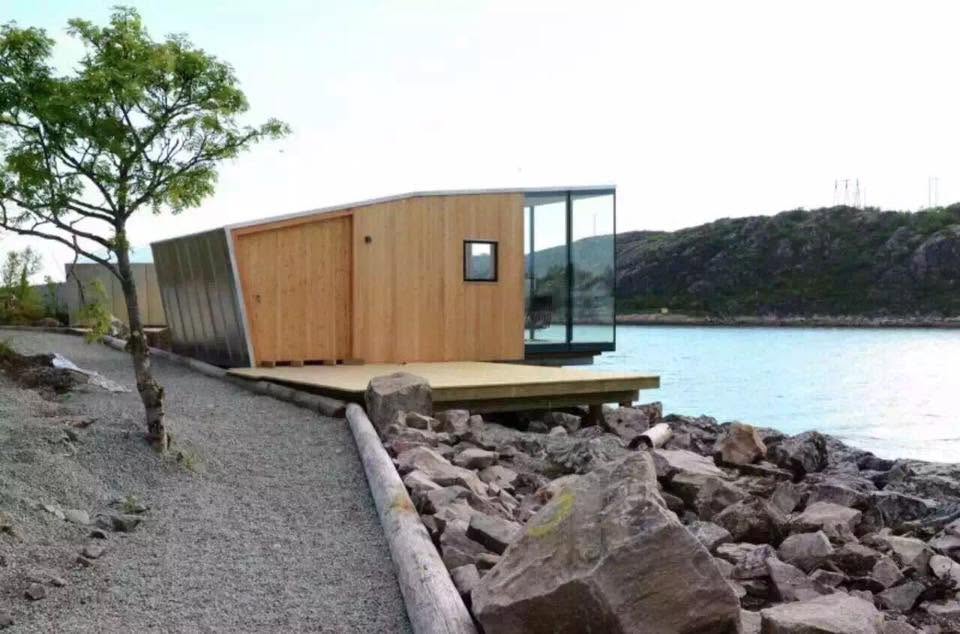
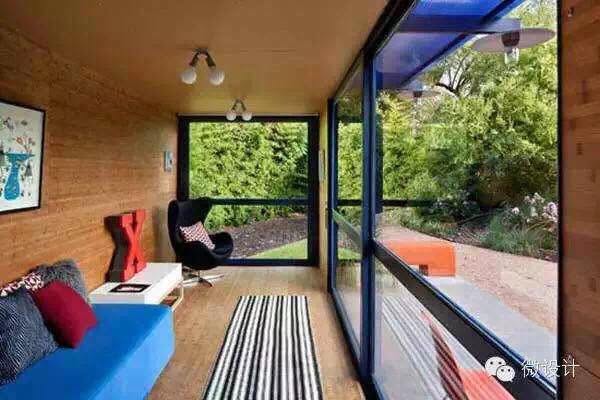
Each cabin is designed as a compact modular living unit that can meet the basic needs of resort accommodation. From the exterior, the structure appears simple and clean, but the interior space is planned for comfort, relaxation, and scenic viewing. The use of modular construction helps simplify production, transportation, and on-site installation, making it suitable for resort projects in remote or special terrain locations.
Natural Wood Exterior Creates a Warm Resort Atmosphere
The cabins use natural wood-style exterior cladding, which gives the project a warm and welcoming appearance. Compared with cold industrial materials, the wood finish makes the modular units feel closer to nature and more suitable for leisure accommodation. This material expression also helps the buildings visually connect with the surrounding trees, rocks, and coastal environment.
Large Glass Façades Improve the Guest Experience
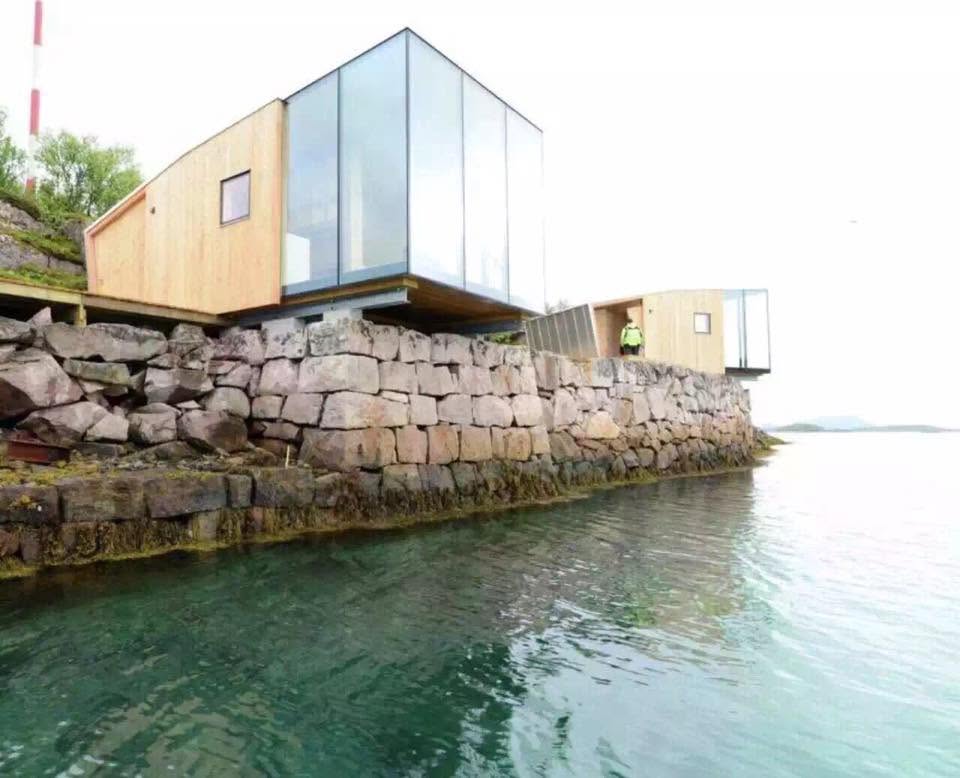
One of the most distinctive features of the project is the use of large glass façades at the front of the cabins. These glass walls open the interior space toward the water view and allow guests to enjoy the surrounding scenery from inside the room. For resort hotel projects, this design greatly improves the value of each room by turning the natural landscape into part of the living experience.
Elevated Installation for Coastal Terrain
Because the project is located beside a rocky waterfront, the cabins are installed on elevated platforms and adapted to the existing terrain. This installation method reduces the need for large-scale ground modification and helps protect the original landscape. It also allows the modular units to extend visually toward the water, creating a floating and lightweight architectural impression.
Suitable for Island Resorts and Eco-Tourism Projects
This case shows the strong potential of modular buildings in tourism accommodation. For island resorts, waterfront hotels, mountain camps, lakeside vacation projects, and eco-tourism destinations, modular cabins can provide a faster and more flexible construction solution. The units can be prefabricated in a factory and then transported to the project site, reducing on-site construction time and improving project delivery efficiency.
A Modern Solution for High-Value Resort Accommodation
Compared with conventional temporary accommodation, this modular vacation house hotel project focuses more on design quality, comfort, and long-term operation value. The clean architectural form, wood cladding, glass viewing area, and site-specific installation make the project suitable not only for short-term stays, but also for branded resort operations and premium tourism accommodation.
Conclusion
As a modular vacation house hotel case completed on February 27, 2018, this project provides a practical reference for future resort development. It proves that modular construction is not limited to temporary housing or standard accommodation; it can also create beautiful, comfortable, and commercially valuable hotel spaces in scenic locations. For developers seeking faster construction, flexible layout, and strong landscape integration, modular resort cabins offer an efficient and attractive solution.