Modular Accommodation Camp for Natural Gas Processing Project in Al Khobar, Saudi Arabia
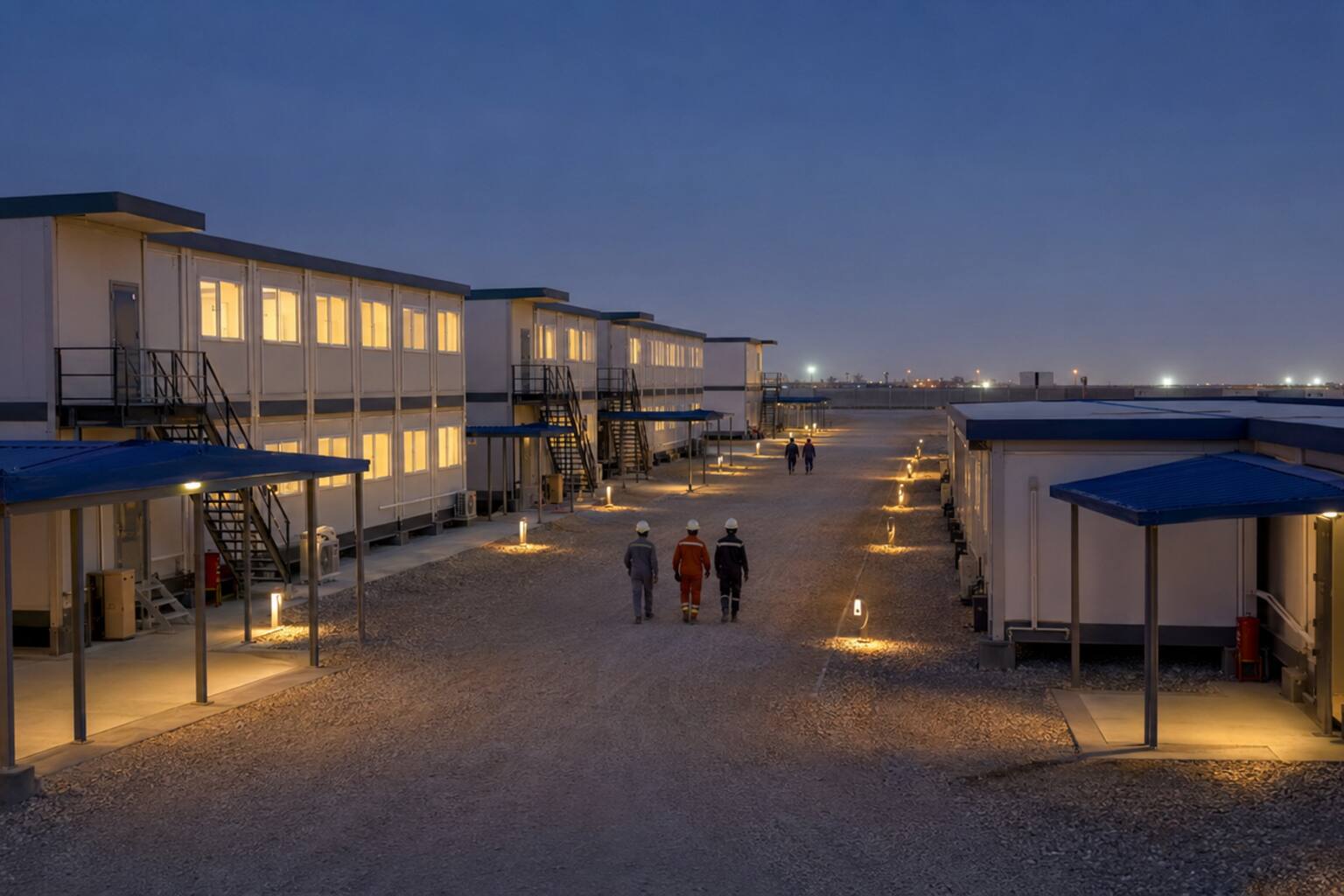
Photo Gallery
Project Background
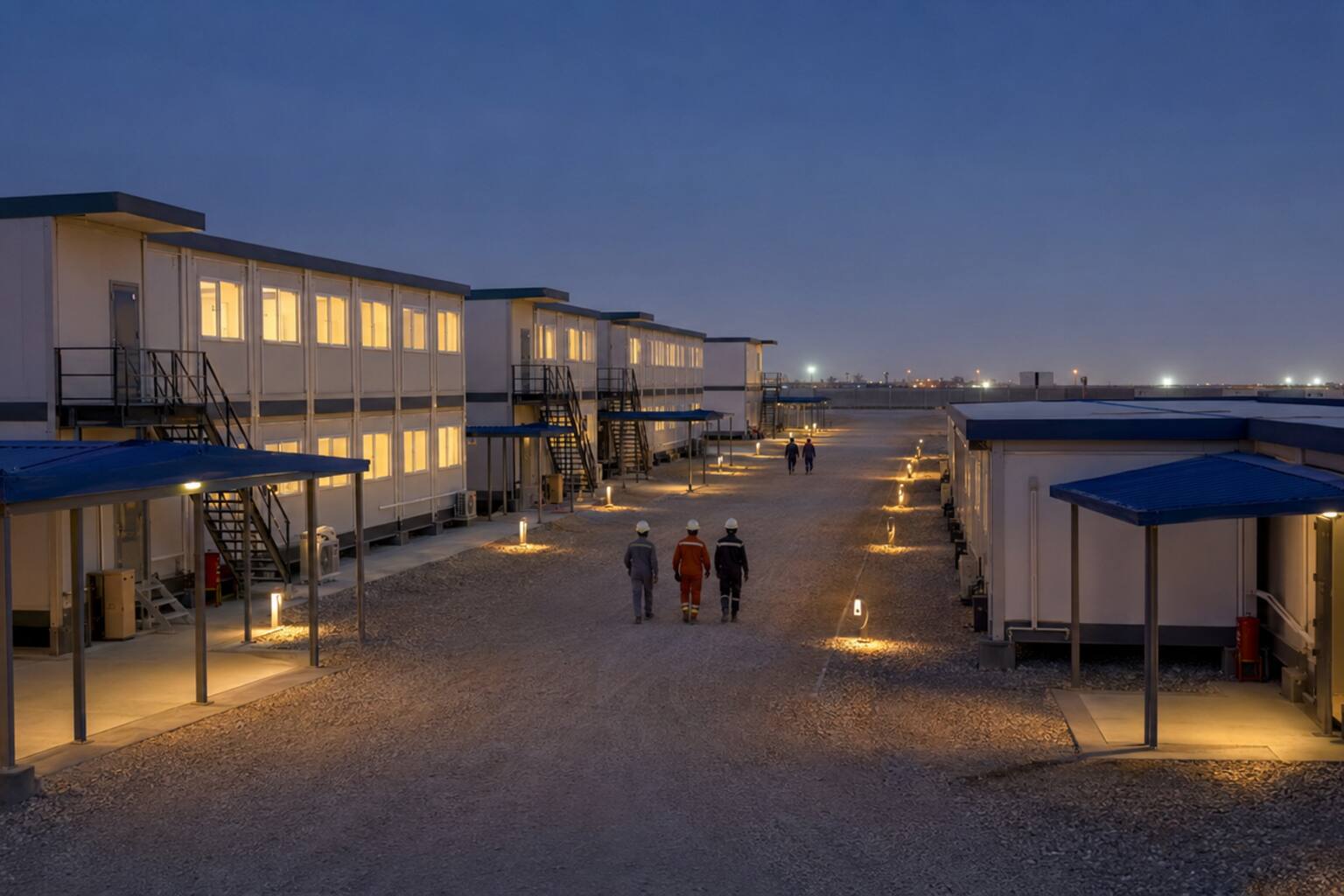
The natural gas processing project required a complete temporary accommodation solution before large-scale construction activities began. Due to the remote project location and challenging environmental conditions, modular buildings were selected as the preferred construction method.
The project required rapid deployment without interrupting the engineering schedule while maintaining high standards for safety, durability, and worker comfort.
Camp Configuration
The modular camp included:
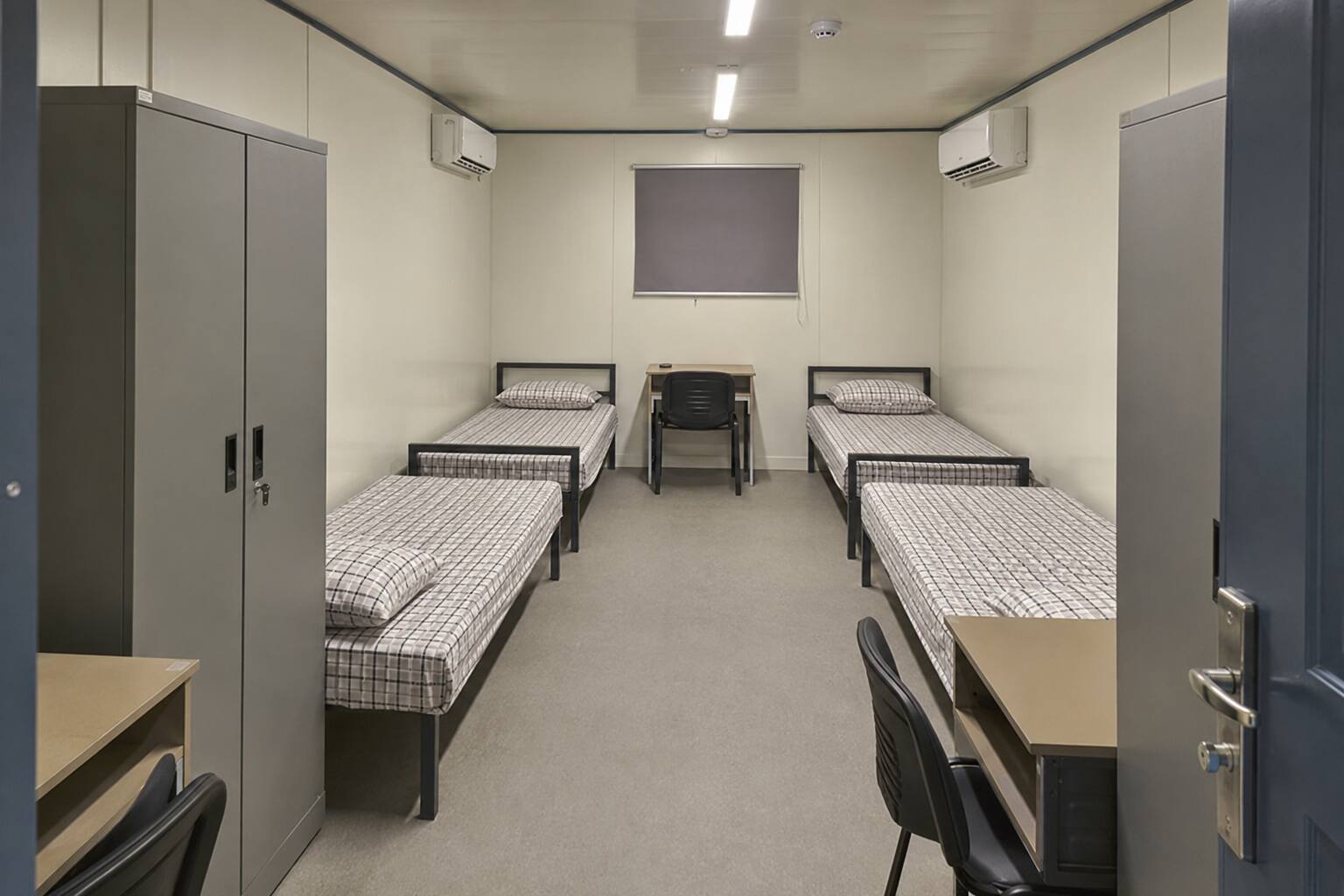
Staff accommodation buildings
• Management office
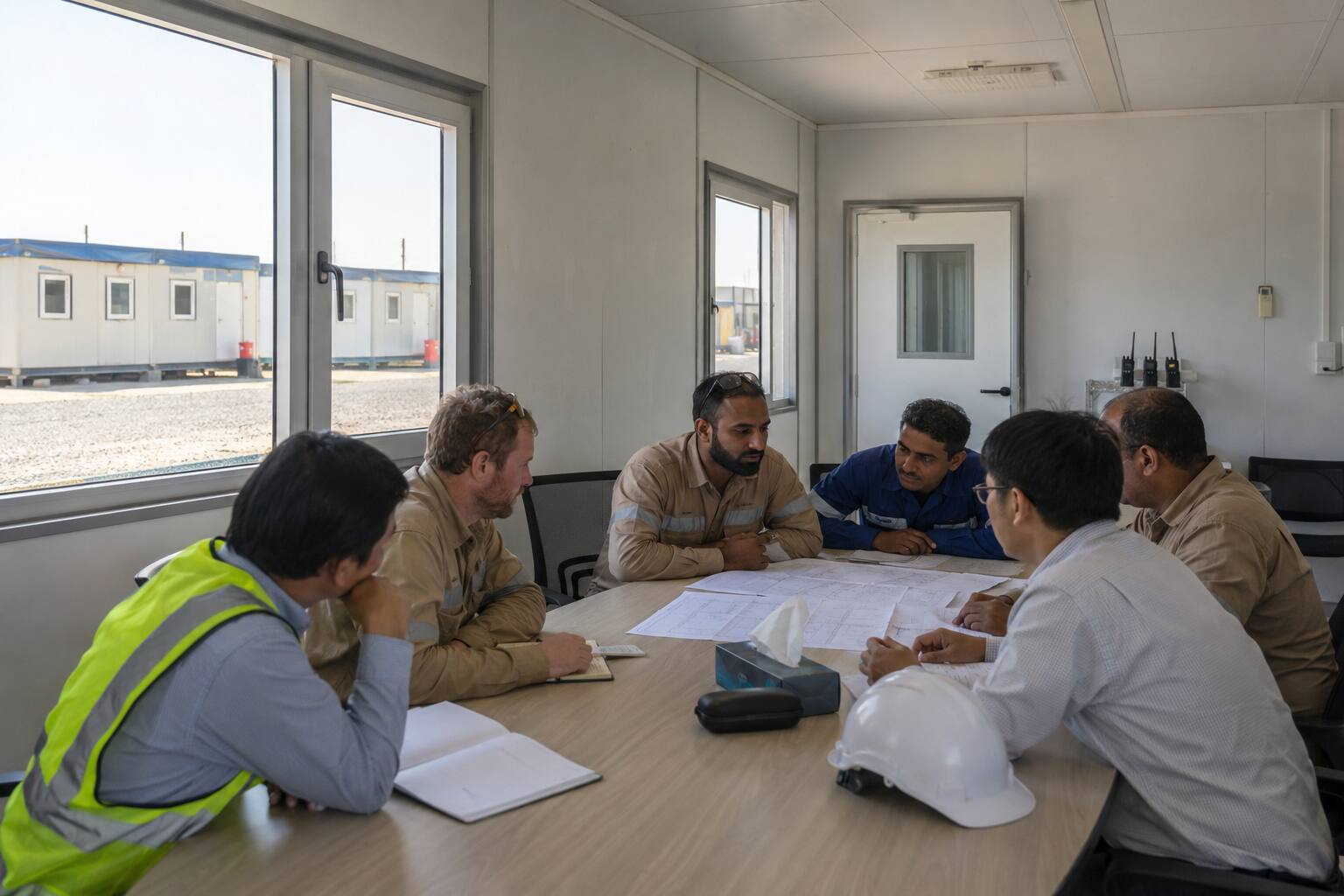
• Engineering office
• Conference room
• Dining hall
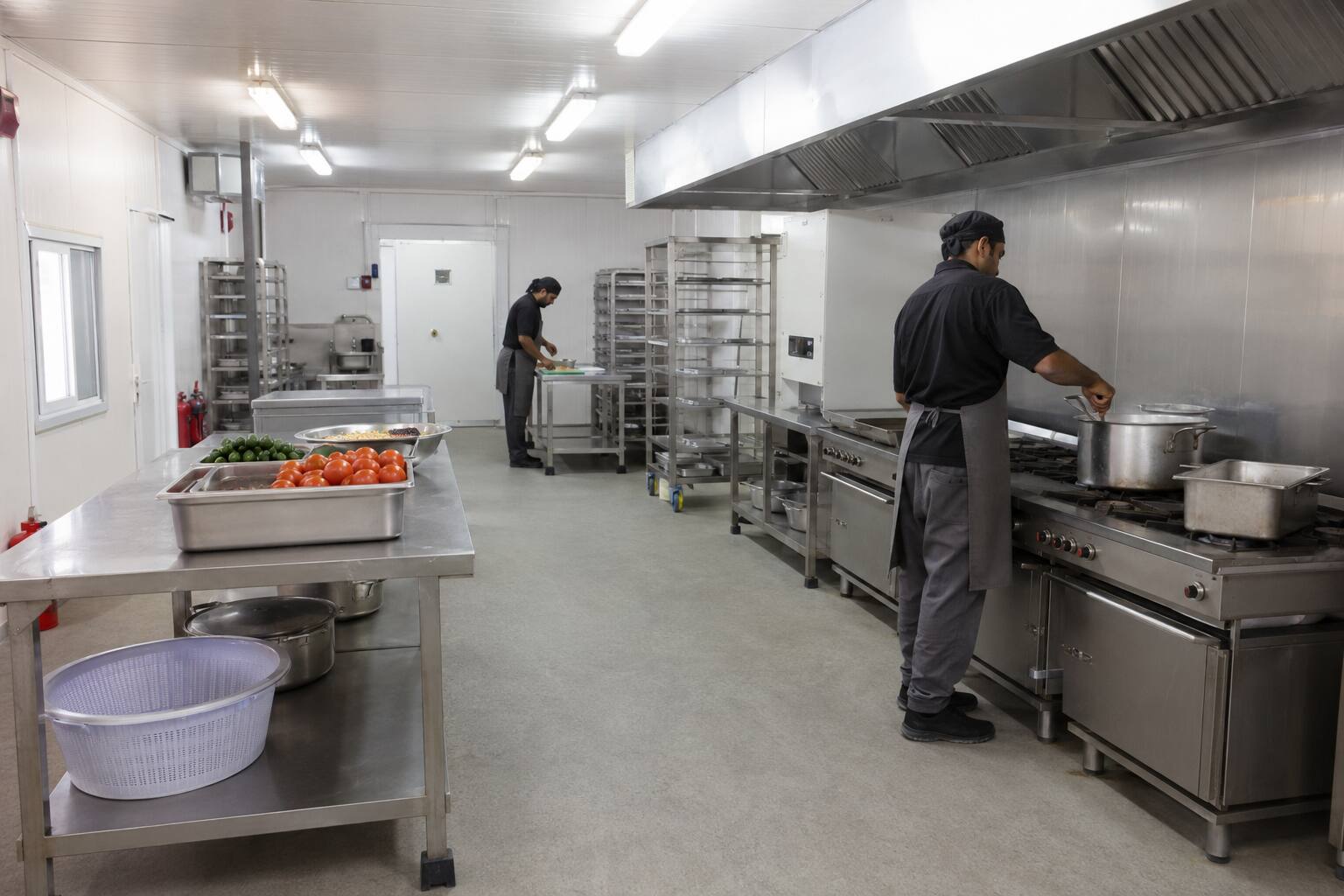
• Commercial kitchen
• Medical clinic
• Laundry room
• Shower and restroom buildings
• Security checkpoint
• Generator room
• Water treatment and utility facilities
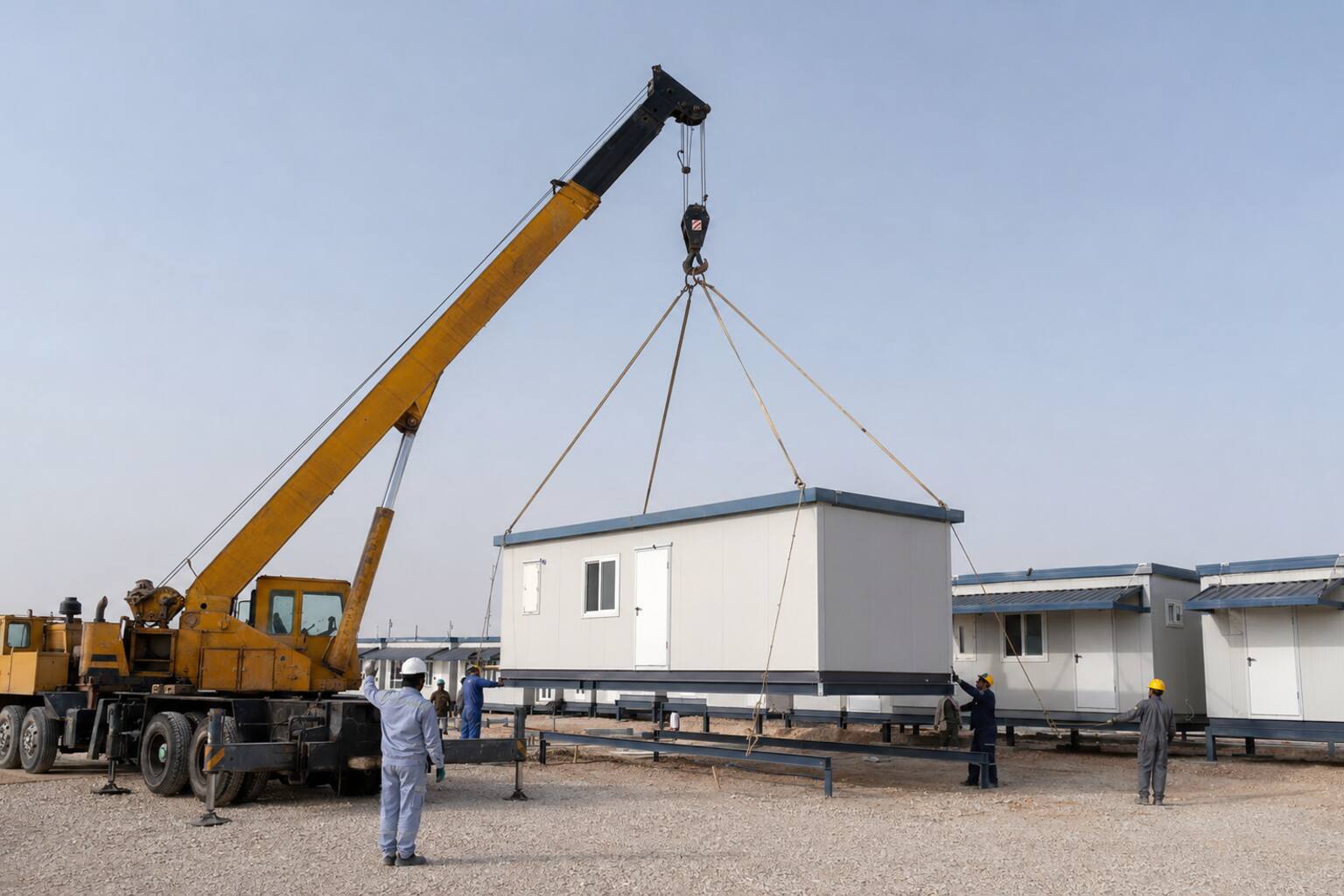
All buildings were prefabricated in a controlled factory environment and transported to the project site for fast installation.
Project Advantages
Compared with conventional construction methods, the modular solution delivered several advantages:
Installation completed within eight weeks
• Reduced on-site labor requirements
• High thermal insulation performance
• Corrosion-resistant steel structure
• Flexible future relocation
• Lower maintenance costs
• Consistent factory-controlled quality
• Sustainable and reusable building system
Application in Oil & Gas Industry
Modular buildings are widely used in oil and gas developments because they can be rapidly deployed in remote locations with limited infrastructure. These facilities provide reliable accommodation, administration offices, medical services, dining areas, and operational support throughout the construction phase.
After project completion, the buildings can be relocated and reused for future energy infrastructure developments, maximizing long-term investment value.
Project Conclusion
The Al Khobar Natural Gas Modular Camp demonstrates how prefabricated modular construction can improve project efficiency while providing safe, comfortable, and sustainable living facilities for large-scale energy developments. The project highlights the advantages of modular construction in reducing construction schedules, improving quality control, and supporting future relocation requirements.