Rapid Modular Hospital and Disaster Relief Settlement Housing Project
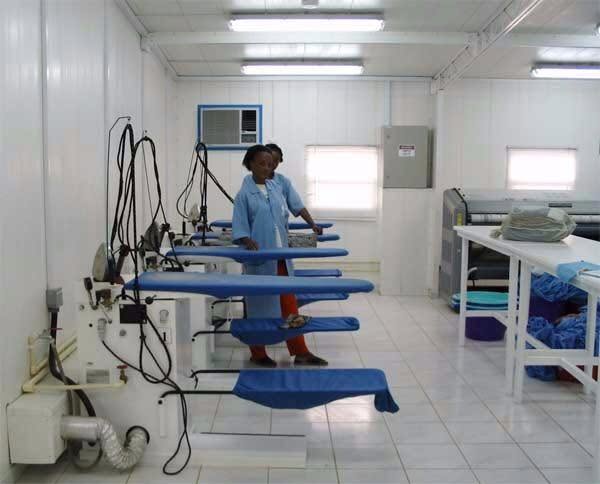
Photo Gallery
In emergency response and disaster relief projects, speed, flexibility, and functionality are critical factors. Traditional construction methods often require long preparation periods, complex site work, and high labor input. For urgent medical support, temporary resettlement, or field service operations, a faster and more adaptable building solution is needed.
This mobile hospital and disaster relief settlement modular housing project was completed on April 6, 2016. The project was designed as a comprehensive temporary facility system, combining medical support, living accommodation, catering, laundry, sanitation, and public service areas into one integrated modular camp solution.
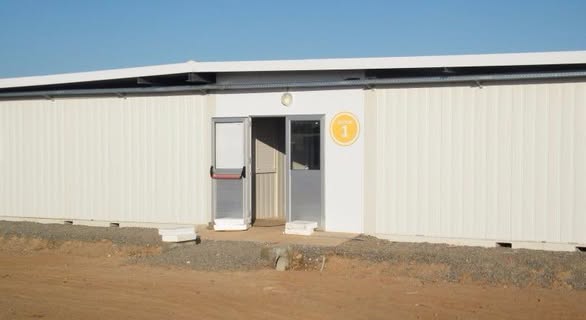
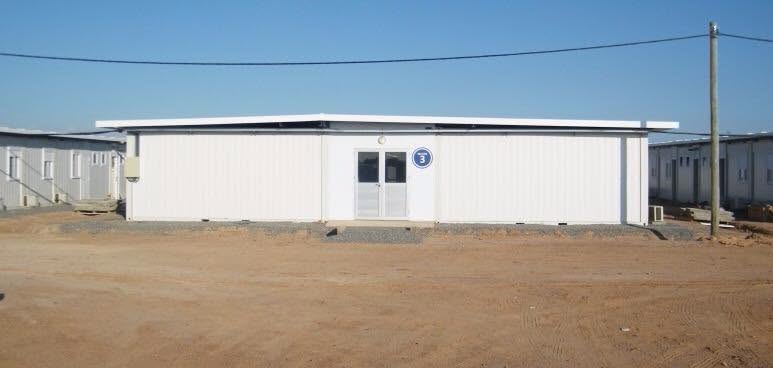
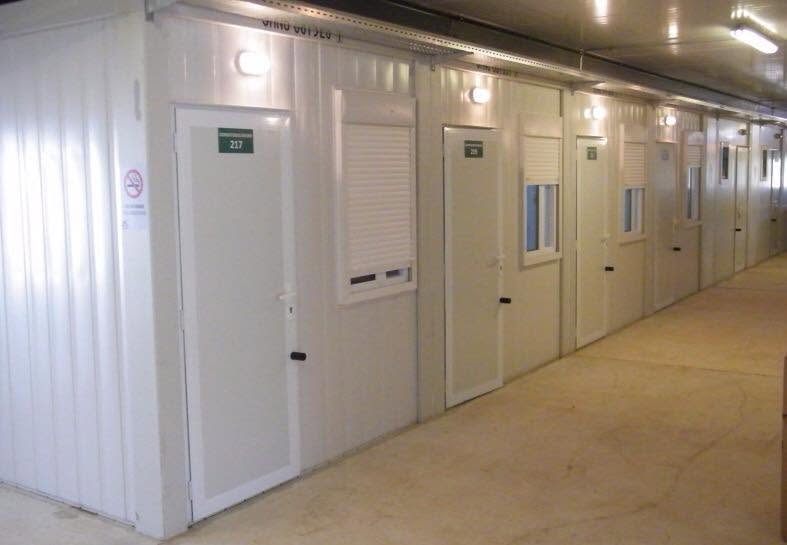
From the exterior view, the project uses light-colored prefabricated building panels with a clean and practical structure. The modular units are arranged in a simple and efficient layout, making the buildings easy to access, manage, and expand. The exterior design focuses on durability, fast assembly, and stable performance in temporary project environments.
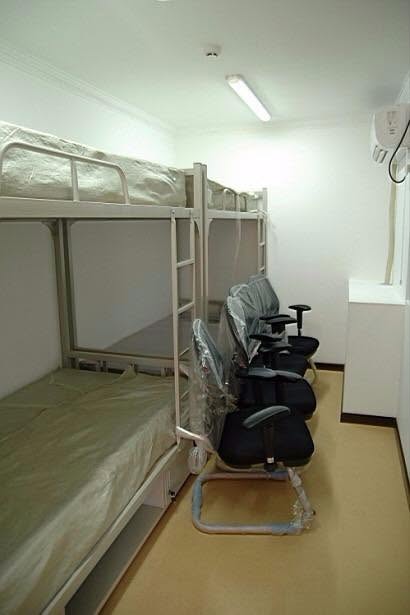
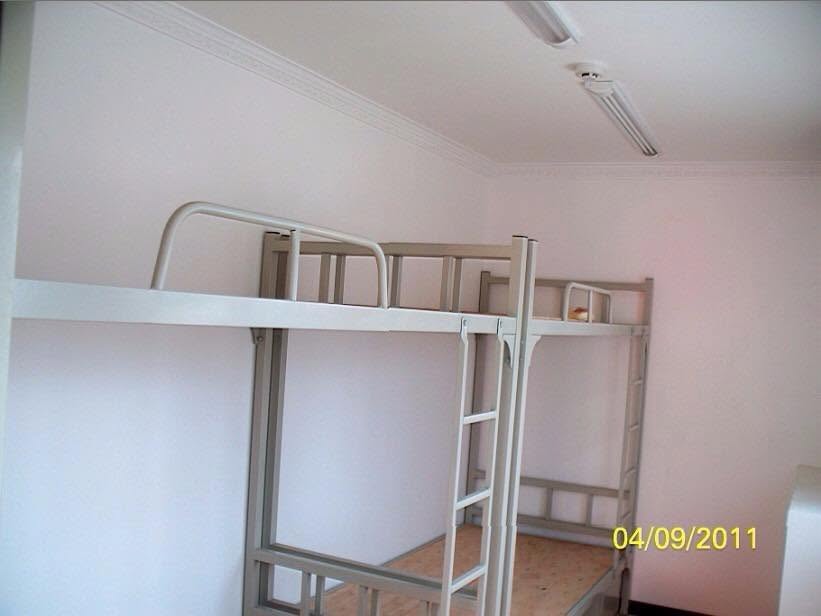
Inside the modular buildings, several functional zones were created to support daily operations. Accommodation rooms were equipped with bunk beds and basic furniture to provide temporary living space for staff, patients, workers, or displaced residents. The room layout reflects the practical needs of emergency housing, where space efficiency and comfort must be balanced.
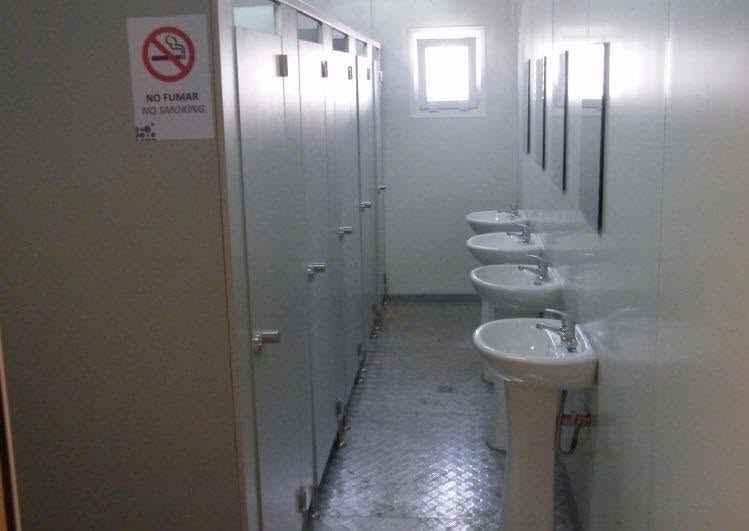
The project also included sanitary facilities with multiple washbasins and toilet compartments, helping meet hygiene requirements in a temporary settlement environment. In disaster relief and medical support scenarios, sanitation is one of the most important factors for maintaining public health and operational safety. The use of prefabricated bathroom modules helped improve construction efficiency while ensuring basic living standards.
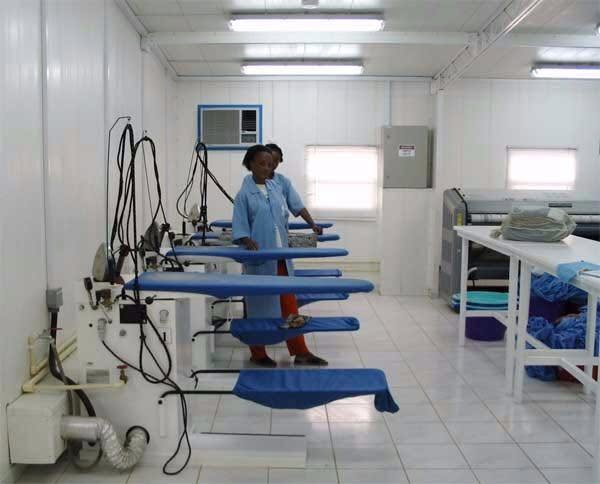
A laundry area was also provided, equipped with ironing and garment care equipment. This kind of supporting facility is especially valuable for mobile hospitals, emergency camps, and long-term temporary settlements, where clothing, bedding, and medical textiles may need regular cleaning and maintenance.
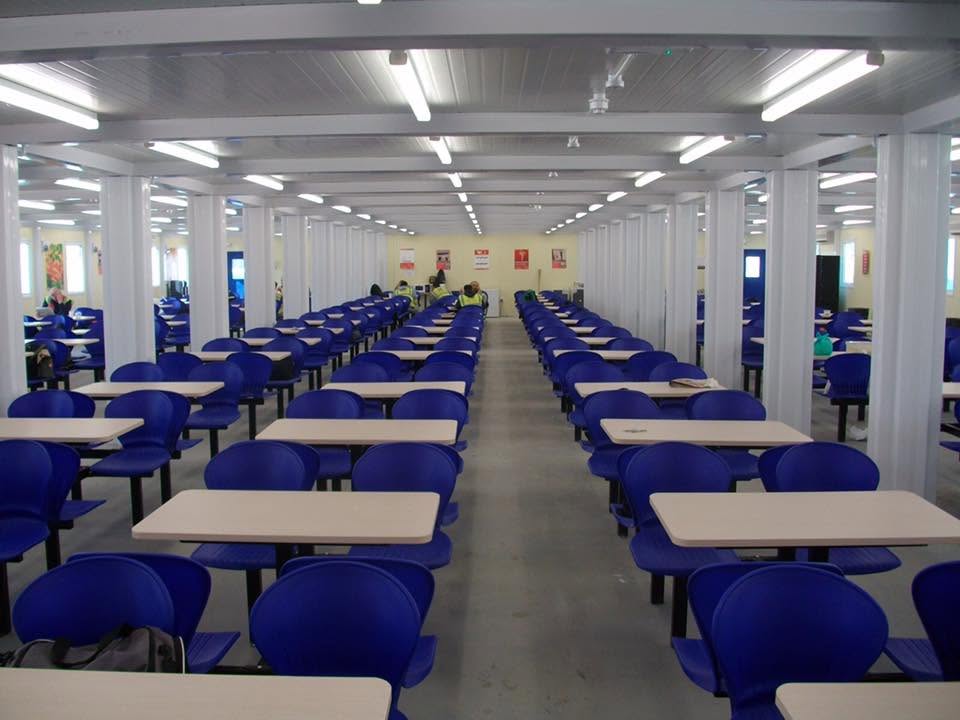
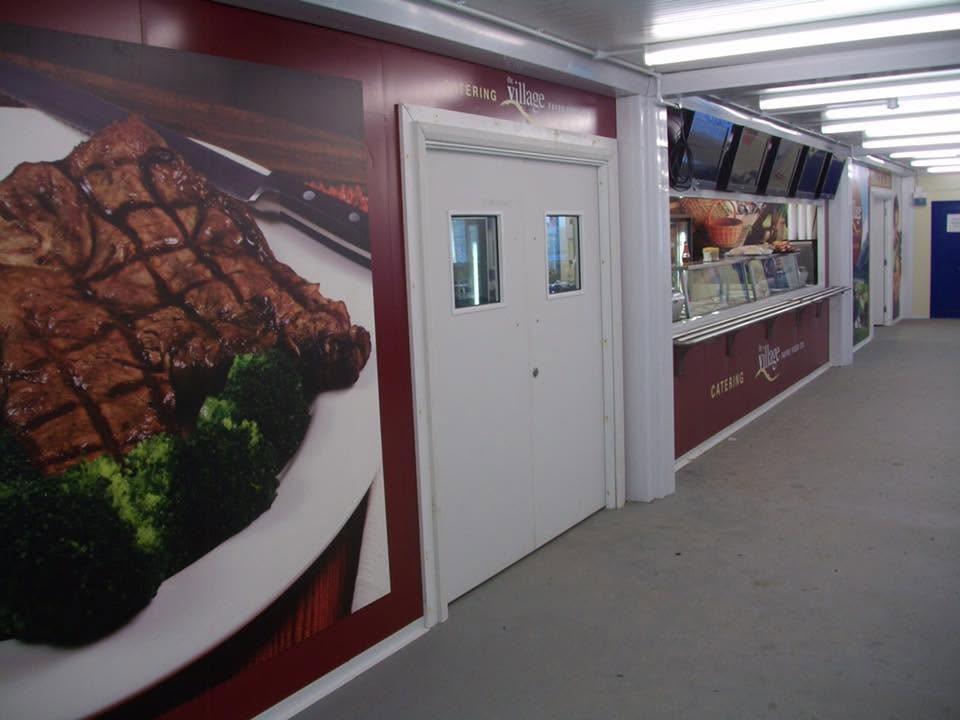
In addition to accommodation and sanitation areas, the project included a large dining hall with rows of tables and chairs. This space was designed to serve large numbers of people efficiently, making it suitable for staff dining, group meals, or temporary community use. The catering and food service zone shown in the project also demonstrates how modular buildings can support both living and logistics functions in one complete camp system.
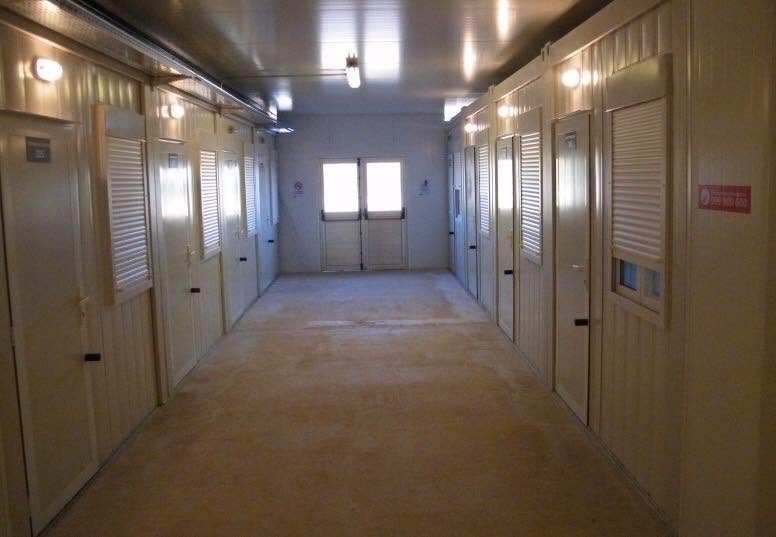
The corridor-style layout connects multiple room units and public areas, allowing easy movement between spaces. This design is commonly used in modular camps because it improves management efficiency, separates different functional areas, and supports centralized lighting, ventilation, and safety access.
One of the main advantages of this project is its rapid deployment capability. Compared with conventional buildings, modular houses can be prefabricated in advance and assembled quickly on site. This makes them suitable for urgent projects such as disaster recovery, field hospitals, epidemic prevention facilities, temporary worker camps, and emergency public service centers.
Another important advantage is flexibility. The building layout can be adjusted according to project needs. Medical rooms, dormitories, offices, canteens, toilets, storage rooms, laundry rooms, and service areas can all be combined in different ways. This allows the same modular building system to serve different application scenarios.
For disaster relief and mobile hospital projects, modular buildings provide a practical balance between speed, cost control, and usability. They can help governments, contractors, NGOs, medical service providers, and emergency response organizations establish usable infrastructure in a shorter time.
This 2016 project demonstrates the value of fast modular housing in real emergency and public service applications. By integrating accommodation, medical support, dining, laundry, and sanitation functions, the project provided a complete temporary building solution for disaster relief and resettlement needs.
As global demand for rapid-response infrastructure continues to grow, modular housing will play an increasingly important role in emergency medical support, disaster recovery, public health response, and temporary community construction. This case shows how prefabricated modular buildings can deliver efficient, flexible, and reliable space solutions when time and functionality are both critical.